WHEATWATCHER Consortium Meeting in Rostock, Germany
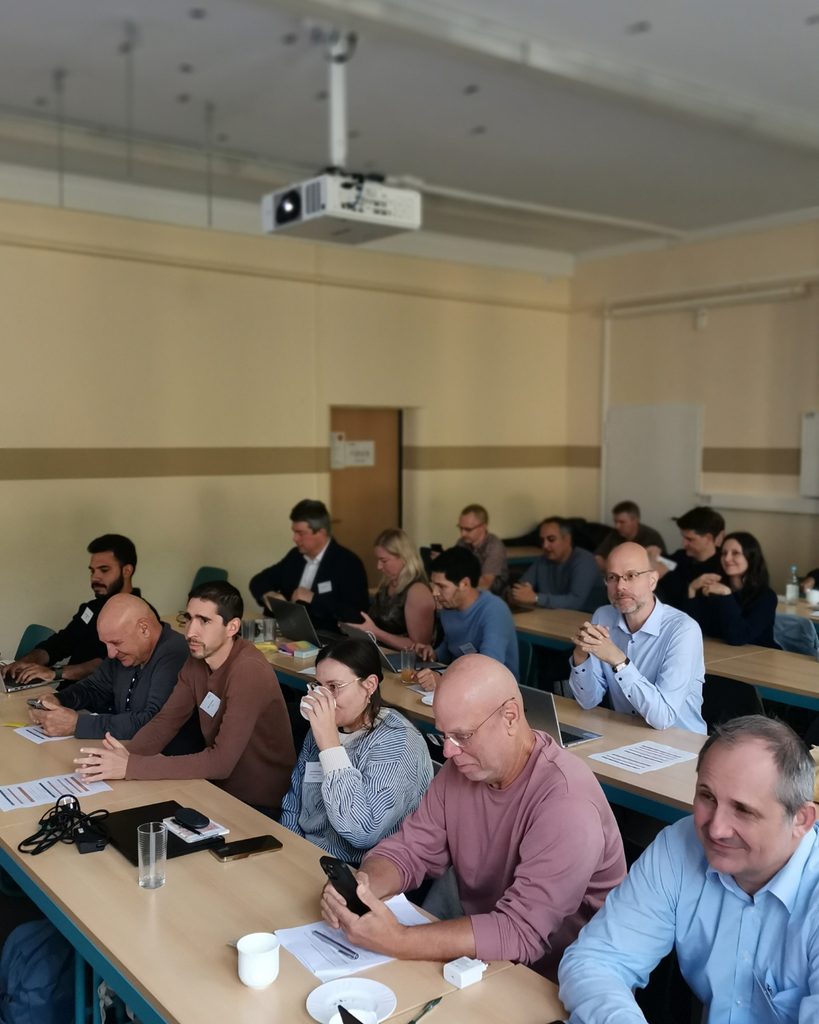
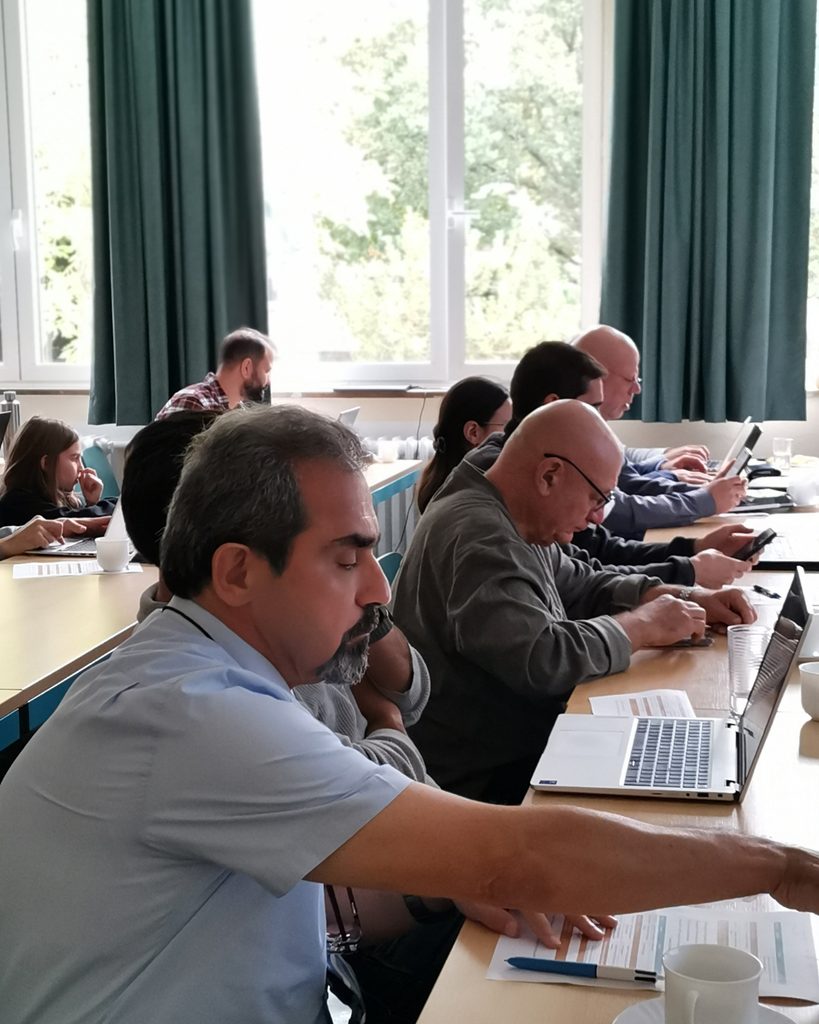
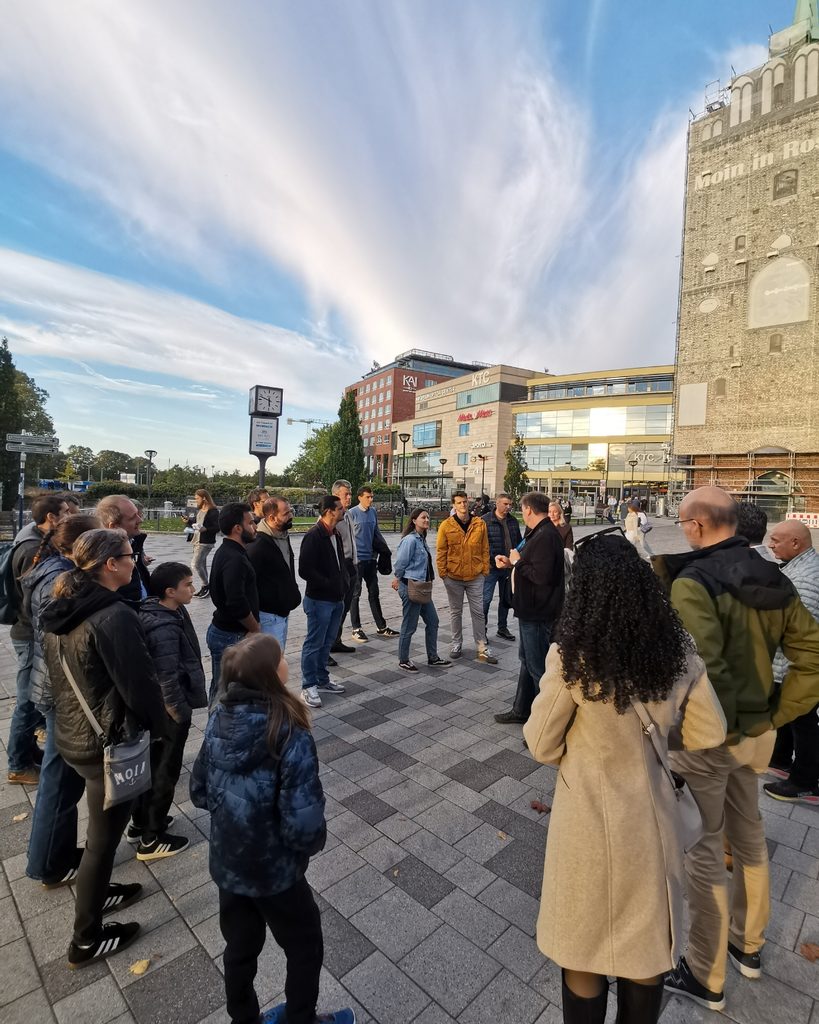
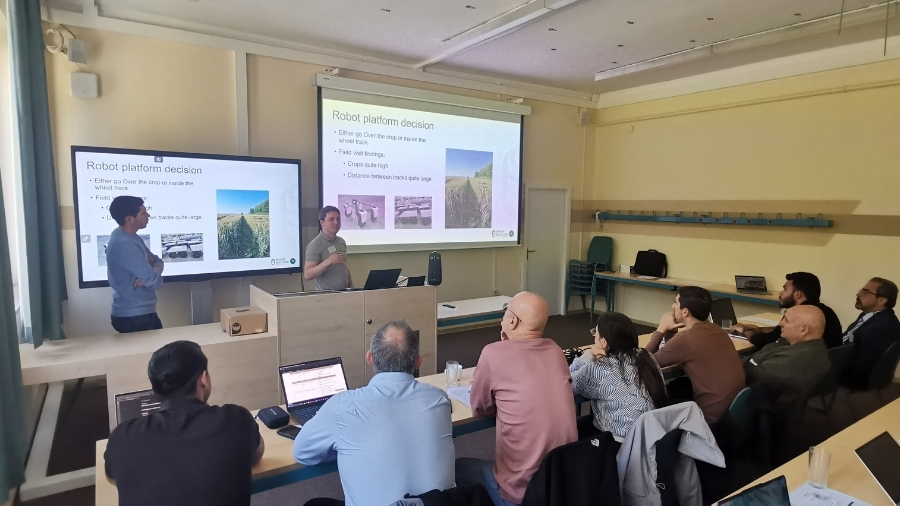
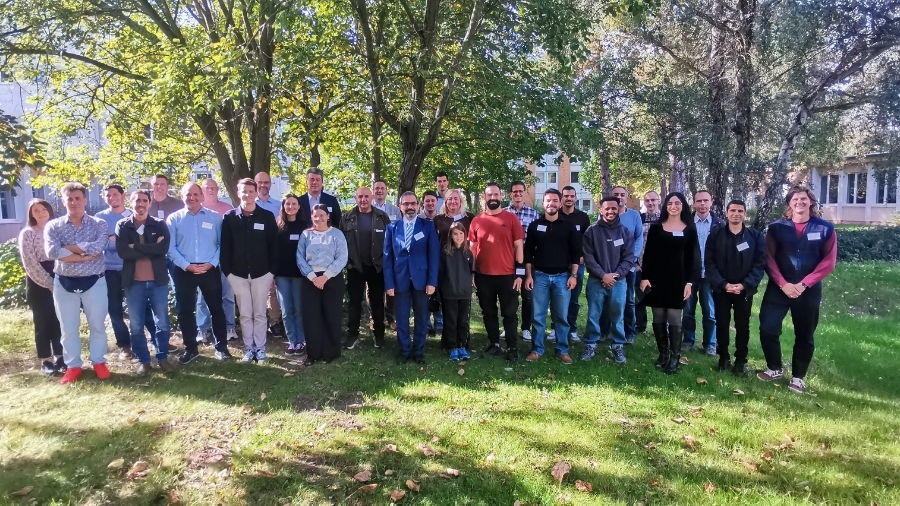
The WHEATWATCHER consortium came together in Rostock, Germany, in early October for its latest project meeting, bringing partners from across Europe together to review progress, exchange knowledge and coordinate the next stages of the project.
The main consortium sessions took place on 5 and 6 October 2026 at the University of Rostock. The programme concluded on 7 October with a field trip to the WHEATWATCHER pilot area in Demmin.
Bringing the different parts of WHEATWATCHER together
The meeting provided an important opportunity for the consortium to look at WHEATWATCHER as a whole and connect the work taking place across its different Work Packages.
Discussions covered the project’s sensing technologies, field and laboratory activities, data collection and quality assurance, modelling and mapping, decision-support tools, demonstration activities, food traceability, project management, communication, dissemination and exploitation.
This cross-disciplinary approach is central to WHEATWATCHER, where information from soil, crops, sensors, laboratory analyses and digital tools is progressively brought together to support better understanding of soil and plant health and more informed agricultural decision-making.
Day 1: from communication and sensing to data and modelling
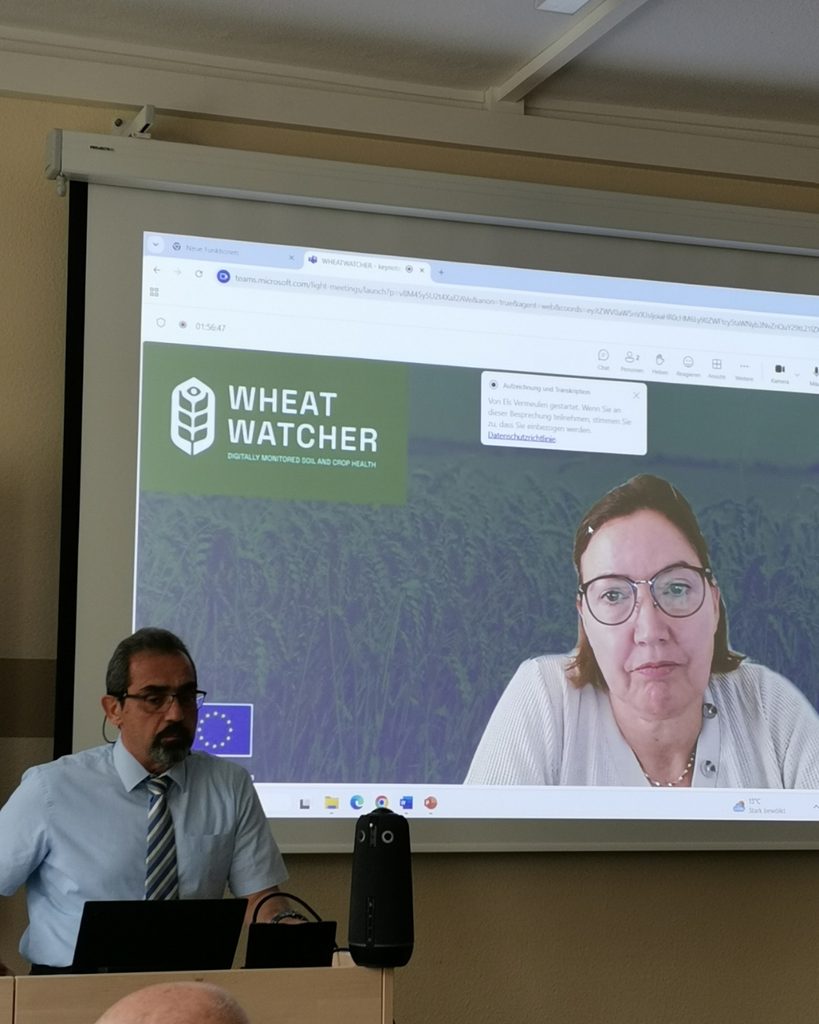
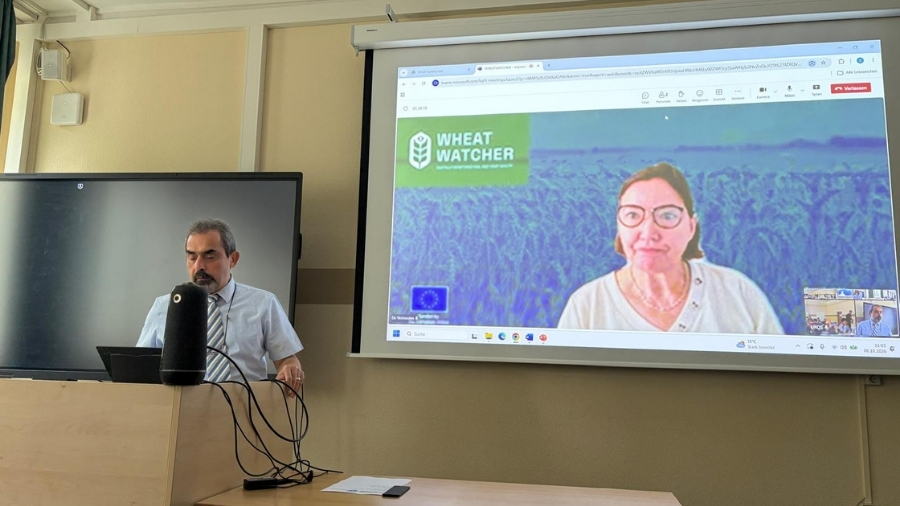
The first full meeting day opened with a keynote contribution from Dr Panos Panagos focusing on the European Soil Observatory, connecting WHEATWATCHER’s activities with the wider European soil monitoring and Mission Soil landscape.
The programme then moved into updates from several core areas of the project.
WP8 – Dissemination and Exploitation reviewed progress in communicating WHEATWATCHER’s scientific and technical work, strengthening the project’s visibility, engaging stakeholders and building connections with other European initiatives.
During the session, Zafeiro Vaxevanidou presented the progress of WP8 on behalf of ena Development Consultants, which leads the Work Package. Particular attention was also given to exploitation and impact: how the knowledge, technologies and results being developed across the project can reach the right audiences and create value beyond the lifetime of WHEATWATCHER.
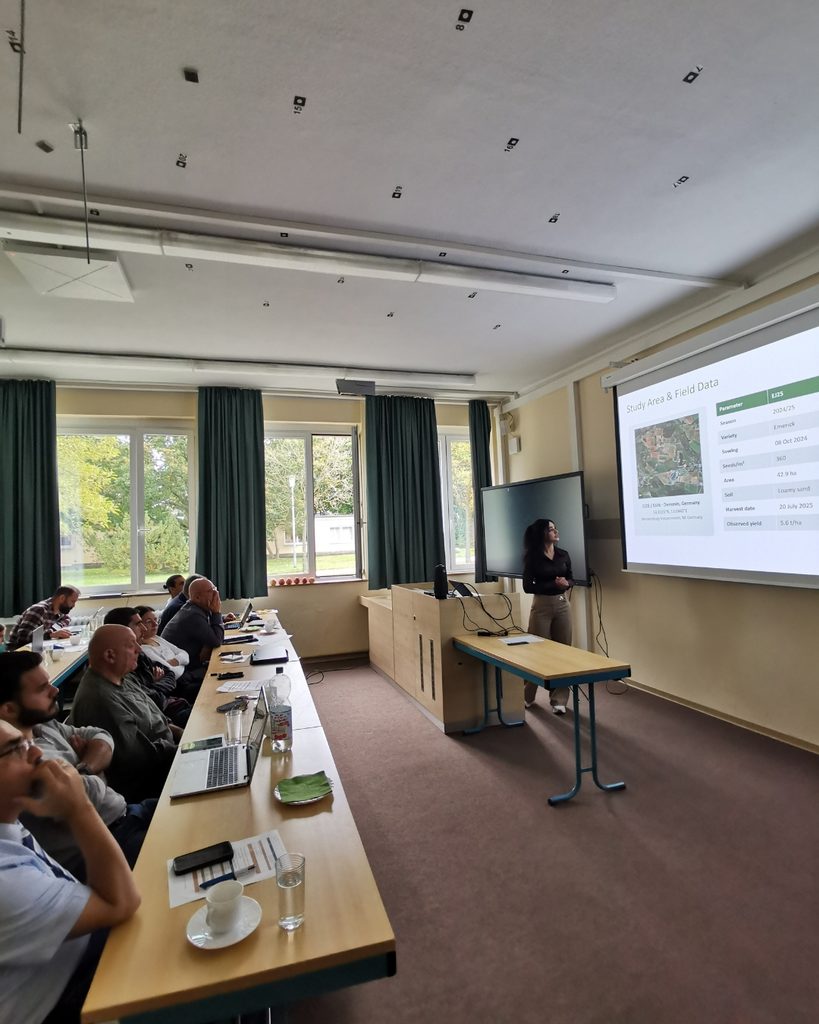
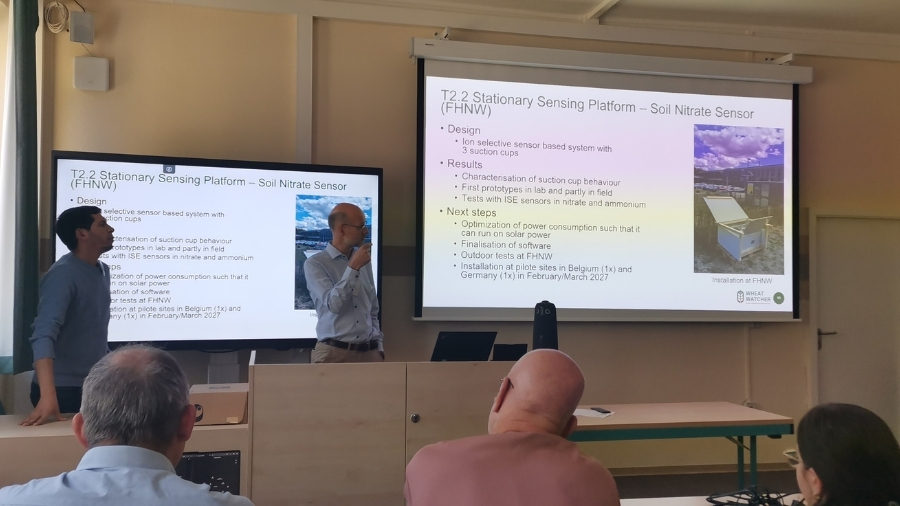
The technical sessions continued with WP2 on on-site sensor platform management, including updates on new extraction and analysis systems and stationary sensing technologies. WP3 focused on data capturing and quality assurance, including the new Tel Aviv University glasshouse experiment, soil sample analyses and microbiome-related work.
WP4 then presented progress in modelling and mapping, with updates on the WHEATWATCHER portal, modelling activities using data from the German and Belgian pilot sites, locally weighted regression approaches and further modelling developments.
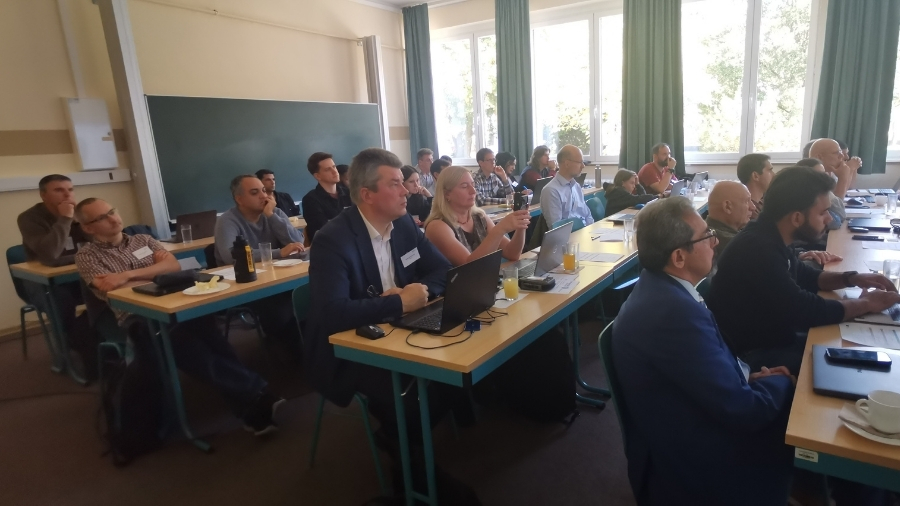
The day concluded with an open discussion, giving partners the opportunity to address challenges, exchange perspectives and align on the work ahead.
Day 2: management, decision support, demonstration and food traceability
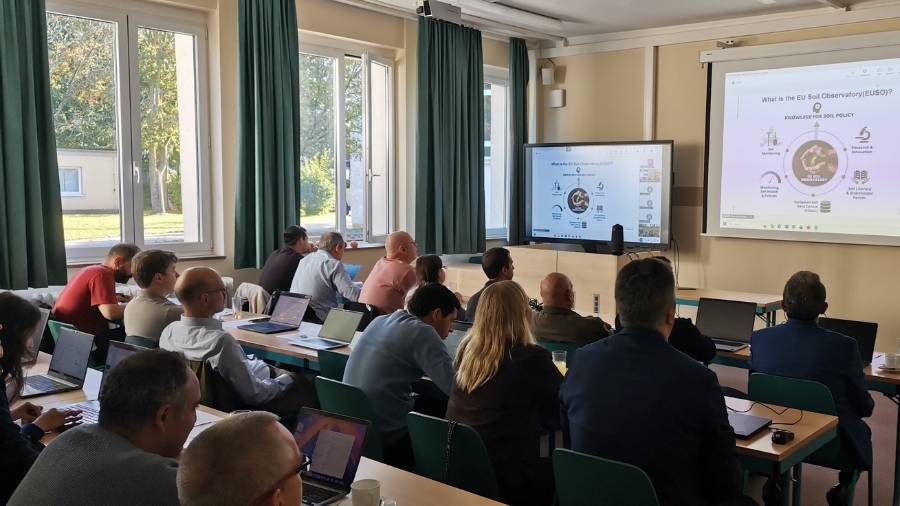
The second meeting day began with two keynote presentations.
Prof. Ralf Uptmoor presented on winter wheat, while Dr Florine Degrune from CIRAD introduced the SOILWISE project, creating further connections with complementary European research activities.
The consortium then reviewed WP1 – Project Management and General Assembly activities, including feedback from the first periodic reporting period and data management.
WP5 focused on the decision-support system for soil management, including updates to the WebGIS, Decision Support System and crop growth modelling. These tools form an important part of WHEATWATCHER’s effort to transform complex monitoring data into information that can support practical agricultural decisions.
The programme continued with WP6 on demonstration activities and WP7 on food traceability, where partners reviewed ongoing work and first results related to the traceability component of the project.
From the meeting room to the field
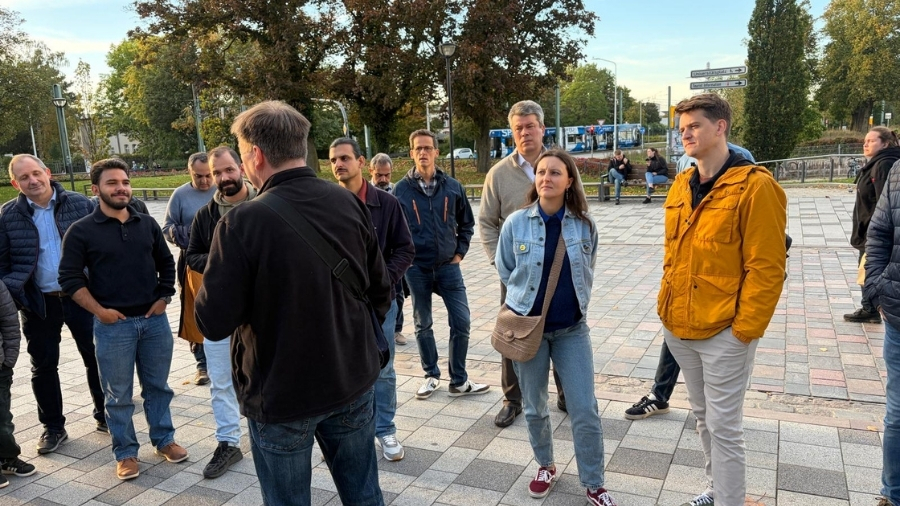
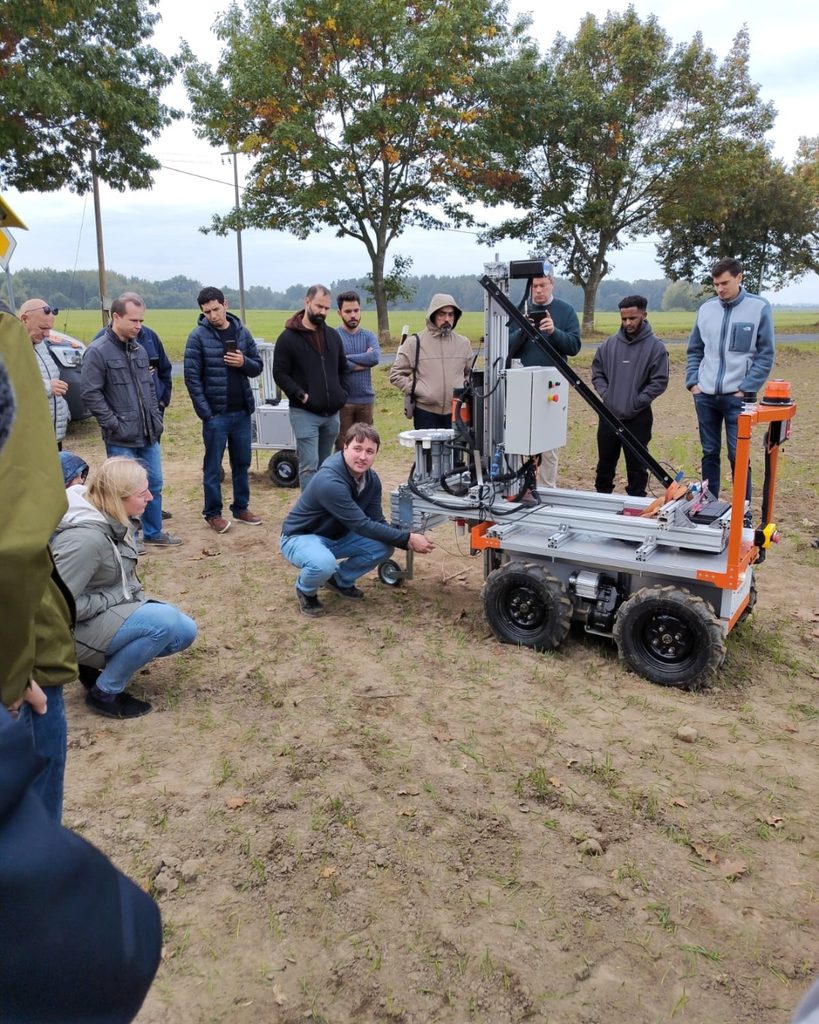
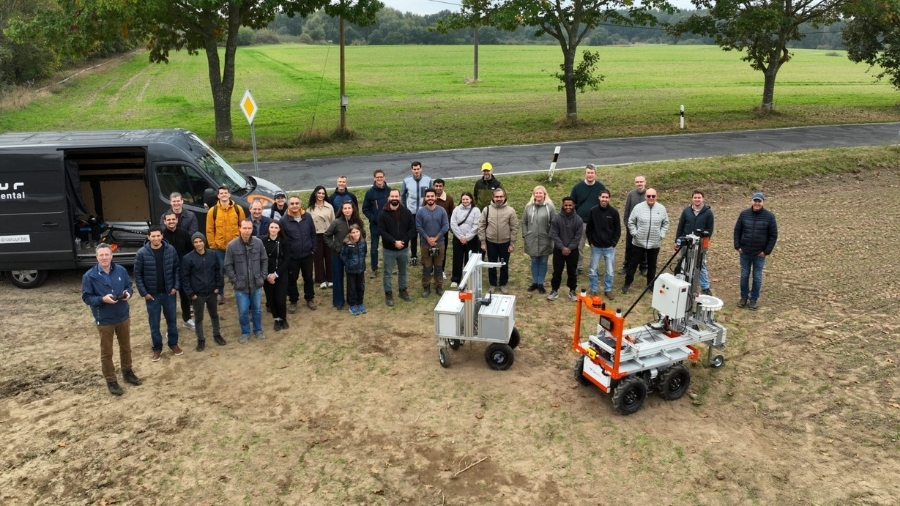
The consortium meeting concluded with a field trip to the Demmin Pilot Farm on 7 October.
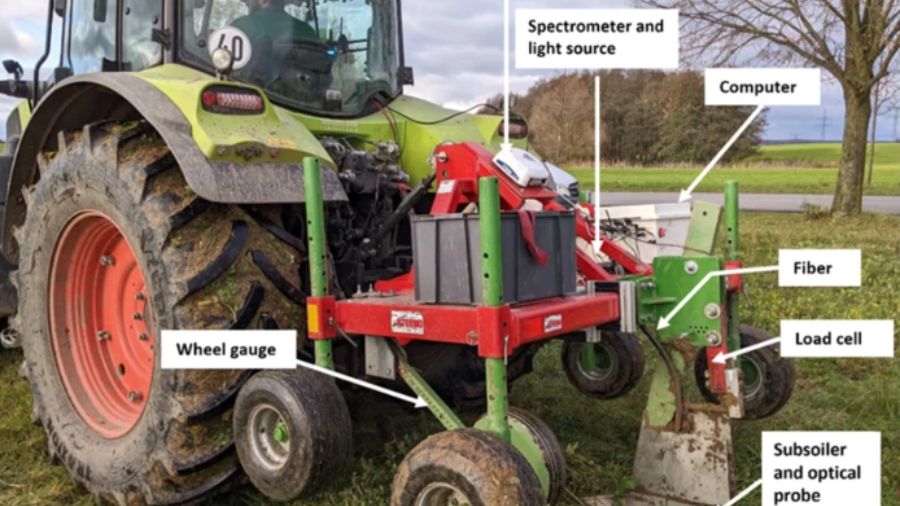
Participants visited three sites of interest as well as the farm itself, gaining a closer view of daily agricultural operations and the technologies being used in the field. The programme also included demonstrations of two robotics platforms developed by UGent and Exobotics.
The field visit provided an important bridge between the technical discussions held during the meeting and the real-world conditions in which WHEATWATCHER technologies, sensing approaches and monitoring strategies are being tested.
Moving WHEATWATCHER forward together
Consortium meetings are an important part of a multidisciplinary project such as WHEATWATCHER.
They create the space to connect scientific results with technical development, compare progress across Work Packages, identify challenges and ensure that the different components of the project continue moving towards common objectives.
The Rostock meeting once again highlighted the value of collaboration across disciplines and organisations — from soil science, sensing and robotics to modelling, decision support, traceability, communication and exploitation.
With new data, experiments, tools and field activities continuing across Europe, the consortium now moves into the next phase of work with a shared focus on turning WHEATWATCHER’s research into practical knowledge and solutions for healthier soils, more resilient crops and more sustainable wheat production.