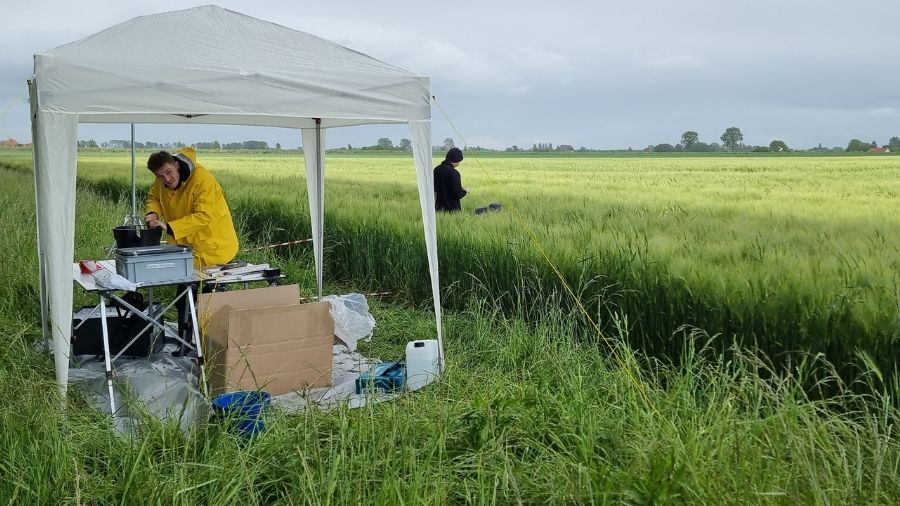
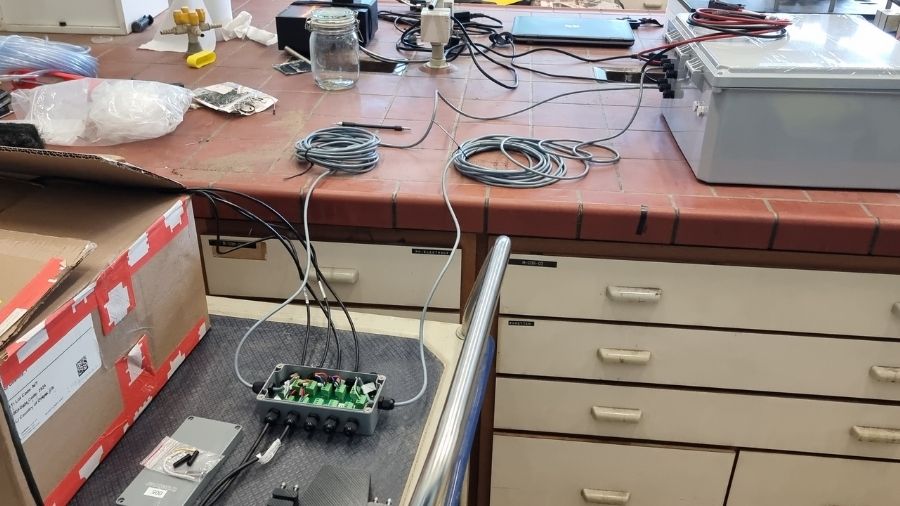
Stationary sensors installed at WHEATWATCHER Pilot Site in Poland
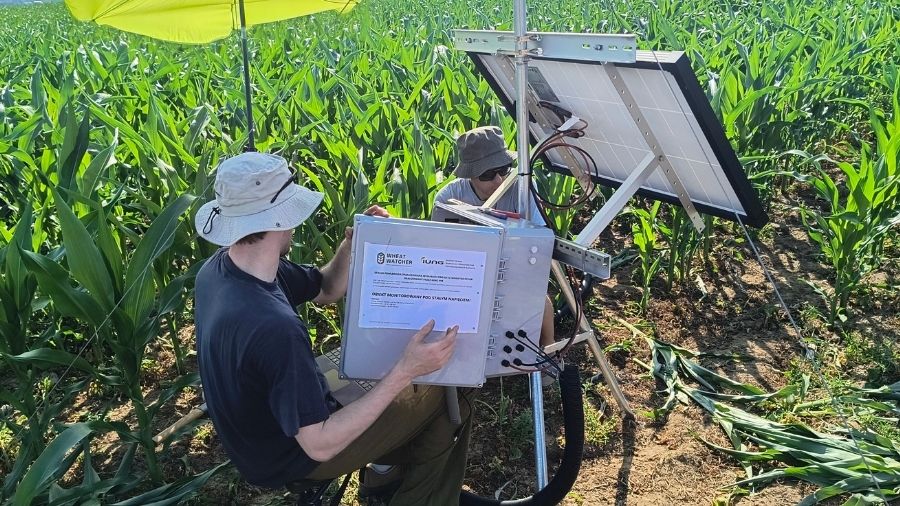
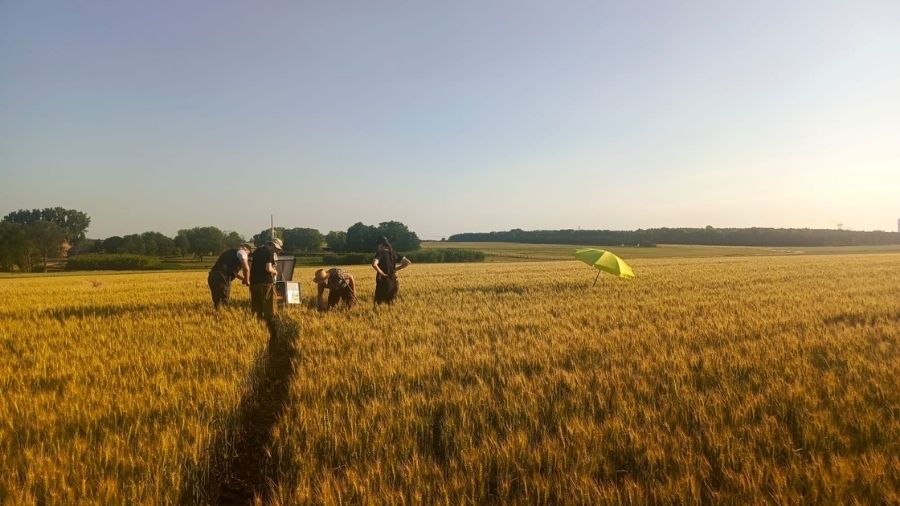
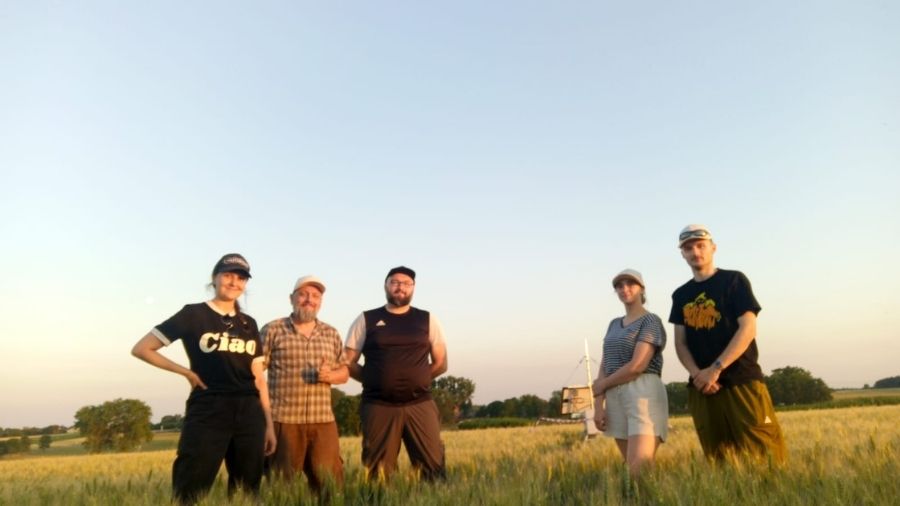
As part of WHEATWATCHER’s pilot site activities, project partner IUNG-PIB, The Institute of Soil Science and Plant Cultivation, has completed field installations in Poland together with the team from FHNW, the University of Applied Sciences and Arts Northwestern Switzerland.
The work focused on the installation of monitoring stations designed to collect continuous data on key soil parameters, supporting WHEATWATCHER’s wider goal of developing an integrated system for soil and crop health monitoring.
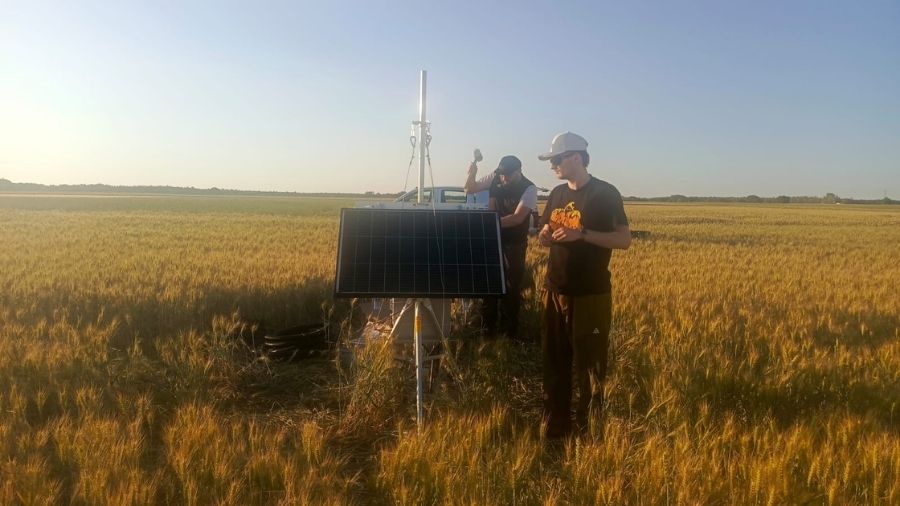
Fieldwork to collect continuous data on key soil parameters, supporting across Polish pilot sites
The fieldwork was carried out by IUNG-PIB in collaboration with FHNW, which contributes expertise in sensors, data analytics and IoT technology to the project.
Together, the teams installed stations to monitor important soil parameters, including:
- Soil pH
- Electrical conductivity
- Soil moisture
These parameters are essential for understanding soil conditions, detecting potential stressors and supporting more informed decisions in wheat production.
Installation locations
The monitoring stations were installed at three locations in Poland:
- One reference station at the “Kępa” Agricultural Research Station in Osiny
- Two stations at the pilot site in Siemianowice Śląskie, located on potentially contaminated soils
This setup allows WHEATWATCHER to monitor soil conditions in both a reference location and areas where soil contamination may present specific challenges for crop production and soil health.
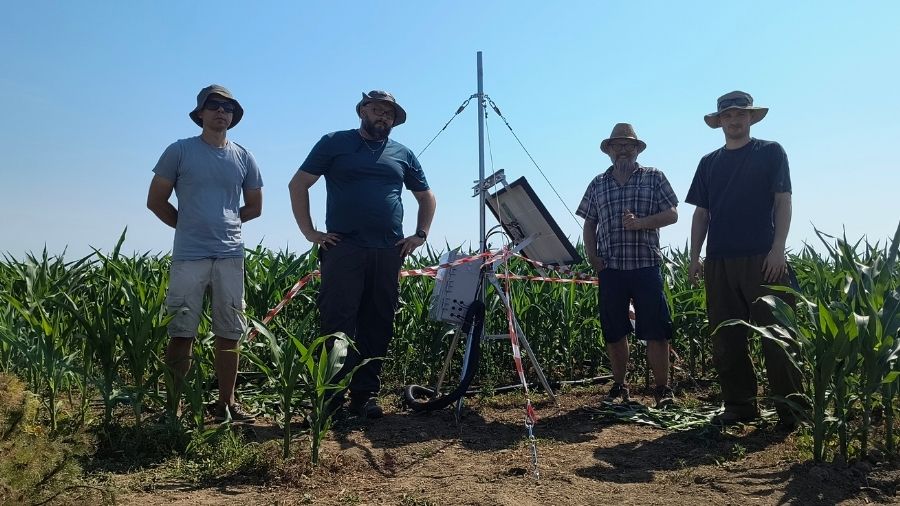
Continuous data for soil monitoring
The newly installed sensors are an important part of the project’s research infrastructure.
By enabling production and soil health.
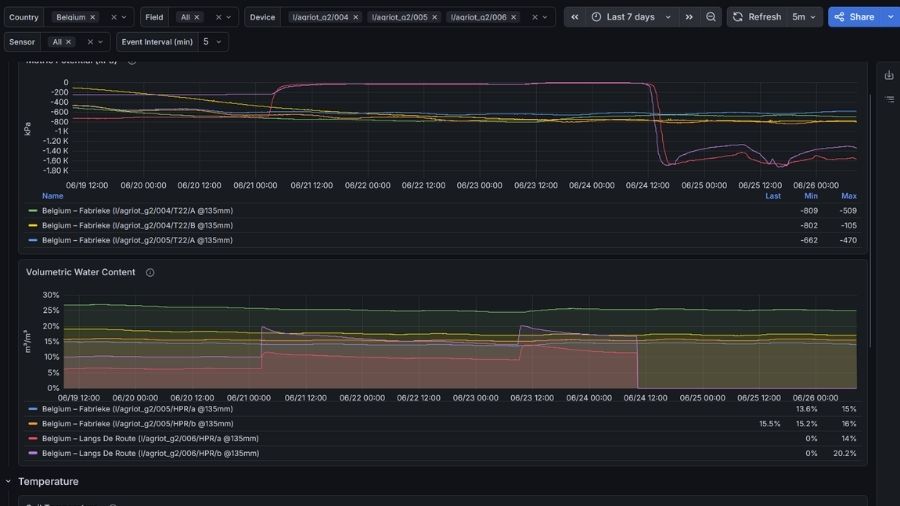
Continuous data for soil a continuous flow of data, the stations will support more accurate tracking of changes occurring in the soil environment. This is particularly important for identifying shifts in soil conditions and understanding how potential stressors may affect wheat crops over time.
The collected data will contribute to the European soil monitoring platform and support WHEATWATCHER’s work on connecting field observations with advanced analytics and decision-support tools.
Supporting faster response to soil and crop stressors
Monitoring soil pH, electrical conductivity and moisture can provide valuable insights into soil status and crop growing conditions.
Soil pH influences nutrient availability and plant development. Electrical conductivity can help indicate changes related to salts or other dissolved substances in the soil. Soil moisture is a key factor for crop growth, stress detection and water-related field management decisions.
By continuously monitoring these parameters, WHEATWATCHER partners can better understand soil dynamics at the pilot sites and support faster responses to potential stressors affecting wheat crops.
A step towards integrated decision support
The installation of the new sensor stations in Poland represents another step towards building a modern, integrated monitoring system for agriculture.
By combining field-based sensors, data analytics and IoT technologies, WHEATWATCHER aims to transform soil and crop data into practical information that can support farmers in their decision-making.
This work also strengthens the project’s broader approach: connecting different monitoring technologies, pilot site data and scientific expertise to support healthier soils, safer crops and more sustainable wheat production systems.
The fieldwork in Poland highlights the strong collaboration between WHEATWATCHER partners and the importance of real-world pilot site activities in developing digital tools for the future of agriculture.