Tag: ena

WHEATWATCHER at the 31st AGROTICA Expo 2026, Greece

Introduction

The WHEATWATCHER project was proudly presented at the 31st AGROTICA Expo 2026, held at the Thessaloniki International Exhibition & Congress Center, Greece.

Through the participation of ena Development Consultants (WP8 Leader) the project was showcased to a wide audience of stakeholders from the agri-food sector, reinforcing its role in advancing digital agriculture and sustainable soil management.

A Strong Presence at AGROTICA Expo 2026

Over the course of four days, the ena Development Consultants booth served as a dynamic meeting point for producers, businesses, researchers, and policymakers. The event provided an excellent opportunity to exchange knowledge, discuss emerging challenges, and explore innovative solutions shaping the future of agriculture.

Key Themes and Discussions

The discussions at the ena booth focused on critical topics for the future of agriculture, including:

  • Business and investment development in the primary sector
  • Digital transformation and technological innovation in agriculture
  • The role of the DigiAgriFood hub
  • European projects such as WHEATWATCHER, RUNFASTER4EU, MARMADE, and NitroScope
  • Funding opportunities and strategic collaborations

Within this context, WHEATWATCHER attracted strong interest for its approach to soil and crop monitoring through advanced sensing technologies and data-driven tools.

Strengthening Collaboration and Impact

The interactions at AGROTICA Expo 2026 confirmed the sector’s strong momentum and the increasing demand for innovation, sustainability, and strategic planning.

By engaging directly with stakeholders, WHEATWATCHER continues to strengthen its network and ensure that its solutions are aligned with the real needs of farmers and the agri-food ecosystem.

stationary platform greece

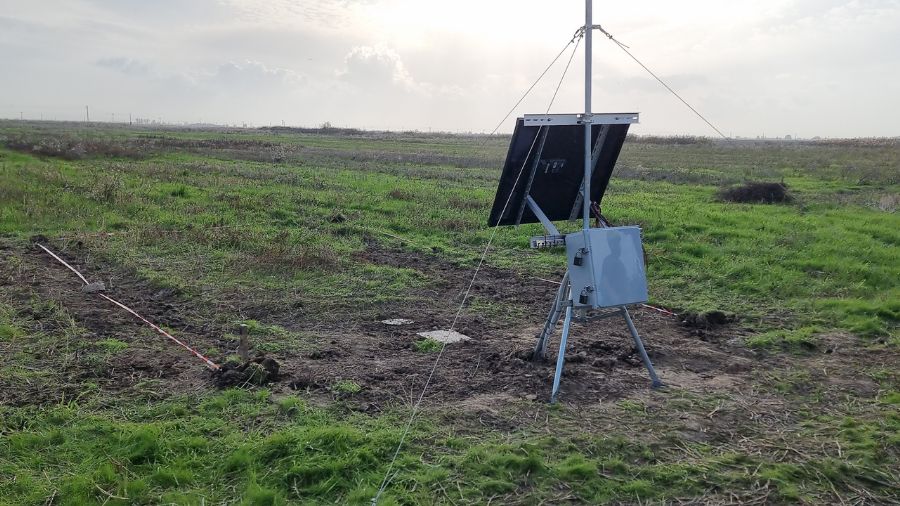
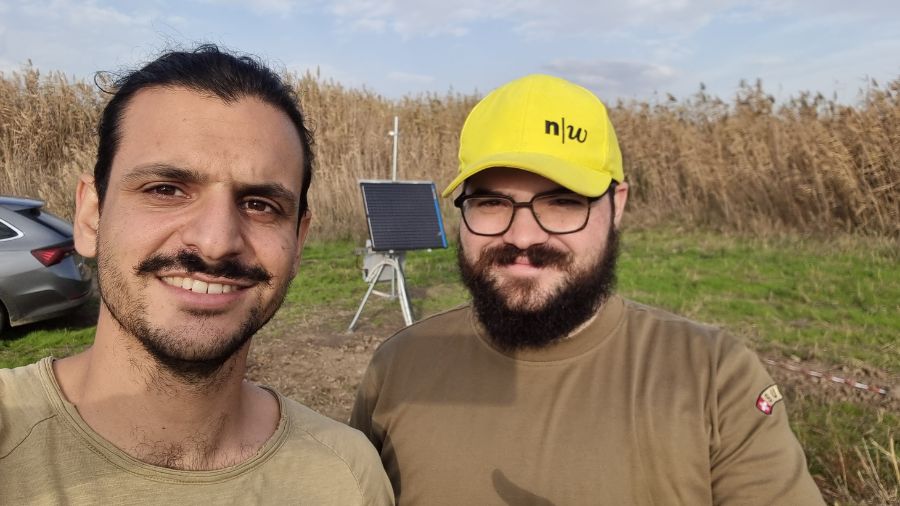
Stationary sensors go live in greek pilot site

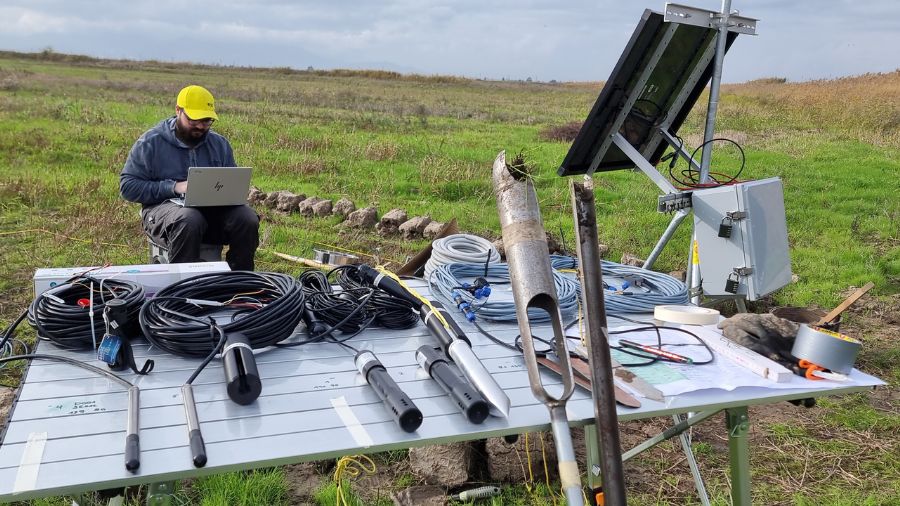
As part of WHEATWATCHER’s mission to build smarter, data-driven soil monitoring systems, our Greek pilot site in the Nestos region, has just entered a new phase. Earlier this month, our colleagues from the University of Applied Sciences and Arts Northwestern Switzerland (FHNW) successfully installed a set of stationary sensors, bringing real-time environmental monitoring to the heart of the field.

Unlike mobile platforms that scan the landscape or drones that capture snapshots from above, stationary sensors work quietly and continuously, gathering high-resolution data on key soil and atmospheric conditions. These include:

  • Soil moisture – helping us understand water availability and irrigation needs
  • Electrical conductivity – providing insight into salinity levels and nutrient mobility
  • Soil temperature – a critical factor influencing root growth and microbial activity
  • Air temperature and humidity – offering broader context for plant stress responses

These measurements feed directly into WHEATWATCHER’s cloud-based Decision Support System (DSS), where they will be integrated with satellite imagery, mobile sensing data, and AI-powered models. The goal is to transform raw sensor inputs into actionable insights, giving farmers a powerful new tool to monitor field conditions and make precise, sustainable choices.

What makes this effort unique is not just the technology, but the cross-border collaboration that makes it possible. The installation was coordinated by the FHNW team (Fabricio Parrillo, Luca Colombi, Gerd Simons) in close partnership with enateam (Zafeiro Vaxevanidou, Giannis Kimountris, Aris Ketipis), the local pilot site lead in Greece. Together, they are ensuring that WHEATWATCHER’s innovations are adapted to real-world farming contexts, from central Switzerland to rural Thrace.

Stay tuned as the growing season unfolds and the sensors begin to tell us their story. What’s beneath the surface may be invisible but with WHEATWATCHER, it’s no longer unknown.

greek pilot site sampling

From Nestos pilot site to data insights: WHEATWATCHER hits the ground in Greece

Last month, the WHEATWATCHER project carried out a major field campaign at its Greek pilot site, located in the heart of Eastern Macedonia and Thrace, near Nestos river. This campaign marks a crucial step in our mission to build next-generation tools for smart soil monitoring and sustainable wheat production across Europe.

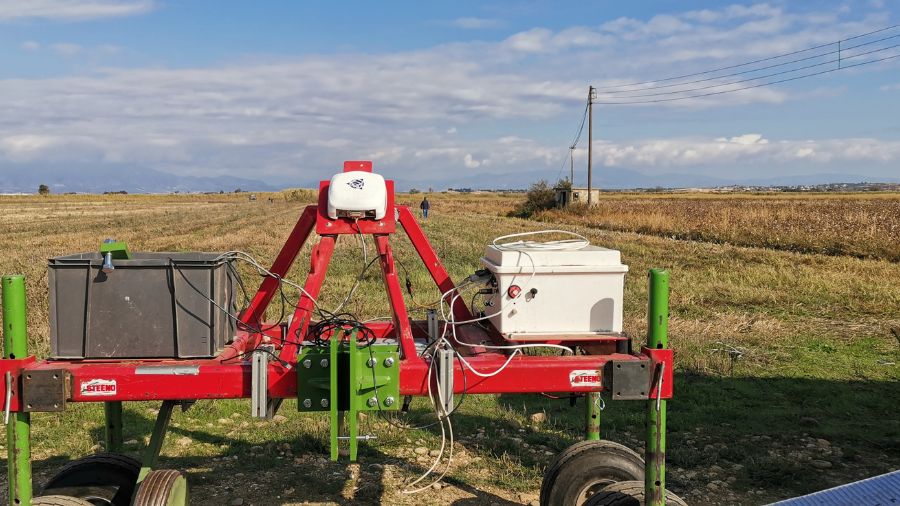
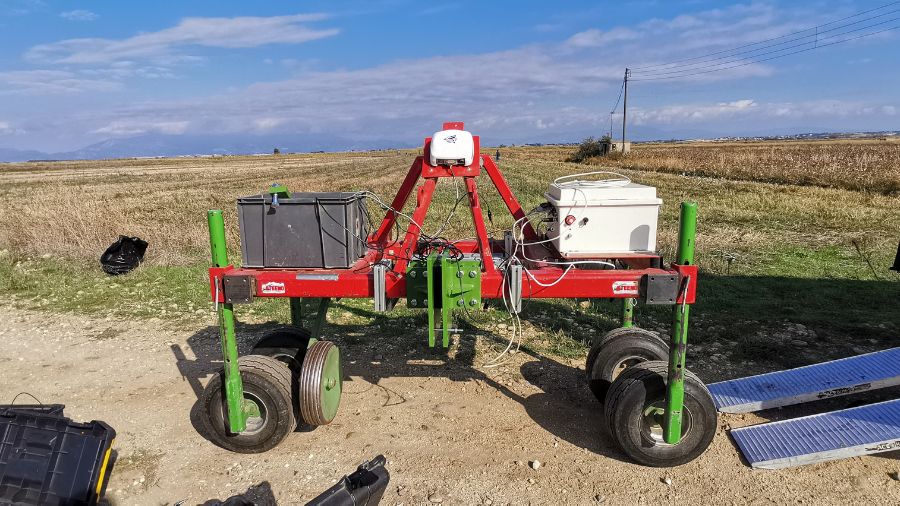
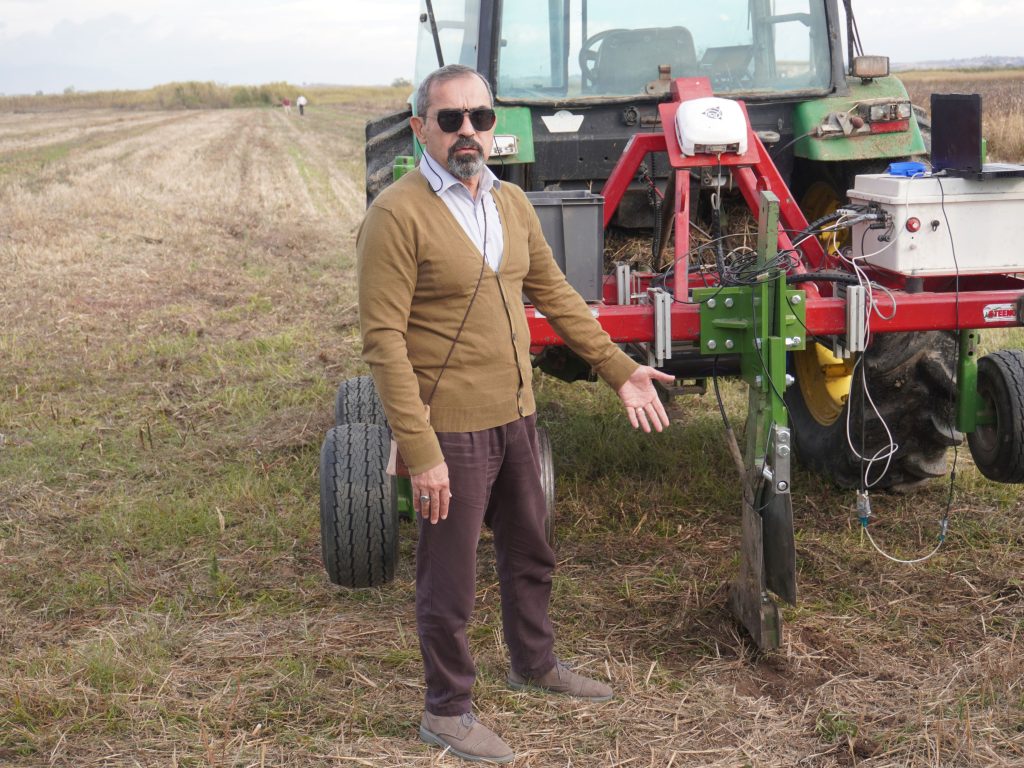
Led by ena Development Consultants, the pilot site hosted an intensive sampling and mobile sensing campaign coordinated in collaboration with Ghent University and our scientific coordinator Antonis Morellos.

The highlight of the campaign was the deployment of the mobile sensing platform developed by Ghent University — a vehicle-mounted system equipped with visible and near-infrared (vis–NIR) spectroscopy and gamma-ray sensors. As the platform moved through the fields, it continuously mapped key soil properties such as nutrient availability, moisture levels, and potential contamination indicators.

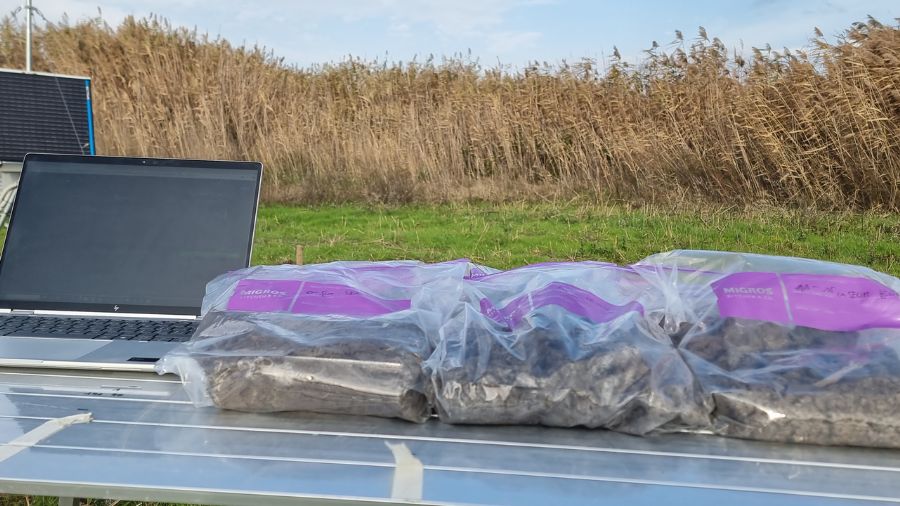
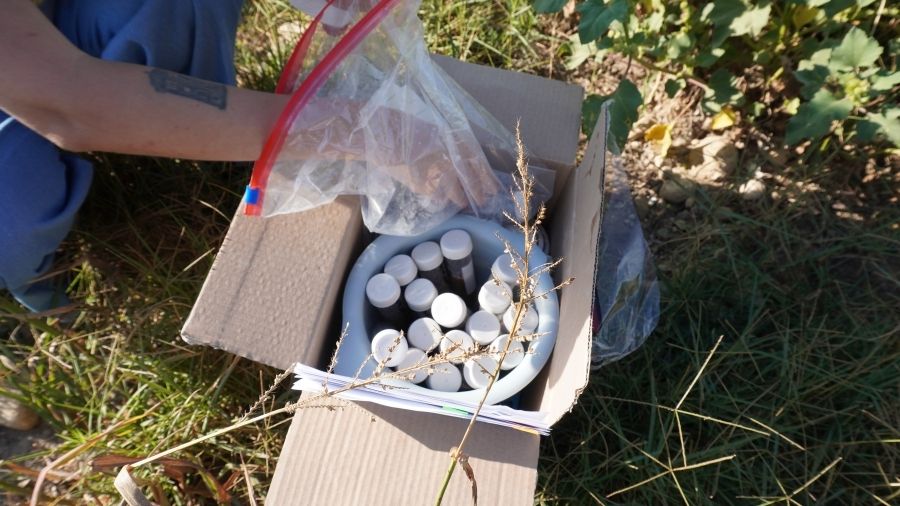
To complement this real-time scanning, the team also collected soil samples manually from across the field. These samples will be sent to Czech University of Life Sciences (CZU), where they will support the development of a spectral soil library, a foundational element of WHEATWATCHER’s precision soil assessment toolkit.

This hands-on campaign showcases how traditional agricultural expertise, when paired with cutting-edge sensing and data science, can deliver real-time, actionable insights to support farmers, researchers, and policymakers. The data collected in Nestos will feed into advanced models for nutrient management, soil contamination detection, and crop productivity forecasting.

This isn’t just about data, it’s about building resilience, promoting food safety, and enabling smarter land stewardship from the ground up.

ga meeting xanthi

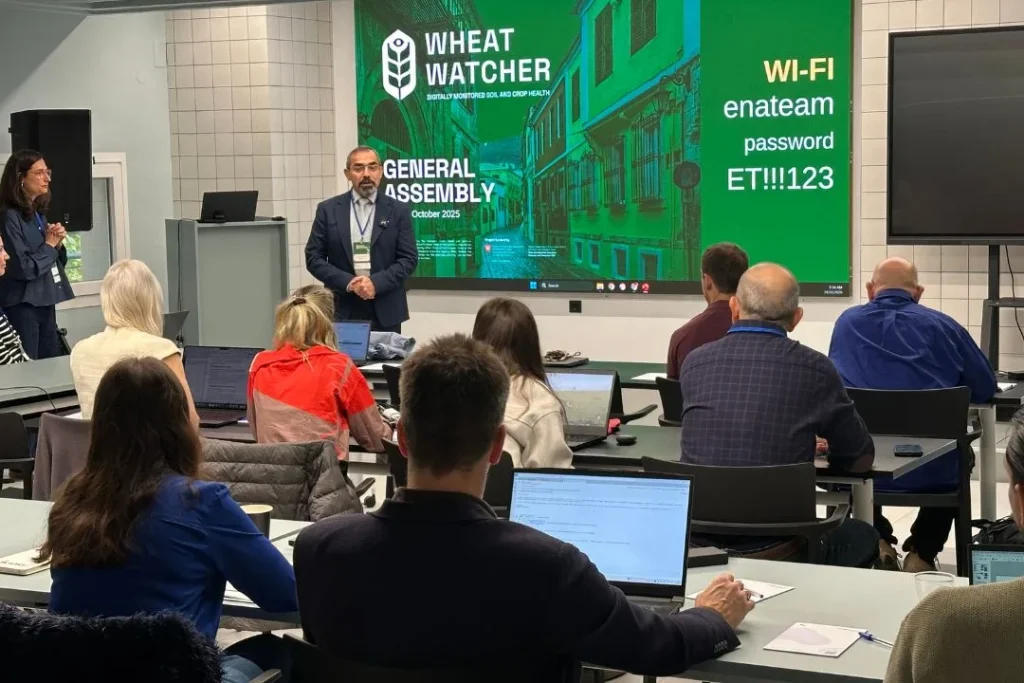
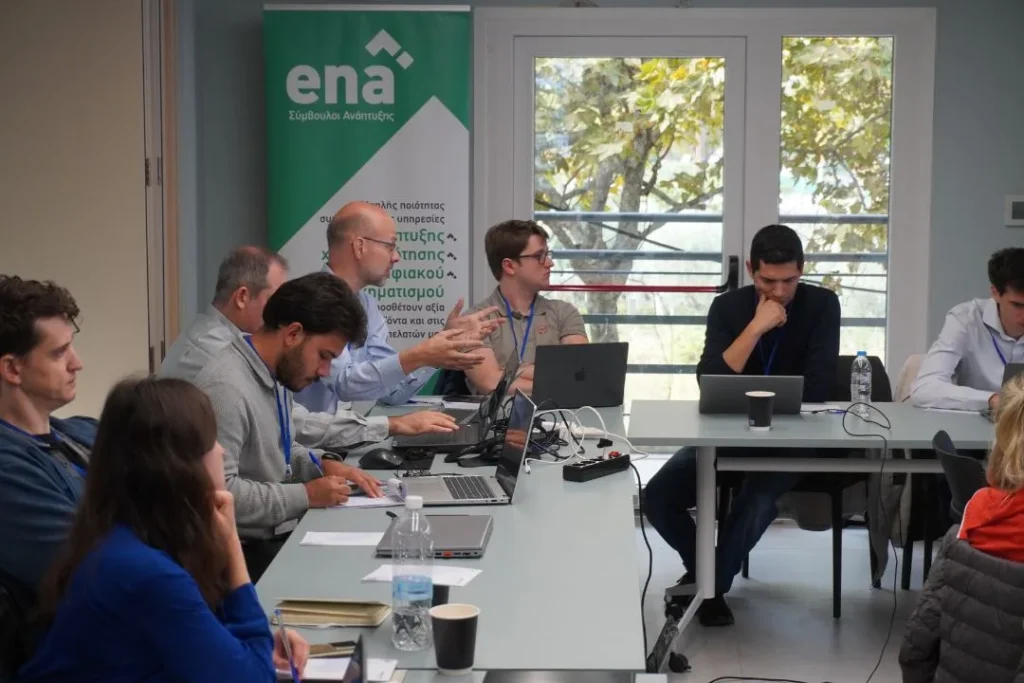
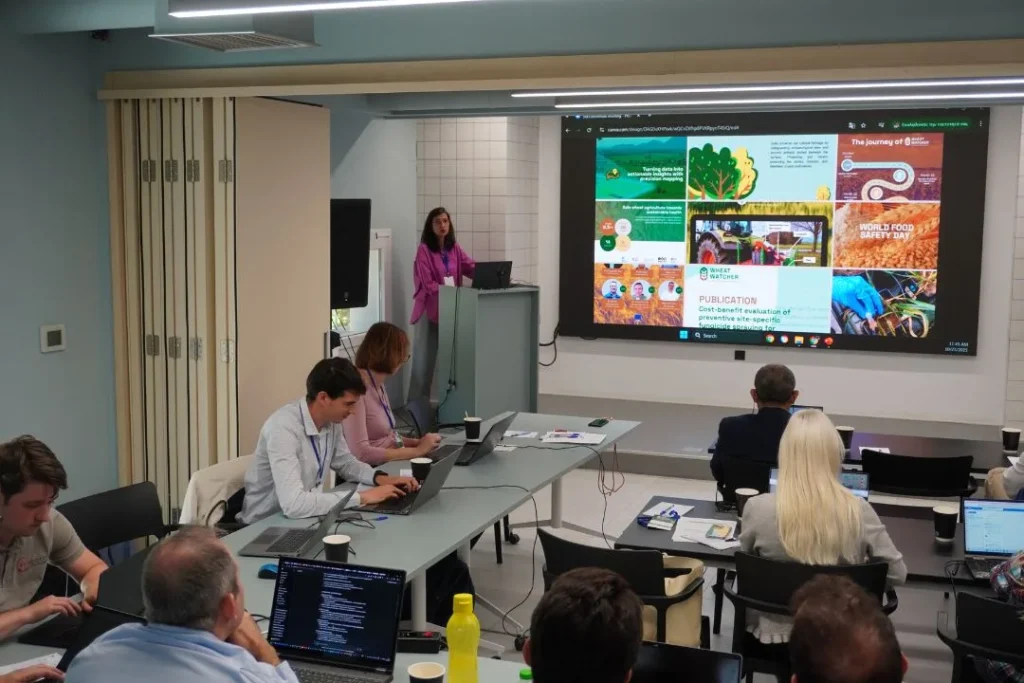
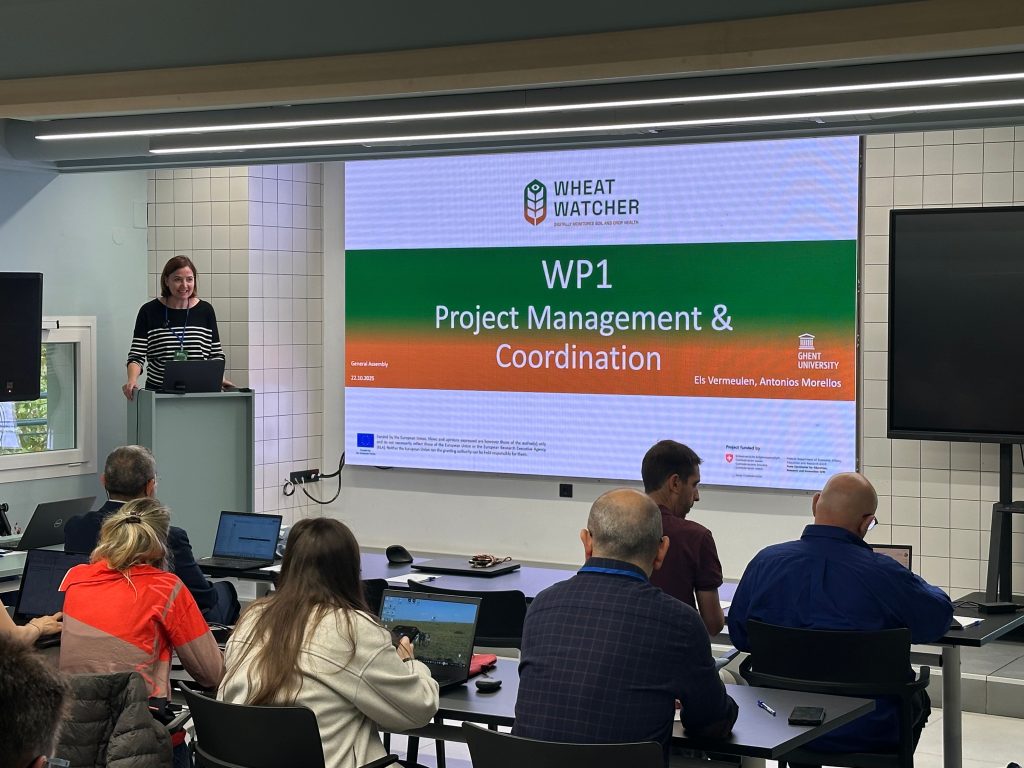
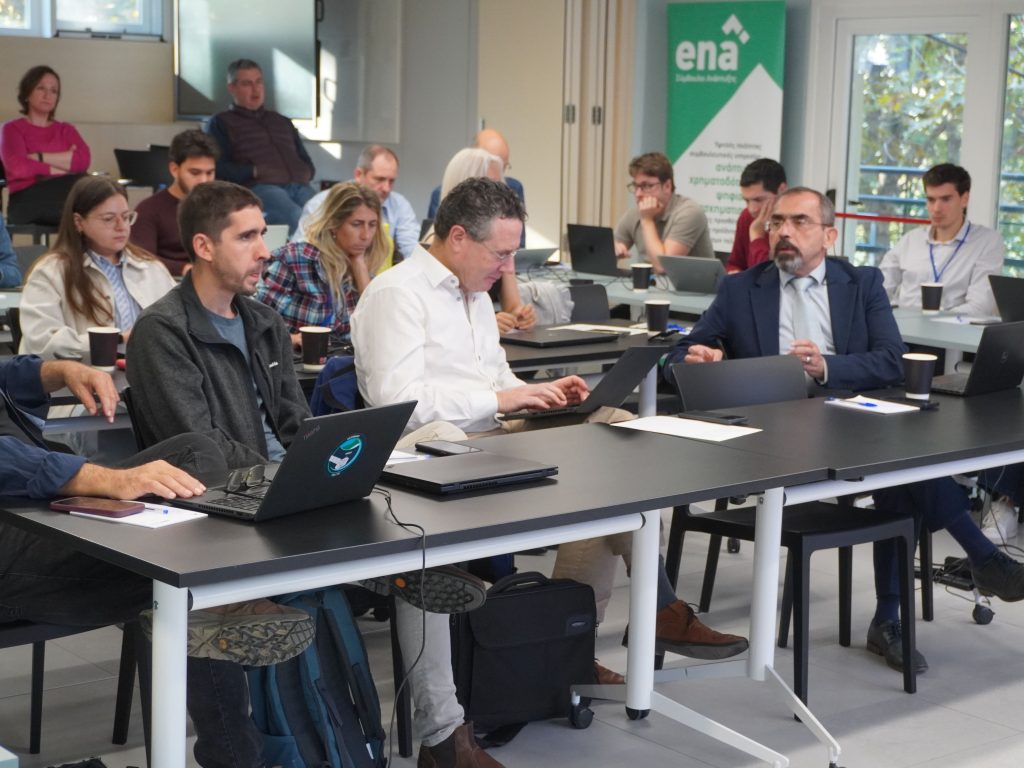
WHEATWATCHER general assembly in Xanthi, Greece

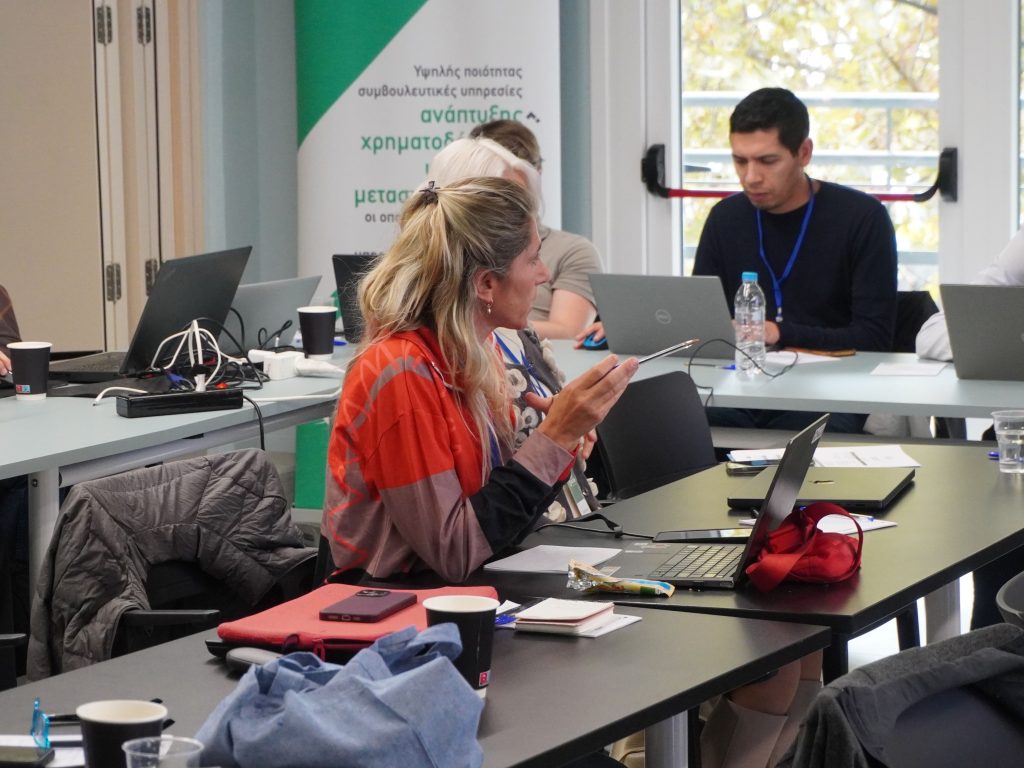
From 22–24 October 2025, the WHEATWATCHER consortium met in Xanthi, Greece, bringing together 14 partners from nine countries. Hosted by ena Development Consultants, our partner leading WP8, the gathering marked a key milestone in the project’s journey to improve soil and crop health across Europe.

Day 1 – Technical progress & innovation

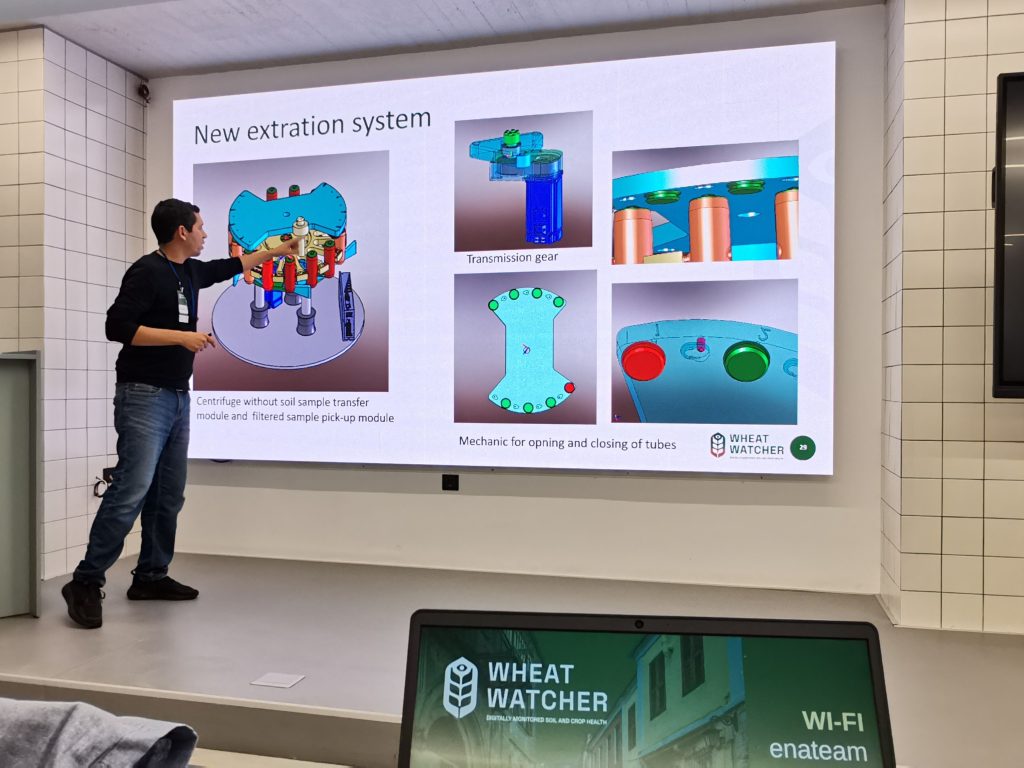
The first day was dedicated to the technical backbone of the project. Work Packages WP1 through WP5 presented research results, pilot-site data, and technology updates encompassing soil monitoring platforms, data integration, microbiome analysis, hyperspectral tools, and modelling frameworks. This intensive session underlined the scientific depth and cross-disciplinary collaboration at the heart of WHEATWATCHER.

Day 2 – Traceability, stakeholder engagement & synergies

The second day was dedicated to three key Work Packages: WP6 (Demonstration), WP7 (Food Traceability), and WP8 (Dissemination & Exploitation).

Discussions centered on the current status of field campaigns across pilot sites, the development of food quality and safety indicators, and insights from the stakeholder survey shaping WHEATWATCHER’s traceability framework. WP8 presented the project’s first-year communication and dissemination performance, with a special emphasis in collaboration and synergy with other Mission Soil projects.

The day also featured online presentations from sister Mission Soil projects — E-SPFdigit (project coordinator dr. Ria Pechlivani) and InBestSoil (project manager Mr. Javier González de Rivera Outomuro), highlighting opportunities for synergy and shared innovation across the Mission Soil community.

Day 3 – From discussion to experience

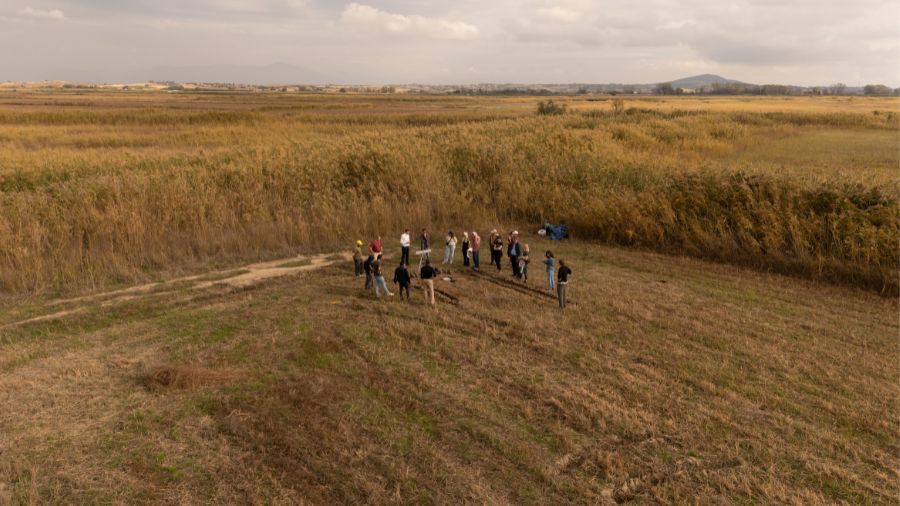
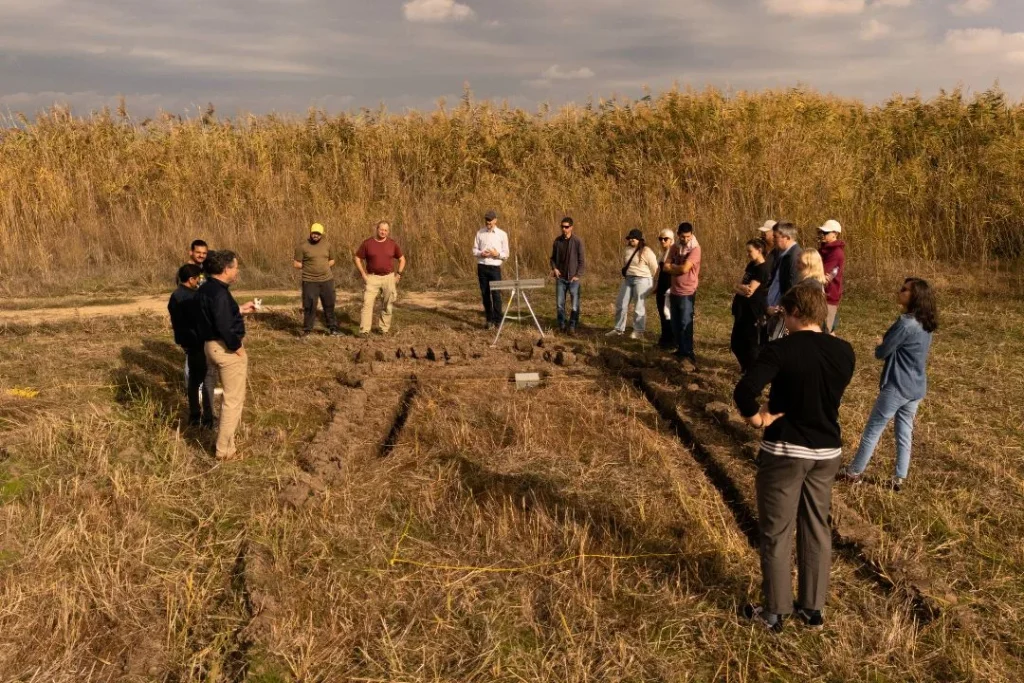
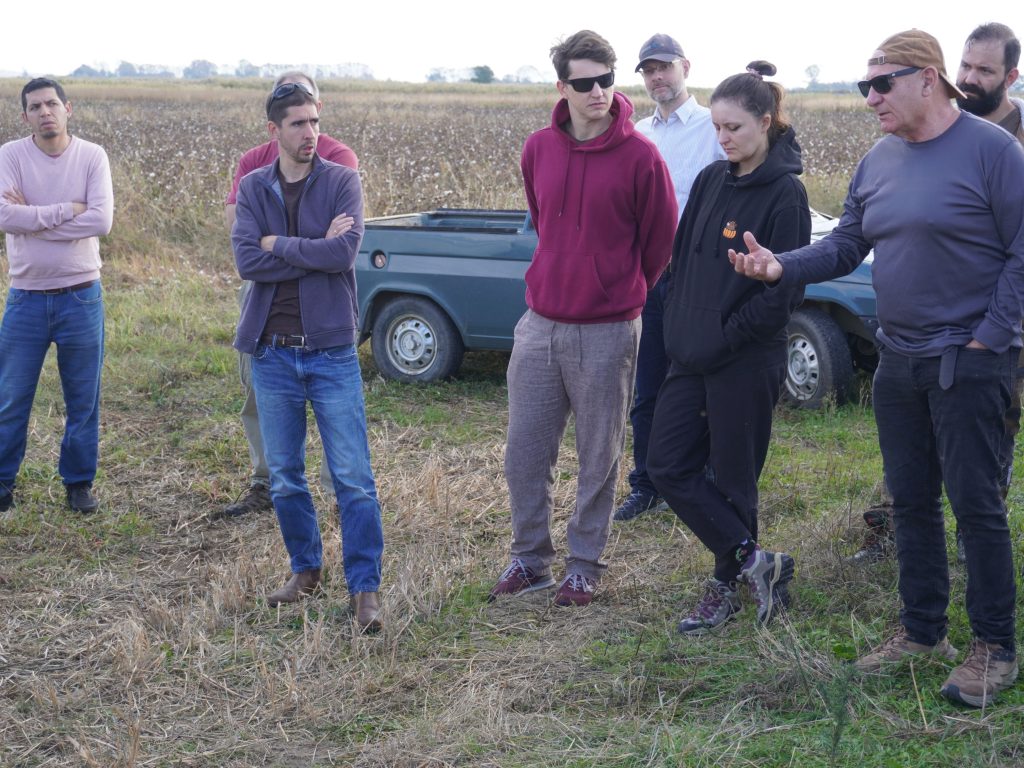
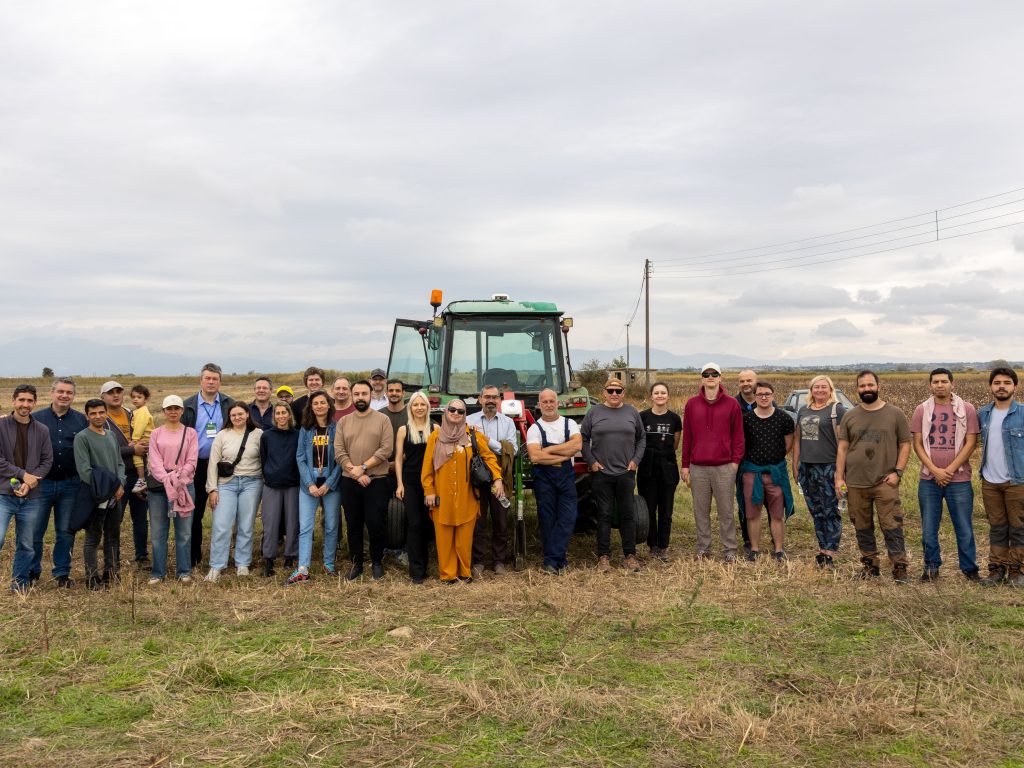
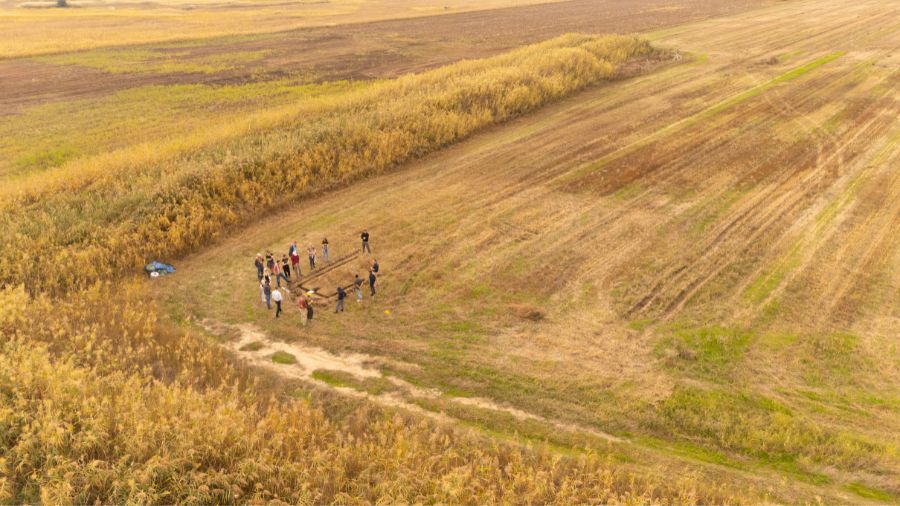
The final day brought partners into the field at the Greek pilot site near Nestos river area, where they observed soil monitoring technologies in action and explored real-world challenges such as salinity and nutrient management in Mediterranean agriculture.

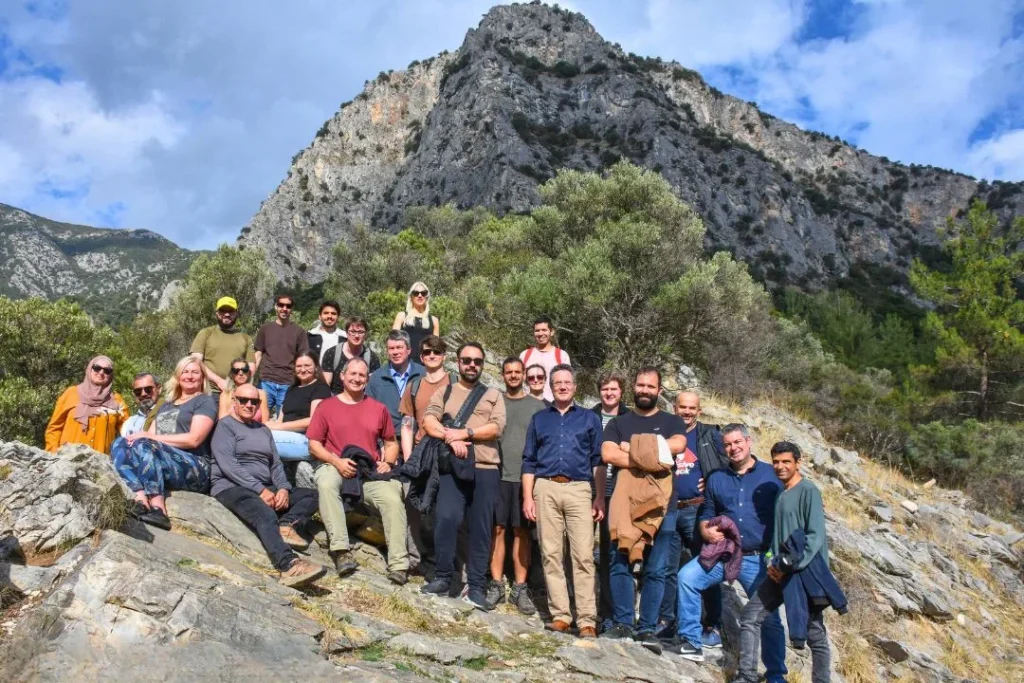
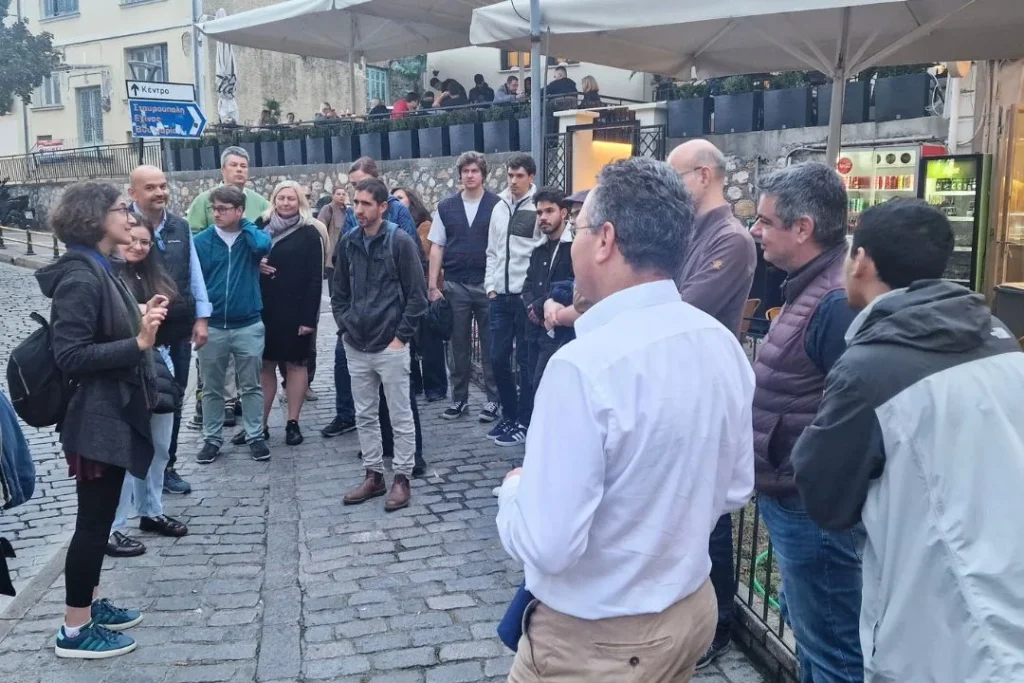
The day concluded in a more relaxed atmosphere, with rafting and hiking through the scenic Nestos Gorge, offering participants a memorable experience that blended teamwork, nature, and the spirit of collaboration that defines WHEATWATCHER.

What’s Next?

Thanks to the confirmed success of the GA meeting, the WHEATWATCHER roadmap moves full speed ahead. Over the coming months we will:

  • Finalise installation and calibration of monitoring systems across pilot sites for operational rollout
  • Advance data-warehouse and cloud-based decision-support tools for real-time monitoring
  • Strengthen stakeholder engagement and prepare for large-scale demonstration campaigns
  • Leverage new synergies with Mission Soil initiatives and industry-partners to maximise impact and uptake

The Xanthi meeting reaffirmed that the WHEATWATCHER journey is not just about cutting-edge science, it is about connecting research to real agricultural practice. 

Thank you to all partners, researchers, farmers and stakeholders who joined us in Greece and contributed to a productive and inspiring General Assembly.

Until next time!

Soil sampling begins in Greece

Soil sampling begins in Greece

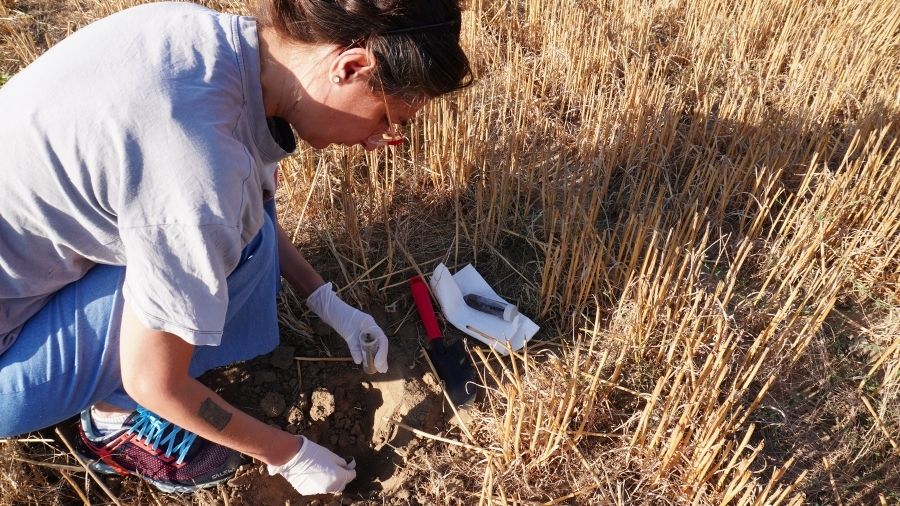
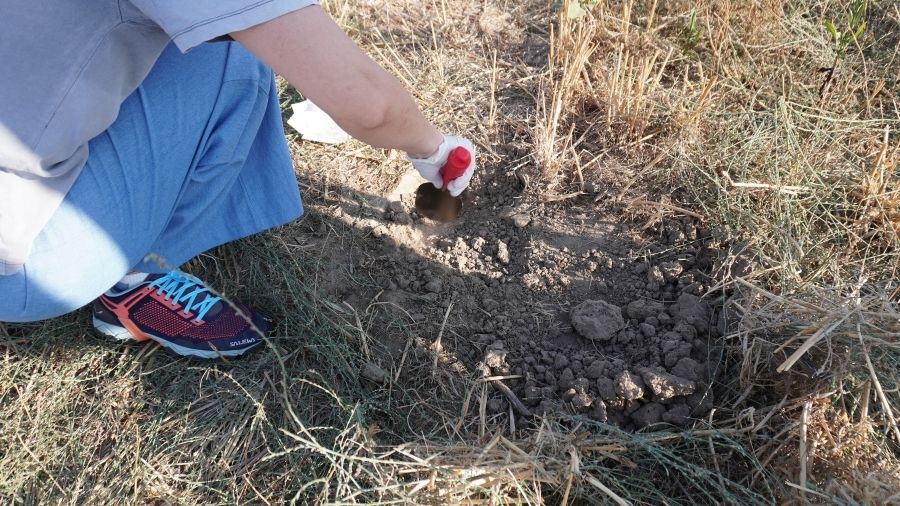
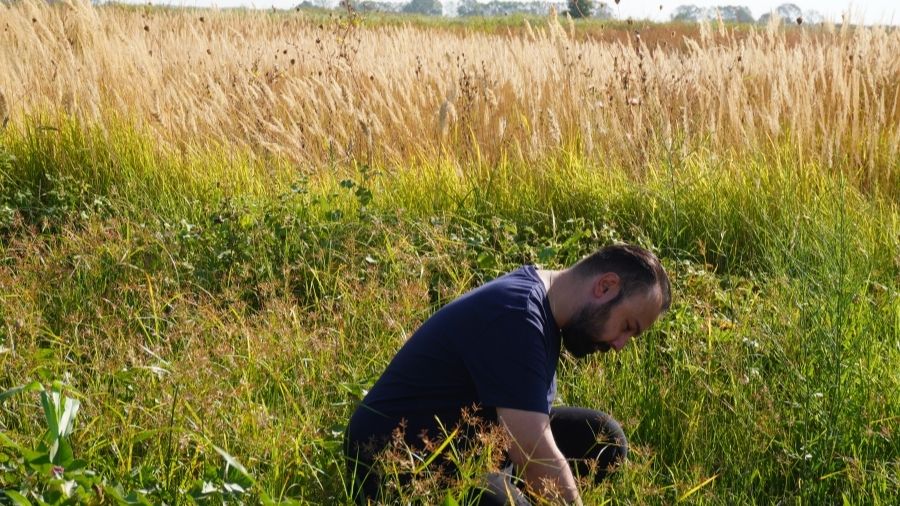
As part of WHEATWATCHER’s commitment to advancing sustainable agriculture across Europe, soil sampling has officially begun at our Greek pilot site in the Nestos river catchment, Eastern Macedonia and Thrace. This marks a major milestone in our mission to develop precision tools for healthier soils, optimized nutrient management, and safer food production.

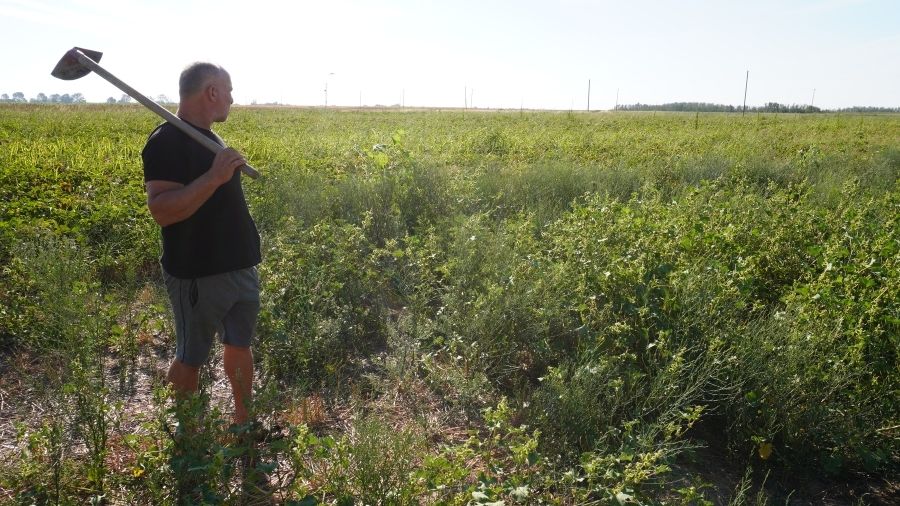
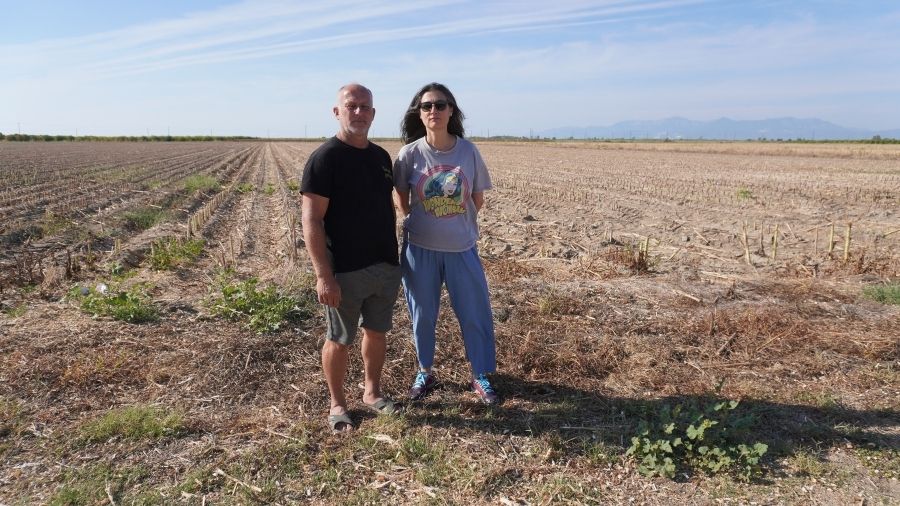
The pilot site is coordinated by ena Development Consultants and located near Maggana, a region well-known for its agricultural output. It is part of a conventional mixed cotton and wheat field managed by a local farmer. The field has been selected due to its high soil salinity, making it an ideal testbed for digital solutions.

In Greece, WHEATWATCHER is focusing on monitoring salinity stress, a critical problem for crop performance and long-term soil health.

The ena team, in collaboration with project partners, is currently carrying out:

  • Soil sampling across multiple grid points to capture spatial variability
  • Collection of soil samples for microbiome and chemical analysis

These efforts support the broader goal of validating WHEATWATCHER’s stationary, mobile, and remote sensing technologies under real-world field conditions.

As the wheat grows, the Greek pilot will continue to contribute valuable insights into how digital tools can support climate-smart farming across Europe.

Stay tuned as the season unfolds and WHEATWATCHER’s innovations take root in the fields of Thrace.

Skip to content