Tag: FHNW

WHEATWATCHER stationary sensor installations

Robotic-Based Sensing and Sampling

The WHEATWATCHER project continues to advance its field monitoring activities with new stationary sensor installations in Germany and Lithuania, strengthening the collection and accessibility of environmental and soil data across Europe.

Following the recent WHEATWATCHER Consortium Meeting in Rostock, project partners carried out further sensor deployment activities, while a remotely coordinated installation in Lithuania marked another step in supporting the implementation of monitoring technologies across different locations.

Led by the expertise of the University of Applied Sciences and Arts Northwestern Switzerland (FHNW), these activities contribute to WHEATWATCHER’s objective of combining continuous field measurements with accessible digital data infrastructure.
Installing stationary sensors in Germany

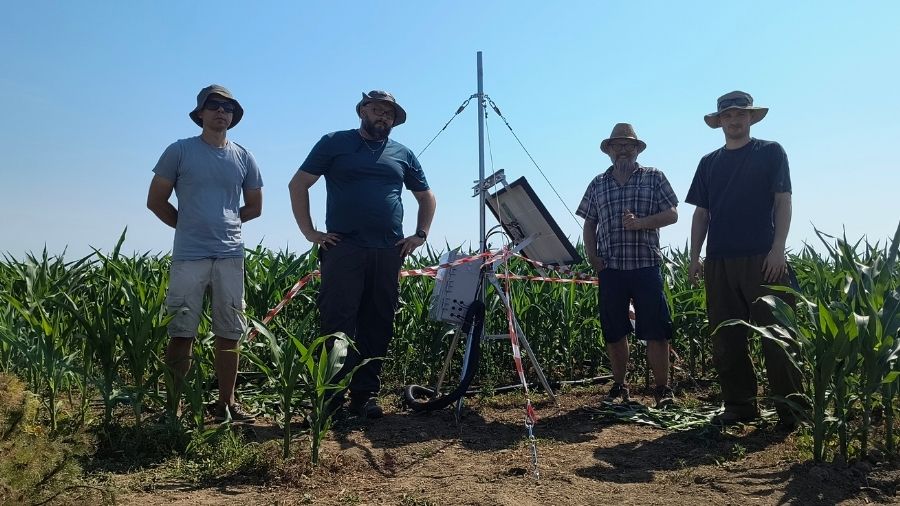
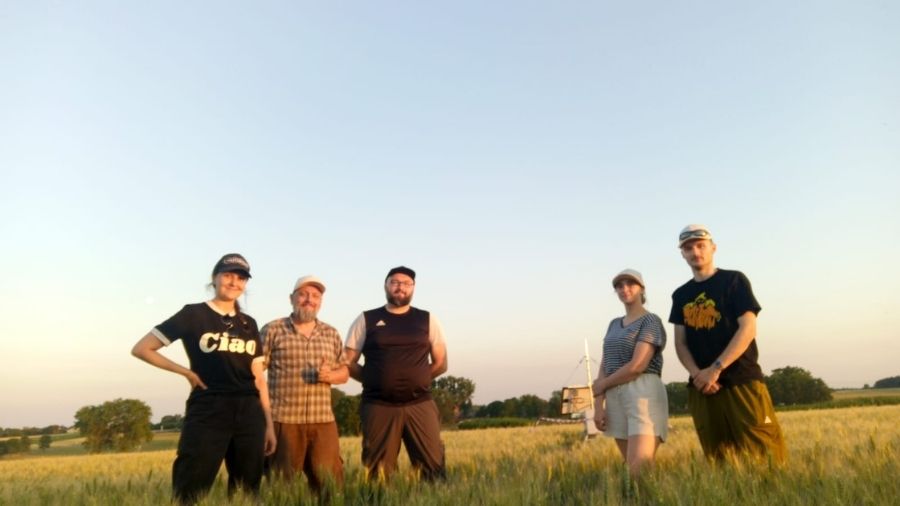
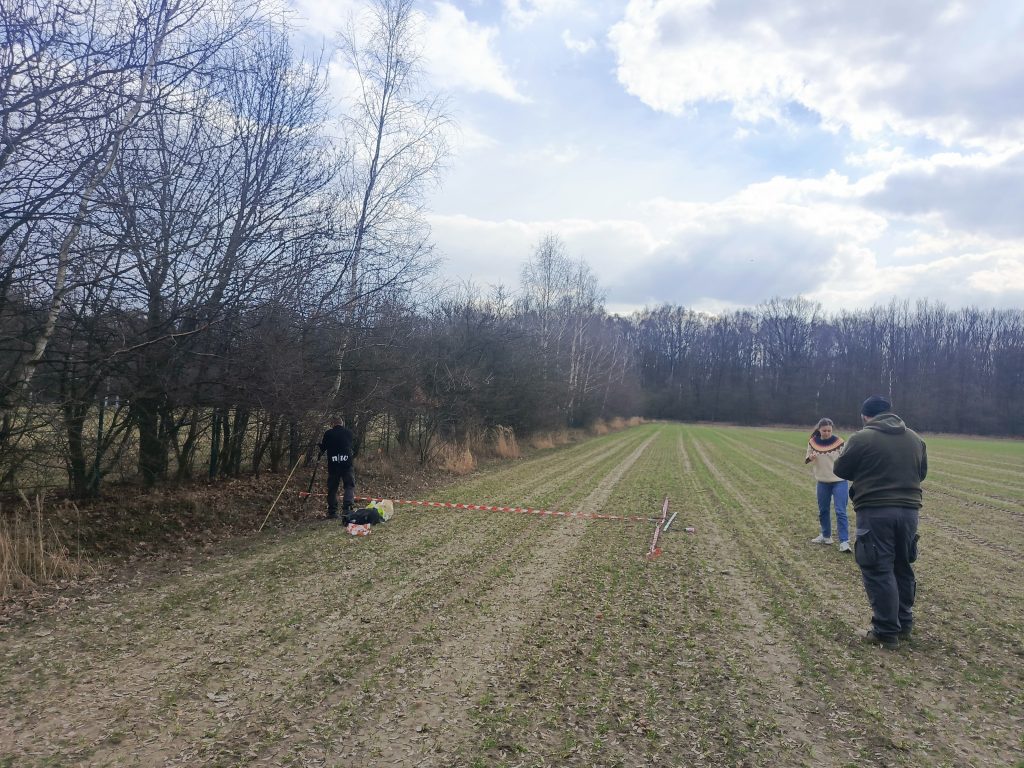
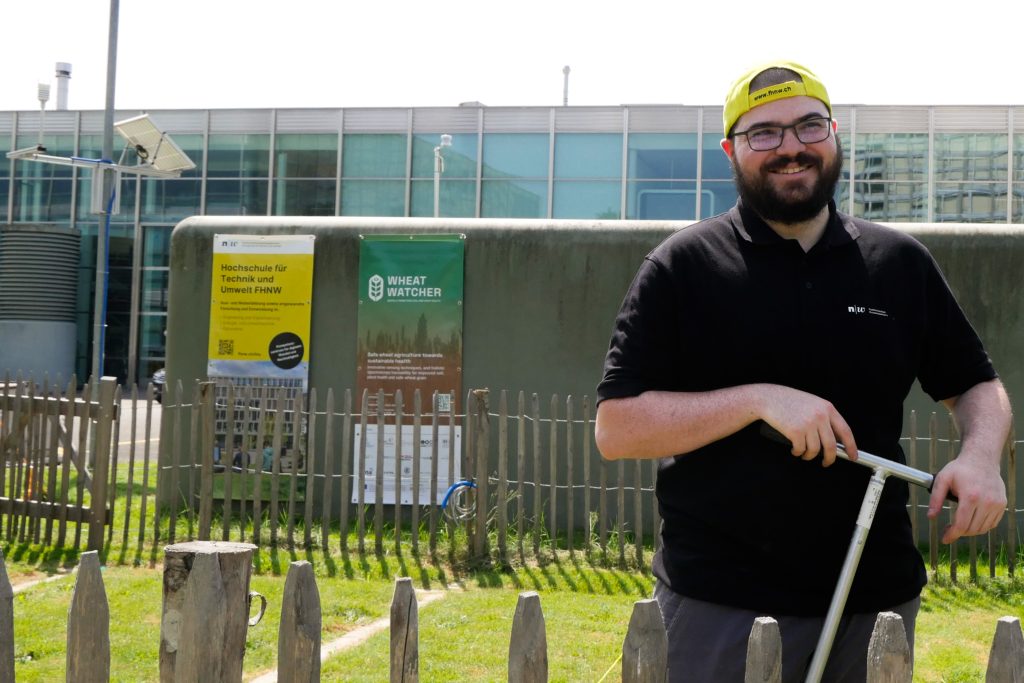
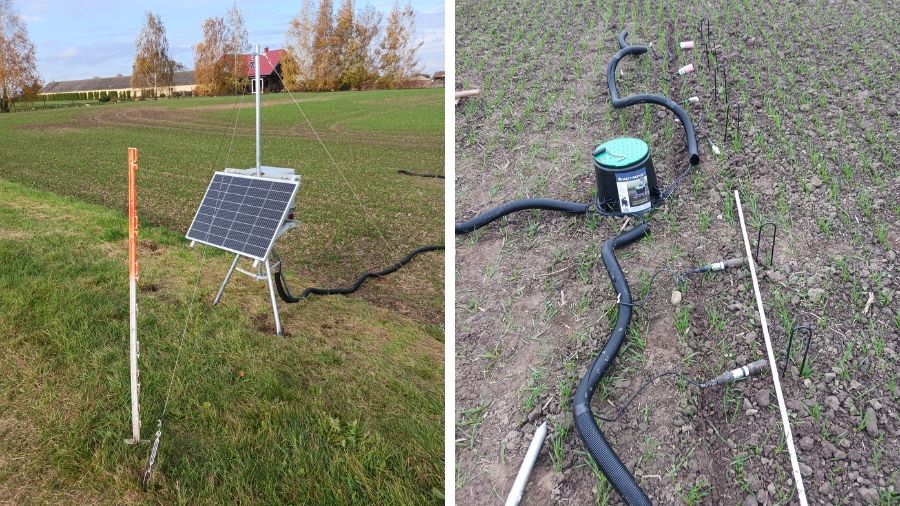
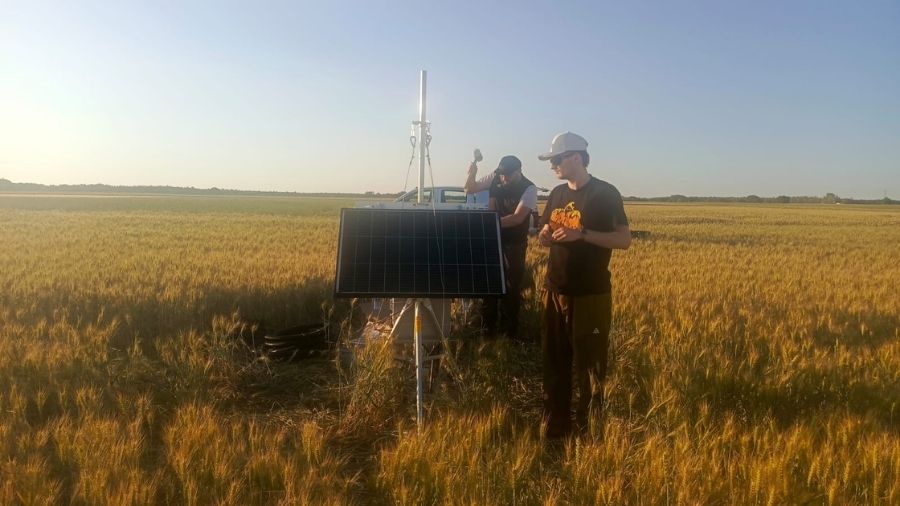
Following the WHEATWATCHER consortium meeting and field trip to the Demmin pilot area on 7 October 2026, Fabricio Parrillo (FHNW), Thomas Piernicke and Mehdi Saberioon (GFZ) carried out the installation of stationary sensor systems in Germany.

The activity built on the consortium’s discussions in Rostock, where partners reviewed progress in sensing technologies, field measurements, data integration and the development of digital monitoring tools.

Stationary sensor systems play an important role in the project’s monitoring approach. Unlike mobile sensing platforms, which collect measurements during specific field operations, stationary systems are designed to continuously monitor environmental and soil conditions over time.

Within WHEATWATCHER, these technologies support the measurement of parameters such as soil moisture, temperature and electrical conductivity, alongside atmospheric conditions.

Continuous observations help researchers examine how soil and environmental conditions change over time, providing valuable information for interpreting field measurements and supporting further analysis.

A remotely coordinated installation in Lithuania

The project’s sensor deployment activities also progressed in Lithuania.

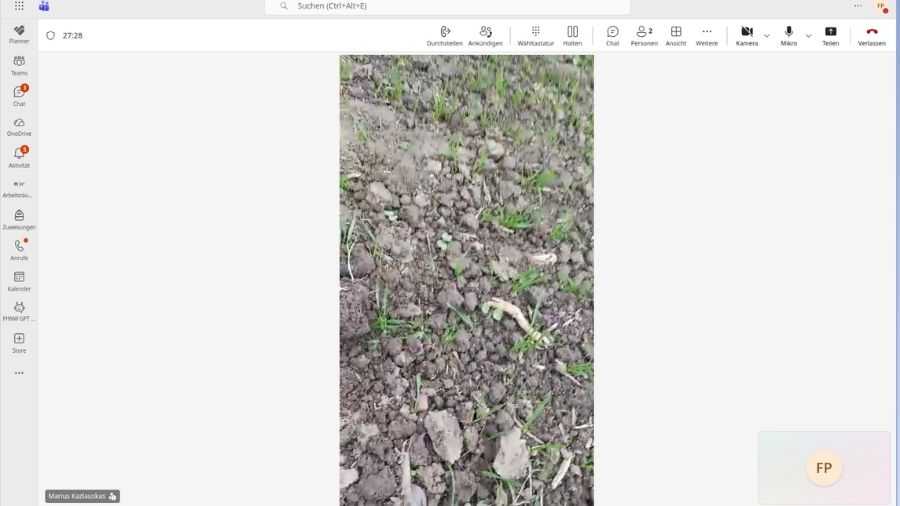
On 20 October 2026, Marius conducted the first remotely coordinated station installation through Microsoft Teams.

This activity demonstrated an alternative approach to installing monitoring equipment, allowing technical coordination and support to take place remotely rather than requiring all specialists to be physically present at the installation site.

Remotely supported installations can provide practical advantages for research projects operating across multiple European locations, particularly when coordinating technical expertise between partners.

The experience also contributes to WHEATWATCHER’s broader effort to develop monitoring solutions that can be implemented and supported in different field environments.
Connecting field measurements through the WHEATWATCHER Portal

An important aspect of these installations is not only the collection of measurements, but also how the resulting data can be accessed and used.

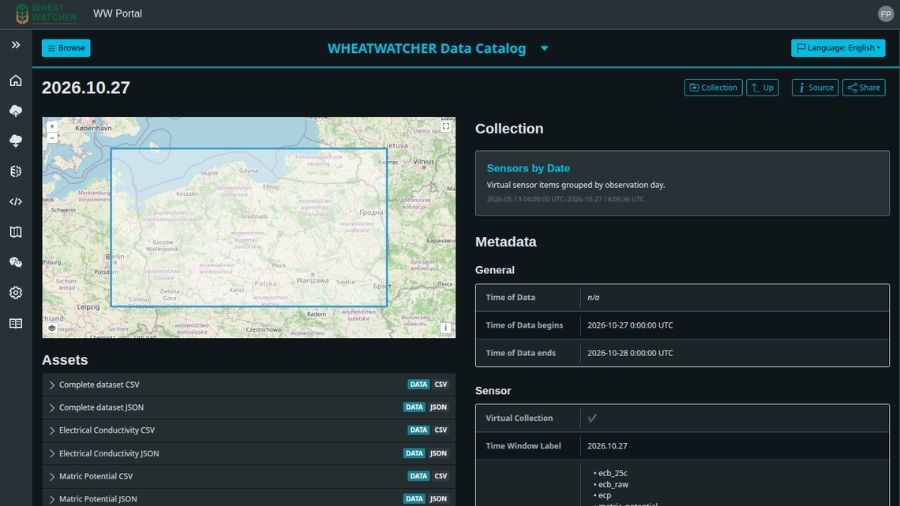
According to the FHNW team, data from the monitoring systems are made available through the WHEATWATCHER Portal, providing project partners with access to information collected through the project’s monitoring infrastructure.

The platform supports researchers and modellers in exploring available datasets and incorporating relevant measurements into their scientific work.

A key component of this approach is the use of SpatioTemporal Asset Catalogs (STAC), a standard for organising and describing data associated with specific locations and times.

Through the STAC Browser, project partners can explore available datasets, while the STAC API enables programmatic access for integration into modelling and data processing workflows.

This approach helps make monitoring information easier to discover and use across different research activities.

By connecting field measurements with digital data management tools, WHEATWATCHER supports the transition from individual sensor observations towards a more integrated approach to agricultural monitoring.
From continuous monitoring to better agricultural knowledge

The stationary sensor installations are part of WHEATWATCHER’s wider strategy to combine different sources of information, including field measurements, laboratory analyses, proximal sensing and remote sensing data.

Through this integrated approach, the project aims to improve understanding of soil properties, environmental conditions and factors influencing wheat development.

The information gathered from stationary sensors can contribute to modelling and mapping activities and support the continued development of WHEATWATCHER’s digital Decision Support System (DSS).

By making data available to researchers and project partners through a shared infrastructure, the project is working towards more consistent and informed assessments of agricultural conditions.

WHEATWATCHER pilot sites in Poland

Stationary sensors installed at WHEATWATCHER Pilot Site in Poland

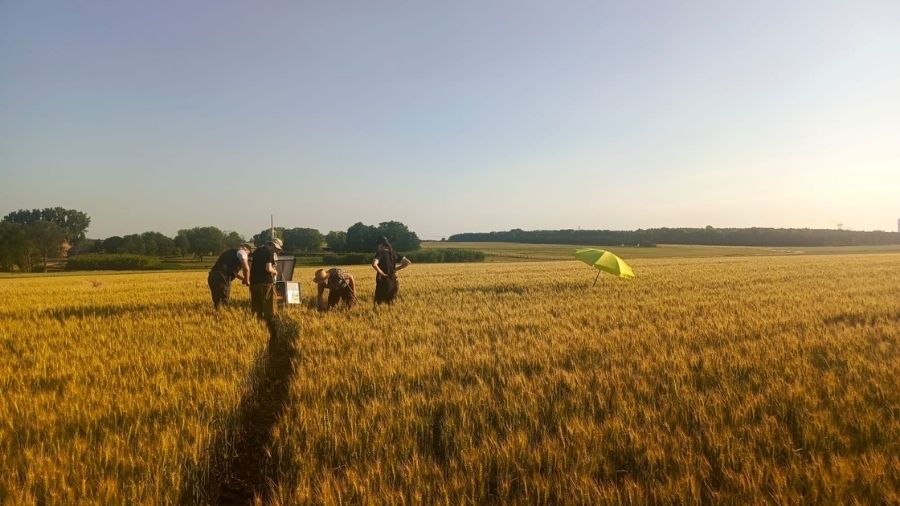
As part of WHEATWATCHER’s pilot site activities, project partner IUNG-PIB, The Institute of Soil Science and Plant Cultivation, has completed field installations in Poland together with the team from FHNW, the University of Applied Sciences and Arts Northwestern Switzerland.

The work focused on the installation of monitoring stations designed to collect continuous data on key soil parameters, supporting WHEATWATCHER’s wider goal of developing an integrated system for soil and crop health monitoring.

Fieldwork to collect continuous data on key soil parameters, supporting across Polish pilot sites

The fieldwork was carried out by IUNG-PIB in collaboration with FHNW, which contributes expertise in sensors, data analytics and IoT technology to the project.

Together, the teams installed stations to monitor important soil parameters, including:

  • Soil pH
  • Electrical conductivity
  • Soil moisture

These parameters are essential for understanding soil conditions, detecting potential stressors and supporting more informed decisions in wheat production.

Installation locations

The monitoring stations were installed at three locations in Poland:

  • One reference station at the “Kępa” Agricultural Research Station in Osiny
  • Two stations at the pilot site in Siemianowice Śląskie, located on potentially contaminated soils

This setup allows WHEATWATCHER to monitor soil conditions in both a reference location and areas where soil contamination may present specific challenges for crop production and soil health.

Continuous data for soil monitoring

The newly installed sensors are an important part of the project’s research infrastructure.

By enabling production and soil health.

Continuous data for soil a continuous flow of data, the stations will support more accurate tracking of changes occurring in the soil environment. This is particularly important for identifying shifts in soil conditions and understanding how potential stressors may affect wheat crops over time.

The collected data will contribute to the European soil monitoring platform and support WHEATWATCHER’s work on connecting field observations with advanced analytics and decision-support tools.

Supporting faster response to soil and crop stressors

Monitoring soil pH, electrical conductivity and moisture can provide valuable insights into soil status and crop growing conditions.

Soil pH influences nutrient availability and plant development. Electrical conductivity can help indicate changes related to salts or other dissolved substances in the soil. Soil moisture is a key factor for crop growth, stress detection and water-related field management decisions.

By continuously monitoring these parameters, WHEATWATCHER partners can better understand soil dynamics at the pilot sites and support faster responses to potential stressors affecting wheat crops.

A step towards integrated decision support

The installation of the new sensor stations in Poland represents another step towards building a modern, integrated monitoring system for agriculture.

By combining field-based sensors, data analytics and IoT technologies, WHEATWATCHER aims to transform soil and crop data into practical information that can support farmers in their decision-making.

This work also strengthens the project’s broader approach: connecting different monitoring technologies, pilot site data and scientific expertise to support healthier soils, safer crops and more sustainable wheat production systems.

The fieldwork in Poland highlights the strong collaboration between WHEATWATCHER partners and the importance of real-world pilot site activities in developing digital tools for the future of agriculture.

Stationary Sensors Installed at the Belgian Pilot Site

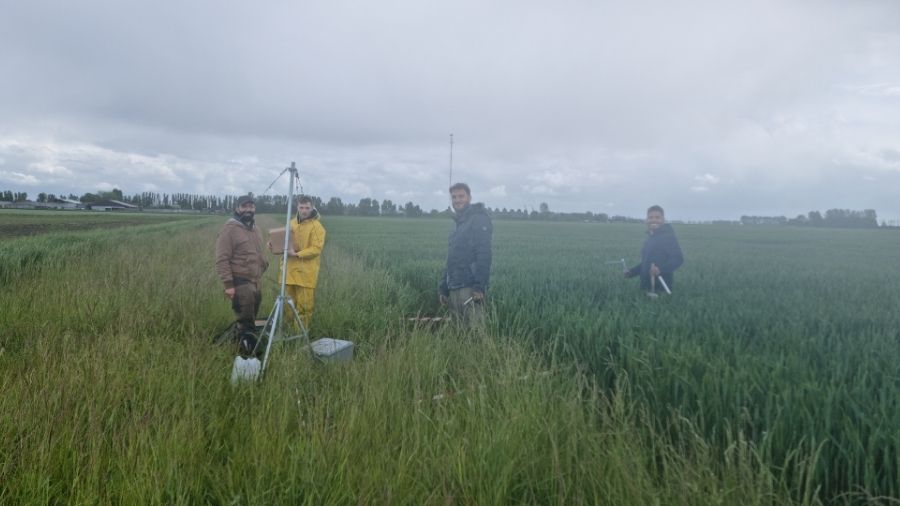
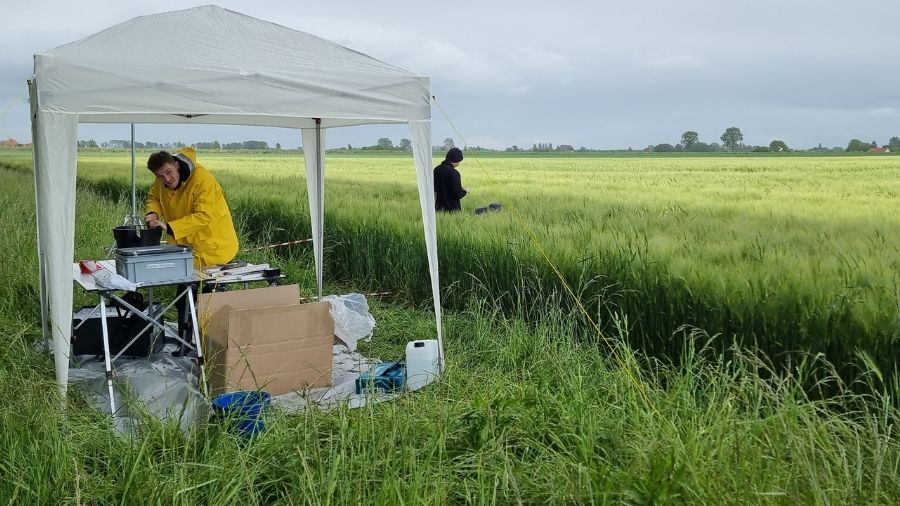
WHEATWATCHER partners University of Applied Sciences and Arts Northwestern Switzerland and Ghent University have completed the installation of stationary sensor stations at the project’s Belgian pilot site near Veurne, Belgium.

The installation marks an important step in the project’s work to collect continuous, field-based data on soil conditions and support the development of data-driven monitoring tools for soil and crop health.

Three autonomous monitoring stations deployed

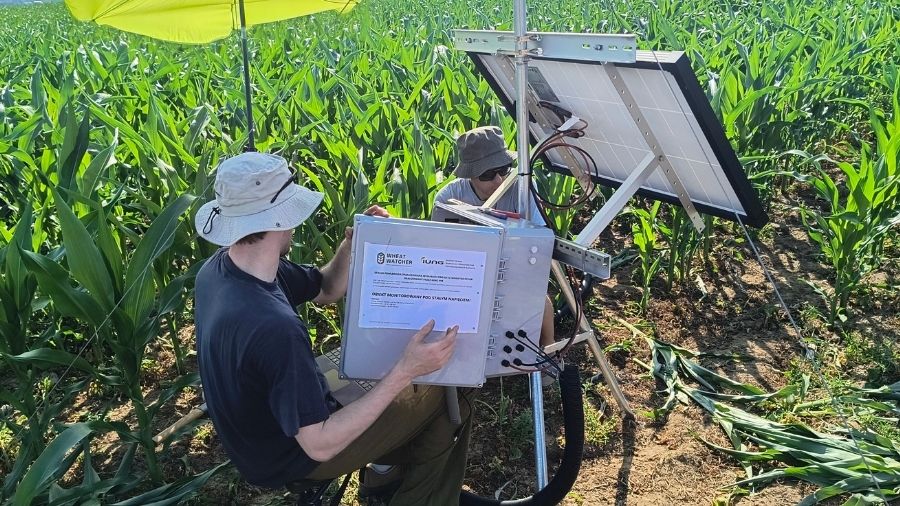
During May and June 2026, three autonomous, solar-powered datalogger stations were installed across two agricultural fields in the Veurne area.

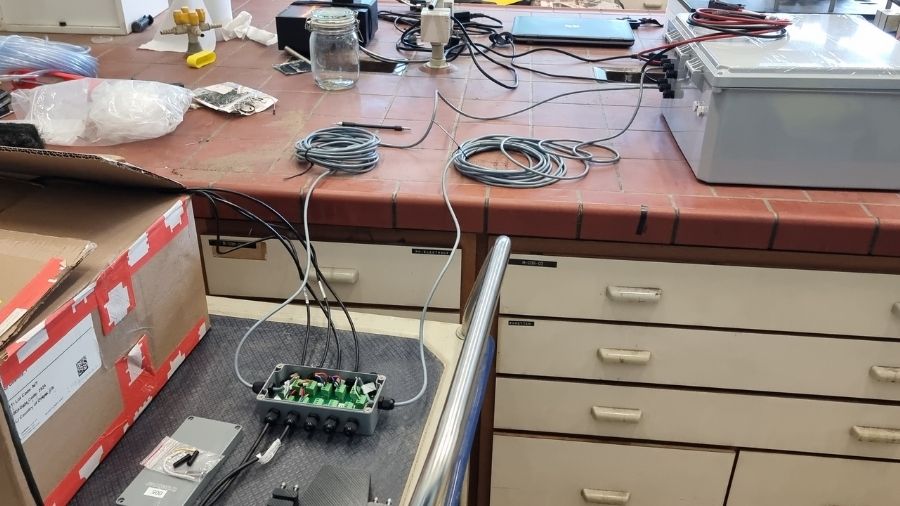
Each station is equipped with six soil sensors:

  • 2 TEROS 22 sensors for soil moisture and temperature
  • 2 HydraProbe sensors for soil moisture, temperature and electrical conductivity
  • 2 NiuBol pH sensors for soil pH and temperature

The stations are powered by solar panels and LiFePO4 batteries, allowing them to operate autonomously in the field. Data are transmitted continuously through the GSM network.

The three monitoring stations were installed across two WHEATWATCHER pilot fields:

  • Fabrieke Veurne 1 (004), located in WW-BE-Fabrieke
  • Fabrieke Veurne 2 (005), located in WW-BE-Fabrieke
  • LDR Veurne 3 (006), located in WW-BE-Langs-de-Route

This setup allows the project to collect soil data from different locations within the Belgian pilot area and monitor variations in field conditions over time.

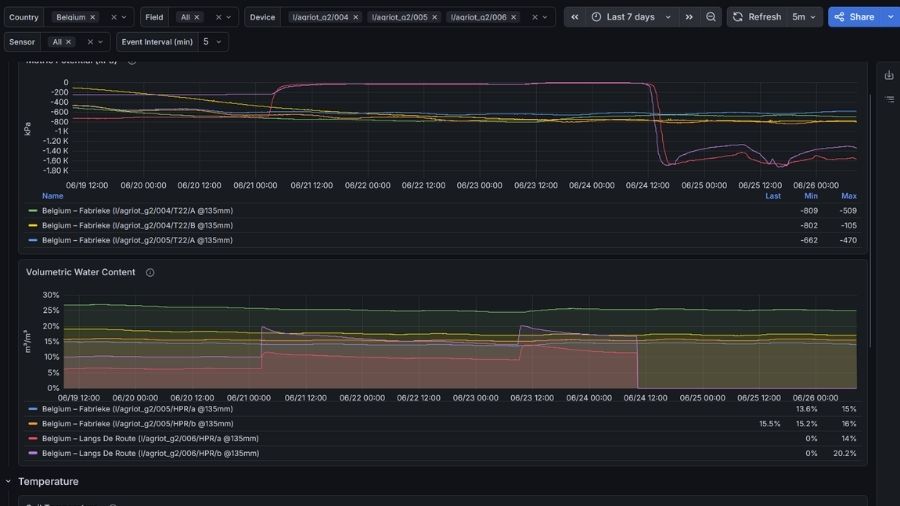
The stationary monitoring stations provide measurements every five minutes at a depth of 13.5 cm.

The collected parameters include:

  • Soil moisture
  • Soil temperature
  • Soil pH
  • Electrical conductivity

These measurements are essential for understanding how soil conditions change over time and how they may influence crop development, soil health and field management decisions.

From installation to reliable data transmission

Following the initial deployment, data transmission was temporarily affected by limited GSM connectivity at the site.

The issue was resolved in June by improving the antenna configuration. All three stations are now operating reliably and transmitting data continuously.

This ensures that the Belgian pilot site can provide a steady flow of soil data for further analysis and modelling activities within the project.

The data collected from the stationary sensor stations will be used by the project’s modelling teams.

By providing continuous information from the field, the stations contribute to WHEATWATCHER’s wider goal of integrating data from stationary, proximal and remote sensing platforms into a common data pipeline.

This supports the development of tools that can help transform soil and crop measurements into practical insights for more sustainable wheat production.

Building the foundation for data-driven agriculture

The installation of stationary sensors at the Belgian pilot site strengthens WHEATWATCHER’s capacity to monitor soil conditions in real time and connect field measurements with advanced analytics.

Through this work, the project moves one step closer to building an integrated digital monitoring system for healthier soils, improved crop management and smarter agricultural decision-making.

WHEATWATCHER Poland pilot sites

Field activities advance at pilot site in Poland

Introduction

Significant progress has been made in the implementation of the WHEATWATCHER, as field activities at the Polish pilot sites move forward. The IUNG-PIB team has successfully completed an intensive phase of on-site work, laying the foundation for the deployment of advanced soil monitoring technologies.

Over the past few days, the team from IUNG-PIB carried out crucial field visits across two pilot locations in Poland: the pilot site in Silesia and the reference site at RZD Kępa in Osiny.

These visits focused on identifying and selecting the most suitable locations for installing monitoring equipment. Each site was carefully evaluated based on soil conditions, accessibility, and operational feasibility to ensure optimal system performance.

Collaborative effort with FHNW

The activities were carried out in close collaboration with FHNW, a key partner contributing expertise in sensors, data analytics, and IoT technologies.

This collaboration ensures that the deployed systems are not only scientifically robust but also technologically advanced and aligned with real-world agricultural needs.

In addition to the technical setup, the teams addressed key logistical aspects such as transport, scheduling, and fieldwork organisation. These preparations are critical to ensuring that the installation of soil sensing systems proceeds efficiently and without delays.

The field activities were carried out by a dedicated team from IUNG-PIB, including professor Grzegorz Siebielec, Head of Soil Science and Environmental Analyses Department, Dr. Sylwia Pindral and João Augusto Coblinski. Their expertise and on-site work are instrumental in advancing the project’s goals.

The successful completion of this phase marks an important milestone for the WHEATWATCHER project. With pilot sites now prepared and system configurations defined, the project is moving closer to delivering innovative tools that will support farmers and improve soil and crop monitoring across Europe.

Precision for tomorrow: How FHNW’s sensor technology powers WHEATWATCHER

Precision for tomorrow: How FHNW’s sensor technology powers WHEATWATCHER

Wheat is Europe’s most widely cultivated cereal crop known for its adaptability to different climates and soils. But today, soils across Europe are under increasing stress from over-fertilization, chemical inputs, and environmental change. That’s where WHEATWATCHER steps in.

A research mission rooted in innovation

WHEATWATCHER is a Horizon Europe-funded project with a bold objective to understand how soil contaminants, both chemical and biological, affect wheat growth from seed to flour. Through an integrated monitoring approach, the project tracks everything from soil health to grain quality. The goal? To detect and prevent contamination early, ensuring safe food production and sustainable farming practices.

To achieve this, WHEATWATCHER  has established four pilot sites in Germany, Belgium, Poland, and Greece. At each site, advanced digital soil monitoring systems are being deployed to gather real-time data on soil conditions and environmental stressors.

Leading sensor work: The role of FHNW

As a key partner in the WHEATWATCHER project, the University of Applied Sciences and Arts Northwestern Switzerland (FHNW), and more specifically its Institute for Sensor Technology and Electronics, plays a central role in designing and implementing the project’s sensor-based monitoring systems.

FHNW is responsible for all stationary data acquisition from sensors installed in both soil and air. In parallel, the team is developing the cloud-based infrastructure that enables real-time data transmission and processing across the pilot sites. With expertise in embedded systems and IoT, FHNW ensures that sensor data is not only collected but seamlessly integrated into the project’s digital decision support tools.

Over the past five years, the FHNW team has built a precision sensor system specifically tailored to agricultural applications. These sensor networks are installed directly into the soil and the surrounding environment to measure:

  • Soil parameters: moisture, temperature, pH, salinity, and nutrients such as nitrogen, phosphorus, and potassium.
  • Atmospheric conditions: air temperature, humidity, wind speed, rainfall, and solar radiation.

Unlike broader area analyses, the FHNW system performs high-frequency, site-specific measurements, offering precise long-term monitoring of changes in the soil, such as moisture loss or nutrient fluctuations. This complements other technologies used within WHEATWATCHER that cover larger-scale monitoring.

A living laboratory in Switzerland

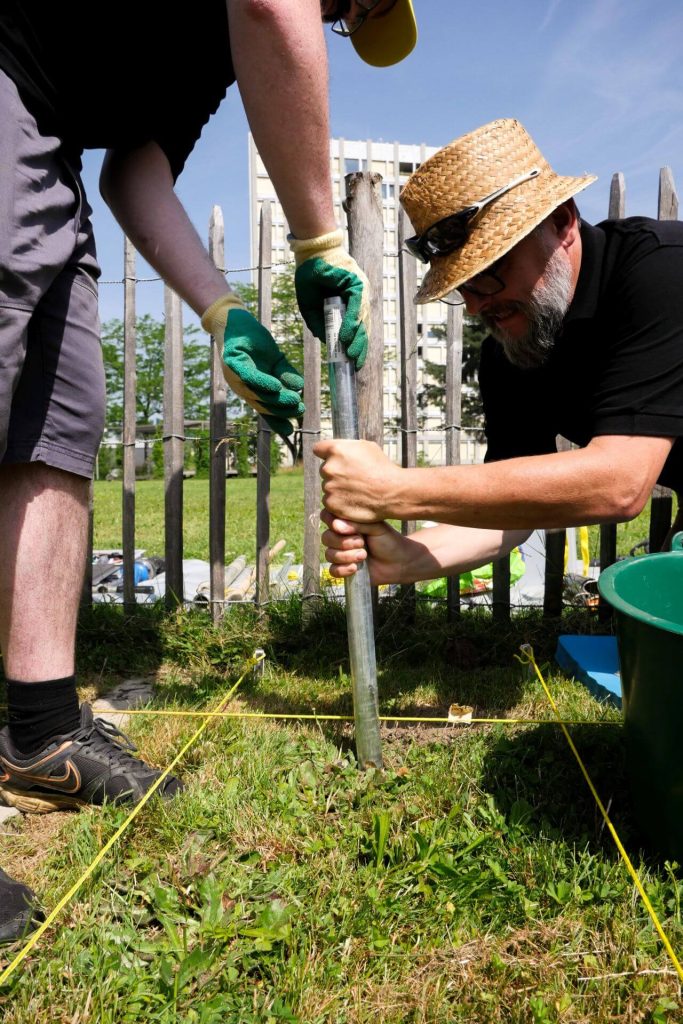
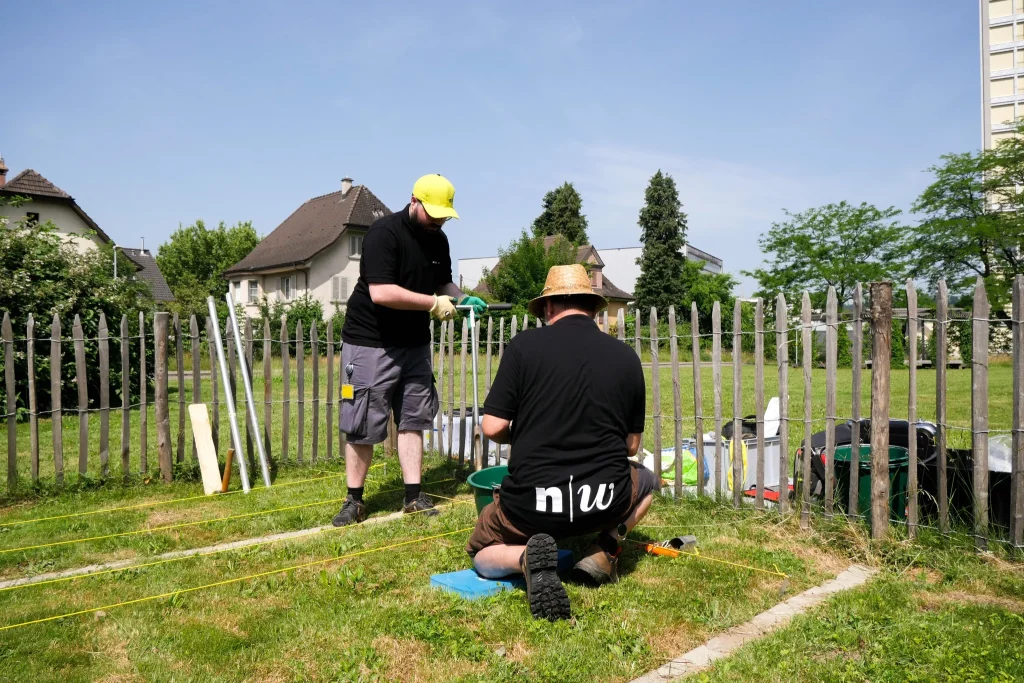
To fine-tune the system, the FHNW team is using its Innovation Garden in Windisch, Switzerland, as a live testing ground. This outdoor lab allows researchers to experiment with various sensor types and calibration methods before rolling them out to the pilot sites.

Simultaneously, the team is developing a sophisticated cloud-based Data Warehouse that collects all field measurements wirelessly. These datasets will support predictive analytics and contribute to real-time decision-making tools within the project.

By autumn 2026, all stations are expected to be fully operational across the pilot countries, helping translate raw data into meaningful insights for farmers, millers, and policymakers alike.

FHNW sensor technology for more sustainable agriculture

In collaboration with institutions like FiBL (Frick), Agroscope (Wädenswil), and the Ebenrain Centre for Agriculture, Nature and Nutrition (Sissach), FHNW is also contributing to optimized irrigation in cherry orchards and sustainable soil management in organic farming.

These initiatives underscore FHNW’s commitment to creating scalable, real-world solutions that bridge cutting-edge science with practical agriculture.

Skip to content