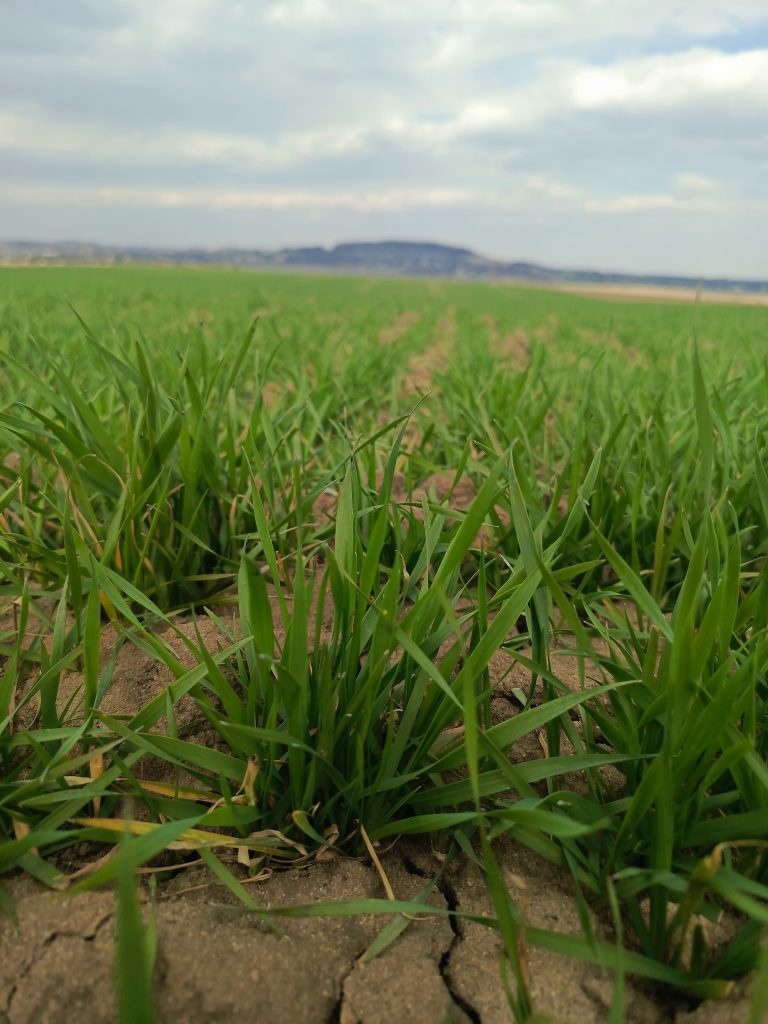
Field activities advance at pilot site in Poland
Introduction
Significant progress has been made in the implementation of the WHEATWATCHER, as field activities at the Polish pilot sites move forward. The IUNG-PIB team has successfully completed an intensive phase of on-site work, laying the foundation for the deployment of advanced soil monitoring technologies.
Over the past few days, the team from IUNG-PIB carried out crucial field visits across two pilot locations in Poland: the pilot site in Silesia and the reference site at RZD Kępa in Osiny.
These visits focused on identifying and selecting the most suitable locations for installing monitoring equipment. Each site was carefully evaluated based on soil conditions, accessibility, and operational feasibility to ensure optimal system performance.
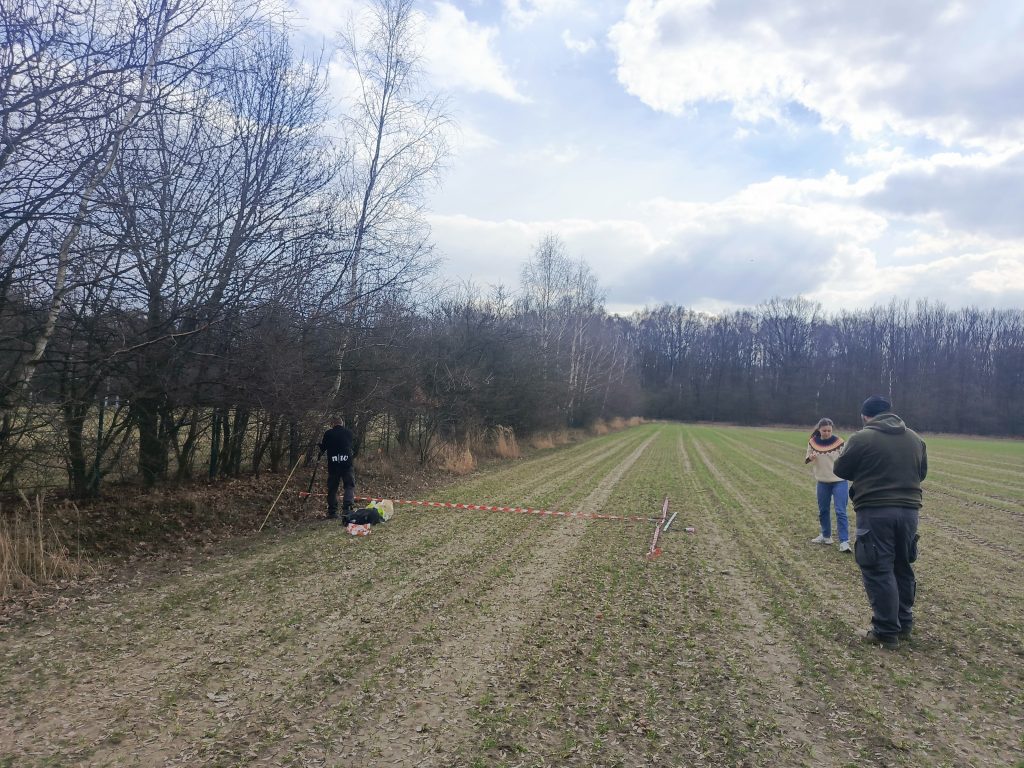
Collaborative effort with FHNW
The activities were carried out in close collaboration with FHNW, a key partner contributing expertise in sensors, data analytics, and IoT technologies.
This collaboration ensures that the deployed systems are not only scientifically robust but also technologically advanced and aligned with real-world agricultural needs.
In addition to the technical setup, the teams addressed key logistical aspects such as transport, scheduling, and fieldwork organisation. These preparations are critical to ensuring that the installation of soil sensing systems proceeds efficiently and without delays.
The field activities were carried out by a dedicated team from IUNG-PIB, including professor Grzegorz Siebielec, Head of Soil Science and Environmental Analyses Department, Dr. Sylwia Pindral and João Augusto Coblinski. Their expertise and on-site work are instrumental in advancing the project’s goals.
The successful completion of this phase marks an important milestone for the WHEATWATCHER project. With pilot sites now prepared and system configurations defined, the project is moving closer to delivering innovative tools that will support farmers and improve soil and crop monitoring across Europe.