Tag: IUNG-PIB

WHEATWATCHER at EUROBIOTECH 2026 in Kraków

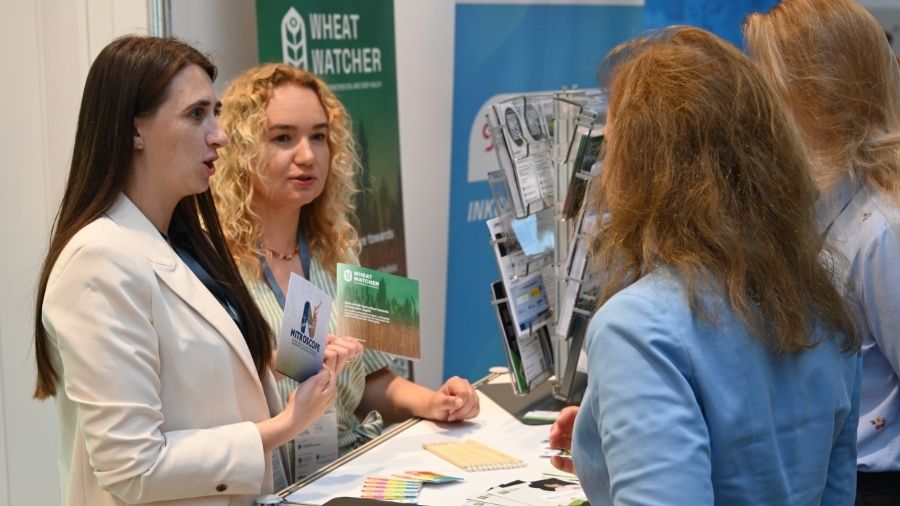
WHEATWATCHER was presented during EUROBIOTECH 2026 in Kraków, Poland, through the participation of project partner IUNG-PIB, The Institute of Soil Science and Plant Cultivation.

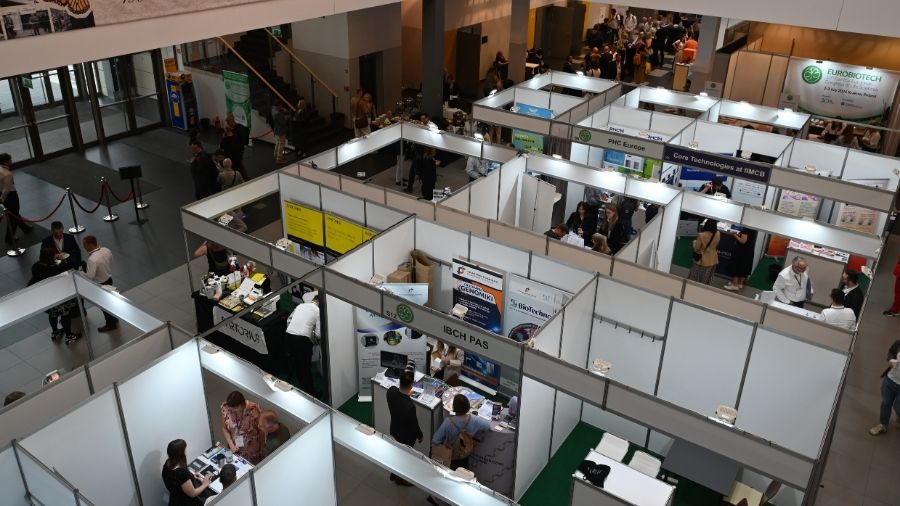
EUROBIOTECH is one of the key scientific events in Central Europe for the life sciences community, bringing together specialists from academia, research and industry. The 2026 congress provided an important opportunity to exchange knowledge on biotechnology, environmental biology, sustainable agriculture and modern monitoring technologies.

IUNG-PIB presenting environmental monitoring and data-driven agriculture

During the congress, IUNG-PIB presented its activities related to modern environmental monitoring and data-driven agriculture at its stand.

As a WHEATWATCHER partner, IUNG-PIB highlighted how the project contributes to the development of advanced approaches for monitoring soil conditions in wheat crops and supporting more precise agronomic decision-making.
WHEATWATCHER and soil monitoring in wheat production

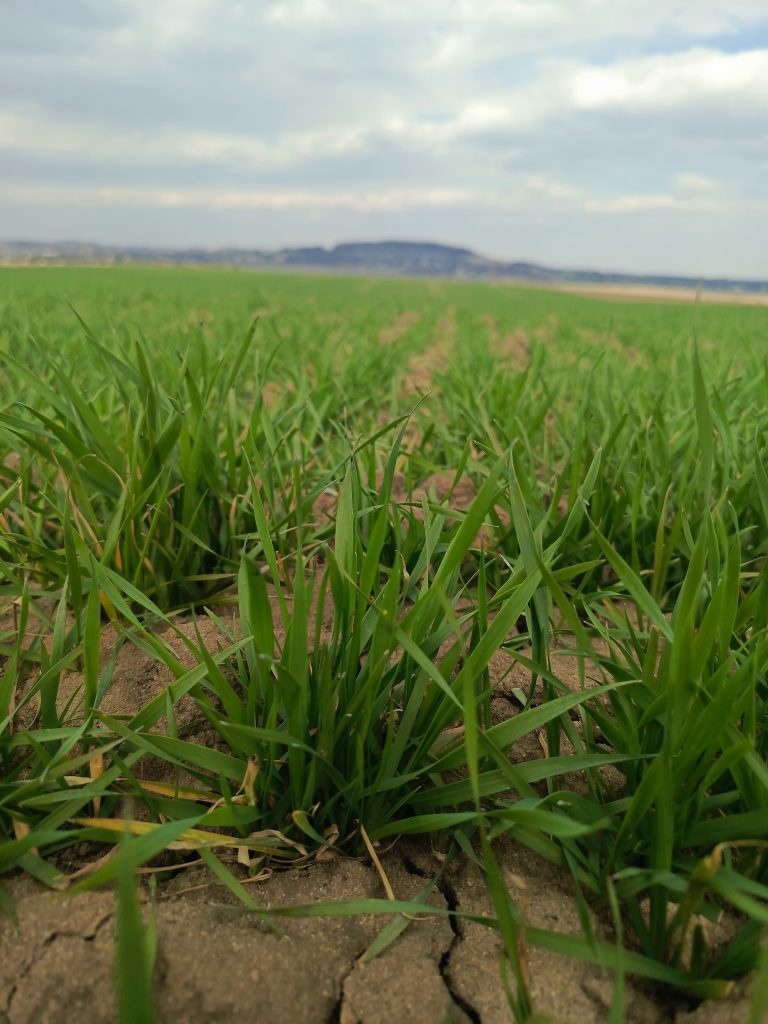
WHEATWATCHER was presented as an initiative focused on monitoring key soil parameters in wheat production systems.

The project combines sensor technologies, field data, digital tools and analytical methods to support a better understanding of soil and crop conditions. By collecting and processing data from different monitoring platforms, WHEATWATCHER aims to provide useful insights that can support more informed decisions in the field.

This approach is closely linked to the needs of modern agriculture, where reliable data can help farmers and stakeholders improve soil management, optimise input use and respond more effectively to environmental challenges.

Connecting biotechnology, environmental monitoring and agriculture

Participation in EUROBIOTECH 2026 offered an opportunity to present WHEATWATCHER within a broader scientific context, connecting the project’s work with discussions on biotechnology, environmental monitoring and sustainable agriculture.

The presence of WHEATWATCHER at the congress also helped increase the visibility of the project among researchers, experts and organisations working on innovative technologies for the life sciences and agricultural sectors.
Supporting the future of data-driven farming

WHEATWATCHER’s participation in EUROBIOTECH 2026 underlines the importance of collaboration between soil science, biotechnology, sensing technologies and digital agriculture.

By monitoring key soil parameters and supporting precise agronomic decisions based on sensor data, the project contributes to the development of modern environmental and agricultural technologies.

Through dissemination activities such as this, WHEATWATCHER continues to share its work with relevant scientific and innovation communities, strengthening knowledge exchange and supporting the transition towards smarter, more sustainable wheat production systems.

WHEATWATCHER pilot sites in Poland

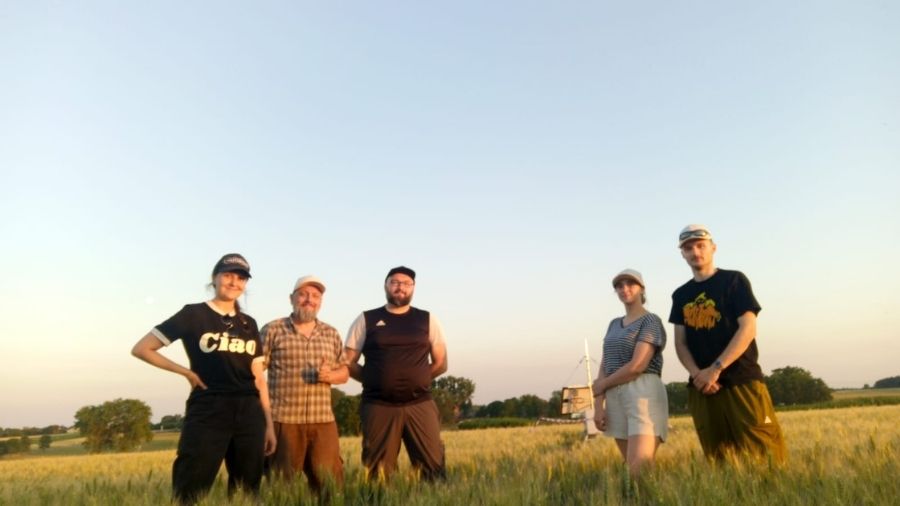
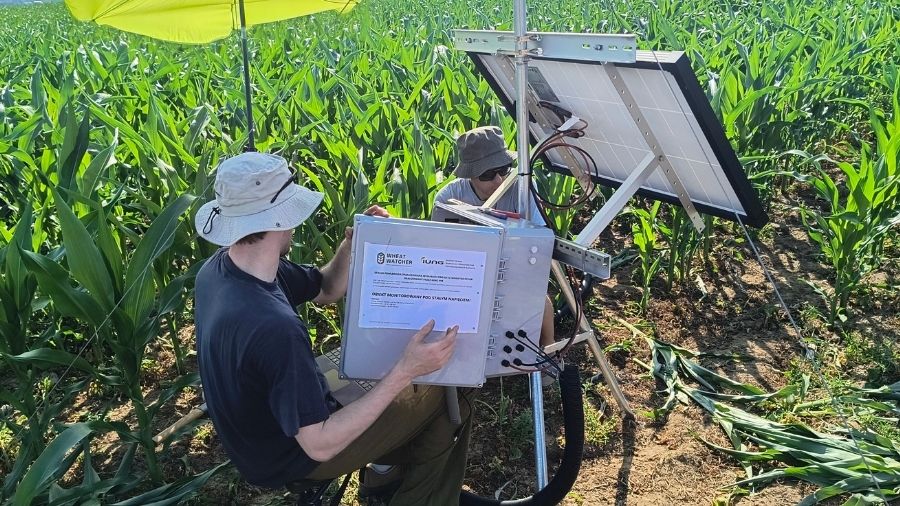
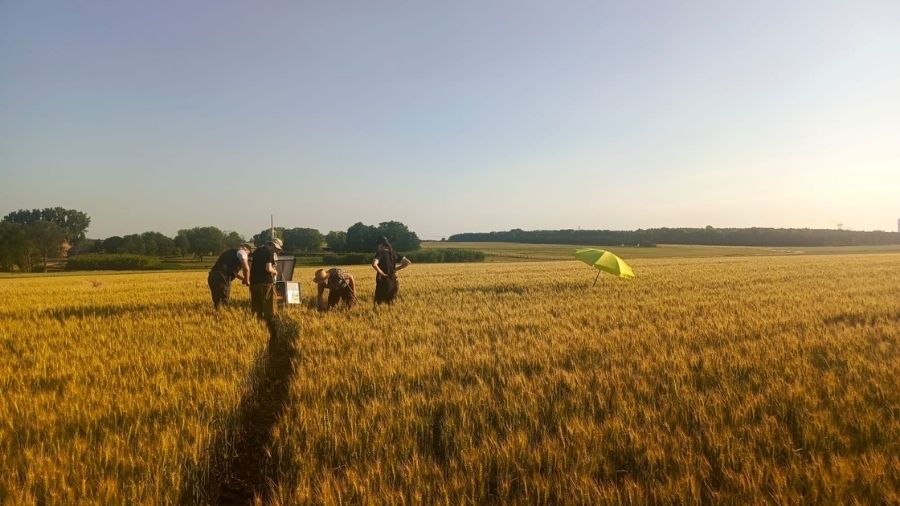
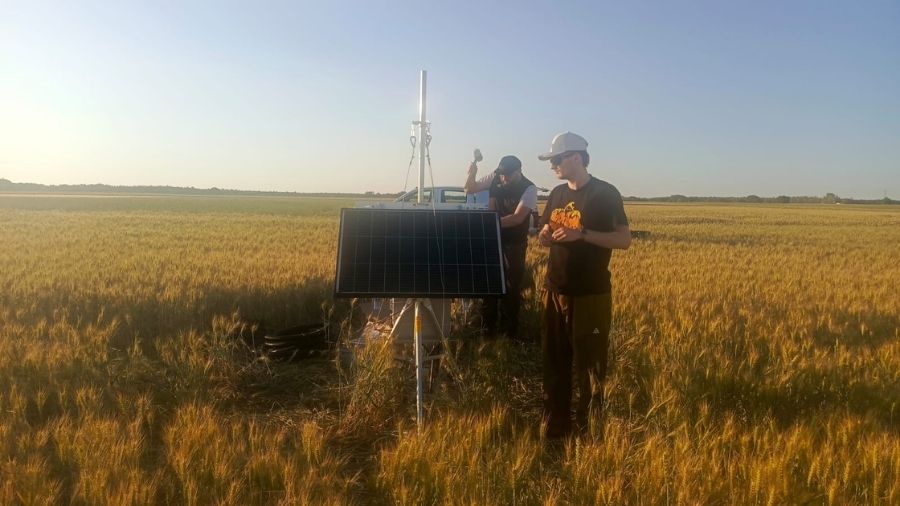
Stationary sensors installed at WHEATWATCHER Pilot Site in Poland

As part of WHEATWATCHER’s pilot site activities, project partner IUNG-PIB, The Institute of Soil Science and Plant Cultivation, has completed field installations in Poland together with the team from FHNW, the University of Applied Sciences and Arts Northwestern Switzerland.

The work focused on the installation of monitoring stations designed to collect continuous data on key soil parameters, supporting WHEATWATCHER’s wider goal of developing an integrated system for soil and crop health monitoring.

Fieldwork to collect continuous data on key soil parameters, supporting across Polish pilot sites

The fieldwork was carried out by IUNG-PIB in collaboration with FHNW, which contributes expertise in sensors, data analytics and IoT technology to the project.

Together, the teams installed stations to monitor important soil parameters, including:

  • Soil pH
  • Electrical conductivity
  • Soil moisture

These parameters are essential for understanding soil conditions, detecting potential stressors and supporting more informed decisions in wheat production.

Installation locations

The monitoring stations were installed at three locations in Poland:

  • One reference station at the “Kępa” Agricultural Research Station in Osiny
  • Two stations at the pilot site in Siemianowice Śląskie, located on potentially contaminated soils

This setup allows WHEATWATCHER to monitor soil conditions in both a reference location and areas where soil contamination may present specific challenges for crop production and soil health.

Continuous data for soil monitoring

The newly installed sensors are an important part of the project’s research infrastructure.

By enabling production and soil health.

Continuous data for soil a continuous flow of data, the stations will support more accurate tracking of changes occurring in the soil environment. This is particularly important for identifying shifts in soil conditions and understanding how potential stressors may affect wheat crops over time.

The collected data will contribute to the European soil monitoring platform and support WHEATWATCHER’s work on connecting field observations with advanced analytics and decision-support tools.

Supporting faster response to soil and crop stressors

Monitoring soil pH, electrical conductivity and moisture can provide valuable insights into soil status and crop growing conditions.

Soil pH influences nutrient availability and plant development. Electrical conductivity can help indicate changes related to salts or other dissolved substances in the soil. Soil moisture is a key factor for crop growth, stress detection and water-related field management decisions.

By continuously monitoring these parameters, WHEATWATCHER partners can better understand soil dynamics at the pilot sites and support faster responses to potential stressors affecting wheat crops.

A step towards integrated decision support

The installation of the new sensor stations in Poland represents another step towards building a modern, integrated monitoring system for agriculture.

By combining field-based sensors, data analytics and IoT technologies, WHEATWATCHER aims to transform soil and crop data into practical information that can support farmers in their decision-making.

This work also strengthens the project’s broader approach: connecting different monitoring technologies, pilot site data and scientific expertise to support healthier soils, safer crops and more sustainable wheat production systems.
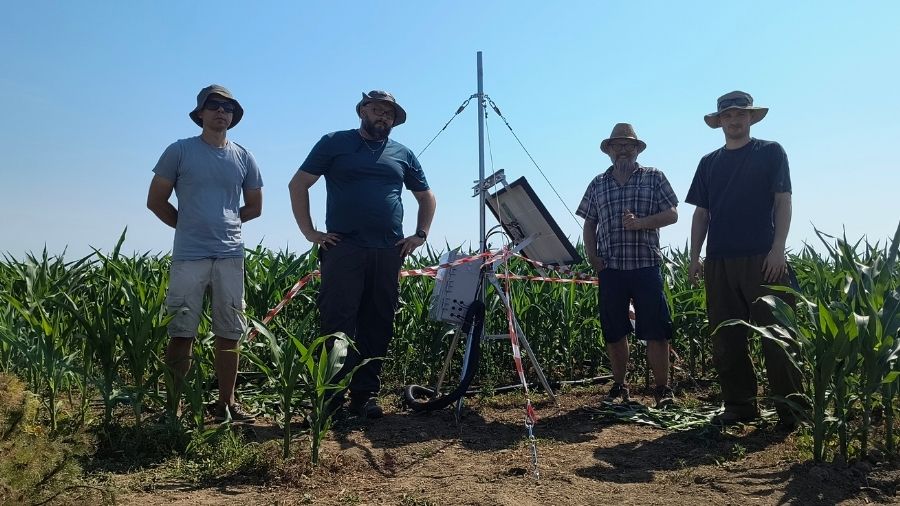
The fieldwork in Poland highlights the strong collaboration between WHEATWATCHER partners and the importance of real-world pilot site activities in developing digital tools for the future of agriculture.

WHEATWATCHER Poland pilot sites

Field activities advance at pilot site in Poland

Introduction

Significant progress has been made in the implementation of the WHEATWATCHER, as field activities at the Polish pilot sites move forward. The IUNG-PIB team has successfully completed an intensive phase of on-site work, laying the foundation for the deployment of advanced soil monitoring technologies.

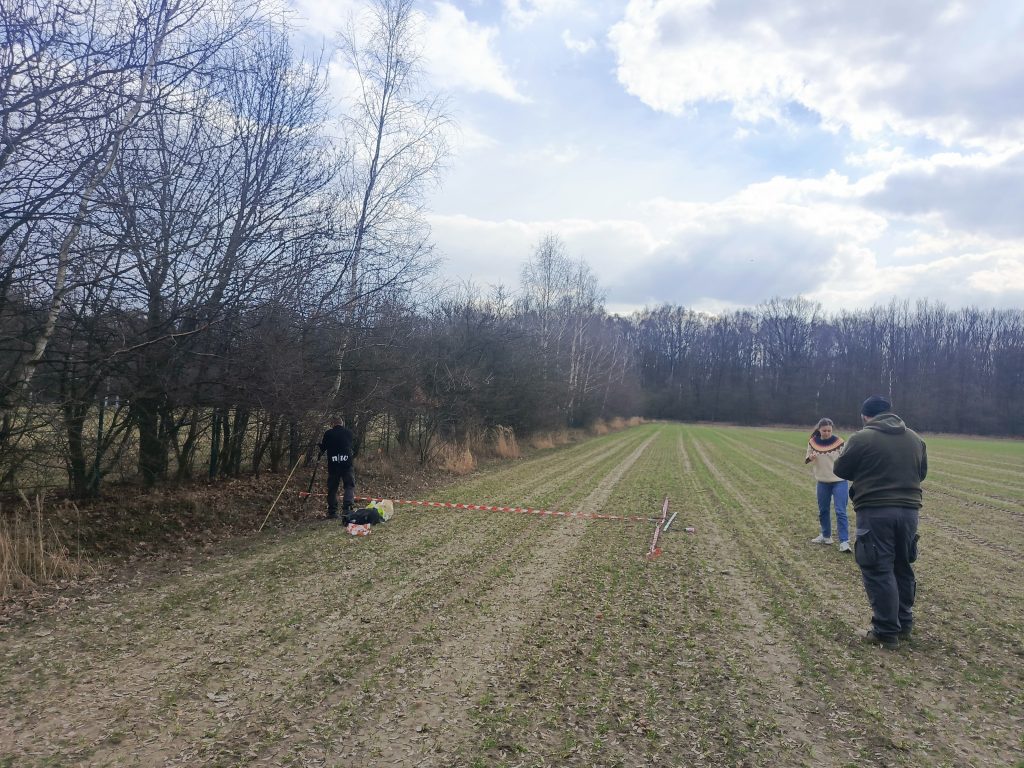
Over the past few days, the team from IUNG-PIB carried out crucial field visits across two pilot locations in Poland: the pilot site in Silesia and the reference site at RZD Kępa in Osiny.

These visits focused on identifying and selecting the most suitable locations for installing monitoring equipment. Each site was carefully evaluated based on soil conditions, accessibility, and operational feasibility to ensure optimal system performance.

Collaborative effort with FHNW

The activities were carried out in close collaboration with FHNW, a key partner contributing expertise in sensors, data analytics, and IoT technologies.

This collaboration ensures that the deployed systems are not only scientifically robust but also technologically advanced and aligned with real-world agricultural needs.

In addition to the technical setup, the teams addressed key logistical aspects such as transport, scheduling, and fieldwork organisation. These preparations are critical to ensuring that the installation of soil sensing systems proceeds efficiently and without delays.

The field activities were carried out by a dedicated team from IUNG-PIB, including professor Grzegorz Siebielec, Head of Soil Science and Environmental Analyses Department, Dr. Sylwia Pindral and João Augusto Coblinski. Their expertise and on-site work are instrumental in advancing the project’s goals.

The successful completion of this phase marks an important milestone for the WHEATWATCHER project. With pilot sites now prepared and system configurations defined, the project is moving closer to delivering innovative tools that will support farmers and improve soil and crop monitoring across Europe.

Skip to content