Tag: pilot site greece

stationary platform greece

Stationary sensors go live in greek pilot site

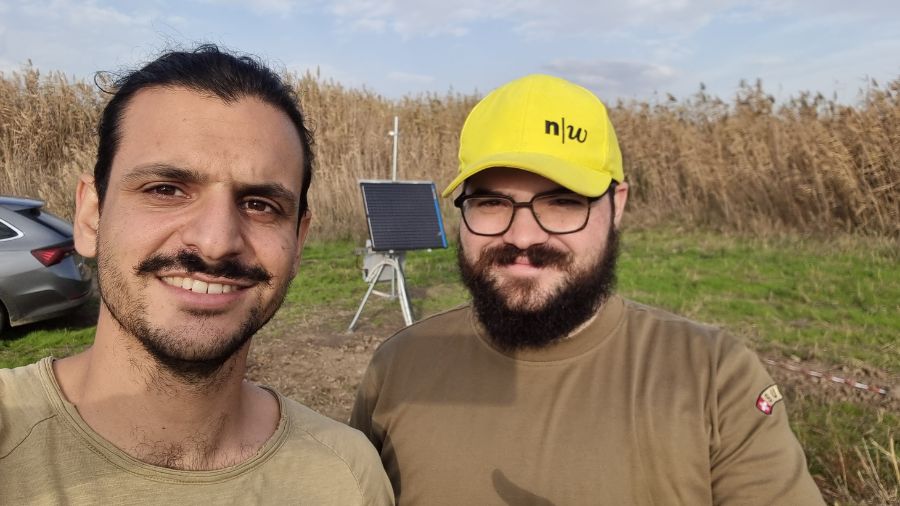
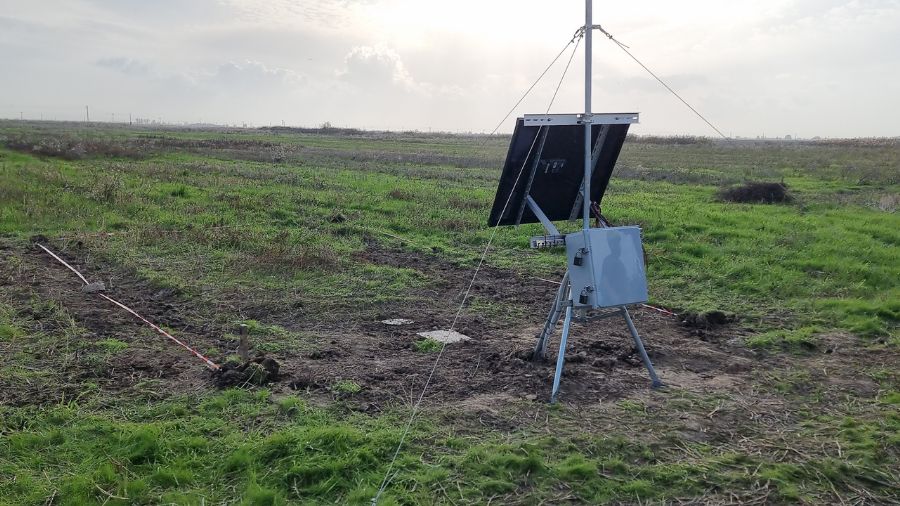
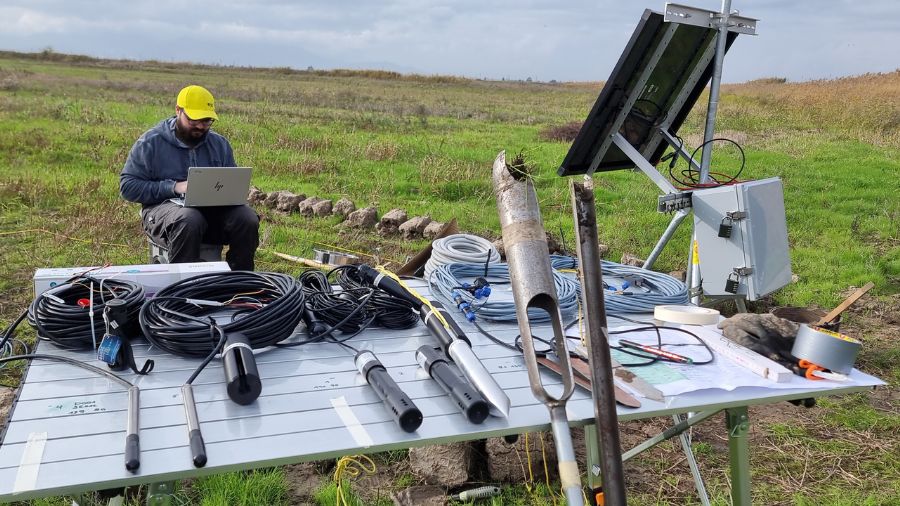
As part of WHEATWATCHER’s mission to build smarter, data-driven soil monitoring systems, our Greek pilot site in the Nestos region, has just entered a new phase. Earlier this month, our colleagues from the University of Applied Sciences and Arts Northwestern Switzerland (FHNW) successfully installed a set of stationary sensors, bringing real-time environmental monitoring to the heart of the field.
Unlike mobile platforms that scan the landscape or drones that capture snapshots from above, stationary sensors work quietly and continuously, gathering high-resolution data on key soil and atmospheric conditions. These include:

  • Soil moisture – helping us understand water availability and irrigation needs
  • Electrical conductivity – providing insight into salinity levels and nutrient mobility
  • Soil temperature – a critical factor influencing root growth and microbial activity
  • Air temperature and humidity – offering broader context for plant stress responses
These measurements feed directly into WHEATWATCHER’s cloud-based Decision Support System (DSS), where they will be integrated with satellite imagery, mobile sensing data, and AI-powered models. The goal is to transform raw sensor inputs into actionable insights, giving farmers a powerful new tool to monitor field conditions and make precise, sustainable choices.
What makes this effort unique is not just the technology, but the cross-border collaboration that makes it possible. The installation was coordinated by the FHNW team (Fabricio Parrillo, Luca Colombi, Gerd Simons) in close partnership with enateam (Zafeiro Vaxevanidou, Giannis Kimountris, Aris Ketipis), the local pilot site lead in Greece. Together, they are ensuring that WHEATWATCHER’s innovations are adapted to real-world farming contexts, from central Switzerland to rural Thrace.

Stay tuned as the growing season unfolds and the sensors begin to tell us their story. What’s beneath the surface may be invisible but with WHEATWATCHER, it’s no longer unknown.
greek pilot site sampling

From Nestos pilot site to data insights: WHEATWATCHER hits the ground in Greece

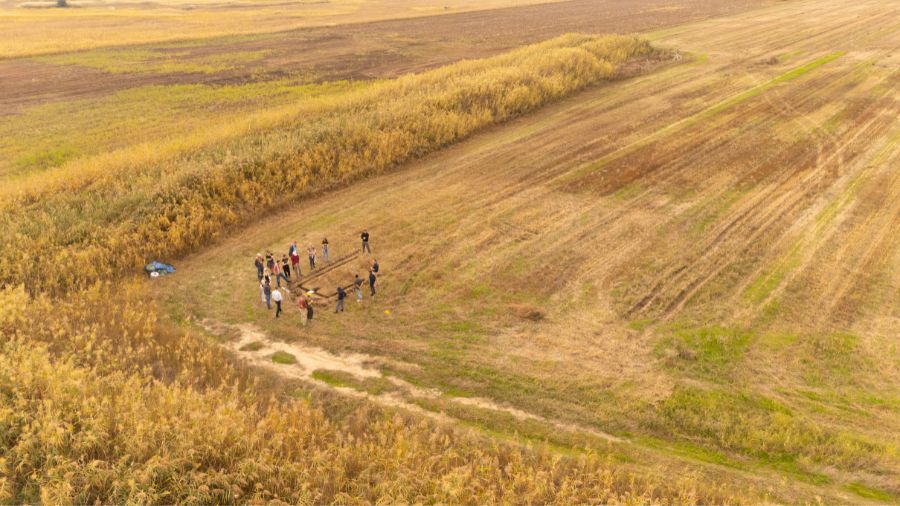
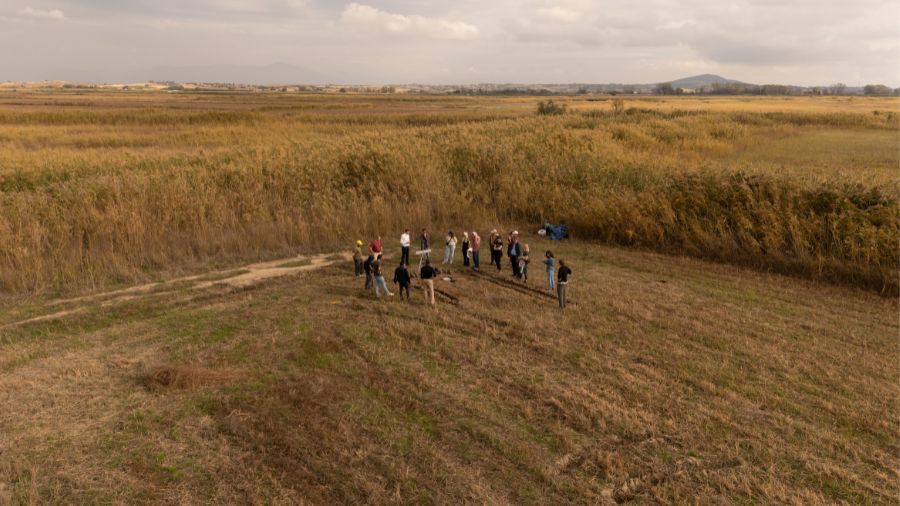
Last month, the WHEATWATCHER project carried out a major field campaign at its Greek pilot site, located in the heart of Eastern Macedonia and Thrace, near Nestos river. This campaign marks a crucial step in our mission to build next-generation tools for smart soil monitoring and sustainable wheat production across Europe.

Led by ena Development Consultants, the pilot site hosted an intensive sampling and mobile sensing campaign coordinated in collaboration with Ghent University and our scientific coordinator Antonis Morellos.

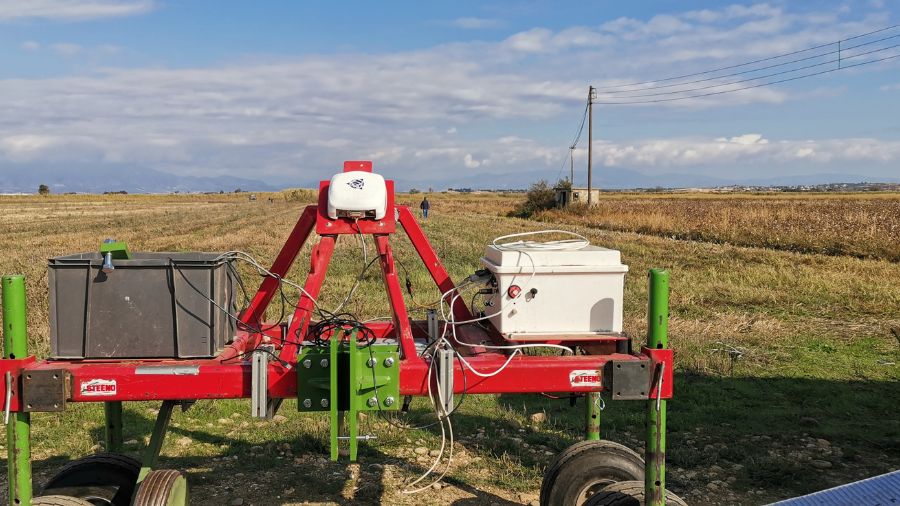
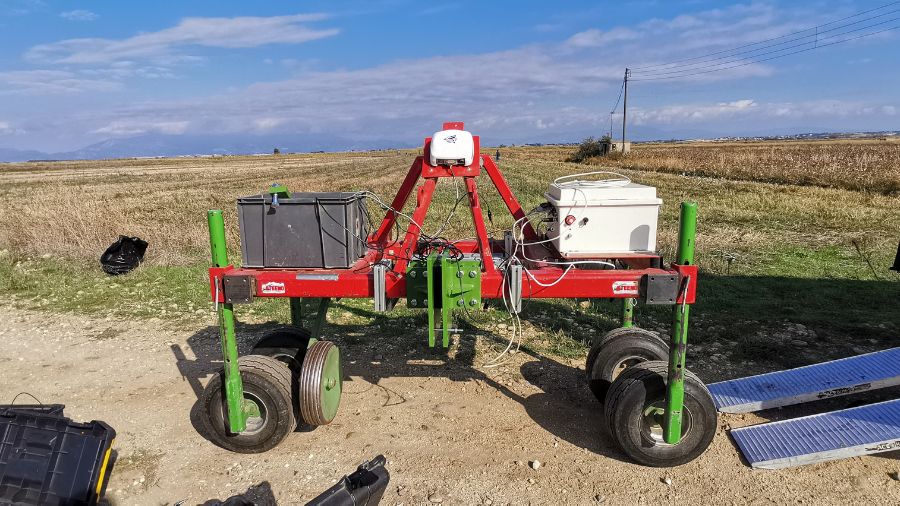
The highlight of the campaign was the deployment of the mobile sensing platform developed by Ghent University — a vehicle-mounted system equipped with visible and near-infrared (vis–NIR) spectroscopy and gamma-ray sensors. As the platform moved through the fields, it continuously mapped key soil properties such as nutrient availability, moisture levels, and potential contamination indicators.

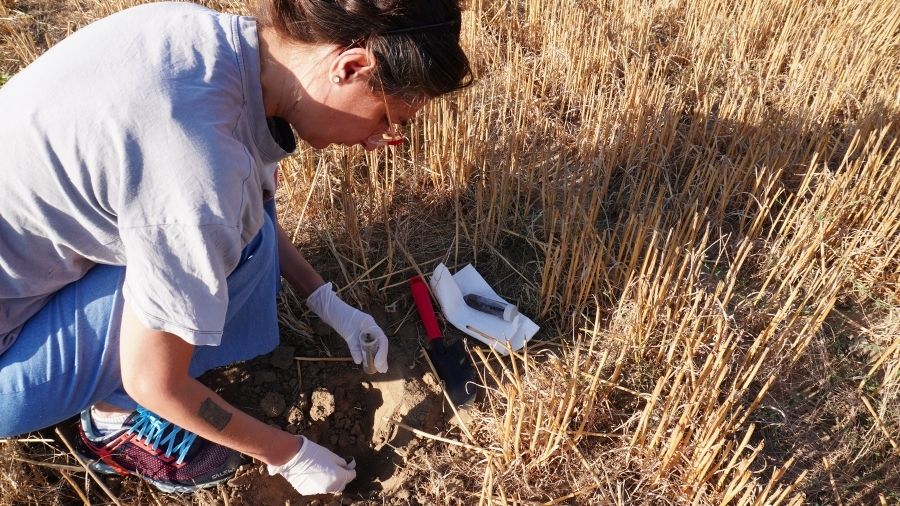
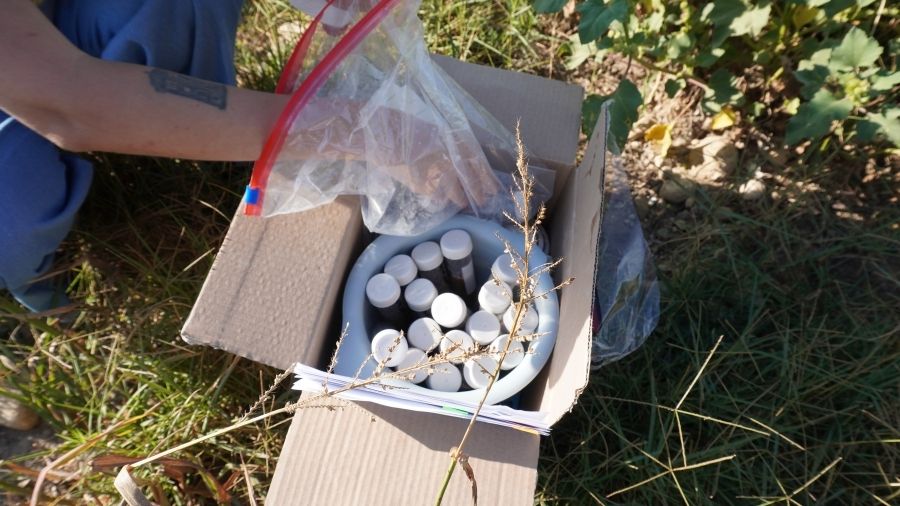
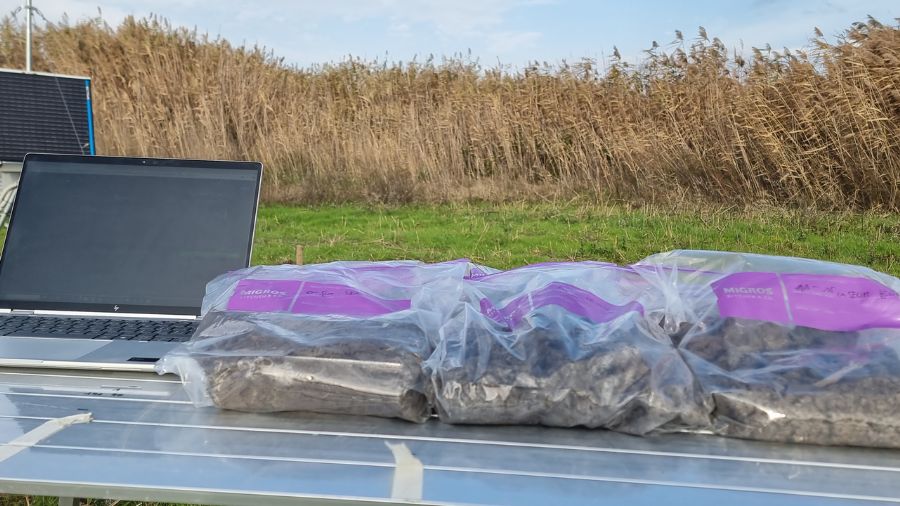
To complement this real-time scanning, the team also collected soil samples manually from across the field. These samples will be sent to Czech University of Life Sciences (CZU), where they will support the development of a spectral soil library, a foundational element of WHEATWATCHER’s precision soil assessment toolkit.

This hands-on campaign showcases how traditional agricultural expertise, when paired with cutting-edge sensing and data science, can deliver real-time, actionable insights to support farmers, researchers, and policymakers. The data collected in Nestos will feed into advanced models for nutrient management, soil contamination detection, and crop productivity forecasting.

This isn’t just about data, it’s about building resilience, promoting food safety, and enabling smarter land stewardship from the ground up.

Soil sampling begins in Greece

Soil sampling begins in Greece

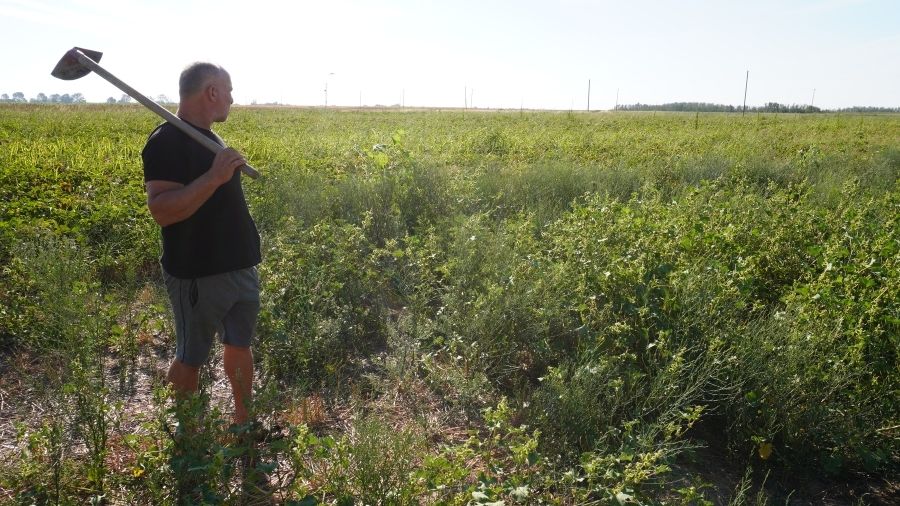
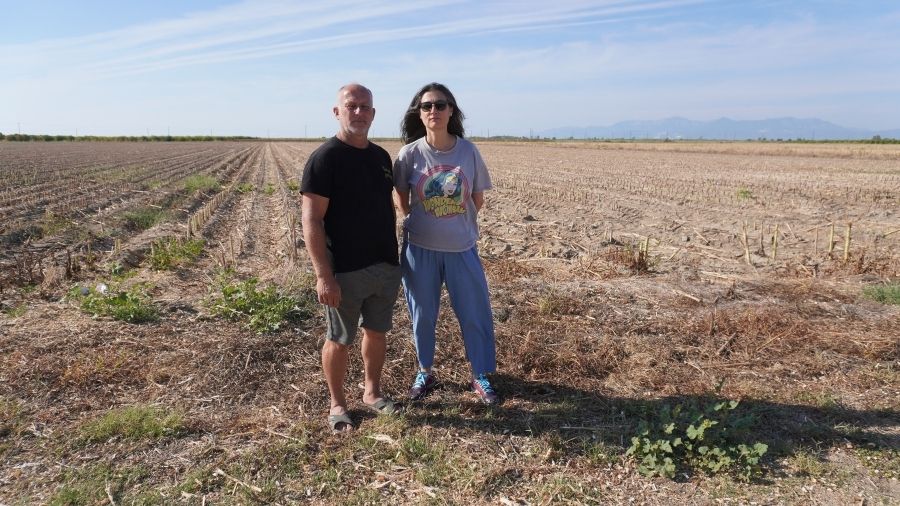
As part of WHEATWATCHER’s commitment to advancing sustainable agriculture across Europe, soil sampling has officially begun at our Greek pilot site in the Nestos river catchment, Eastern Macedonia and Thrace. This marks a major milestone in our mission to develop precision tools for healthier soils, optimized nutrient management, and safer food production.

The pilot site is coordinated by ena Development Consultants and located near Maggana, a region well-known for its agricultural output. It is part of a conventional mixed cotton and wheat field managed by a local farmer. The field has been selected due to its high soil salinity, making it an ideal testbed for digital solutions.

In Greece, WHEATWATCHER is focusing on monitoring salinity stress, a critical problem for crop performance and long-term soil health.

The ena team, in collaboration with project partners, is currently carrying out:

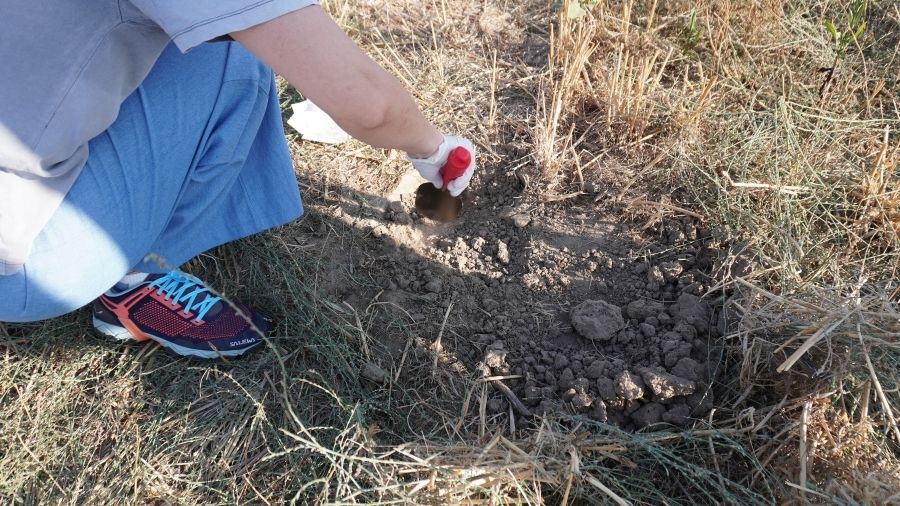
  • Soil sampling across multiple grid points to capture spatial variability
  • Collection of soil samples for microbiome and chemical analysis

These efforts support the broader goal of validating WHEATWATCHER’s stationary, mobile, and remote sensing technologies under real-world field conditions.

As the wheat grows, the Greek pilot will continue to contribute valuable insights into how digital tools can support climate-smart farming across Europe.

Stay tuned as the season unfolds and WHEATWATCHER’s innovations take root in the fields of Thrace.

Skip to content