Tag: Soil Health

WHEATWATCHER at European Mission Soil Week 2026

WHEATWATCHER at European Mission Soil Week 2026: From Soil Data to Field Decisions

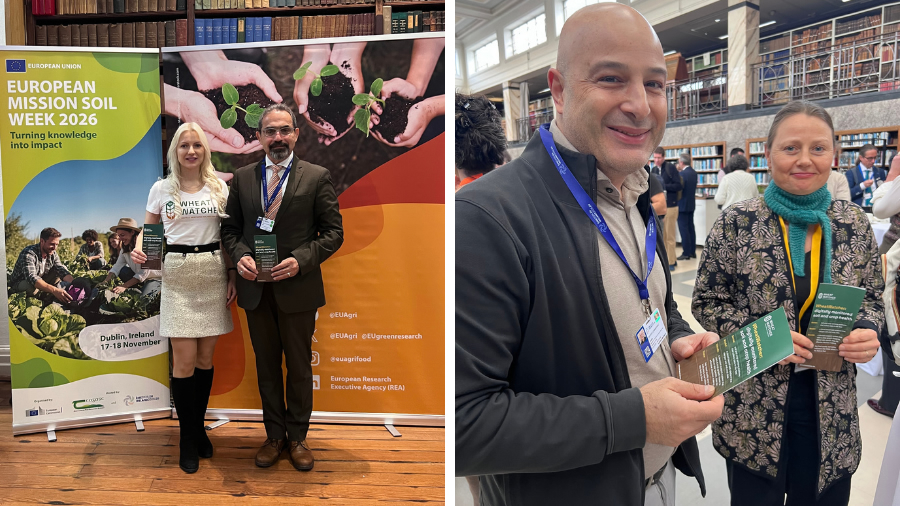
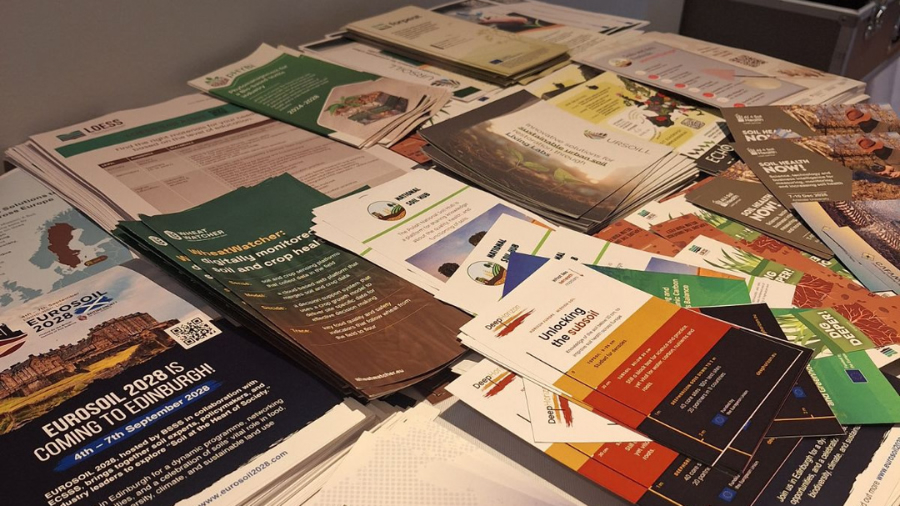
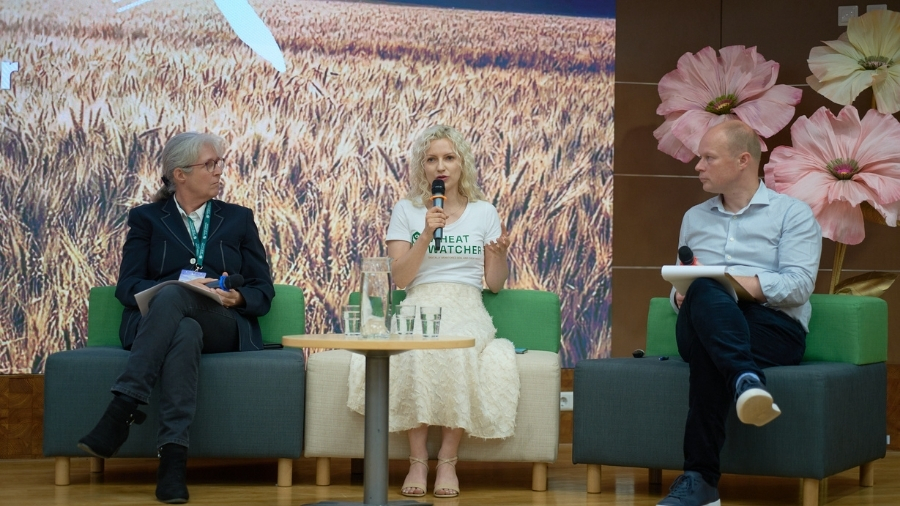
The European Mission Soil Week 2026 brought together researchers, policymakers, farmers and soil health experts in Dublin, Ireland, on 17–18 November, under the theme “Turning knowledge into impact.”

Hosted by Teagasc and the Irish Presidency of the Council of the EU, the event highlighted an important challenge: Europe is generating increasing amounts of soil data, but how can this scientific knowledge be transformed into practical solutions for farmers, advisors and policymakers?

For WHEATWATCHER, this question lies at the heart of the project’s mission. By connecting advanced soil and crop monitoring technologies with modelling and digital decision-support tools, WHEATWATCHER aims to help agricultural stakeholders make more informed decisions.

WHEATWATCHER was represented at the event by Prof. Abdul Mounem Mouazen from Ghent University, the project’s coordinator, representatives of ena Development Consultants, and NGO Soil Innovation Cluster.

Their participation reflected the project’s commitment to scientific innovation, knowledge exchange, stakeholder engagement and the dissemination of research outcomes across the European soil community.

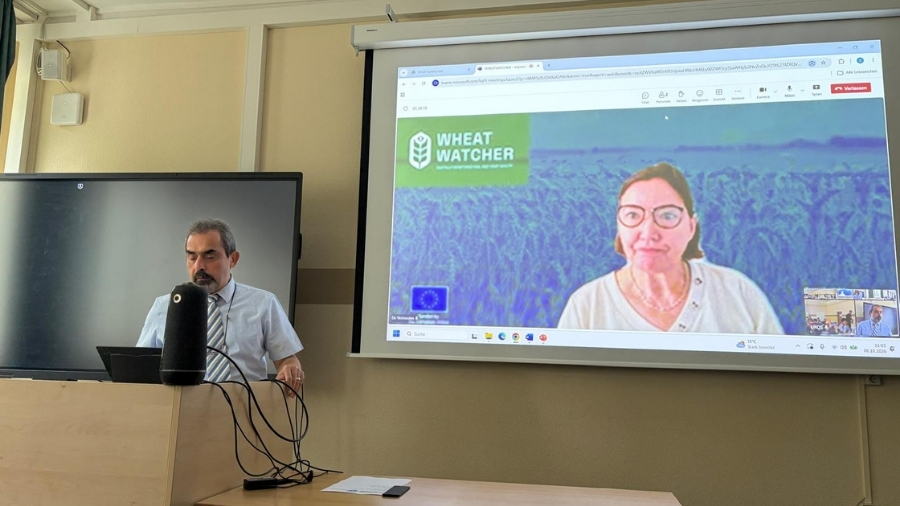
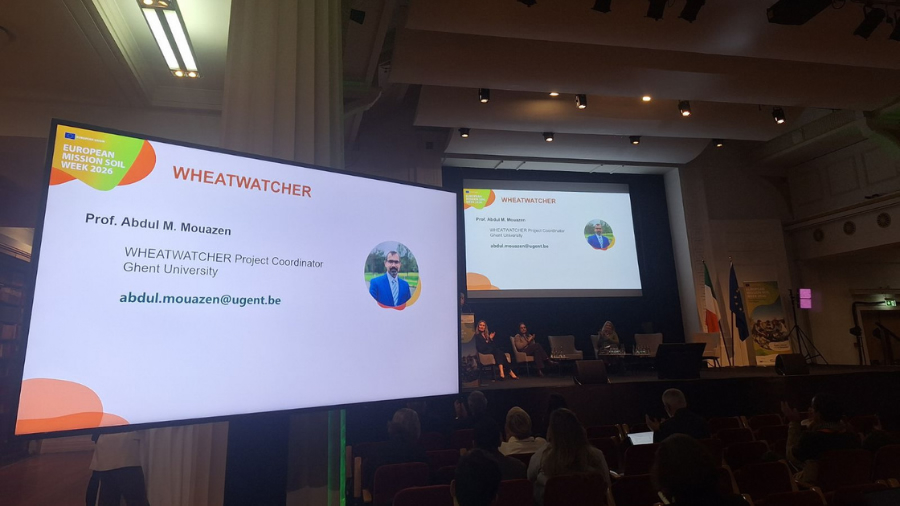
During the event, Prof. Mouazen presented two innovative technologies in the session dedicated to monitoring and assessing soil health.
From soil research to practical implementation

One of the central messages of European Mission Soil Week 2026 was the importance of moving beyond scientific research towards the practical implementation of innovative solutions.

Henri Delanghe, representing the European Commission’s Directorate-General for Agriculture and Rural Development (DG AGRI), emphasised the importance of deploying research outcomes and strengthening the connections between Horizon Europe, agricultural advisory services and the Common Agricultural Policy (CAP).

The EU Mission “A Soil Deal for Europe” has already mobilised substantial research investment and established a growing network of Living Labs, bringing together scientists, farmers and other stakeholders to develop and test solutions under real-world conditions.

This approach closely reflects WHEATWATCHER’s activities at its European pilot sites in Poland, Germany, Greece and Belgium, where advanced sensing technologies and monitoring methods are being developed, adapted and tested in agricultural environments.

Understanding Europe’s soil health challenges

The event also highlighted the continuing pressures affecting European soils.

Cristina Guarda, Member of the European Parliament, drew attention to the importance of addressing soil contamination and ensuring that soil health remains a European policy priority.

Meanwhile, Arwyn Jones from the European Commission’s Joint Research Centre (JRC) highlighted evidence of widespread soil degradation across the European Union.

Recent JRC research indicates that approximately 62% of EU soils are affected by at least one degradation process. Although improvements have been observed in indicators such as water erosion and phosphorus deficiency, other challenges, including soil organic carbon loss, phosphorus excess and soil sealing, continue to raise concerns.

With the EU Soil Monitoring Law now in force, systematic soil assessment is becoming increasingly important for understanding these pressures and supporting evidence-based action.

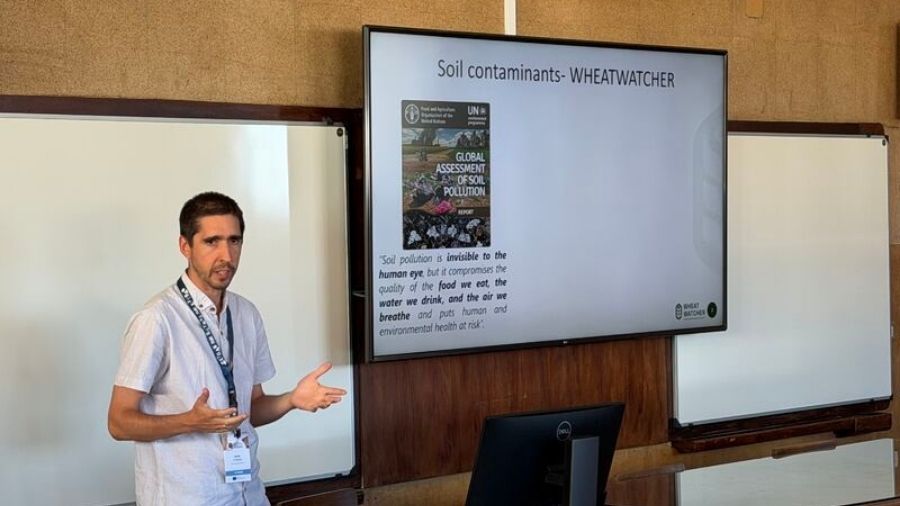
Within WHEATWATCHER, researchers are investigating soil contamination, nutrient conditions and other chemical and biological stressors, while exploring their relationships with crop development and grain quality.

By combining field measurements, laboratory analyses, sensing technologies and digital modelling, the project aims to provide a more complete picture of soil and crop conditions.

WHEATWATCHER innovations presented by Prof. Abdul Mouazen

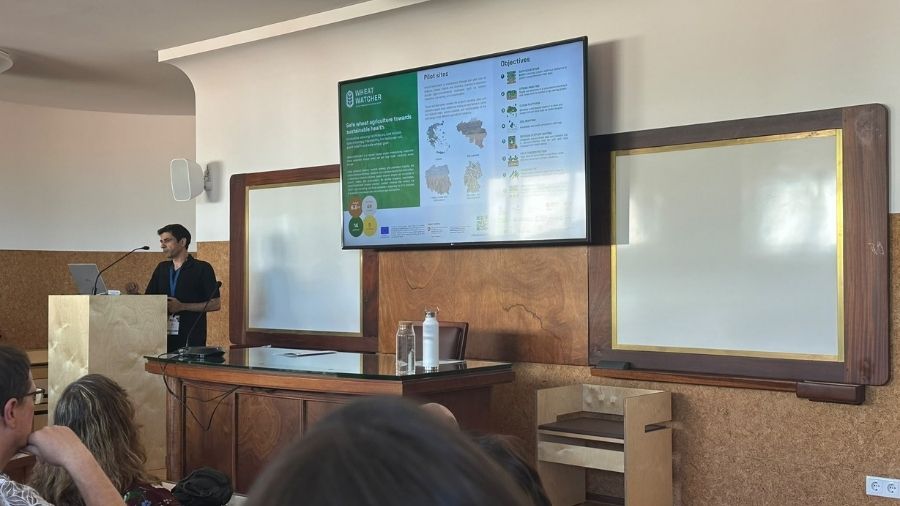
A key moment for WHEATWATCHER came during the pitching session on Monitoring and Assessing Soil Health, where Prof. Abdul Mounem Mouazen introduced two technologies being developed within the project.

The first innovation was a robotic system equipped with a multi-sensor penetrometer, designed to investigate soil characteristics at different depths and provide detailed information about the soil profile.

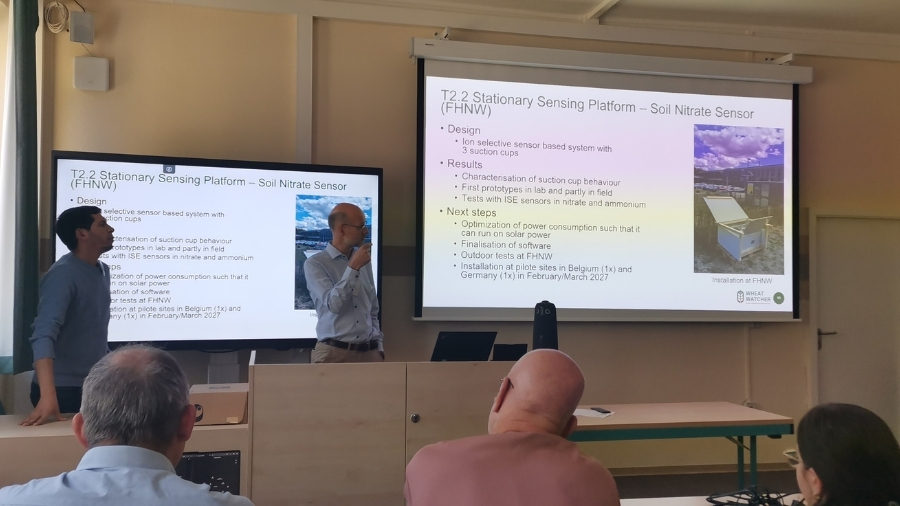
The second was an online soil nitrate sensor, being developed to support more precise monitoring of nitrate conditions and contribute to improved nitrogen management in agriculture.

Both technologies reflect WHEATWATCHER’s approach to integrating innovative sensing methods with practical agricultural monitoring.

Rather than relying exclusively on conventional soil sampling and laboratory analysis, these developments aim to make relevant soil information more accessible and timely.

As the technologies continue to be developed and evaluated, their integration with other WHEATWATCHER monitoring systems could contribute to more detailed soil assessments and better-informed agricultural decisions.
Making soil knowledge useful for farmers

Beyond technological innovation, European Mission Soil Week placed particular emphasis on knowledge transfer and the practical adoption of research outcomes.

Karen Daly from Teagasc highlighted the importance of ensuring that scientific findings can be translated into agricultural advice, changes in management practices and policy support.

Similarly, Tomislav Hengl from the OpenGeoHub Foundation emphasised the need for soil data and digital solutions to remain relevant, up to date and accessible to their intended users.

These perspectives are particularly relevant to WHEATWATCHER.

The project is developing an integrated monitoring approach that connects data from stationary and mobile sensors, field and laboratory measurements, Earth observation and modelling with a digital decision-support system.

The objective is not simply to collect more information, but to make that information useful for farmers, millers and policymakers.

By considering the practical needs of agricultural stakeholders, WHEATWATCHER aims to support the transition from complex scientific datasets towards more accessible and actionable knowledge.

Turning knowledge into impact

European Mission Soil Week 2026 reinforced the importance of collaboration between research, technology, agricultural practice and policymaking.

For WHEATWATCHER, participation provided an opportunity to share emerging innovations, exchange knowledge with other European initiatives and contribute to discussions about the future of soil health monitoring.

The presence of Ghent University, ena Development Consultants and NGO Soil Innovation Cluster also highlighted the collaborative nature of WHEATWATCHER, bringing together expertise in scientific research, communication, dissemination and stakeholder engagement.

The event’s central message closely reflects the project’s ongoing work: scientific data becomes truly valuable when it can support decisions in the field.

Through its European pilot sites, innovative sensing technologies and integrated digital tools, WHEATWATCHER is working towards transforming soil and crop measurements into practical knowledge for more sustainable wheat production.

As European soil research continues to advance, connecting scientific innovation with real agricultural needs will remain essential for achieving healthier soils and more resilient food systems.
Robotic-Based Sensing and Sampling

Advancing soil and crop monitoring requires technologies that can collect reliable information directly in agricultural fields. Within WHEATWATCHER, Exobotic Technologies is contributing its expertise in agricultural robotics to the development of an autonomous platform designed to combine soil and plant sampling with advanced sensing technologies.

By bringing together autonomous navigation, sampling tools and hyperspectral imaging, the platform aims to support more efficient field data collection and improve our understanding of how soil conditions influence crop health.

Bringing robotics into soil and crop monitoring

Traditional soil and plant sampling can be time-consuming and labour-intensive, particularly when researchers need to collect samples from multiple locations across large agricultural fields.

Robotic systems offer a different approach. By automating field navigation and sampling operations, they have the potential to increase sampling coverage, improve consistency and support more detailed assessments of soil and crop variability.

As part of Work Package 2 – On-site Sensor Platforms Development and Optimisation, WHEATWATCHER is developing complementary technologies for monitoring agricultural conditions.

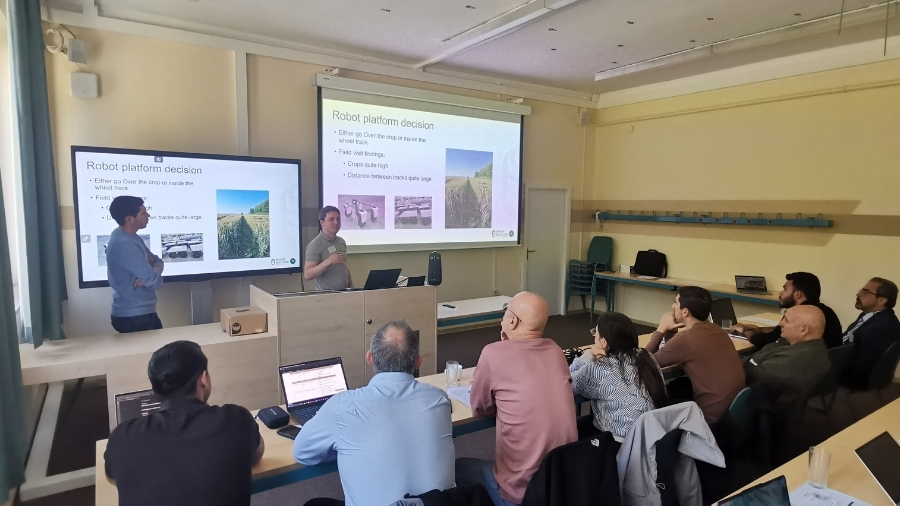
Among these is a mobile robotic platform for crop sensing and sampling, being adapted by Exobotic Technologies in collaboration with Ghent University (UGent) and Hahn-Schickard (HSG-IMIT).

Exobotic’s autonomous robotic platform

Exobotic Technologies is a Belgian engineering company specialising in robotics, autonomous navigation, electromechanical design and AI applications.

Within WHEATWATCHER, the company is adapting its existing A2 agricultural robotic platform to support the project’s soil and crop monitoring requirements.

The robotic platform is designed to follow efficient sampling routes based on geographical coordinates generated through WHEATWATCHER’s automated mapping activities.

Together, these capabilities aim to connect the physical collection of soil and crop samples with digital observations of field conditions.

From autonomous sampling to data-driven agriculture

The robotic platform is also connected to WHEATWATCHER’s broader digital monitoring framework.

Under the project’s planned approach, automated soil and crop maps can help identify locations where more detailed observations or sampling are needed.

These locations can then guide the robot’s navigation and sampling activities.

Information collected through robotic sensing can subsequently contribute to WHEATWATCHER’s modelling, mapping and data integration activities, alongside measurements from stationary sensors, laboratory analyses and remote sensing systems.
The goal is to move towards a more coordinated monitoring process, where information gathered from different sources supports the identification and assessment of soil and crop conditions.

By automating parts of the fieldwork, the technology also has the potential to reduce repetitive manual operations and make detailed sampling campaigns more practical.

Developing robotic solutions for real agricultural conditions

Adapting a robotic platform for agricultural monitoring involves more than autonomous movement.

The system must combine reliable navigation with lightweight sampling mechanisms capable of operating under varying field conditions.

As part of WHEATWATCHER, Exobotic is developing dedicated soil and plant sampling modules designed to be integrated into its robotic systems.
These developments are intended to support autonomous sampling and enable researchers to gather more detailed information about variability within agricultural fields.

Ongoing development and validation will be important for assessing how the combined platform performs in real agricultural environments.

Supporting the future of sustainable wheat production

Exobotic’s contribution demonstrates how robotics can complement soil science, sensing technologies and digital agriculture.

By combining autonomous mobility, targeted sampling and advanced imaging, WHEATWATCHER is working towards a more integrated approach to monitoring soil and crop conditions.

The development of robotic-based sensing and sampling technologies represents an important step towards collecting more detailed field information and connecting it with the project’s wider monitoring and decision-support framework.

Through collaboration between robotics specialists, researchers and agricultural experts, WHEATWATCHER aims to transform technological innovation into practical tools that can contribute to healthier soils, better crop monitoring and more sustainable wheat production across Europe.

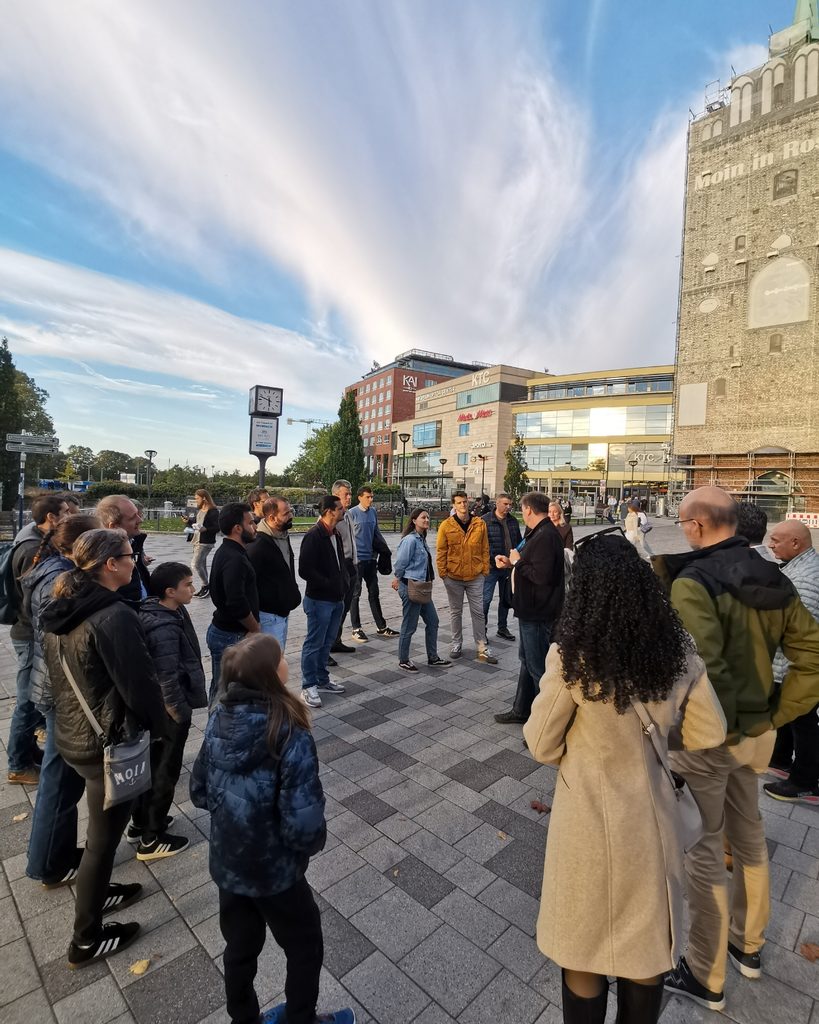
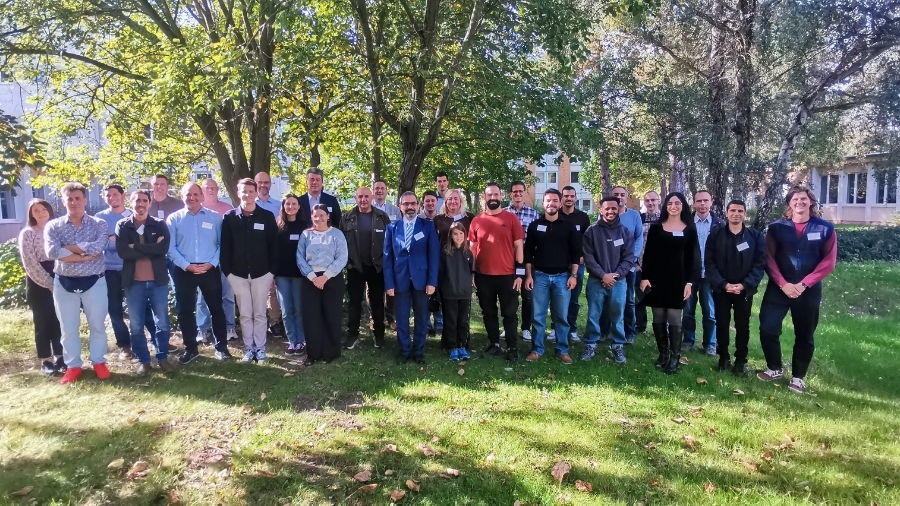
WHEATWATCHER consortium partners during the 2026 project meeting in Rostock, Germany.

WHEATWATCHER Consortium Meeting in Rostock, Germany

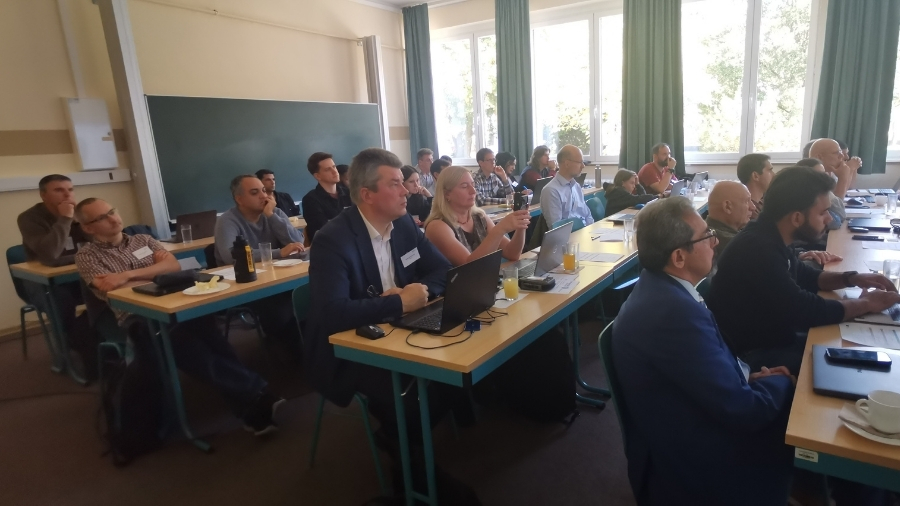
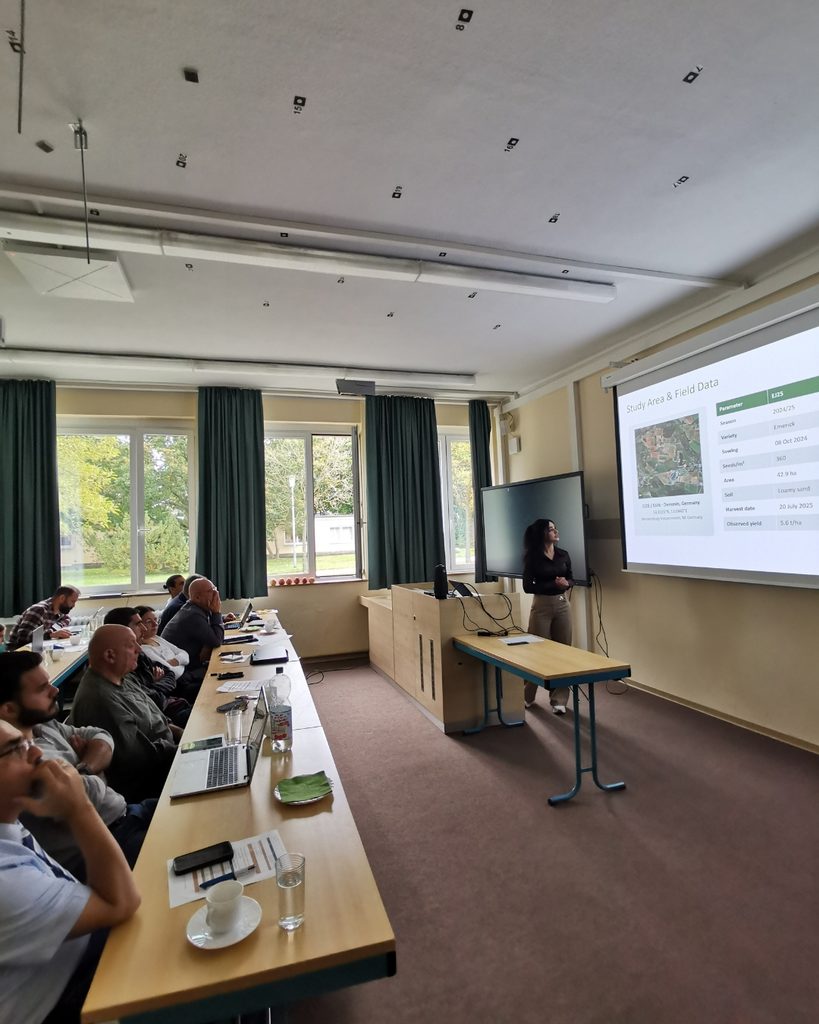
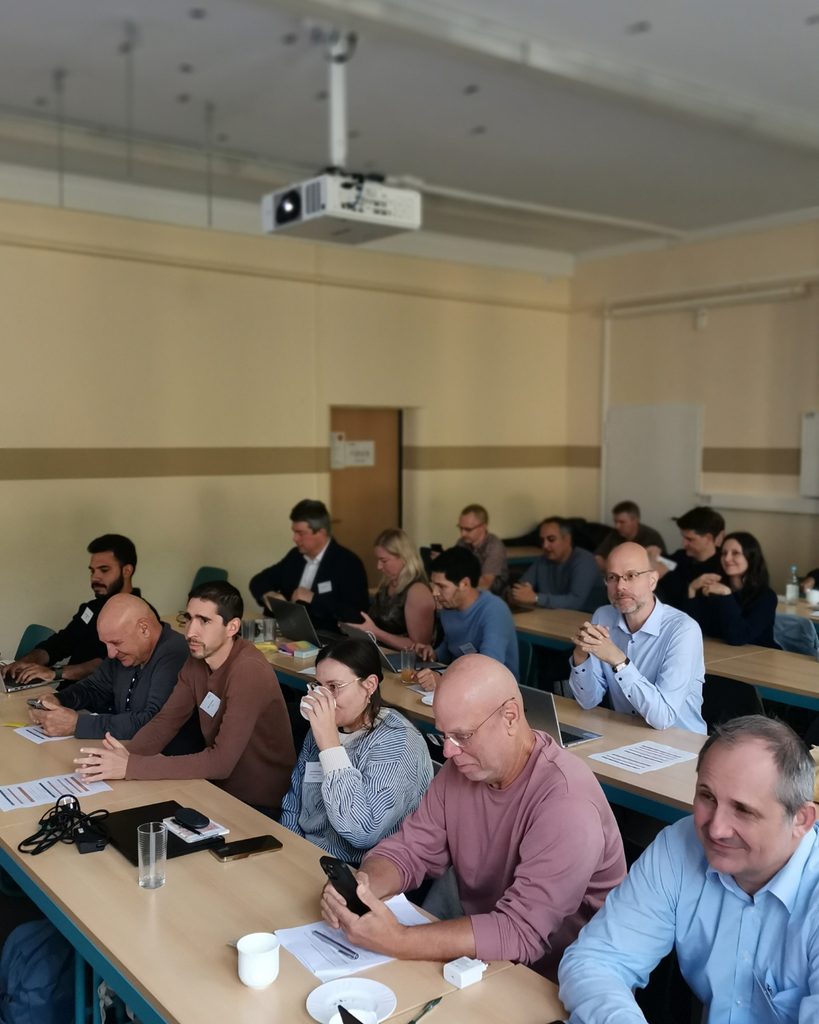
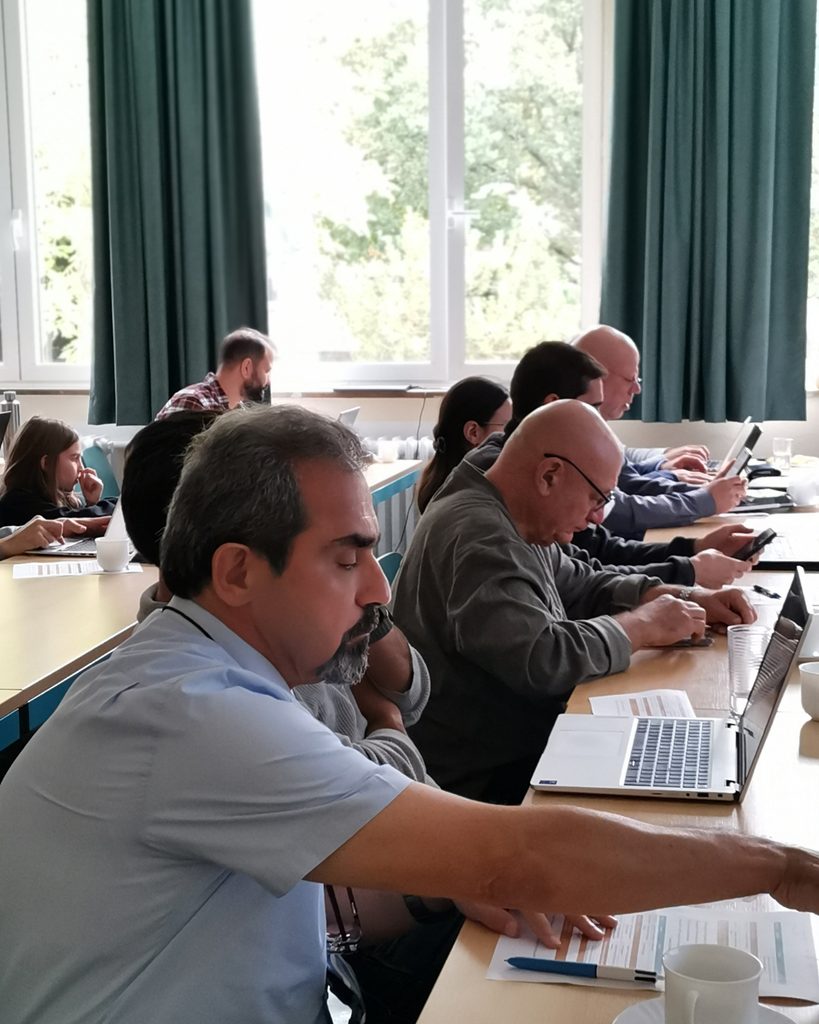
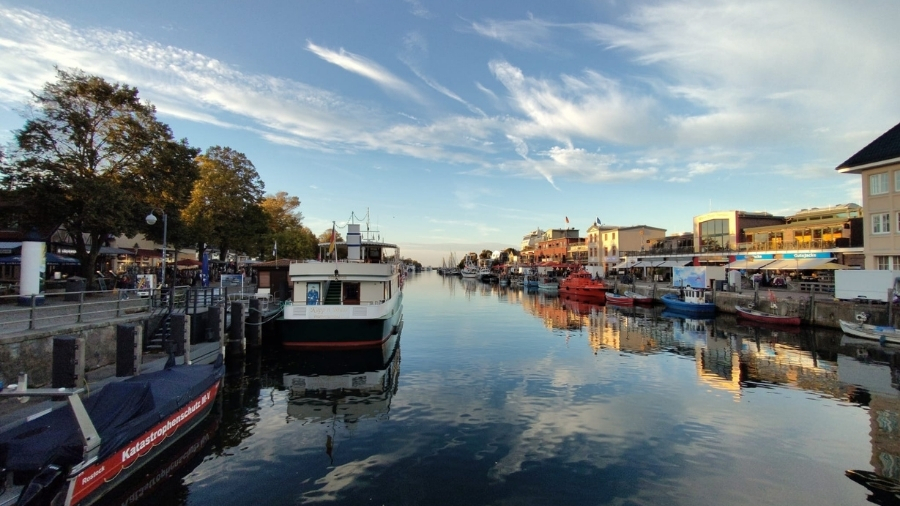
The WHEATWATCHER consortium came together in Rostock, Germany, in early October for its latest project meeting, bringing partners from across Europe together to review progress, exchange knowledge and coordinate the next stages of the project.

The main consortium sessions took place on 5 and 6 October 2026 at the University of Rostock. The programme concluded on 7 October with a field trip to the WHEATWATCHER pilot area in Demmin. 

Bringing the different parts of WHEATWATCHER together

The meeting provided an important opportunity for the consortium to look at WHEATWATCHER as a whole and connect the work taking place across its different Work Packages.

Discussions covered the project’s sensing technologies, field and laboratory activities, data collection and quality assurance, modelling and mapping, decision-support tools, demonstration activities, food traceability, project management, communication, dissemination and exploitation.

This cross-disciplinary approach is central to WHEATWATCHER, where information from soil, crops, sensors, laboratory analyses and digital tools is progressively brought together to support better understanding of soil and plant health and more informed agricultural decision-making.

Day 1: from communication and sensing to data and modelling

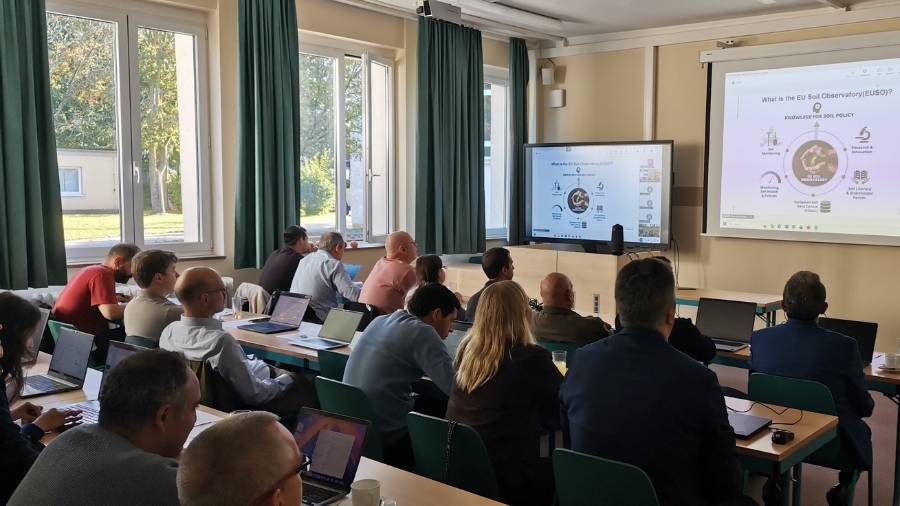
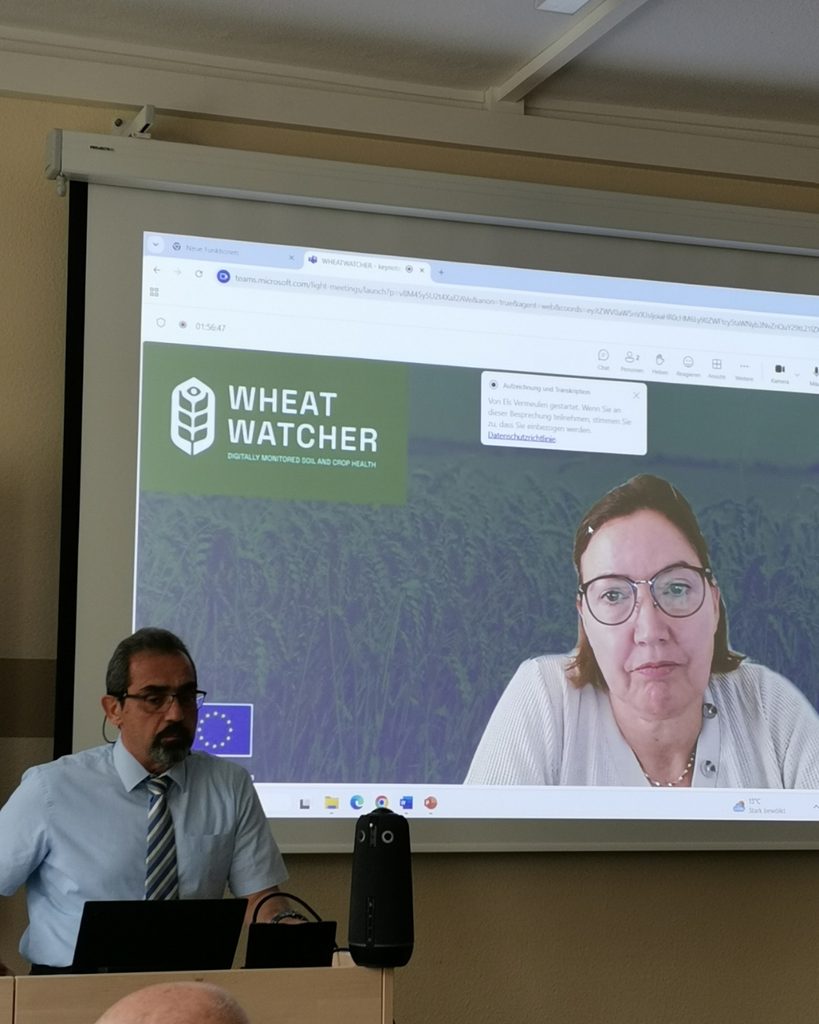
The first full meeting day opened with a keynote contribution from Dr Panos Panagos focusing on the European Soil Observatory, connecting WHEATWATCHER’s activities with the wider European soil monitoring and Mission Soil landscape.

The programme then moved into updates from several core areas of the project.

WP8 – Dissemination and Exploitation reviewed progress in communicating WHEATWATCHER’s scientific and technical work, strengthening the project’s visibility, engaging stakeholders and building connections with other European initiatives.

During the session, Zafeiro Vaxevanidou presented the progress of WP8 on behalf of ena Development Consultants, which leads the Work Package. Particular attention was also given to exploitation and impact: how the knowledge, technologies and results being developed across the project can reach the right audiences and create value beyond the lifetime of WHEATWATCHER.

The technical sessions continued with WP2 on on-site sensor platform management, including updates on new extraction and analysis systems and stationary sensing technologies. WP3 focused on data capturing and quality assurance, including the new Tel Aviv University glasshouse experiment, soil sample analyses and microbiome-related work. 

WP4 then presented progress in modelling and mapping, with updates on the WHEATWATCHER portal, modelling activities using data from the German and Belgian pilot sites, locally weighted regression approaches and further modelling developments.

The day concluded with an open discussion, giving partners the opportunity to address challenges, exchange perspectives and align on the work ahead.

Day 2: management, decision support, demonstration and food traceability

The second meeting day began with two keynote presentations.

Prof. Ralf Uptmoor presented on winter wheat, while Dr Florine Degrune from CIRAD introduced the SOILWISE project, creating further connections with complementary European research activities. 

The consortium then reviewed WP1 – Project Management and General Assembly activities, including feedback from the first periodic reporting period and data management.

WP5 focused on the decision-support system for soil management, including updates to the WebGIS, Decision Support System and crop growth modelling. These tools form an important part of WHEATWATCHER’s effort to transform complex monitoring data into information that can support practical agricultural decisions. 

The programme continued with WP6 on demonstration activities and WP7 on food traceability, where partners reviewed ongoing work and first results related to the traceability component of the project. 

From the meeting room to the field

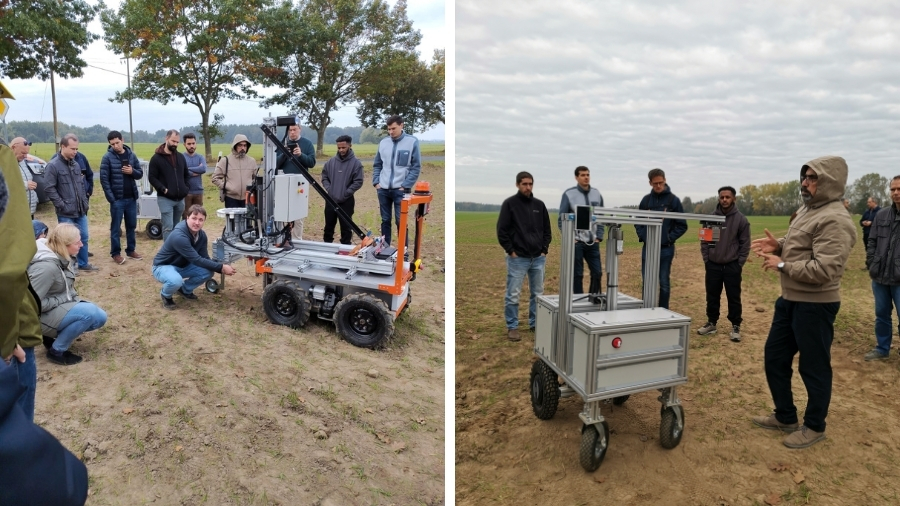
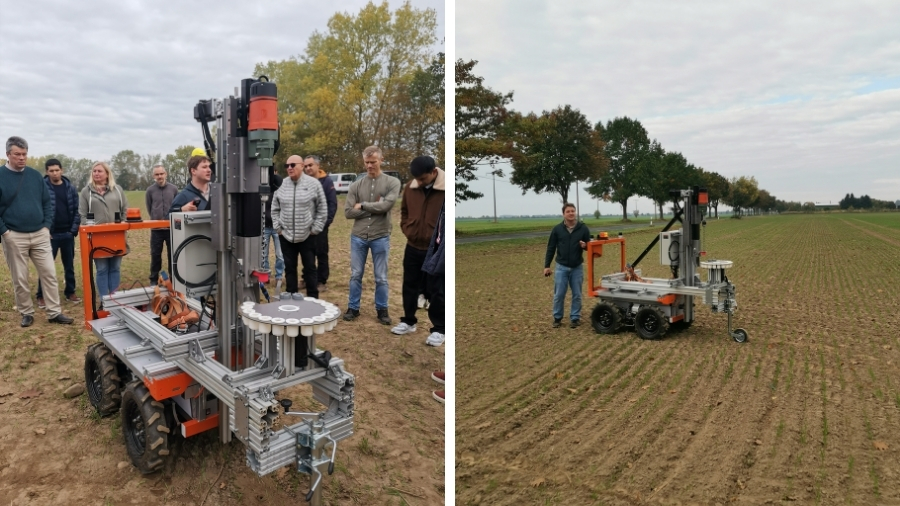
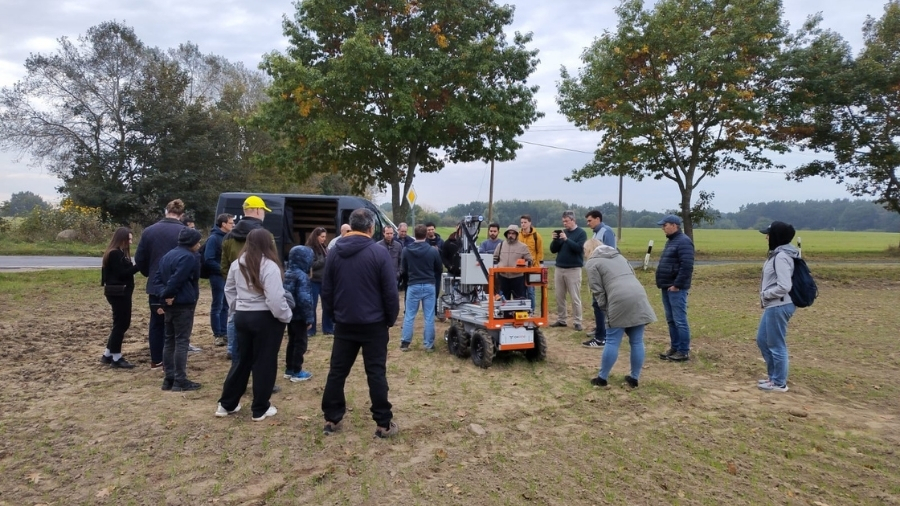
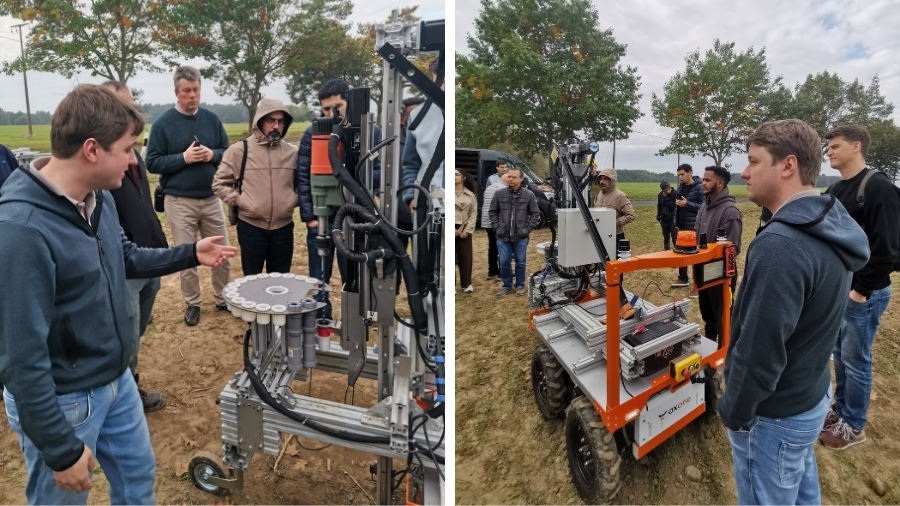
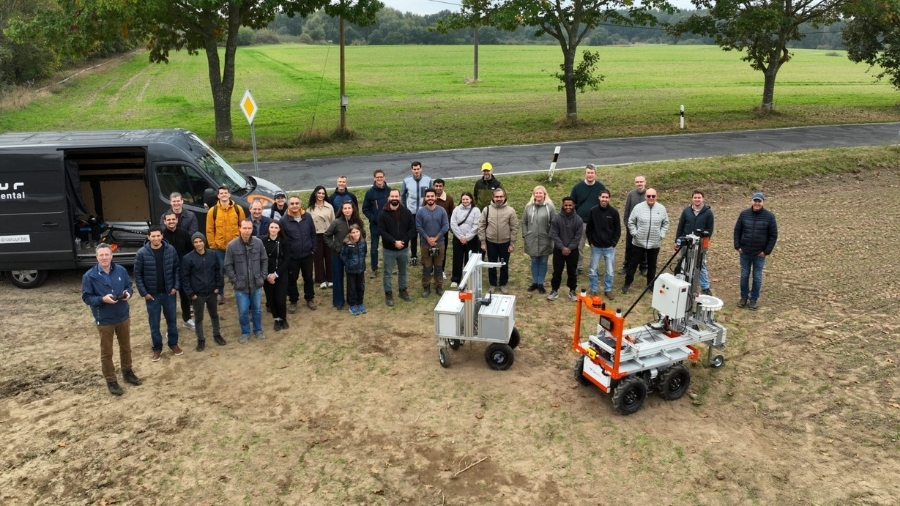
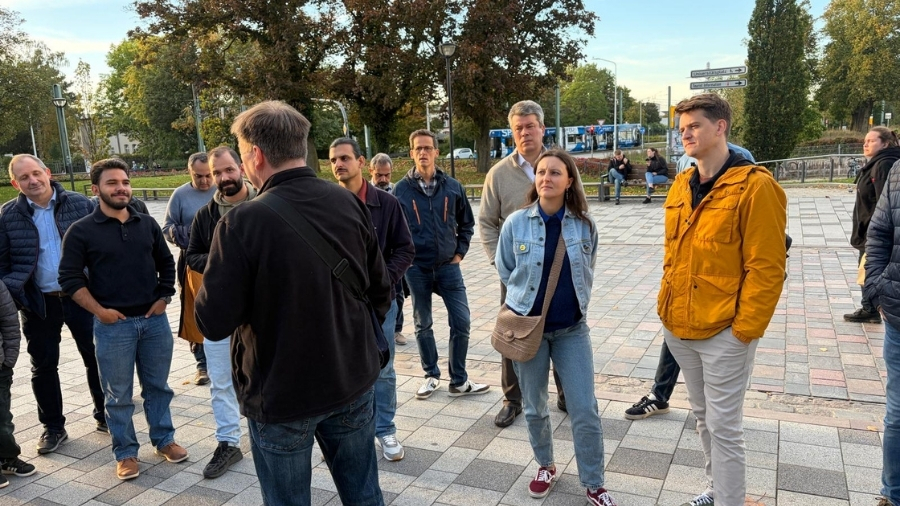
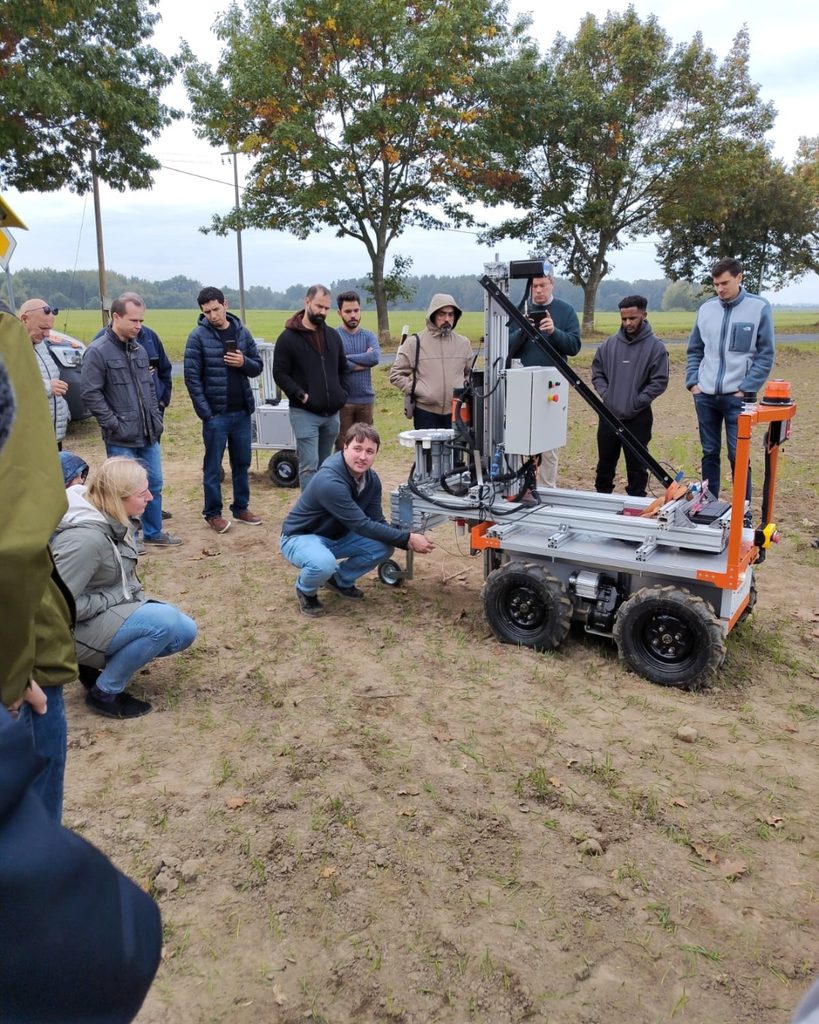
The consortium meeting concluded with a field trip to the Demmin Pilot Farm on 7 October.

Participants visited three sites of interest as well as the farm itself, gaining a closer view of daily agricultural operations and the technologies being used in the field. The programme also included demonstrations of two robotics platforms developed by UGent and Exobotics.

The field visit provided an important bridge between the technical discussions held during the meeting and the real-world conditions in which WHEATWATCHER technologies, sensing approaches and monitoring strategies are being tested.

Moving WHEATWATCHER forward together

Consortium meetings are an important part of a multidisciplinary project such as WHEATWATCHER.

They create the space to connect scientific results with technical development, compare progress across Work Packages, identify challenges and ensure that the different components of the project continue moving towards common objectives.

The Rostock meeting once again highlighted the value of collaboration across disciplines and organisations — from soil science, sensing and robotics to modelling, decision support, traceability, communication and exploitation.

With new data, experiments, tools and field activities continuing across Europe, the consortium now moves into the next phase of work with a shared focus on turning WHEATWATCHER’s research into practical knowledge and solutions for healthier soils, more resilient crops and more sustainable wheat production.

WHEATWATCHER at the Soils for Europe Conference 2026

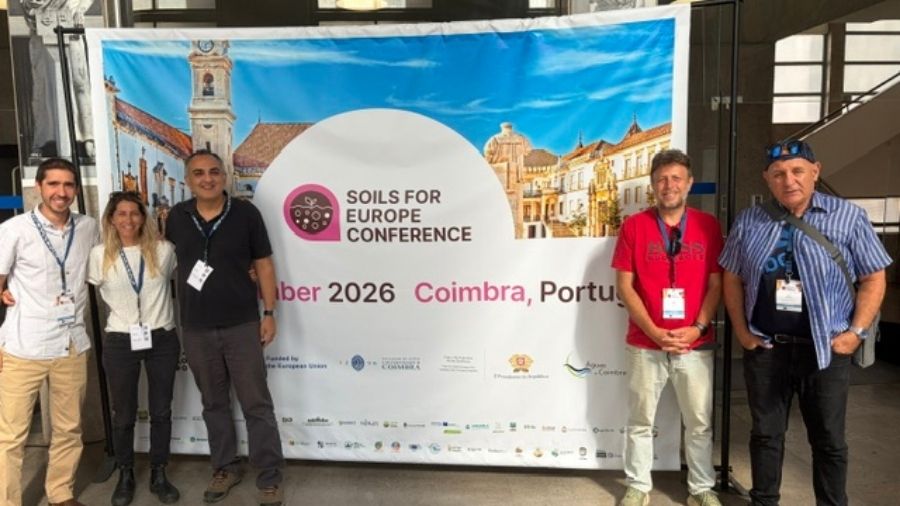
WHEATWATCHER was strongly represented at the Soils for Europe Conference 2026, held at the University of Coimbra, Portugal, from 7 to 11 September 2026.

The conference brought together the European soil community to exchange knowledge, present new research and discuss how science and innovation can contribute to healthier soils and support the objectives of the EU Mission “A Soil Deal for Europe”.

WHEATWATCHER partners from GFZ Helmholtz Centre for Geosciences, Tel Aviv University, IUNG and the Czech University of Life Sciences Prague contributed to the project’s presence at the conference, highlighting different aspects of its work on soil monitoring, spectral sensing, artificial intelligence and controlled glasshouse research.

Bringing WHEATWATCHER into the European soil discussion

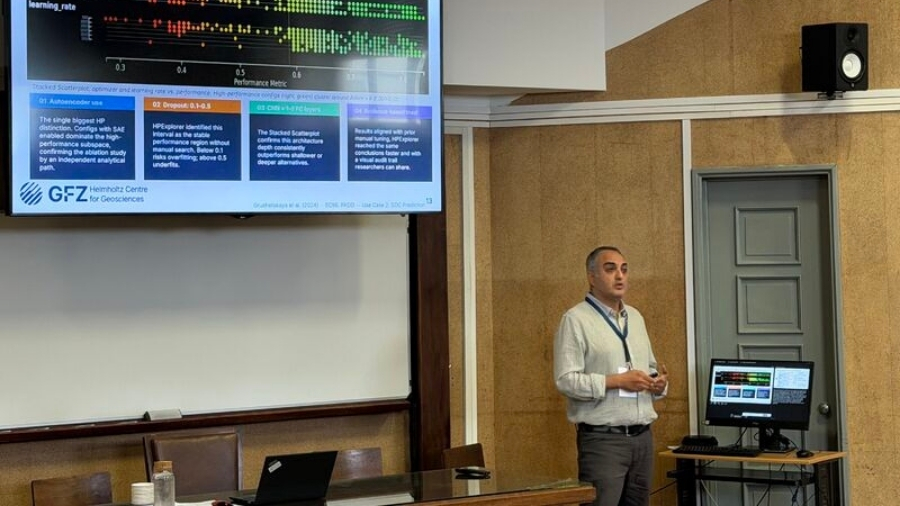
Dr. Mehdi Saberioon from GFZ Helmholtz Centre for Geosciences represented WHEATWATCHER during the EUSO Forum session “Five Years On: Key Insights from the Mission Soil Program”.

His contribution focused on how open spectral libraries and explainable artificial intelligence can support faster, more affordable and more transparent approaches to soil monitoring.

These technologies connect closely with WHEATWATCHER’s wider approach, which combines sensing technologies, spectral information, field and laboratory data, modelling and digital tools to better understand soil and crop conditions.

His participation and presentation are explored in more detail in our dedicated article.

mehdi soils 4 eu

Understanding pollution signals through the soil, plant and grain continuum

Simon Futerman from Tel Aviv University also presented research carried out within WHEATWATCHER.

His presentation focused on controlled glasshouse experiments in which wheat was grown under four contaminants at three different concentration levels.

Throughout the experiments, proximal sensing of soil, vegetation and grain was conducted alongside microbiome sampling.

By observing how the soil, plants and associated microbial communities respond to different stress conditions, the research aims to explore whether contamination can be identified earlier through measurable biological and spectral signals.

This reflects an important part of the WHEATWATCHER approach, understanding what happens across the soil, plant and grain continuum rather than looking at each component separately.

Improving soil spectral measurements in the field

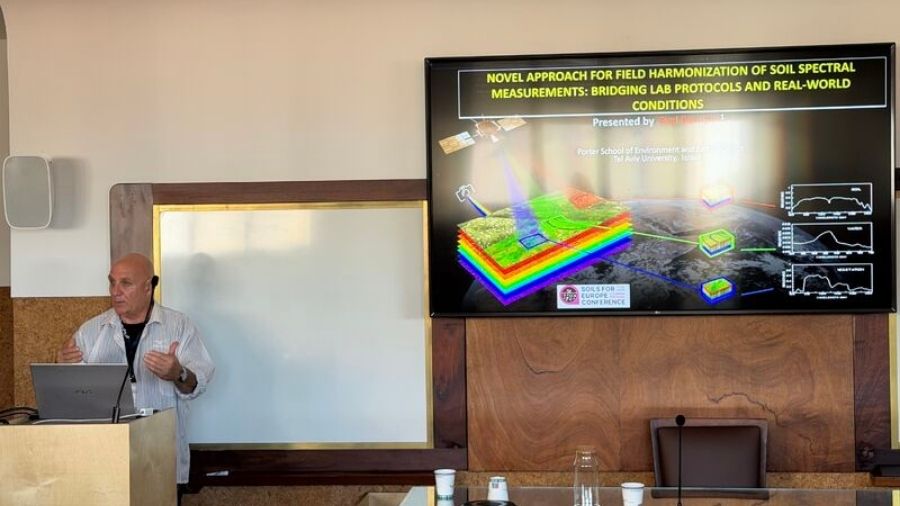
Prof. Eyal Ben-Dor from Tel Aviv University presented SoilPRO®, a device designed to improve the consistency of soil spectral measurements carried out directly in the field.

Soil spectroscopy can provide valuable information about soil properties, but measurements collected outside the laboratory can be affected by changing light conditions, measurement geometry and differences between operators or instruments.

SoilPRO® recreates controlled measurement conditions in the field, helping spectral measurements become more comparable with laboratory standards and more consistent across users, locations and instruments.

This is particularly relevant for digital soil monitoring, where reliable and comparable measurements are essential for developing robust datasets, predictive models and decision support tools.

A strong partner presence from across the consortium

In addition to the presentations delivered at the conference, WHEATWATCHER was also represented by several consortium partners who contributed to the project’s visibility and presence during the event.

Among them were Prof. Grzegorz Siebielec, Head of the Soil Science and Environmental Analyses Department at IUNG, João Augusto Coblinski from IUNG, and Dr. Vahid Kosravi from the Czech University of Life Sciences Prague.

Their presence reflected the collaborative and multidisciplinary nature of the WHEATWATCHER consortium, bringing together expertise from soil science, environmental analysis, crop monitoring, sensing technologies and data driven approaches.

Together with the other participating partners, they helped showcase the project’s active role within the wider Mission Soil community and reinforced WHEATWATCHER’s contribution to European dialogue on soil health and sustainable agriculture.

Connecting different layers of soil and crop monitoring

The contributions of WHEATWATCHER partners at the Soils for Europe Conference highlighted several complementary dimensions of the project.

From explainable AI and open spectral libraries, to controlled experiments examining contaminant stress, microbiome responses and improved field spectroscopy, each activity contributes to the same broader objective, generating reliable information about soil and crop health.

WHEATWATCHER is developing an integrated monitoring approach in which different technologies and datasets can work together to improve understanding of field variability, identify potential stressors and support better informed agricultural decisions.

WHEATWATCHER within the Mission Soil community

The Soils for Europe Conference created an important meeting point for researchers, practitioners, policymakers and EU funded projects working towards healthier soils.

WHEATWATCHER’s participation demonstrated how the project contributes to this wider European effort through research that connects soil science, crop monitoring, sensing technologies and digital innovation.

The presence of Dr. Mehdi Saberioon from GFZ Helmholtz Centre for Geosciences, Simon Futerman and Prof. Eyal Ben-Dor from Tel Aviv University, Prof. Grzegorz Siebielec and João Augusto Coblinski from IUNG, and Dr. Vahid Kosravi from the Czech University of Life Sciences Prague, provided an opportunity to share WHEATWATCHER’s work with the wider soil community and exchange knowledge with other initiatives working under Mission Soil.

Through these collaborations and scientific exchanges, WHEATWATCHER continues to strengthen the connection between research, technology and practical approaches for healthier soils and more sustainable wheat production.

mehdi soils 4 eu

Dr. Mehdi Saberioon Presents WHEATWATCHER at the Soils for Europe Conference 2026

WHEATWATCHER was presented at the Soils for Europe Conference 2026, held in Coimbra, Portugal, from 7 to 11 September 2026.

The project was represented by Dr. Mehdi Saberioon from GFZ Helmholtz Centre for Geosciences, partner of the WHEATWATCHER project, who contributed to the discussions on soil monitoring, spectral data and explainable artificial intelligence.

The Soils for Europe Conference brings together researchers, policymakers, land managers, practitioners, civil society and industry representatives to showcase the latest research and innovation developed across Europe under the EU Mission “A Soil Deal for Europe”.

WHEATWATCHER in the Mission Soil discussion

Dr. Mehdi Saberioon participated in the EUSO Forum session “Five Years On: Key Insights from the Mission Soil Program”, organised as part of the EU Soil Observatory Stakeholders Forum 2026.

The session brought together Mission Soil projects and experts to share key findings from the programme and discuss how research outputs can contribute to European soil policies.

During the session, Dr. Saberioon presented how open spectral libraries and explainable AI can make soil monitoring faster, cheaper and more transparent for decision-makers.

This topic is closely connected to WHEATWATCHER’s work, which combines sensing technologies, soil and crop data, spectral analysis and digital tools to support more reliable soil and crop health monitoring.

Open spectral libraries for better soil monitoring

Spectral libraries are important resources for soil research because they connect spectral measurements with soil properties and conditions.

By using open spectral libraries, researchers can improve access to comparable soil information and support the development of more transparent monitoring methods. These resources can help transform complex soil data into practical insights that support research, policy and agricultural decision-making.

Within WHEATWATCHER, spectral data are part of a wider monitoring approach that links field measurements, laboratory analysis, remote sensing and modelling. This supports the project’s ambition to better understand soil conditions and crop responses across different pilot sites.

Explainable AI for transparent decision-making

Artificial intelligence can help process large and complex datasets, but transparency is essential when AI-based outputs are used to support environmental and agricultural decisions.

Explainable AI aims to make model outputs easier to understand, helping users see how data are interpreted and why a specific result or recommendation is generated.

For soil monitoring, this can be especially important. Decision-makers, farmers, researchers and advisors need reliable information that is not only accurate, but also understandable and trustworthy.

By connecting explainable AI with soil spectral data, WHEATWATCHER contributes to a more transparent approach to digital soil monitoring.

Connecting research with European soil policy

The Soils for Europe Conference provided an important space for Mission Soil projects to exchange knowledge and demonstrate how research can support the future of soil health in Europe.

The EUSO Forum session, organised by Dr. Panos Panagos, Scientific/Research Officer and Project Leader of the EU Soil Observatory, highlighted the role of Mission Soil projects in generating knowledge, tools and data that can inform European soil policies.

Alongside WHEATWATCHER, several projects and research teams presented work on soil health assessment, soil pollution, Living Labs, soil biodiversity, microplastics, microbial functioning, pesticide residues and land degradation.

This wider context shows the importance of connecting different scientific approaches to build a more complete understanding of soil health across Europe.

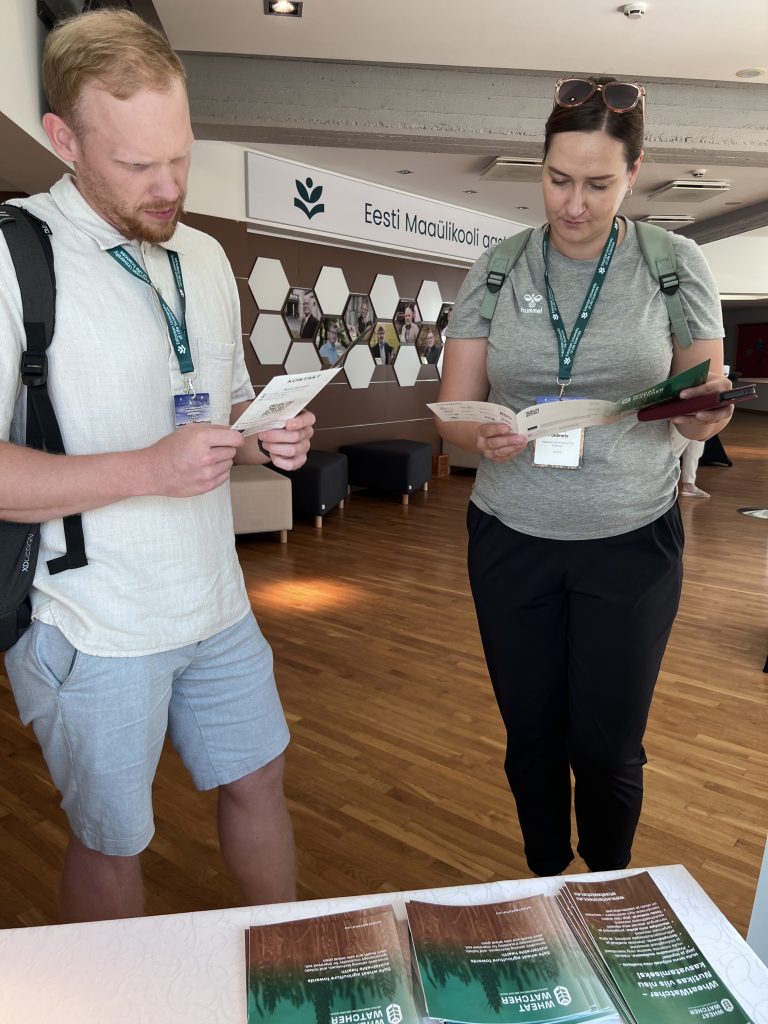
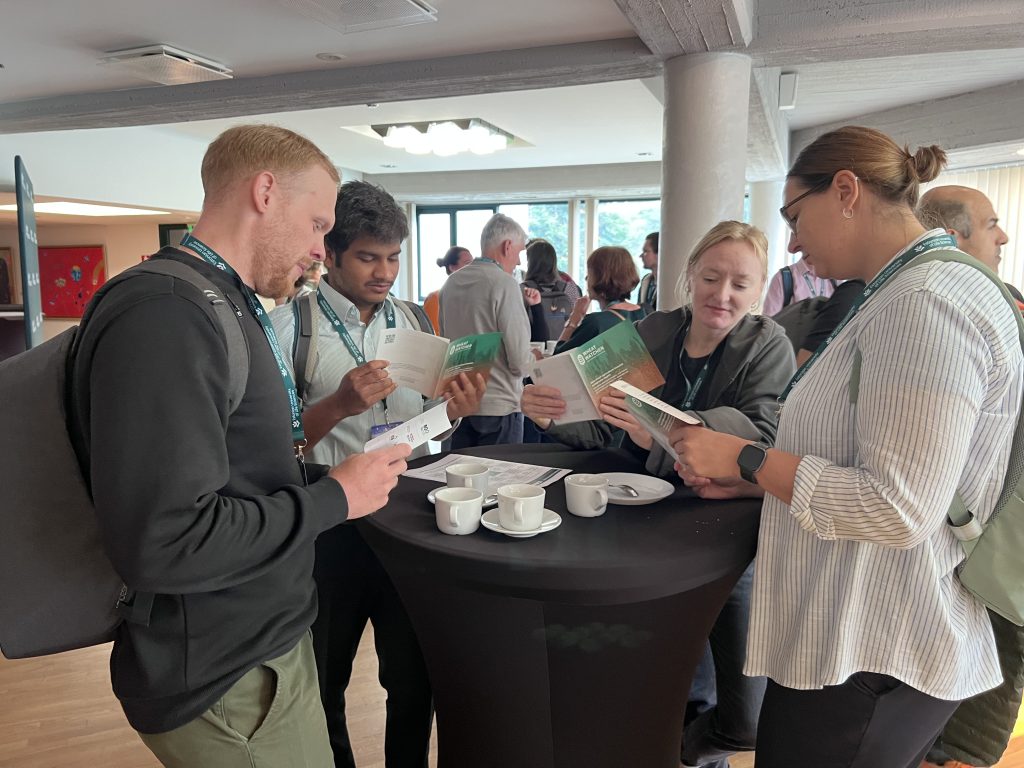
WHEATWATCHER at ESA2026

WHEATWATCHER at the European Society for Agronomy in Tartu, Estonia

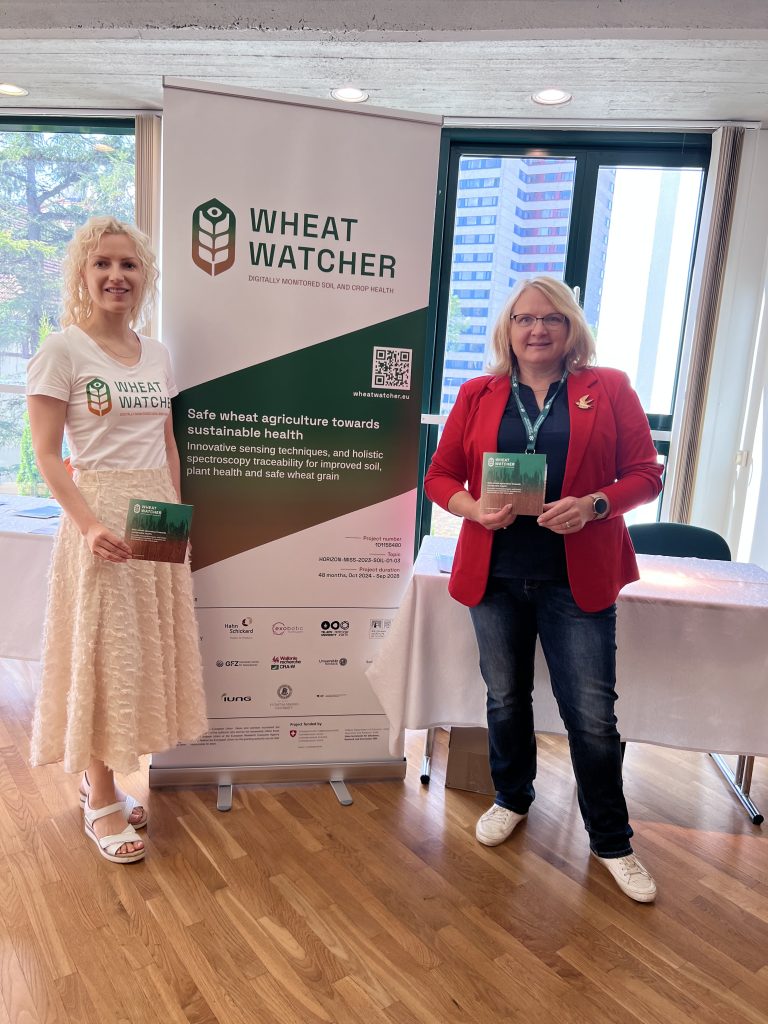
WHEATWATCHER partners participated in the 19th Congress of the European Society for Agronomy, ESA2026, held in Tartu, Estonia, from 24 to 28 August 2026.

The project was represented by Roosi Soosaar from NGO Soil Innovation Cluster and Zita Kriaučiūnienė from Vytautas Magnus University Agriculture Academy, both partners of the WHEATWATCHER consortium.

ESA2026 brought together agronomists, researchers, practitioners and policymakers to discuss the future of European crop production, with a focus on sustainable agriculture, resilient farming systems and the role of innovation in addressing current agronomic challenges.

Connecting WHEATWATCHER with the agronomy community

Participation in ESA2026 offered an important opportunity to connect WHEATWATCHER with the wider European agronomy community.

The congress discussions highlighted several topics closely linked to the project’s work, including Decision Support Systems, reliable field data, soil and crop sensing platforms, pesticide reduction, food traceability and the connection between soil health, plant health and grain quality.

These themes are central to WHEATWATCHER’s mission to develop advanced monitoring tools and data-driven approaches for more sustainable wheat production.

From field data to practical recommendations

A key message emerging from ESA2026 was the growing importance of Decision Support Systems that can connect soil, crop and economic data.

Within WHEATWATCHER, data from stationary sensing, mobile soil scanning, mobile crop scanning and remote sensing platforms are brought together to support soil and crop health monitoring, food traceability and more informed farm-level decisions.

By transforming raw sensing data into actionable insights, the project aims to support farmers, researchers and policymakers with practical tools for soil and crop management.

Reliable sensing platforms for real field conditions

Another important topic discussed at the congress was the reliability of field data.

For data-driven agriculture to work in practice, sensing platforms must be built, calibrated and validated under real soil and crop conditions. WHEATWATCHER addresses this challenge by developing and testing complementary monitoring technologies, including autonomous stationary platforms, mobile soil systems and robotic crop sensing tools.

This work helps ensure that the data used in predictive models and decision-support applications can be trusted and applied in real agricultural environments.

WHEATWATCHER at ESA2026

Soil health, food safety and traceability

WHEATWATCHER also contributes to the discussion on how soil conditions can influence plant health and food safety.

The project investigates the links between soil chemistry, soil biology, crop performance and grain quality. As part of this work, WHEATWATCHER has identified 33 food quality and safety indicators for wheat across seven categories and gathered stakeholder feedback from 318 respondents in nine countries.

This work supports a soil-to-grain perspective, helping explore how improved traceability can contribute to cleaner wheat production and more transparent agricultural value chains.

Supporting sustainable wheat production in Europe

The participation of Roosi Soosaar and Zita Kriaučiūnienė at ESA2026 strengthened WHEATWATCHER’s visibility within an important European forum for agronomy and crop science.

By engaging with the latest scientific discussions on crop production, soil health and agricultural innovation, WHEATWATCHER continues to connect its research activities with the needs of farmers, researchers, policymakers and value-chain actors.

The project’s presence at ESA2026 reflects its wider commitment to advancing soil and crop monitoring, supporting data-driven decision-making and contributing to more sustainable and resilient wheat production systems across Europe.

Building on previous technical milestones

Field Campaign in Germany

GFZ Team Conducts Field Campaign in Germany

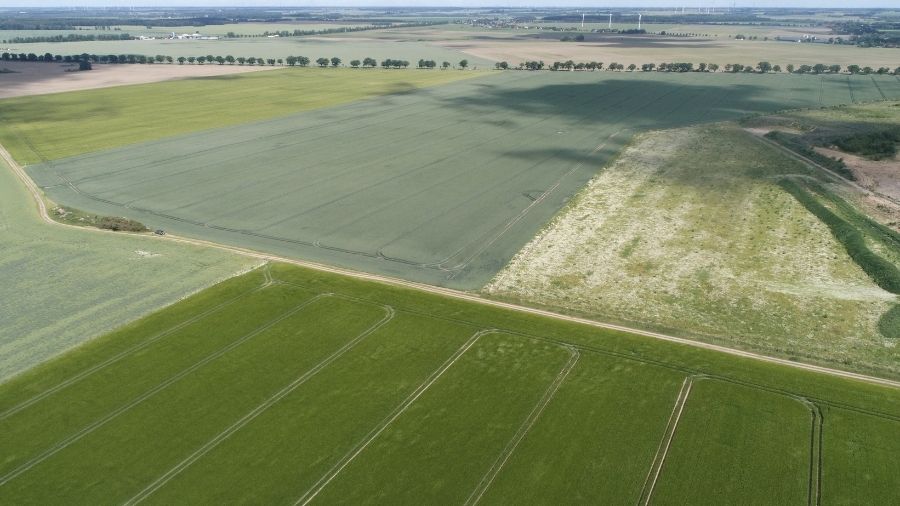
As part of the WHEATWATCHER project, the GFZ team carried out a field campaign in the DEMMIN area of northeastern Germany, focusing on hyperspectral measurements and winter wheat sampling.

The field work was conducted by Asmaa Abdelbaki and Thomas Piernicke from GFZ at a 50 ha site. During the campaign, the team visited 32 points of interest across the field, collecting hyperspectral measurements with ASD FieldSpec devices at each location.

These measurements are an important part of WHEATWATCHER’s work to improve soil and crop health monitoring through advanced sensing technologies. Hyperspectral data can provide detailed information about crop conditions and variability across the field, supporting a better understanding of plant development and site-specific agricultural challenges.

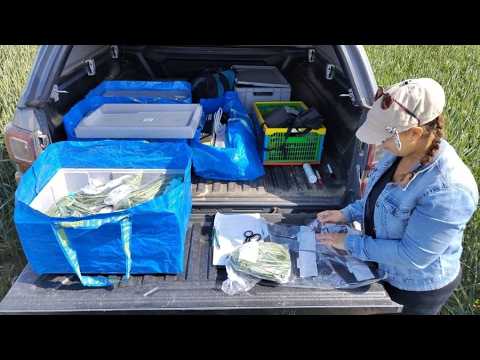
Alongside the field measurements, the GFZ team also collected winter wheat samples from each point of interest. At every sampling point, wheat samples were taken along three 1 m lines. To preserve the quality of the samples, they were immediately cooled and vacuum-sealed on site.

The samples were then transported the following day to the Czech University of Life Sciences in Prague, where they will undergo chemical analysis. This next step will help connect the field-based hyperspectral measurements with laboratory data, contributing to the development of more reliable monitoring approaches within the project.

By combining field measurements, crop sampling and chemical analysis, WHEATWATCHER partners are working to generate high-quality datasets that can support more accurate soil and crop monitoring. These activities contribute to the project’s wider goal of developing digital tools and data-driven approaches for smarter, more sustainable wheat production systems.
The campaign in Germany highlights the collaborative work of WHEATWATCHER partners and the importance of field-based research in transforming sensing data into practical knowledge for agriculture.

YouTube video player
eu green week webinar

EU Green Week partner event: Digital Innovations for Soil Health

WHEATWATCHER co-organised an online EU Green Week Partner Event “Digital Innovations for Soil Health”, organised in the framework of EU Green Week 2026.

The event brought together four European research and innovation projects, WHEATWATCHER, STELLA, E-SPFdigit and NitroScope, to explore how digital technologies can contribute to healthier soils, sustainable agriculture and more informed decision making in the field.

The webinar was held online on 3 June 2026 and focused on the role of digital tools, soil sensing technologies, stakeholder engagement and multi sensor platforms in supporting soil health monitoring and sustainable farming practices.

EU Green Week 2026 is focused this year on the theme “Investing in nature”, highlighting the importance of nature based action, resilient ecosystems and sustainable development. In this context, the webinar underlined the essential role of healthy soils as a foundation for food production, biodiversity, climate resilience and rural prosperity.

During the webinar, our scientific coordinator, Antonios Morellos from Ghent University, presented the project’s work on proximal soil sensing for fertility zone delineation in wheat fields. His presentation explained how WHEATWATCHER is developing an integrated digital monitoring system for wheat production, linking soil health, plant health and food traceability from field growth to flour production.

Collaboration across EU Mission Soil projects

The webinar demonstrated the value of collaboration across projects working within the broader soil health and digital agriculture ecosystem.

Each project contributed a different perspective:

WHEATWATCHER focused on proximal soil sensing and fertility zone delineation in wheat fields.

STELLA presented data driven tools for pest surveillance and agricultural decision support.

E-SPF Digit highlighted stakeholder needs and adoption challenges for on site digital soil monitoring.

NitroScope presented high resolution soil sensing approaches for sustainable nitrogen management.

The discussion showed that digital innovation is not only about developing advanced technologies. It is also about ensuring that these tools are reliable, understandable, validated and useful for real decisions in the field.

YouTube video player
EU GREEN WEEK

Digital Innovations for Soil Health: EU Green Week Partner Event

WHEATWATCHER is participating in the upcoming EU Green Week Partner Event, titled “Digital Innovations for Soil Health”, taking place online on 3 June 2026, from 10:00 to 11:30 CET.

The webinar will bring together four European research and innovation projects WHEATWATCHER, STELLA, E-SPF Digit, and NitroScope to explore how digital technologies can support soil health, sustainable farming, and data-driven decision-making in agriculture.

The event is organised in the context of EU Green Week 2026, which focuses on the theme “Investing in nature – rewarding for people and business”.

About the Webinar

Soil health is essential for sustainable agriculture, food security, biodiversity, and climate resilience. At the same time, farmers and agricultural stakeholders increasingly need practical tools that can help them understand what is happening in the soil and make better decisions in the field.

The “Digital Innovations for Soil Health” webinar will focus on how digital tools, soil sensing technologies, multi-sensor platforms, and stakeholder-driven approaches can contribute to improved soil monitoring and more sustainable farming practices.

Through short presentations from participating projects, the webinar will highlight different perspectives on digital innovation for soil health from proximal soil sensing and fertility zone delineation to stakeholder engagement and high-resolution soil sensing platforms.

Event Agenda

The webinar will include the following sessions:

10:00 – 10:15 | WHEATWATCHER project
Potential of proximal soil sensing for fertility zone delineation in wheat fields
Speaker: Antonios Morellos, Ghent University, Scientific Project Manager, WHEATWATCHER project

10:15 – 10:30 | STELLA project
STELLA, sustainable and data-driven agriculture
Speaker: Christina Markou, AUA, Leader of Work Package 3 – STELLA Platform

10:30 – 10:45 | E-SPF Digit project
E-SPF Digital innovations for soil health: what stakeholders tell us
Speaker: Rita Barros Silva, APEMETA, Leader of Work Package 1 – E-SPF Digit framework design specifications & requirements under social inclusion

10:45 – 11:00 | NitroScope project
UGent Multi-Sensor Platform for High-Resolution Soil Sensing: 2026 Field Campaign Insights
Speaker: Muhammad Qaswar, Ghent University, Scientific Project Manager, NitroScope project

11:00 – 11:30 | Q&A Session
Questions and Answers

Join the Event

The webinar “Digital Innovations for Soil Health” will take place online on:

 Date: 3 June 2026
Time: 10:00 – 11:30 CET
Format: Online
Event type: EU Green Week Partner Event

Register here: https://shorturl.at/vSZdN

Why Digital Innovation Matters for Soil Health

Digital technologies are becoming increasingly important in agriculture, offering new ways to observe, measure, and understand soil and crop conditions. By combining sensing systems, data platforms, stakeholder input, and analytical tools, research projects can help bridge the gap between scientific knowledge and practical field applications.

This webinar aims to showcase how different projects are approaching this challenge, offering insights into technologies and methods that can support healthier soils and more sustainable farming systems.
More information about registration will be announced soon.

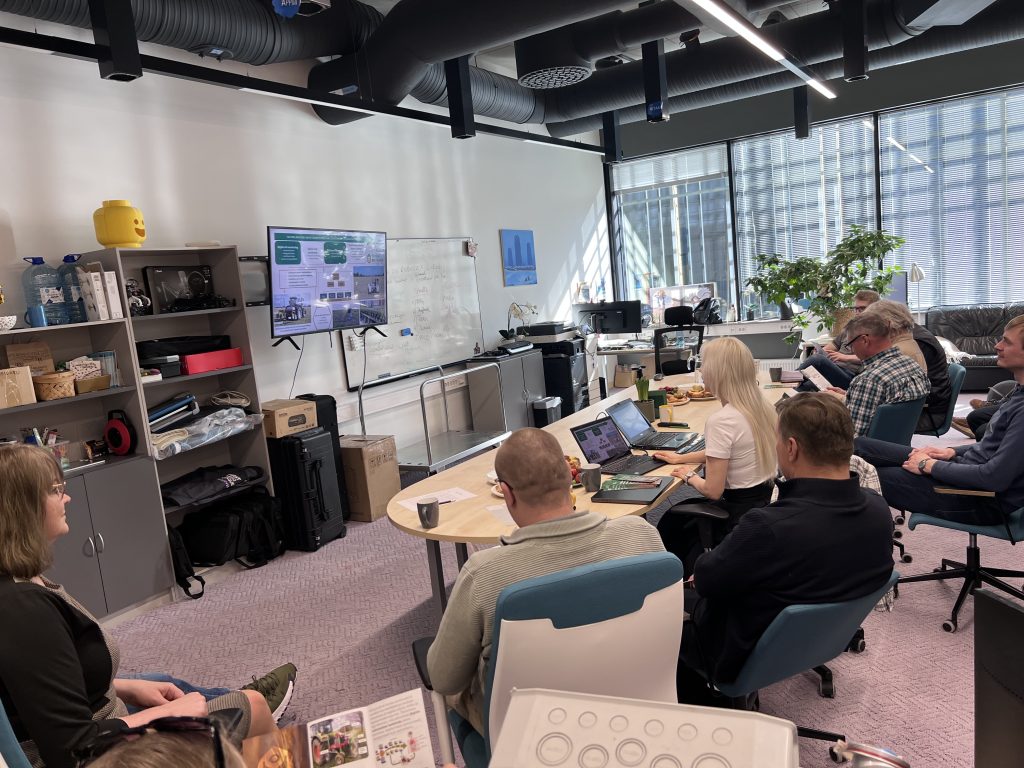
WHEATWATCHER Technologies Presented to Estonian Farmers

WHEATWATCHER Technologies Presented to Estonian Farmers

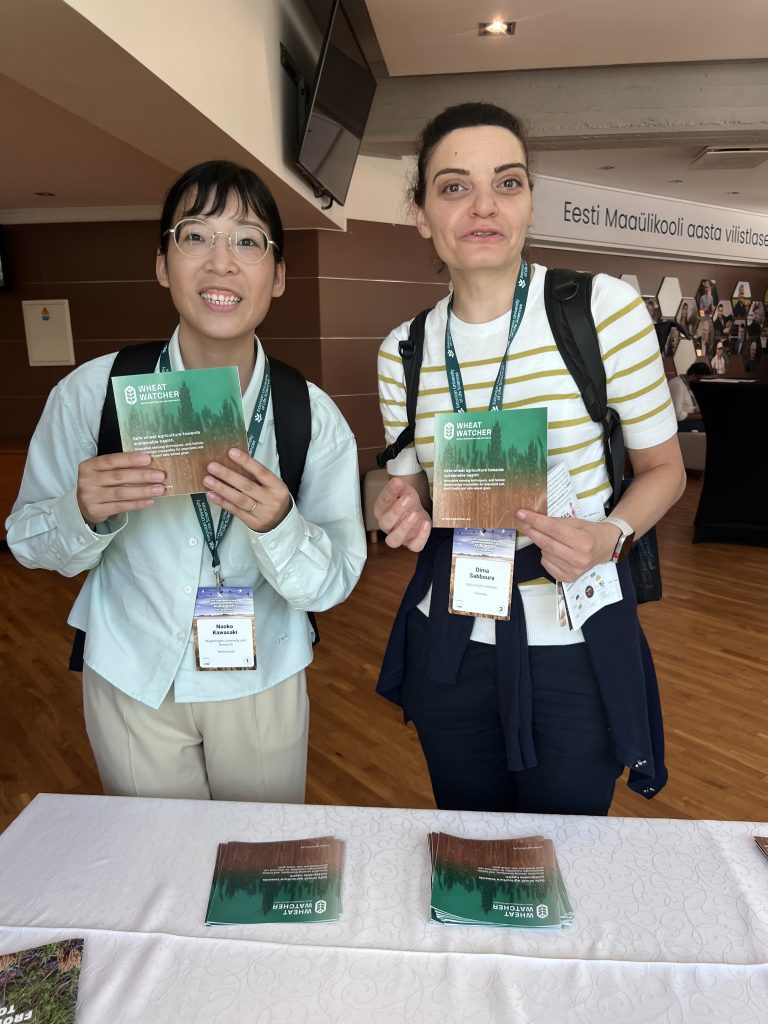
On 24 March, the WHEATWATCHER technologies were presented and discussed at a seminar for Estonian farmers. Technology and data-based farming is an important part of sustainable agriculture, and this seminar brought together farmers who are interested in agricultural development and innovation. Such collaboration helps ensure that the solutions developed are relevant, practical and easy to use.
We are currently working to identify the needs of the end‑users of these technologies so that the solutions can better support their work. Feedback from end-users supports the ongoing development of the WHEATWATCHER solutions and helps the consortium understand the factors that may influence the future uptake of the project’s results. This feedback increases the likelihood that the developed technologies will be successfully adopted in practice.

The seminar was organised together with Heilo Altin, a member of the WHEATWATCHER stakeholder board, who provides feedback and expert advice on both the developed technologies and stakeholder engagement.

Heilo Altin holds a Master’s degree in Computer Engineering and has over 15 years of experience in robotics. He has developed a 75-robot “bot farm” and numerous robotics solutions. In addition to being a senior expert in educational robotics in University of Tartu he is a farmer who continuously applies innovative data-based approaches in his farming practices.

Skip to content