WHEATWATCHER at the European Society for Agronomy in Tartu, Estonia
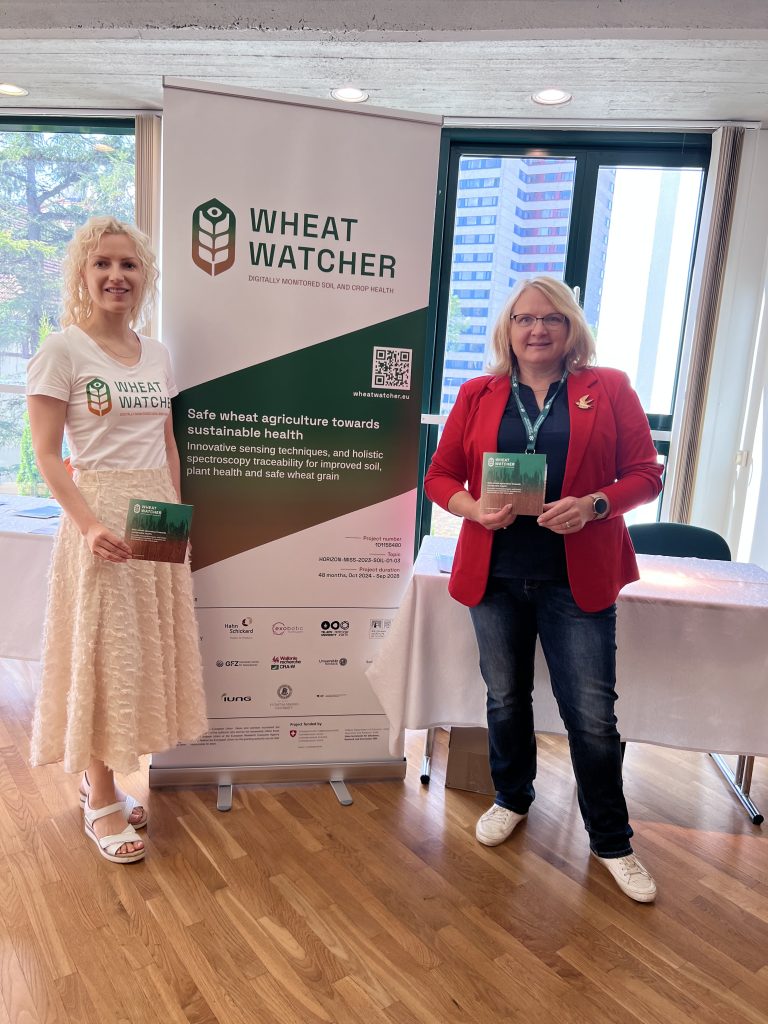
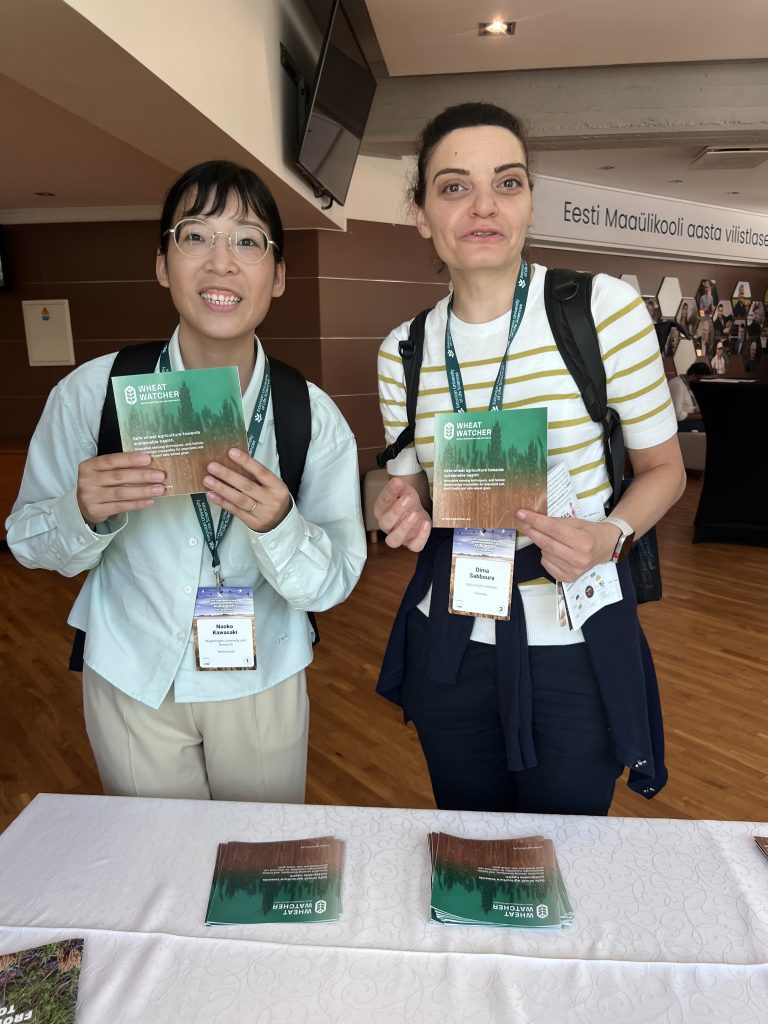
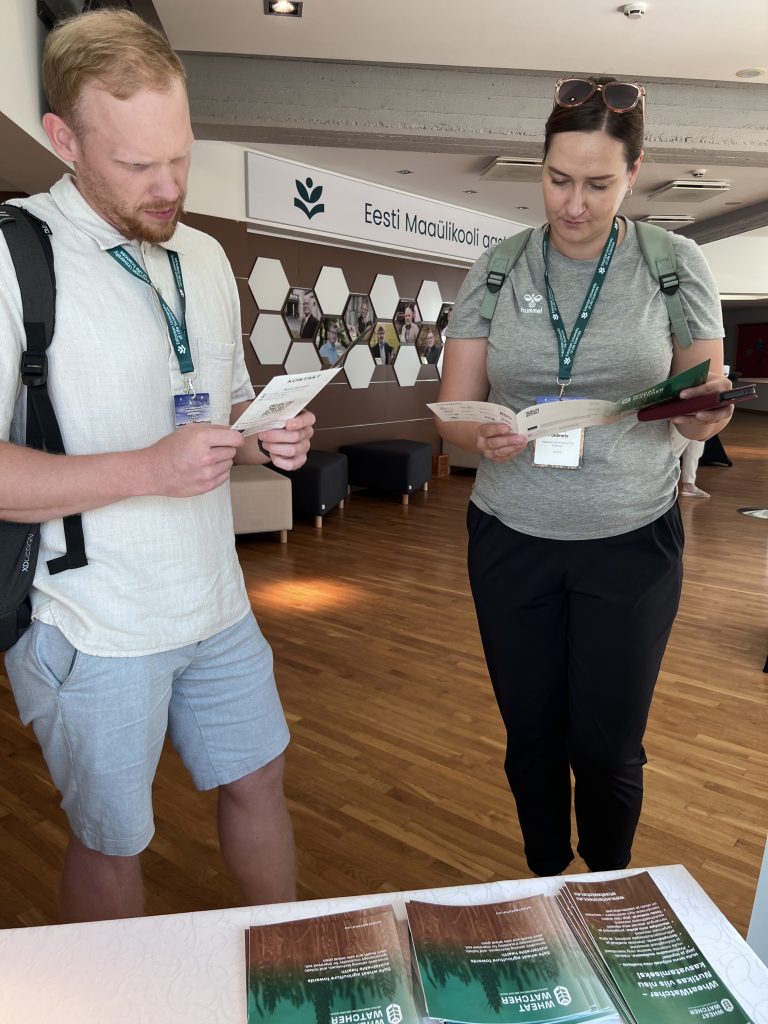
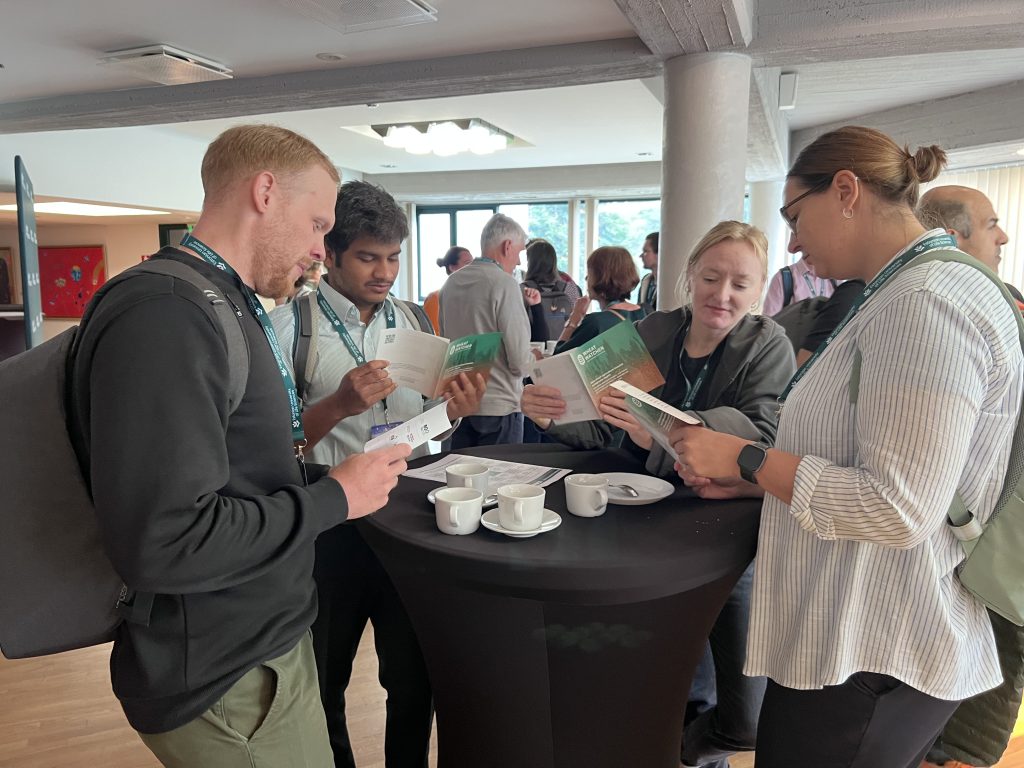
WHEATWATCHER partners participated in the 19th Congress of the European Society for Agronomy, ESA2026, held in Tartu, Estonia, from 24 to 28 August 2026.
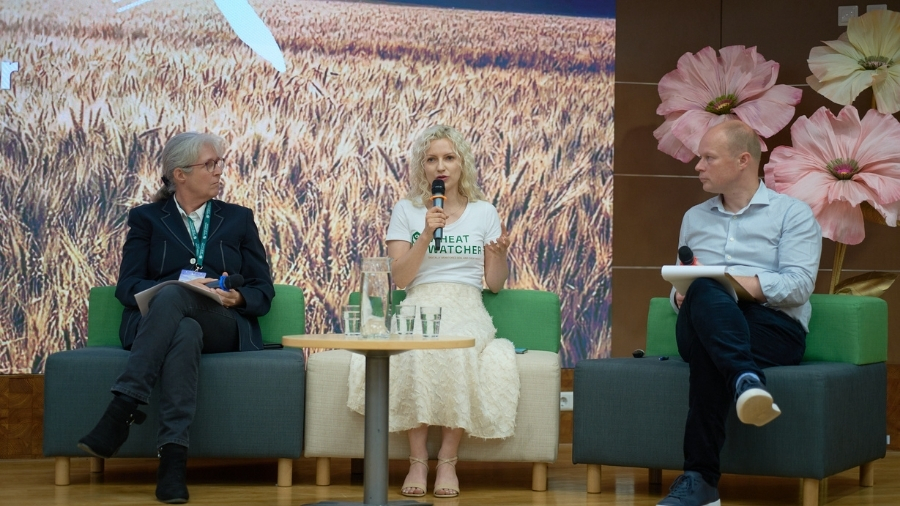
The project was represented by Roosi Soosaar from NGO Soil Innovation Cluster and Zita Kriaučiūnienė from Vytautas Magnus University Agriculture Academy, both partners of the WHEATWATCHER consortium.
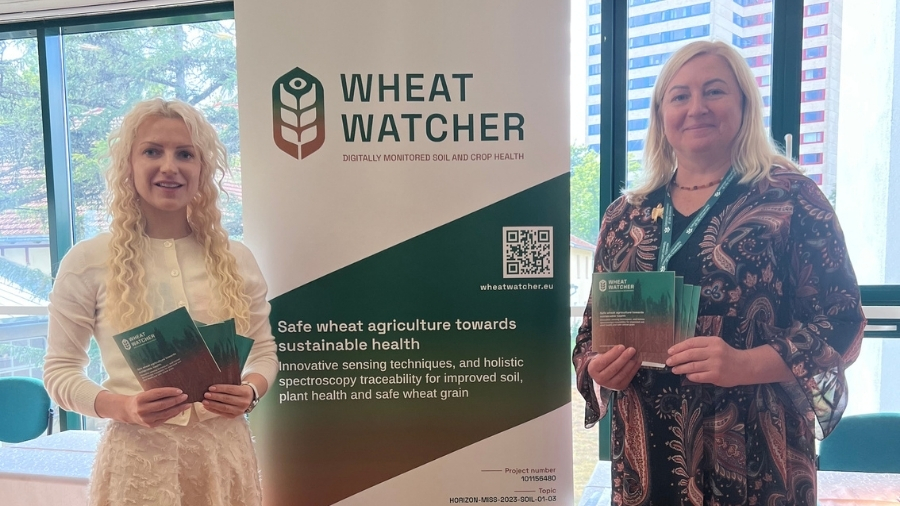
ESA2026 brought together agronomists, researchers, practitioners and policymakers to discuss the future of European crop production, with a focus on sustainable agriculture, resilient farming systems and the role of innovation in addressing current agronomic challenges.
Connecting WHEATWATCHER with the agronomy community
Participation in ESA2026 offered an important opportunity to connect WHEATWATCHER with the wider European agronomy community.
The congress discussions highlighted several topics closely linked to the project’s work, including Decision Support Systems, reliable field data, soil and crop sensing platforms, pesticide reduction, food traceability and the connection between soil health, plant health and grain quality.
These themes are central to WHEATWATCHER’s mission to develop advanced monitoring tools and data-driven approaches for more sustainable wheat production.
From field data to practical recommendations
A key message emerging from ESA2026 was the growing importance of Decision Support Systems that can connect soil, crop and economic data.
Within WHEATWATCHER, data from stationary sensing, mobile soil scanning, mobile crop scanning and remote sensing platforms are brought together to support soil and crop health monitoring, food traceability and more informed farm-level decisions.
By transforming raw sensing data into actionable insights, the project aims to support farmers, researchers and policymakers with practical tools for soil and crop management.
Reliable sensing platforms for real field conditions
Another important topic discussed at the congress was the reliability of field data.
For data-driven agriculture to work in practice, sensing platforms must be built, calibrated and validated under real soil and crop conditions. WHEATWATCHER addresses this challenge by developing and testing complementary monitoring technologies, including autonomous stationary platforms, mobile soil systems and robotic crop sensing tools.
This work helps ensure that the data used in predictive models and decision-support applications can be trusted and applied in real agricultural environments.
Soil health, food safety and traceability
WHEATWATCHER also contributes to the discussion on how soil conditions can influence plant health and food safety.
The project investigates the links between soil chemistry, soil biology, crop performance and grain quality. As part of this work, WHEATWATCHER has identified 33 food quality and safety indicators for wheat across seven categories and gathered stakeholder feedback from 318 respondents in nine countries.
This work supports a soil-to-grain perspective, helping explore how improved traceability can contribute to cleaner wheat production and more transparent agricultural value chains.
Supporting sustainable wheat production in Europe
The participation of Roosi Soosaar and Zita Kriaučiūnienė at ESA2026 strengthened WHEATWATCHER’s visibility within an important European forum for agronomy and crop science.
By engaging with the latest scientific discussions on crop production, soil health and agricultural innovation, WHEATWATCHER continues to connect its research activities with the needs of farmers, researchers, policymakers and value-chain actors.
The project’s presence at ESA2026 reflects its wider commitment to advancing soil and crop monitoring, supporting data-driven decision-making and contributing to more sustainable and resilient wheat production systems across Europe.
Building on previous technical milestones