Tag: soil monitoring

WHEATWATCHER at European Mission Soil Week 2026

WHEATWATCHER at European Mission Soil Week 2026: From Soil Data to Field Decisions

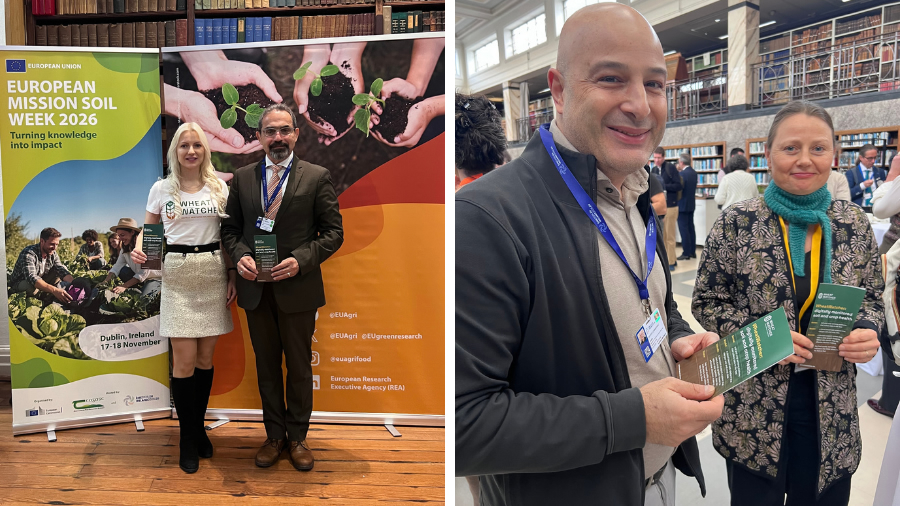
The European Mission Soil Week 2026 brought together researchers, policymakers, farmers and soil health experts in Dublin, Ireland, on 17–18 November, under the theme “Turning knowledge into impact.”

Hosted by Teagasc and the Irish Presidency of the Council of the EU, the event highlighted an important challenge: Europe is generating increasing amounts of soil data, but how can this scientific knowledge be transformed into practical solutions for farmers, advisors and policymakers?

For WHEATWATCHER, this question lies at the heart of the project’s mission. By connecting advanced soil and crop monitoring technologies with modelling and digital decision-support tools, WHEATWATCHER aims to help agricultural stakeholders make more informed decisions.

WHEATWATCHER was represented at the event by Prof. Abdul Mounem Mouazen from Ghent University, the project’s coordinator, representatives of ena Development Consultants, and NGO Soil Innovation Cluster.

Their participation reflected the project’s commitment to scientific innovation, knowledge exchange, stakeholder engagement and the dissemination of research outcomes across the European soil community.

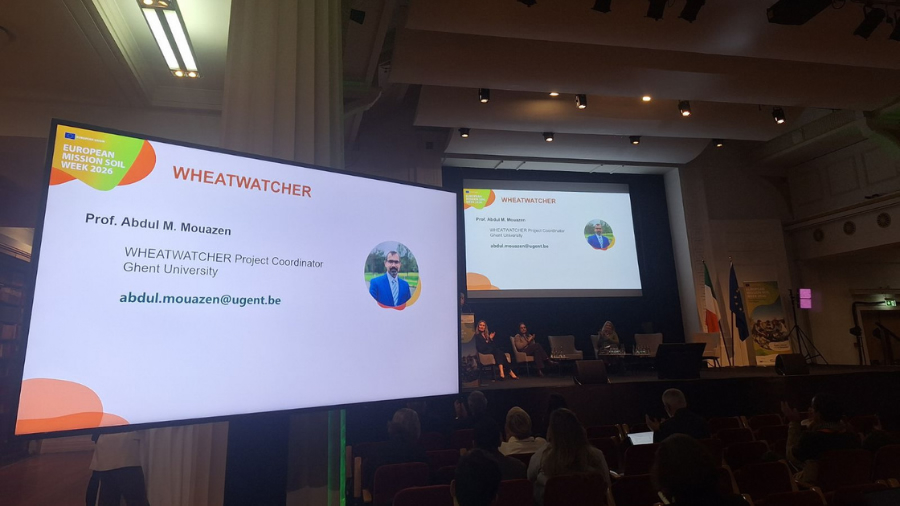
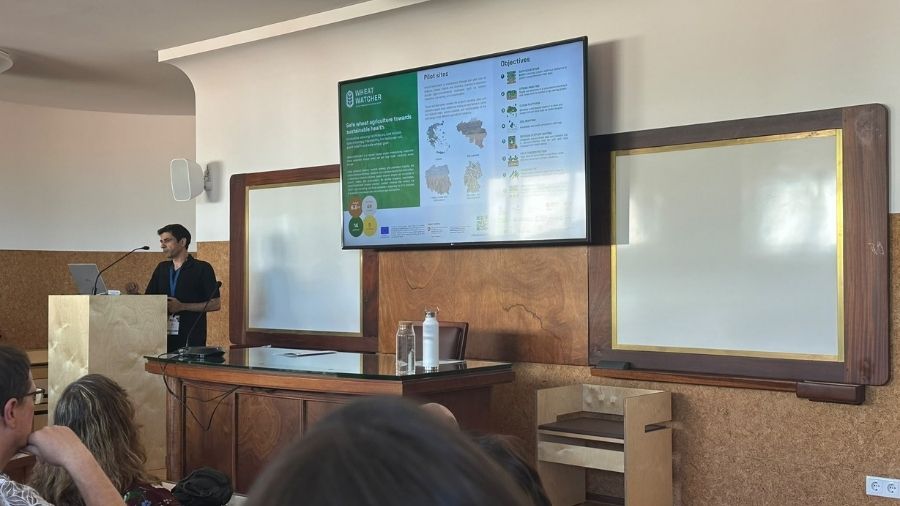
During the event, Prof. Mouazen presented two innovative technologies in the session dedicated to monitoring and assessing soil health.
From soil research to practical implementation

One of the central messages of European Mission Soil Week 2026 was the importance of moving beyond scientific research towards the practical implementation of innovative solutions.

Henri Delanghe, representing the European Commission’s Directorate-General for Agriculture and Rural Development (DG AGRI), emphasised the importance of deploying research outcomes and strengthening the connections between Horizon Europe, agricultural advisory services and the Common Agricultural Policy (CAP).

The EU Mission “A Soil Deal for Europe” has already mobilised substantial research investment and established a growing network of Living Labs, bringing together scientists, farmers and other stakeholders to develop and test solutions under real-world conditions.

This approach closely reflects WHEATWATCHER’s activities at its European pilot sites in Poland, Germany, Greece and Belgium, where advanced sensing technologies and monitoring methods are being developed, adapted and tested in agricultural environments.

Understanding Europe’s soil health challenges

The event also highlighted the continuing pressures affecting European soils.

Cristina Guarda, Member of the European Parliament, drew attention to the importance of addressing soil contamination and ensuring that soil health remains a European policy priority.

Meanwhile, Arwyn Jones from the European Commission’s Joint Research Centre (JRC) highlighted evidence of widespread soil degradation across the European Union.

Recent JRC research indicates that approximately 62% of EU soils are affected by at least one degradation process. Although improvements have been observed in indicators such as water erosion and phosphorus deficiency, other challenges, including soil organic carbon loss, phosphorus excess and soil sealing, continue to raise concerns.

With the EU Soil Monitoring Law now in force, systematic soil assessment is becoming increasingly important for understanding these pressures and supporting evidence-based action.

Within WHEATWATCHER, researchers are investigating soil contamination, nutrient conditions and other chemical and biological stressors, while exploring their relationships with crop development and grain quality.

By combining field measurements, laboratory analyses, sensing technologies and digital modelling, the project aims to provide a more complete picture of soil and crop conditions.

WHEATWATCHER innovations presented by Prof. Abdul Mouazen

A key moment for WHEATWATCHER came during the pitching session on Monitoring and Assessing Soil Health, where Prof. Abdul Mounem Mouazen introduced two technologies being developed within the project.

The first innovation was a robotic system equipped with a multi-sensor penetrometer, designed to investigate soil characteristics at different depths and provide detailed information about the soil profile.

The second was an online soil nitrate sensor, being developed to support more precise monitoring of nitrate conditions and contribute to improved nitrogen management in agriculture.

Both technologies reflect WHEATWATCHER’s approach to integrating innovative sensing methods with practical agricultural monitoring.

Rather than relying exclusively on conventional soil sampling and laboratory analysis, these developments aim to make relevant soil information more accessible and timely.

As the technologies continue to be developed and evaluated, their integration with other WHEATWATCHER monitoring systems could contribute to more detailed soil assessments and better-informed agricultural decisions.
Making soil knowledge useful for farmers

Beyond technological innovation, European Mission Soil Week placed particular emphasis on knowledge transfer and the practical adoption of research outcomes.

Karen Daly from Teagasc highlighted the importance of ensuring that scientific findings can be translated into agricultural advice, changes in management practices and policy support.

Similarly, Tomislav Hengl from the OpenGeoHub Foundation emphasised the need for soil data and digital solutions to remain relevant, up to date and accessible to their intended users.

These perspectives are particularly relevant to WHEATWATCHER.

The project is developing an integrated monitoring approach that connects data from stationary and mobile sensors, field and laboratory measurements, Earth observation and modelling with a digital decision-support system.

The objective is not simply to collect more information, but to make that information useful for farmers, millers and policymakers.

By considering the practical needs of agricultural stakeholders, WHEATWATCHER aims to support the transition from complex scientific datasets towards more accessible and actionable knowledge.

Turning knowledge into impact

European Mission Soil Week 2026 reinforced the importance of collaboration between research, technology, agricultural practice and policymaking.

For WHEATWATCHER, participation provided an opportunity to share emerging innovations, exchange knowledge with other European initiatives and contribute to discussions about the future of soil health monitoring.

The presence of Ghent University, ena Development Consultants and NGO Soil Innovation Cluster also highlighted the collaborative nature of WHEATWATCHER, bringing together expertise in scientific research, communication, dissemination and stakeholder engagement.

The event’s central message closely reflects the project’s ongoing work: scientific data becomes truly valuable when it can support decisions in the field.

Through its European pilot sites, innovative sensing technologies and integrated digital tools, WHEATWATCHER is working towards transforming soil and crop measurements into practical knowledge for more sustainable wheat production.

As European soil research continues to advance, connecting scientific innovation with real agricultural needs will remain essential for achieving healthier soils and more resilient food systems.
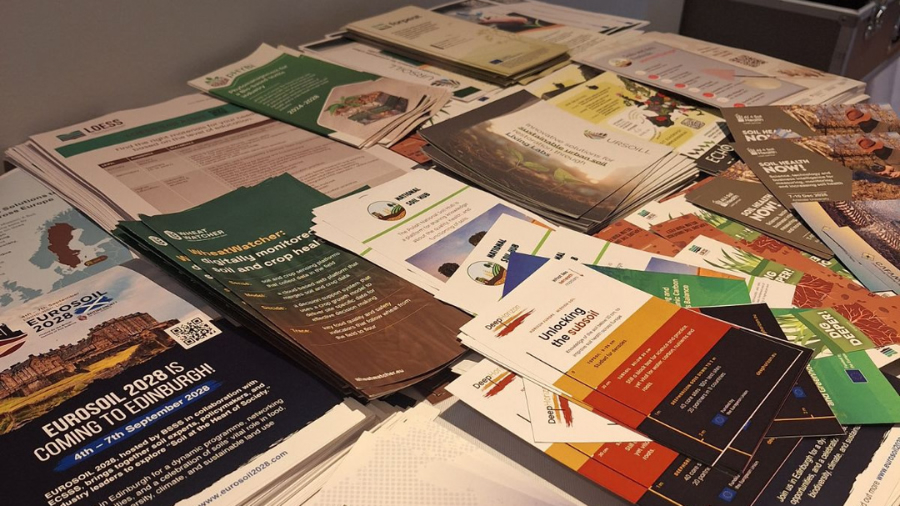
WHEATWATCHER stationary sensor installations

Robotic-Based Sensing and Sampling

The WHEATWATCHER project continues to advance its field monitoring activities with new stationary sensor installations in Germany and Lithuania, strengthening the collection and accessibility of environmental and soil data across Europe.

Following the recent WHEATWATCHER Consortium Meeting in Rostock, project partners carried out further sensor deployment activities, while a remotely coordinated installation in Lithuania marked another step in supporting the implementation of monitoring technologies across different locations.

Led by the expertise of the University of Applied Sciences and Arts Northwestern Switzerland (FHNW), these activities contribute to WHEATWATCHER’s objective of combining continuous field measurements with accessible digital data infrastructure.

Installing stationary sensors in Germany

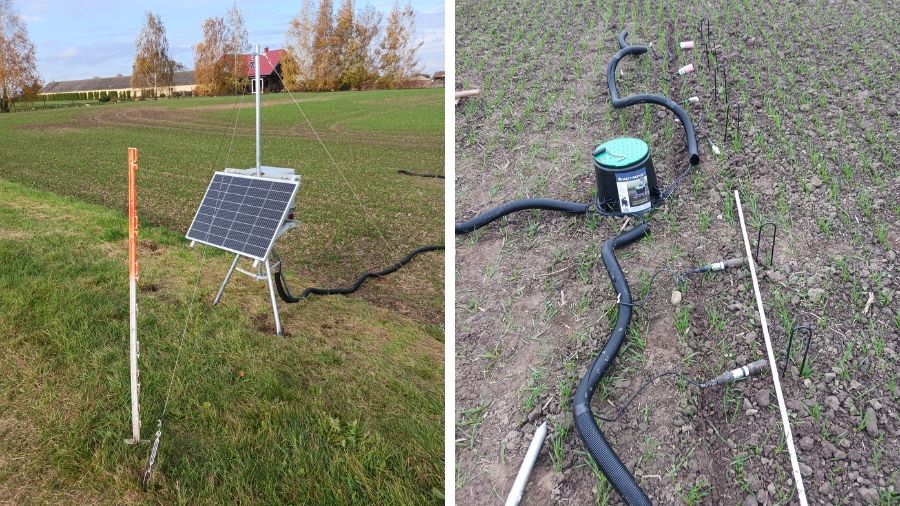
Following the WHEATWATCHER consortium meeting and field trip to the Demmin pilot area on 7 October 2026, Fabricio Parrillo (FHNW), Thomas Piernicke and Mehdi Saberioon (GFZ) carried out the installation of stationary sensor systems in Germany.

The activity built on the consortium’s discussions in Rostock, where partners reviewed progress in sensing technologies, field measurements, data integration and the development of digital monitoring tools.

Stationary sensor systems play an important role in the project’s monitoring approach. Unlike mobile sensing platforms, which collect measurements during specific field operations, stationary systems are designed to continuously monitor environmental and soil conditions over time.

Within WHEATWATCHER, these technologies support the measurement of parameters such as soil moisture, temperature and electrical conductivity, alongside atmospheric conditions.

Continuous observations help researchers examine how soil and environmental conditions change over time, providing valuable information for interpreting field measurements and supporting further analysis.

A remotely coordinated installation in Lithuania

The project’s sensor deployment activities also progressed in Lithuania.

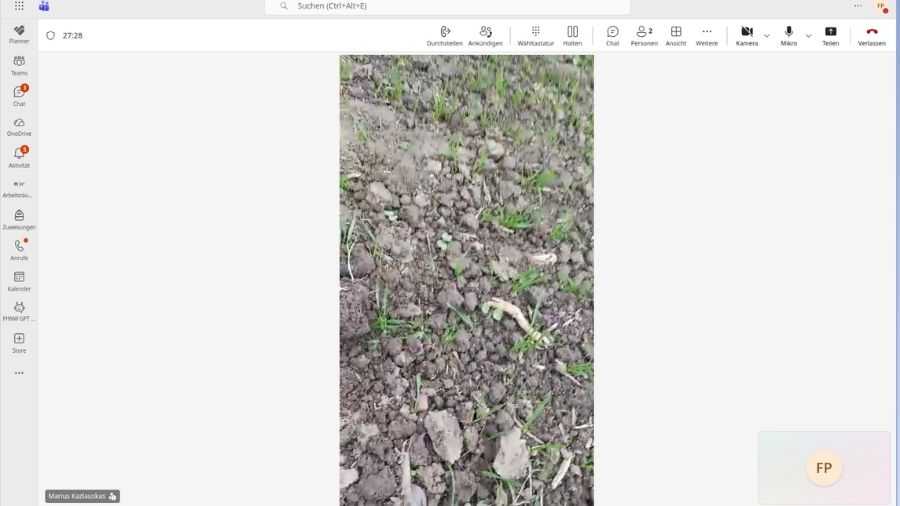
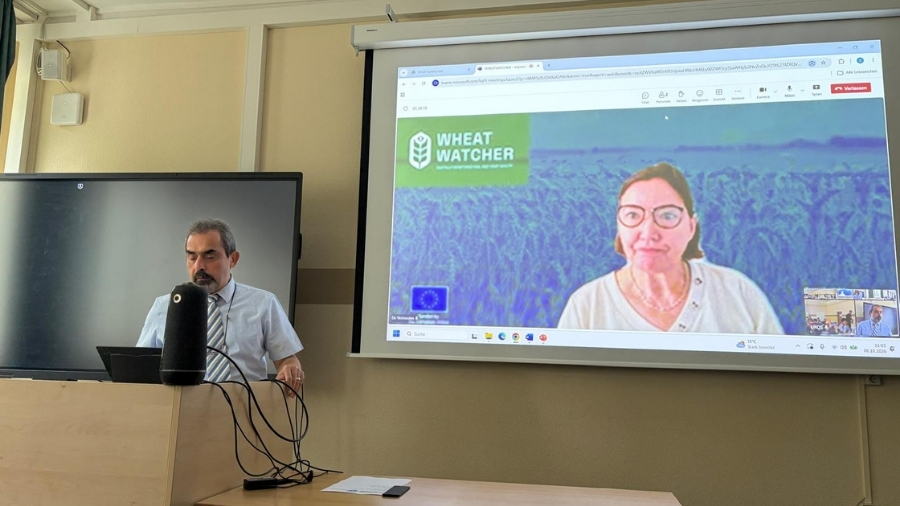
On 20 October 2026, Marius conducted the first remotely coordinated station installation through Microsoft Teams.

This activity demonstrated an alternative approach to installing monitoring equipment, allowing technical coordination and support to take place remotely rather than requiring all specialists to be physically present at the installation site.

Remotely supported installations can provide practical advantages for research projects operating across multiple European locations, particularly when coordinating technical expertise between partners.

The experience also contributes to WHEATWATCHER’s broader effort to develop monitoring solutions that can be implemented and supported in different field environments.

Connecting field measurements through the WHEATWATCHER Portal

An important aspect of these installations is not only the collection of measurements, but also how the resulting data can be accessed and used.

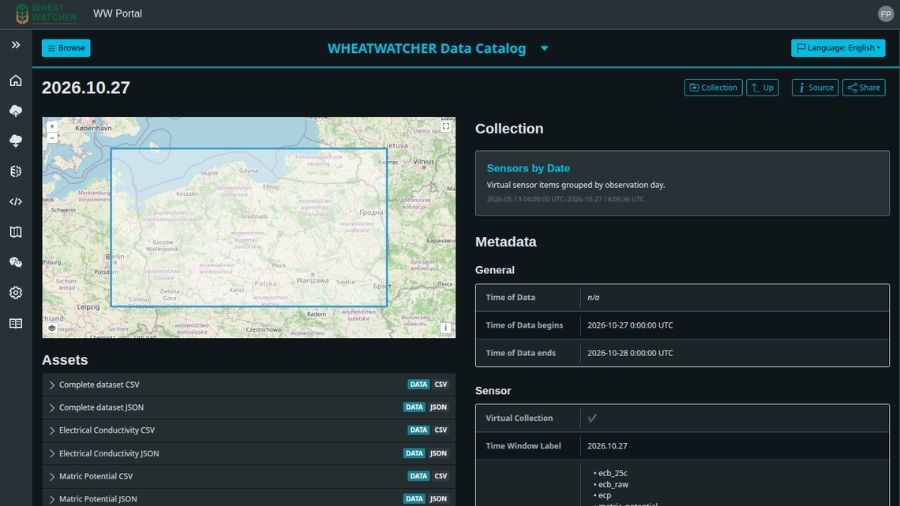
According to the FHNW team, data from the monitoring systems are made available through the WHEATWATCHER Portal, providing project partners with access to information collected through the project’s monitoring infrastructure.

The platform supports researchers and modellers in exploring available datasets and incorporating relevant measurements into their scientific work.

A key component of this approach is the use of SpatioTemporal Asset Catalogs (STAC), a standard for organising and describing data associated with specific locations and times.

Through the STAC Browser, project partners can explore available datasets, while the STAC API enables programmatic access for integration into modelling and data processing workflows.

This approach helps make monitoring information easier to discover and use across different research activities.

By connecting field measurements with digital data management tools, WHEATWATCHER supports the transition from individual sensor observations towards a more integrated approach to agricultural monitoring.

From continuous monitoring to better agricultural knowledge

The stationary sensor installations are part of WHEATWATCHER’s wider strategy to combine different sources of information, including field measurements, laboratory analyses, proximal sensing and remote sensing data.

Through this integrated approach, the project aims to improve understanding of soil properties, environmental conditions and factors influencing wheat development.

The information gathered from stationary sensors can contribute to modelling and mapping activities and support the continued development of WHEATWATCHER’s digital Decision Support System (DSS).

By making data available to researchers and project partners through a shared infrastructure, the project is working towards more consistent and informed assessments of agricultural conditions.

Robotic-Based Sensing and Sampling

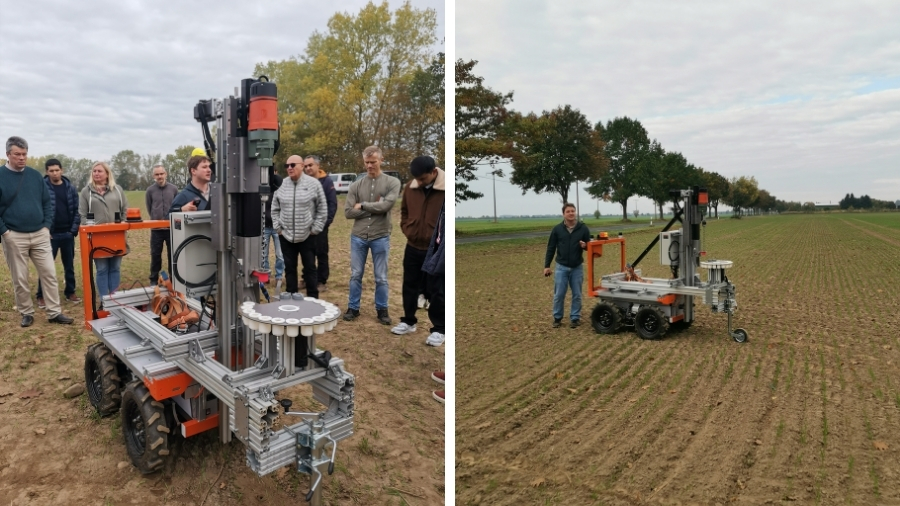
Advancing soil and crop monitoring requires technologies that can collect reliable information directly in agricultural fields. Within WHEATWATCHER, Exobotic Technologies is contributing its expertise in agricultural robotics to the development of an autonomous platform designed to combine soil and plant sampling with advanced sensing technologies.

By bringing together autonomous navigation, sampling tools and hyperspectral imaging, the platform aims to support more efficient field data collection and improve our understanding of how soil conditions influence crop health.

Bringing robotics into soil and crop monitoring

Traditional soil and plant sampling can be time-consuming and labour-intensive, particularly when researchers need to collect samples from multiple locations across large agricultural fields.

Robotic systems offer a different approach. By automating field navigation and sampling operations, they have the potential to increase sampling coverage, improve consistency and support more detailed assessments of soil and crop variability.

As part of Work Package 2 – On-site Sensor Platforms Development and Optimisation, WHEATWATCHER is developing complementary technologies for monitoring agricultural conditions.

Among these is a mobile robotic platform for crop sensing and sampling, being adapted by Exobotic Technologies in collaboration with Ghent University (UGent) and Hahn-Schickard (HSG-IMIT).

Exobotic’s autonomous robotic platform

Exobotic Technologies is a Belgian engineering company specialising in robotics, autonomous navigation, electromechanical design and AI applications.

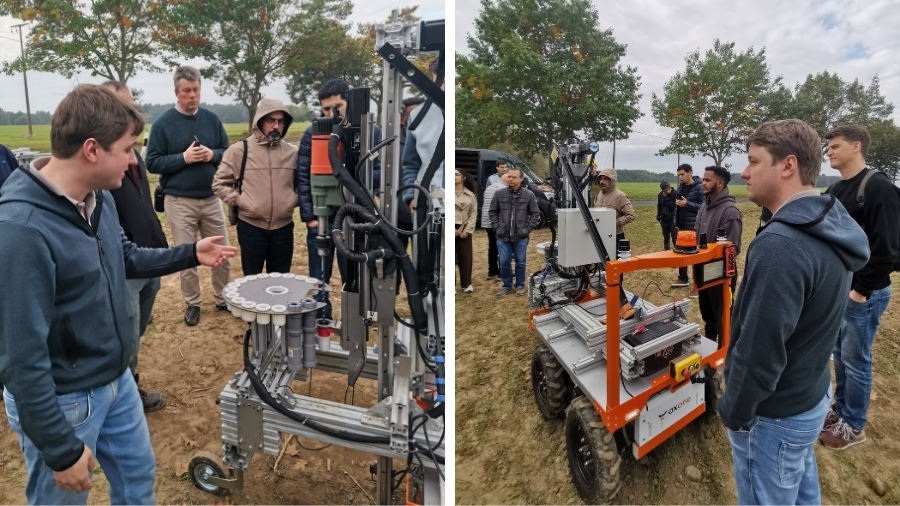
Within WHEATWATCHER, the company is adapting its existing A2 agricultural robotic platform to support the project’s soil and crop monitoring requirements.

The robotic platform is designed to follow efficient sampling routes based on geographical coordinates generated through WHEATWATCHER’s automated mapping activities.

Together, these capabilities aim to connect the physical collection of soil and crop samples with digital observations of field conditions.

From autonomous sampling to data-driven agriculture

The robotic platform is also connected to WHEATWATCHER’s broader digital monitoring framework.

Under the project’s planned approach, automated soil and crop maps can help identify locations where more detailed observations or sampling are needed.

These locations can then guide the robot’s navigation and sampling activities.

Information collected through robotic sensing can subsequently contribute to WHEATWATCHER’s modelling, mapping and data integration activities, alongside measurements from stationary sensors, laboratory analyses and remote sensing systems.
The goal is to move towards a more coordinated monitoring process, where information gathered from different sources supports the identification and assessment of soil and crop conditions.

By automating parts of the fieldwork, the technology also has the potential to reduce repetitive manual operations and make detailed sampling campaigns more practical.

Developing robotic solutions for real agricultural conditions

Adapting a robotic platform for agricultural monitoring involves more than autonomous movement.

The system must combine reliable navigation with lightweight sampling mechanisms capable of operating under varying field conditions.

As part of WHEATWATCHER, Exobotic is developing dedicated soil and plant sampling modules designed to be integrated into its robotic systems.
These developments are intended to support autonomous sampling and enable researchers to gather more detailed information about variability within agricultural fields.

Ongoing development and validation will be important for assessing how the combined platform performs in real agricultural environments.

Supporting the future of sustainable wheat production

Exobotic’s contribution demonstrates how robotics can complement soil science, sensing technologies and digital agriculture.

By combining autonomous mobility, targeted sampling and advanced imaging, WHEATWATCHER is working towards a more integrated approach to monitoring soil and crop conditions.

The development of robotic-based sensing and sampling technologies represents an important step towards collecting more detailed field information and connecting it with the project’s wider monitoring and decision-support framework.

Through collaboration between robotics specialists, researchers and agricultural experts, WHEATWATCHER aims to transform technological innovation into practical tools that can contribute to healthier soils, better crop monitoring and more sustainable wheat production across Europe.

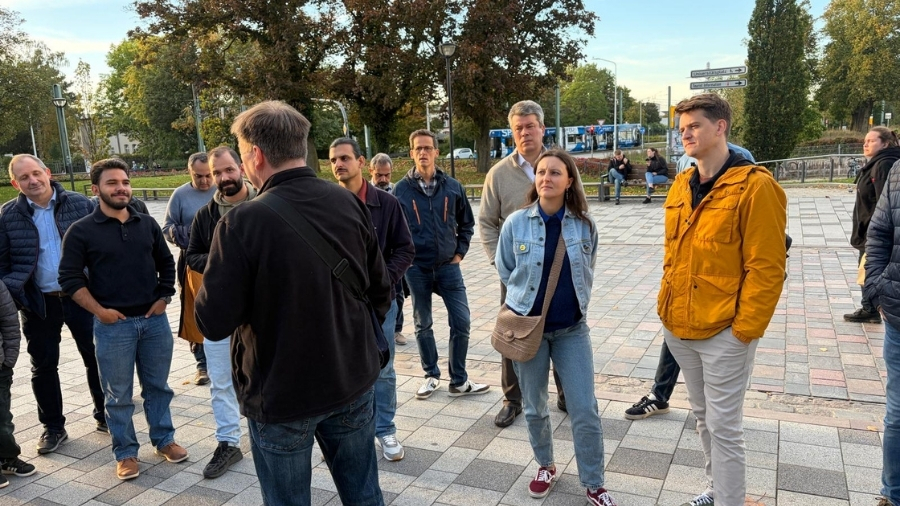
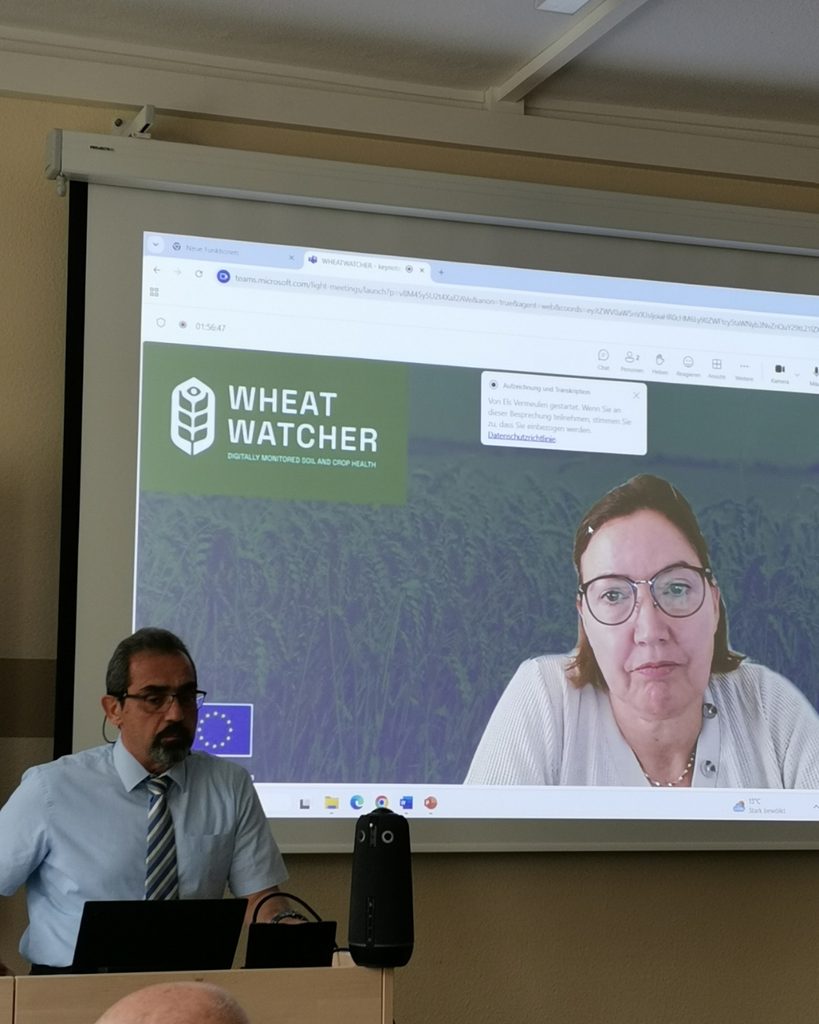
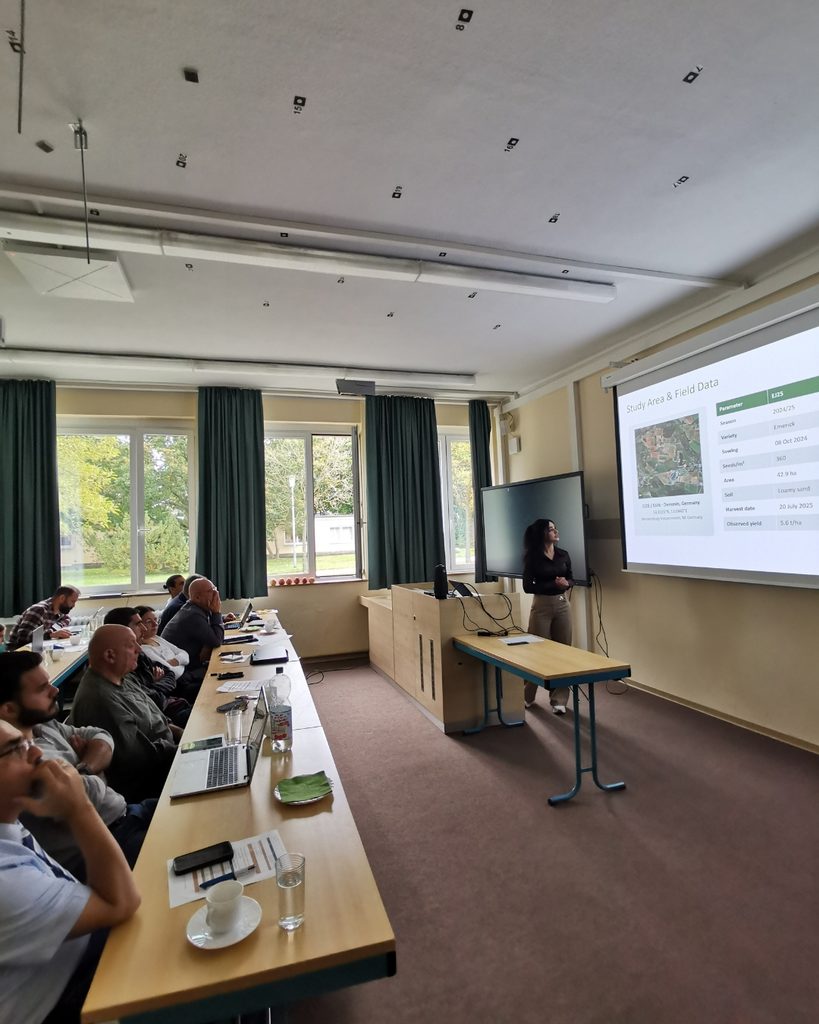
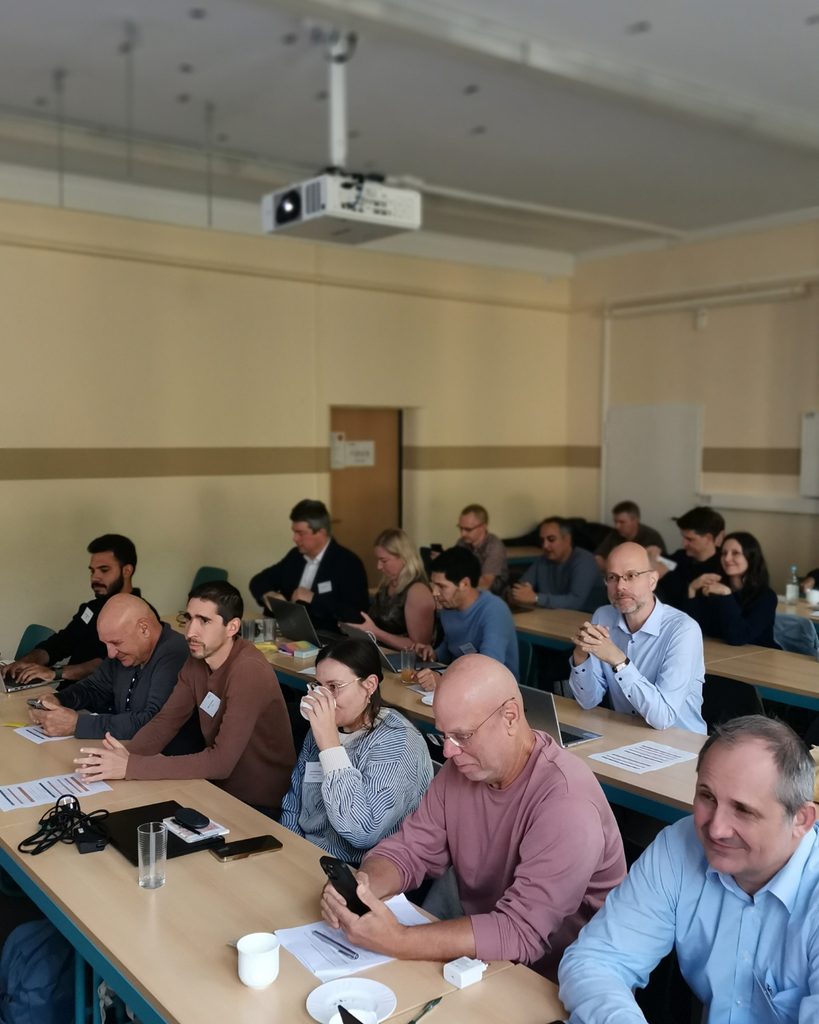
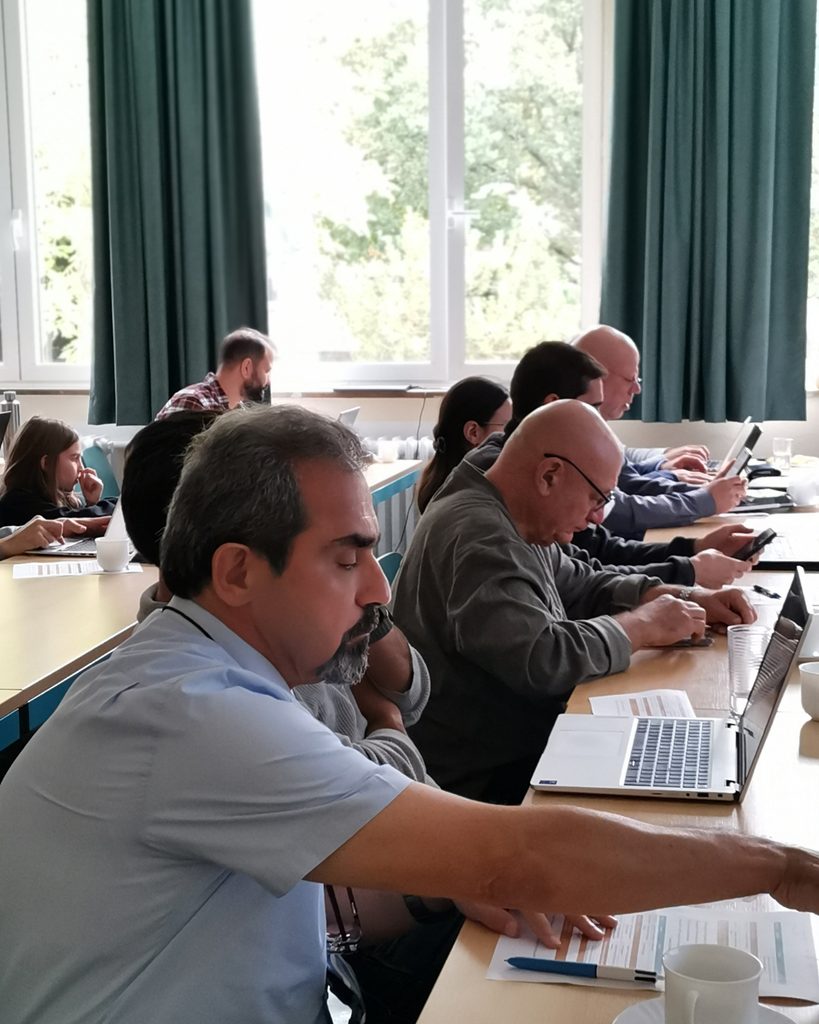
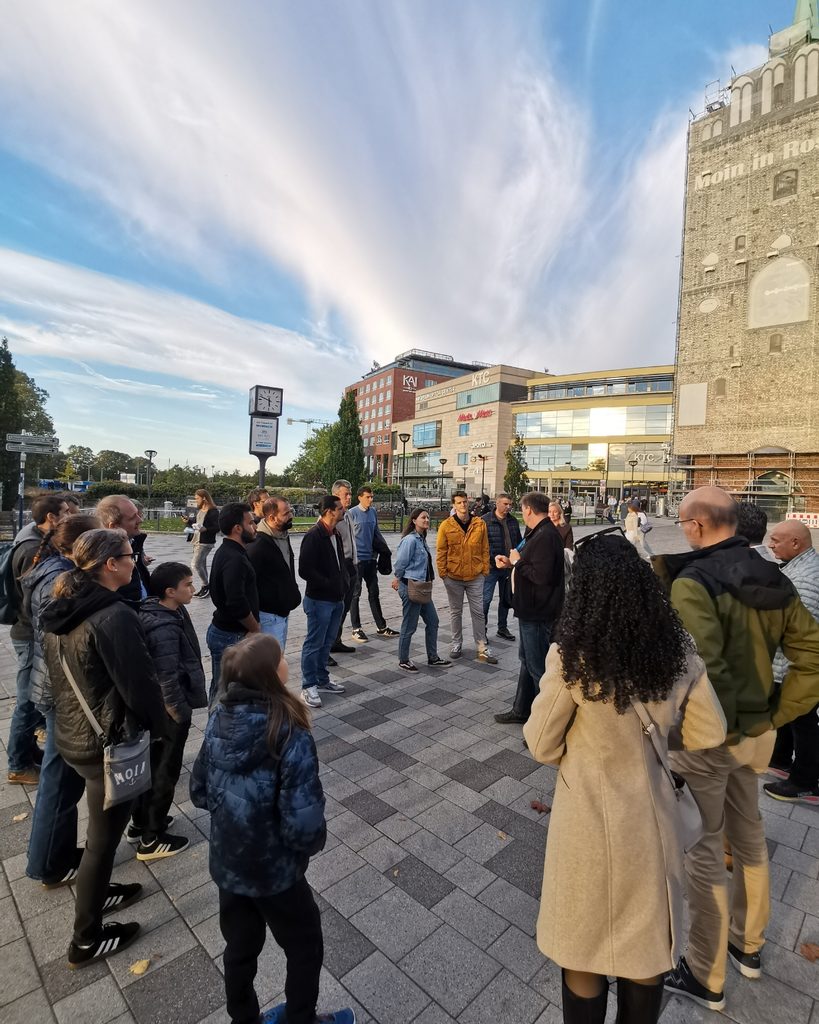
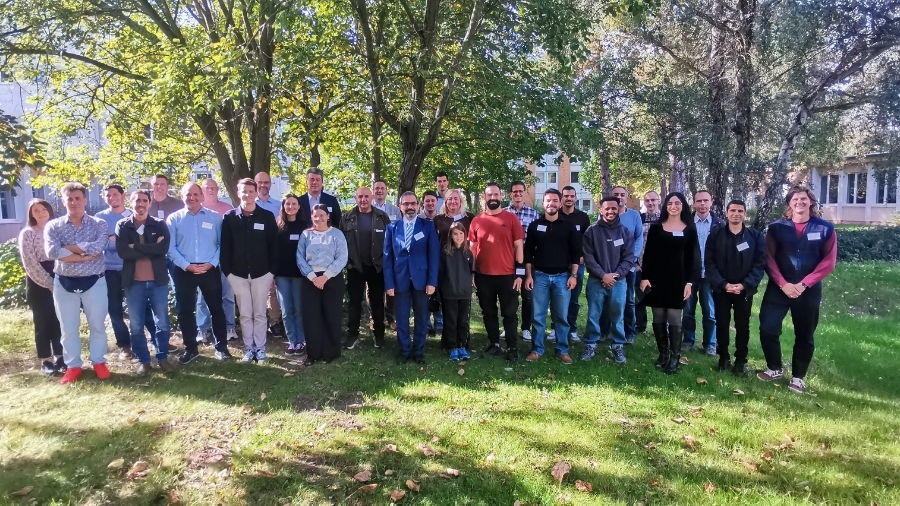
WHEATWATCHER consortium partners during the 2026 project meeting in Rostock, Germany.

WHEATWATCHER Consortium Meeting in Rostock, Germany

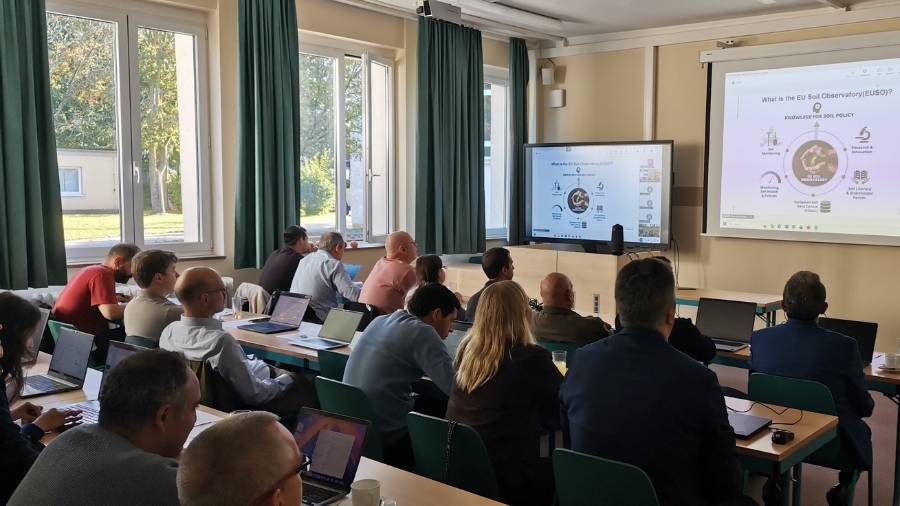
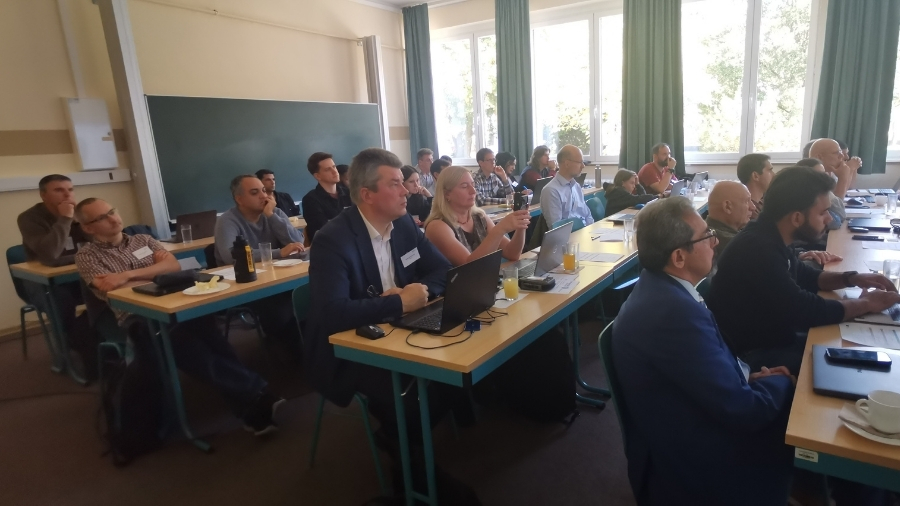
The WHEATWATCHER consortium came together in Rostock, Germany, in early October for its latest project meeting, bringing partners from across Europe together to review progress, exchange knowledge and coordinate the next stages of the project.

The main consortium sessions took place on 5 and 6 October 2026 at the University of Rostock. The programme concluded on 7 October with a field trip to the WHEATWATCHER pilot area in Demmin. 

Bringing the different parts of WHEATWATCHER together

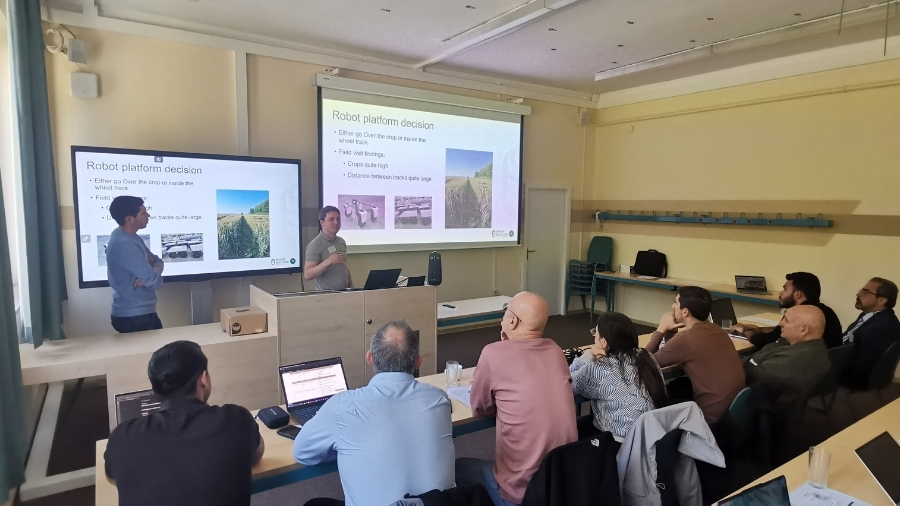
The meeting provided an important opportunity for the consortium to look at WHEATWATCHER as a whole and connect the work taking place across its different Work Packages.

Discussions covered the project’s sensing technologies, field and laboratory activities, data collection and quality assurance, modelling and mapping, decision-support tools, demonstration activities, food traceability, project management, communication, dissemination and exploitation.

This cross-disciplinary approach is central to WHEATWATCHER, where information from soil, crops, sensors, laboratory analyses and digital tools is progressively brought together to support better understanding of soil and plant health and more informed agricultural decision-making.

Day 1: from communication and sensing to data and modelling

The first full meeting day opened with a keynote contribution from Dr Panos Panagos focusing on the European Soil Observatory, connecting WHEATWATCHER’s activities with the wider European soil monitoring and Mission Soil landscape.

The programme then moved into updates from several core areas of the project.

WP8 – Dissemination and Exploitation reviewed progress in communicating WHEATWATCHER’s scientific and technical work, strengthening the project’s visibility, engaging stakeholders and building connections with other European initiatives.

During the session, Zafeiro Vaxevanidou presented the progress of WP8 on behalf of ena Development Consultants, which leads the Work Package. Particular attention was also given to exploitation and impact: how the knowledge, technologies and results being developed across the project can reach the right audiences and create value beyond the lifetime of WHEATWATCHER.

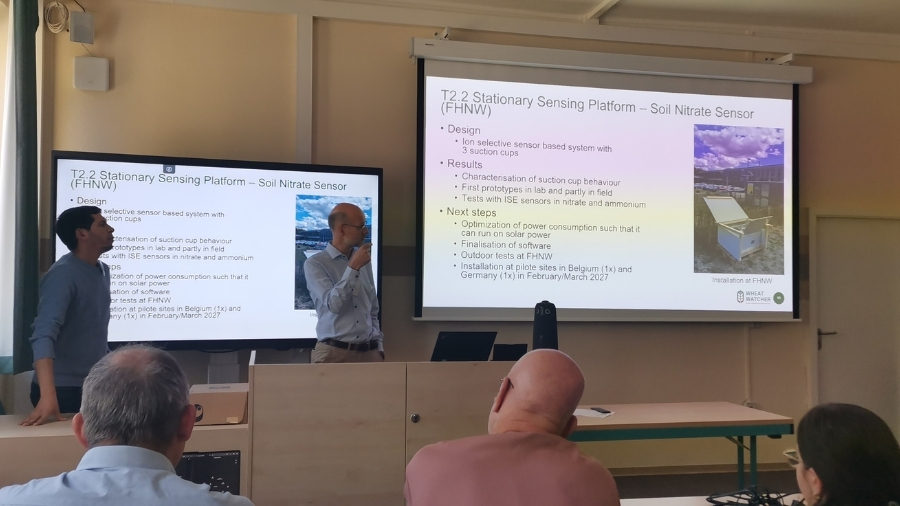
The technical sessions continued with WP2 on on-site sensor platform management, including updates on new extraction and analysis systems and stationary sensing technologies. WP3 focused on data capturing and quality assurance, including the new Tel Aviv University glasshouse experiment, soil sample analyses and microbiome-related work. 

WP4 then presented progress in modelling and mapping, with updates on the WHEATWATCHER portal, modelling activities using data from the German and Belgian pilot sites, locally weighted regression approaches and further modelling developments.

The day concluded with an open discussion, giving partners the opportunity to address challenges, exchange perspectives and align on the work ahead.

Day 2: management, decision support, demonstration and food traceability

The second meeting day began with two keynote presentations.

Prof. Ralf Uptmoor presented on winter wheat, while Dr Florine Degrune from CIRAD introduced the SOILWISE project, creating further connections with complementary European research activities. 

The consortium then reviewed WP1 – Project Management and General Assembly activities, including feedback from the first periodic reporting period and data management.

WP5 focused on the decision-support system for soil management, including updates to the WebGIS, Decision Support System and crop growth modelling. These tools form an important part of WHEATWATCHER’s effort to transform complex monitoring data into information that can support practical agricultural decisions. 

The programme continued with WP6 on demonstration activities and WP7 on food traceability, where partners reviewed ongoing work and first results related to the traceability component of the project. 

From the meeting room to the field

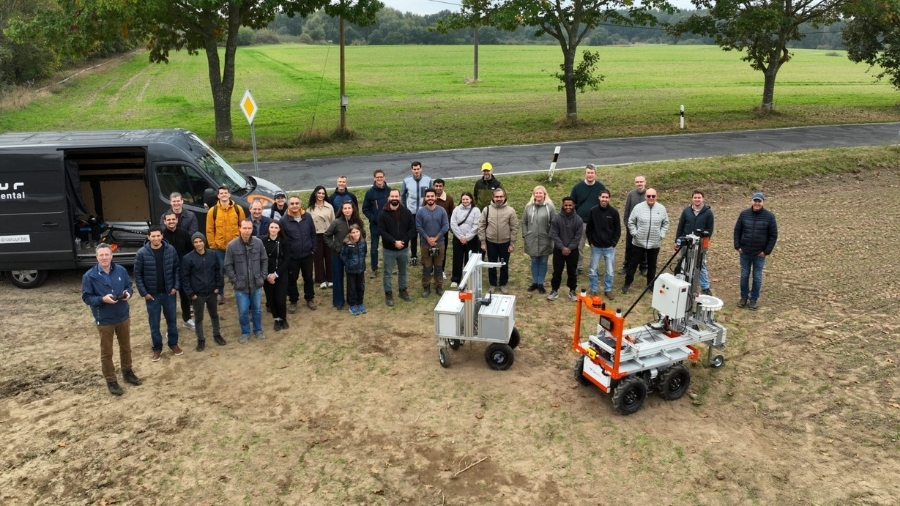
The consortium meeting concluded with a field trip to the Demmin Pilot Farm on 7 October.

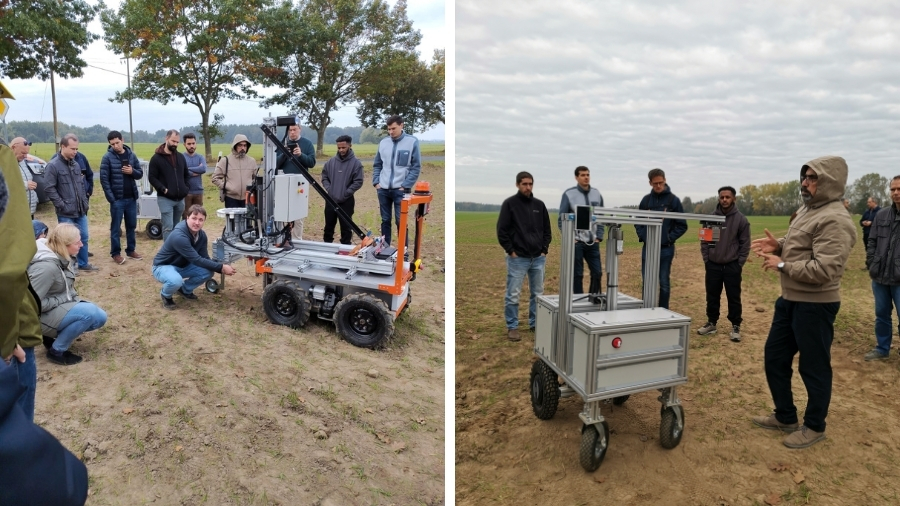
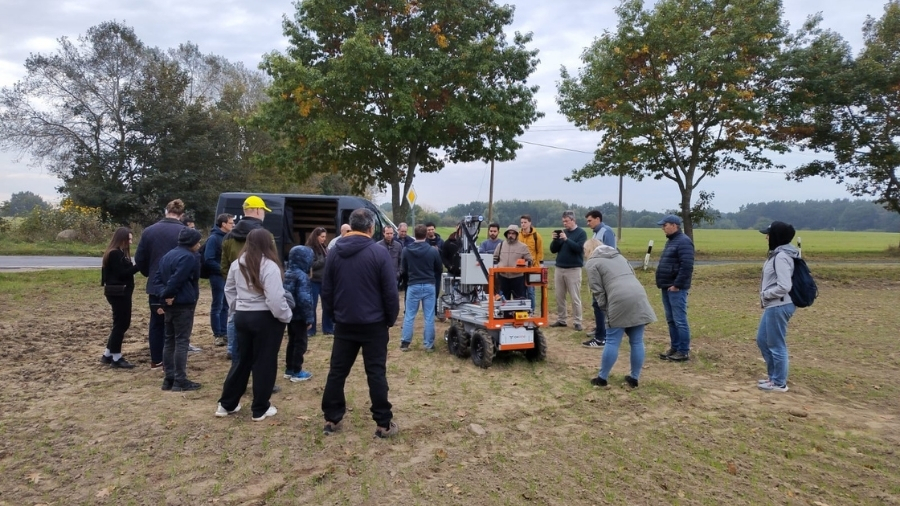
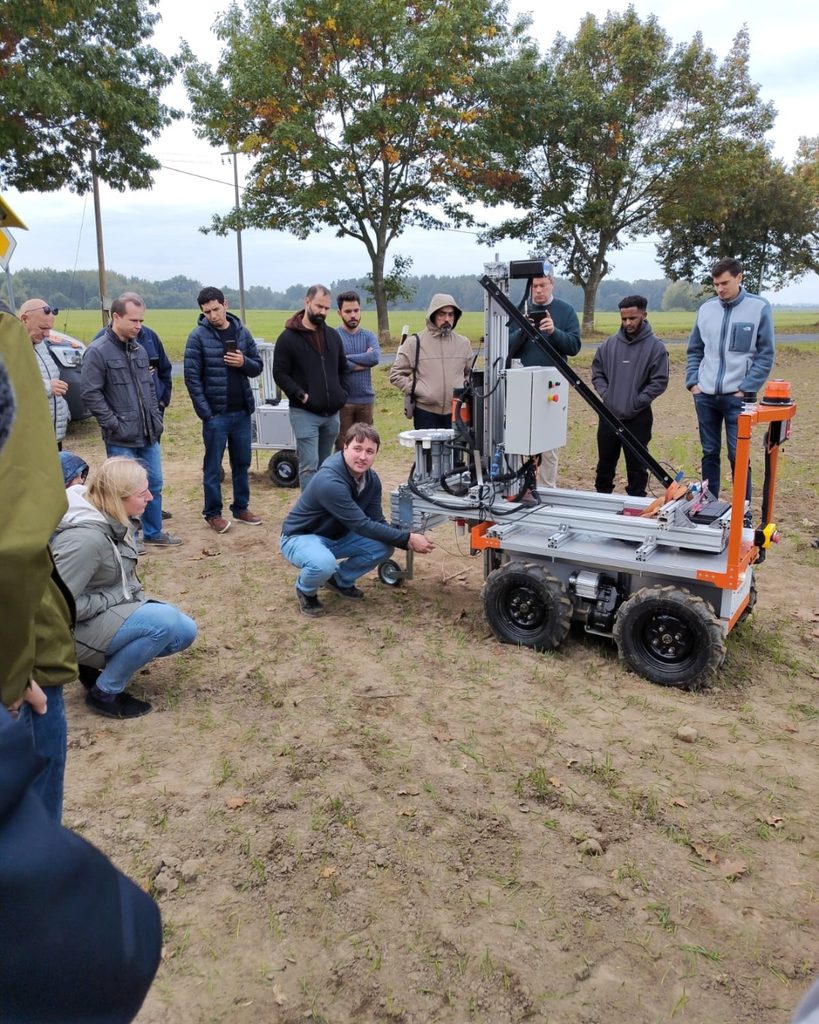
Participants visited three sites of interest as well as the farm itself, gaining a closer view of daily agricultural operations and the technologies being used in the field. The programme also included demonstrations of two robotics platforms developed by UGent and Exobotics.

The field visit provided an important bridge between the technical discussions held during the meeting and the real-world conditions in which WHEATWATCHER technologies, sensing approaches and monitoring strategies are being tested.

Moving WHEATWATCHER forward together

Consortium meetings are an important part of a multidisciplinary project such as WHEATWATCHER.

They create the space to connect scientific results with technical development, compare progress across Work Packages, identify challenges and ensure that the different components of the project continue moving towards common objectives.

The Rostock meeting once again highlighted the value of collaboration across disciplines and organisations — from soil science, sensing and robotics to modelling, decision support, traceability, communication and exploitation.

With new data, experiments, tools and field activities continuing across Europe, the consortium now moves into the next phase of work with a shared focus on turning WHEATWATCHER’s research into practical knowledge and solutions for healthier soils, more resilient crops and more sustainable wheat production.

WHEATWATCHER at the Soils for Europe Conference 2026

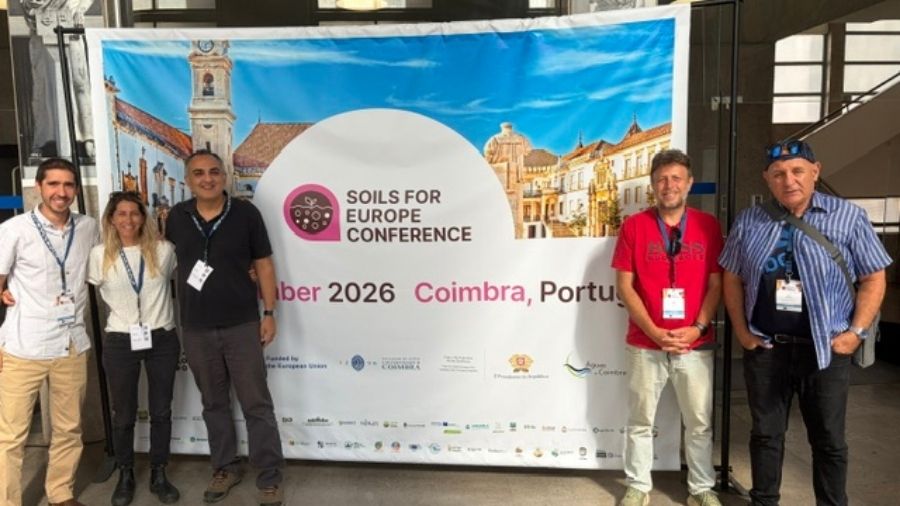
WHEATWATCHER was strongly represented at the Soils for Europe Conference 2026, held at the University of Coimbra, Portugal, from 7 to 11 September 2026.

The conference brought together the European soil community to exchange knowledge, present new research and discuss how science and innovation can contribute to healthier soils and support the objectives of the EU Mission “A Soil Deal for Europe”.

WHEATWATCHER partners from GFZ Helmholtz Centre for Geosciences, Tel Aviv University, IUNG and the Czech University of Life Sciences Prague contributed to the project’s presence at the conference, highlighting different aspects of its work on soil monitoring, spectral sensing, artificial intelligence and controlled glasshouse research.

Bringing WHEATWATCHER into the European soil discussion

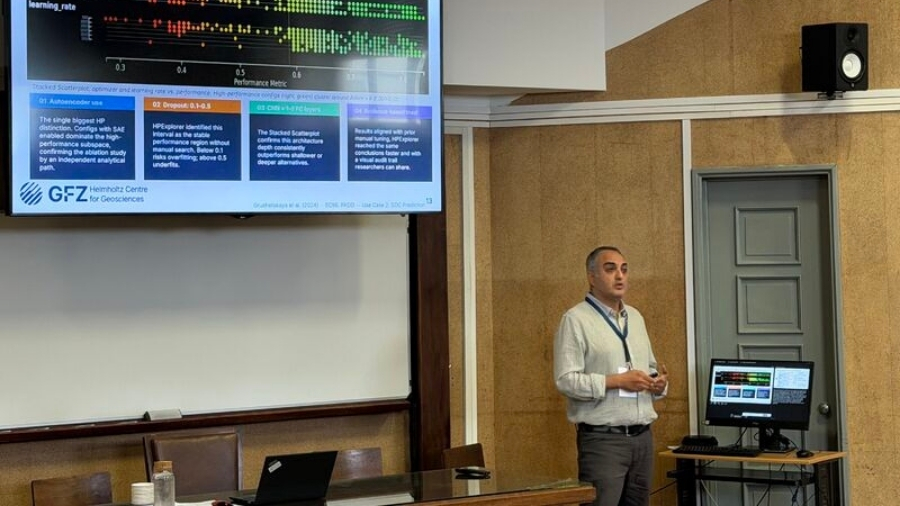
Dr. Mehdi Saberioon from GFZ Helmholtz Centre for Geosciences represented WHEATWATCHER during the EUSO Forum session “Five Years On: Key Insights from the Mission Soil Program”.

His contribution focused on how open spectral libraries and explainable artificial intelligence can support faster, more affordable and more transparent approaches to soil monitoring.

These technologies connect closely with WHEATWATCHER’s wider approach, which combines sensing technologies, spectral information, field and laboratory data, modelling and digital tools to better understand soil and crop conditions.

His participation and presentation are explored in more detail in our dedicated article.

mehdi soils 4 eu

Understanding pollution signals through the soil, plant and grain continuum

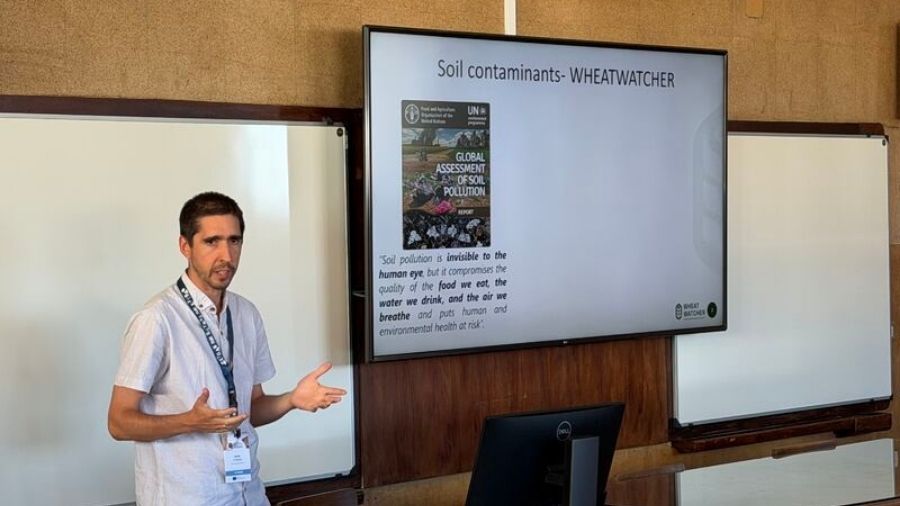
Simon Futerman from Tel Aviv University also presented research carried out within WHEATWATCHER.

His presentation focused on controlled glasshouse experiments in which wheat was grown under four contaminants at three different concentration levels.

Throughout the experiments, proximal sensing of soil, vegetation and grain was conducted alongside microbiome sampling.

By observing how the soil, plants and associated microbial communities respond to different stress conditions, the research aims to explore whether contamination can be identified earlier through measurable biological and spectral signals.

This reflects an important part of the WHEATWATCHER approach, understanding what happens across the soil, plant and grain continuum rather than looking at each component separately.

Improving soil spectral measurements in the field

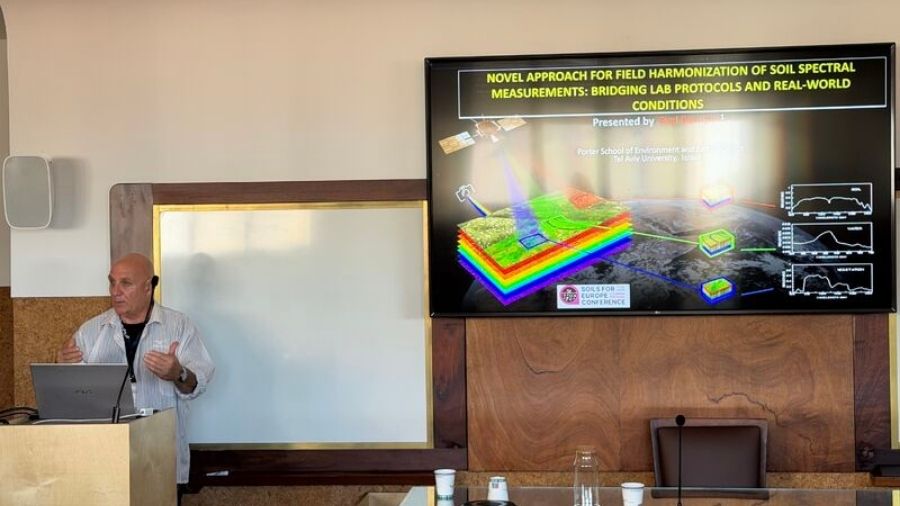
Prof. Eyal Ben-Dor from Tel Aviv University presented SoilPRO®, a device designed to improve the consistency of soil spectral measurements carried out directly in the field.

Soil spectroscopy can provide valuable information about soil properties, but measurements collected outside the laboratory can be affected by changing light conditions, measurement geometry and differences between operators or instruments.

SoilPRO® recreates controlled measurement conditions in the field, helping spectral measurements become more comparable with laboratory standards and more consistent across users, locations and instruments.

This is particularly relevant for digital soil monitoring, where reliable and comparable measurements are essential for developing robust datasets, predictive models and decision support tools.

A strong partner presence from across the consortium

In addition to the presentations delivered at the conference, WHEATWATCHER was also represented by several consortium partners who contributed to the project’s visibility and presence during the event.

Among them were Prof. Grzegorz Siebielec, Head of the Soil Science and Environmental Analyses Department at IUNG, João Augusto Coblinski from IUNG, and Dr. Vahid Kosravi from the Czech University of Life Sciences Prague.

Their presence reflected the collaborative and multidisciplinary nature of the WHEATWATCHER consortium, bringing together expertise from soil science, environmental analysis, crop monitoring, sensing technologies and data driven approaches.

Together with the other participating partners, they helped showcase the project’s active role within the wider Mission Soil community and reinforced WHEATWATCHER’s contribution to European dialogue on soil health and sustainable agriculture.

Connecting different layers of soil and crop monitoring

The contributions of WHEATWATCHER partners at the Soils for Europe Conference highlighted several complementary dimensions of the project.

From explainable AI and open spectral libraries, to controlled experiments examining contaminant stress, microbiome responses and improved field spectroscopy, each activity contributes to the same broader objective, generating reliable information about soil and crop health.

WHEATWATCHER is developing an integrated monitoring approach in which different technologies and datasets can work together to improve understanding of field variability, identify potential stressors and support better informed agricultural decisions.

WHEATWATCHER within the Mission Soil community

The Soils for Europe Conference created an important meeting point for researchers, practitioners, policymakers and EU funded projects working towards healthier soils.

WHEATWATCHER’s participation demonstrated how the project contributes to this wider European effort through research that connects soil science, crop monitoring, sensing technologies and digital innovation.

The presence of Dr. Mehdi Saberioon from GFZ Helmholtz Centre for Geosciences, Simon Futerman and Prof. Eyal Ben-Dor from Tel Aviv University, Prof. Grzegorz Siebielec and João Augusto Coblinski from IUNG, and Dr. Vahid Kosravi from the Czech University of Life Sciences Prague, provided an opportunity to share WHEATWATCHER’s work with the wider soil community and exchange knowledge with other initiatives working under Mission Soil.

Through these collaborations and scientific exchanges, WHEATWATCHER continues to strengthen the connection between research, technology and practical approaches for healthier soils and more sustainable wheat production.

mehdi soils 4 eu

Dr. Mehdi Saberioon Presents WHEATWATCHER at the Soils for Europe Conference 2026

WHEATWATCHER was presented at the Soils for Europe Conference 2026, held in Coimbra, Portugal, from 7 to 11 September 2026.

The project was represented by Dr. Mehdi Saberioon from GFZ Helmholtz Centre for Geosciences, partner of the WHEATWATCHER project, who contributed to the discussions on soil monitoring, spectral data and explainable artificial intelligence.

The Soils for Europe Conference brings together researchers, policymakers, land managers, practitioners, civil society and industry representatives to showcase the latest research and innovation developed across Europe under the EU Mission “A Soil Deal for Europe”.

WHEATWATCHER in the Mission Soil discussion

Dr. Mehdi Saberioon participated in the EUSO Forum session “Five Years On: Key Insights from the Mission Soil Program”, organised as part of the EU Soil Observatory Stakeholders Forum 2026.

The session brought together Mission Soil projects and experts to share key findings from the programme and discuss how research outputs can contribute to European soil policies.

During the session, Dr. Saberioon presented how open spectral libraries and explainable AI can make soil monitoring faster, cheaper and more transparent for decision-makers.

This topic is closely connected to WHEATWATCHER’s work, which combines sensing technologies, soil and crop data, spectral analysis and digital tools to support more reliable soil and crop health monitoring.

Open spectral libraries for better soil monitoring

Spectral libraries are important resources for soil research because they connect spectral measurements with soil properties and conditions.

By using open spectral libraries, researchers can improve access to comparable soil information and support the development of more transparent monitoring methods. These resources can help transform complex soil data into practical insights that support research, policy and agricultural decision-making.

Within WHEATWATCHER, spectral data are part of a wider monitoring approach that links field measurements, laboratory analysis, remote sensing and modelling. This supports the project’s ambition to better understand soil conditions and crop responses across different pilot sites.

Explainable AI for transparent decision-making

Artificial intelligence can help process large and complex datasets, but transparency is essential when AI-based outputs are used to support environmental and agricultural decisions.

Explainable AI aims to make model outputs easier to understand, helping users see how data are interpreted and why a specific result or recommendation is generated.

For soil monitoring, this can be especially important. Decision-makers, farmers, researchers and advisors need reliable information that is not only accurate, but also understandable and trustworthy.

By connecting explainable AI with soil spectral data, WHEATWATCHER contributes to a more transparent approach to digital soil monitoring.

Connecting research with European soil policy

The Soils for Europe Conference provided an important space for Mission Soil projects to exchange knowledge and demonstrate how research can support the future of soil health in Europe.

The EUSO Forum session, organised by Dr. Panos Panagos, Scientific/Research Officer and Project Leader of the EU Soil Observatory, highlighted the role of Mission Soil projects in generating knowledge, tools and data that can inform European soil policies.

Alongside WHEATWATCHER, several projects and research teams presented work on soil health assessment, soil pollution, Living Labs, soil biodiversity, microplastics, microbial functioning, pesticide residues and land degradation.

This wider context shows the importance of connecting different scientific approaches to build a more complete understanding of soil health across Europe.

Hahn-Schickard advances 3D-Printed Microfluidics for soil nutrient analysis

WHEATWATCHER partner Hahn-Schickard is advancing the development of next-generation 3D-printed microfluidic technology for soil nutrient analysis.

The latest platform integrates pumps, valves, electrodes and fluidic channels into a compact analytical system designed for the analysis of soil extracts. This work supports WHEATWATCHER’s wider objective of bringing advanced soil-sensing and analytical workflows closer to the field.

A compact platform for soil extract analysis

Soil nutrient analysis usually requires accurate handling of samples, calibration standards and measurement steps. Hahn-Schickard’s 3D-printed microfluidic platform brings these elements together within a highly integrated fluidic design.

The system is designed to automate key analytical processes while using only a small amount of sample per measurement. With a total sample volume of just 1.2 mL, the platform supports efficient analysis while reducing the amount of sample and calibration standard required.

The new 3D-printed microfluidic platform includes several important features:

  • Only 1.2 mL total sample volume per measurement
  • Integrated standard addition capability to compensate for matrix effects and improve measurement accuracy
  • Automated handling of samples and calibration standards
  • Design focused on nitrate, potassium and pH analysis
  • Potential for future expansion to additional analytes
  • Highly integrated 3D-printed fluidic design that reduces assembly time and improves compactness

By integrating multiple functions into a single compact system, the platform represents an important step towards faster and more efficient soil extract analysis.

Improving measurement accuracy

One of the key features of the platform is its integrated standard addition capability.

In soil extract analysis, the composition of the sample can influence the measurement result. This is known as a matrix effect. By incorporating standard addition directly into the analytical workflow, the system can help compensate for these effects and improve the reliability of the measurements.

This is particularly important for soil analysis, where samples can vary significantly depending on soil type, field conditions and nutrient status.

Supporting WHEATWATCHER’s lab-on-the-field approach

Within WHEATWATCHER, Hahn-Schickard plays a central role in the development of soil-sensing and analytical technologies. The organisation leads Work Package 2 and contributes expertise in measurement automation, wet chemical methods, soil extraction and compact analytical systems.

The 3D-printed microfluidic platform aligns with the project’s lab-on-the-field approach, which aims to bring analytical capabilities closer to agricultural environments.

By reducing sample volume, automating fluid handling and improving compactness, this technology can support the development of practical tools for rapid and reliable soil nutrient analysis.

From laboratory workflows to field-oriented systems

The development of compact microfluidic platforms is an important step in making soil analysis more accessible, efficient and adaptable.

By integrating pumps, valves, electrodes and channels into a single 3D-printed system, Hahn-Schickard’s approach reduces the complexity of assembly while maintaining the analytical functions needed for nutrient monitoring.

This supports WHEATWATCHER’s broader work on digital and data-driven soil monitoring, helping connect analytical measurements with the project’s wider sensing, modelling and decision-support activities.

Towards smarter soil nutrient monitoring

Accurate information on soil nutrients is essential for sustainable crop management. Monitoring parameters such as nitrate, potassium and pH can help improve understanding of soil fertility, input needs and potential imbalances.

Through the development of next-generation microfluidic systems, WHEATWATCHER is moving towards smarter and more efficient soil nutrient analysis.

This work contributes to the project’s mission of developing integrated technologies that support healthier soils, safer crops and more sustainable wheat production systems.

WHEATWATCHER at EUROBIOTECH 2026 in Kraków

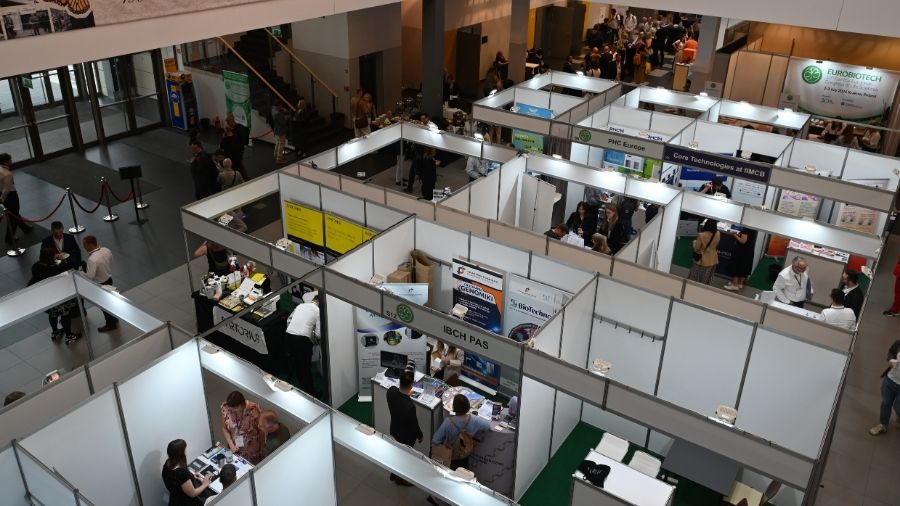
WHEATWATCHER was presented during EUROBIOTECH 2026 in Kraków, Poland, through the participation of project partner IUNG-PIB, The Institute of Soil Science and Plant Cultivation.

EUROBIOTECH is one of the key scientific events in Central Europe for the life sciences community, bringing together specialists from academia, research and industry. The 2026 congress provided an important opportunity to exchange knowledge on biotechnology, environmental biology, sustainable agriculture and modern monitoring technologies.

IUNG-PIB presenting environmental monitoring and data-driven agriculture

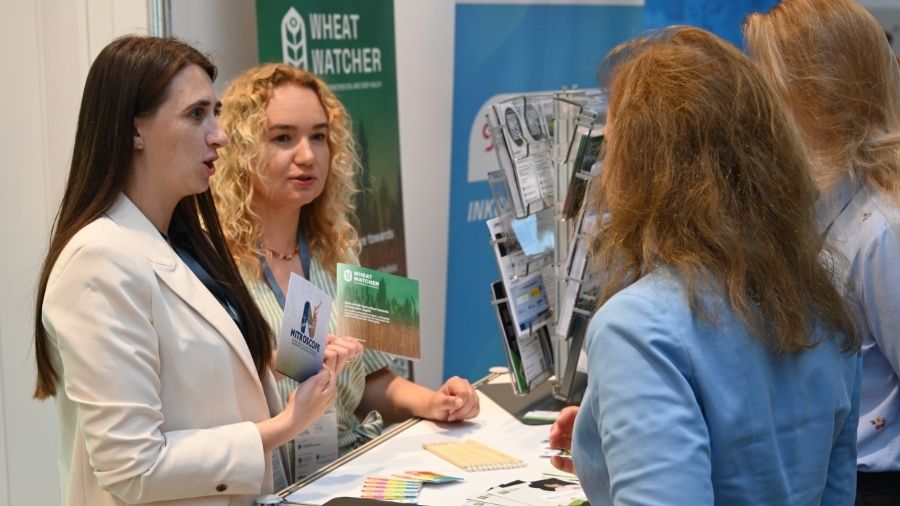
During the congress, IUNG-PIB presented its activities related to modern environmental monitoring and data-driven agriculture at its stand.

As a WHEATWATCHER partner, IUNG-PIB highlighted how the project contributes to the development of advanced approaches for monitoring soil conditions in wheat crops and supporting more precise agronomic decision-making.

WHEATWATCHER and soil monitoring in wheat production

WHEATWATCHER was presented as an initiative focused on monitoring key soil parameters in wheat production systems.

The project combines sensor technologies, field data, digital tools and analytical methods to support a better understanding of soil and crop conditions. By collecting and processing data from different monitoring platforms, WHEATWATCHER aims to provide useful insights that can support more informed decisions in the field.

This approach is closely linked to the needs of modern agriculture, where reliable data can help farmers and stakeholders improve soil management, optimise input use and respond more effectively to environmental challenges.

Connecting biotechnology, environmental monitoring and agriculture

Participation in EUROBIOTECH 2026 offered an opportunity to present WHEATWATCHER within a broader scientific context, connecting the project’s work with discussions on biotechnology, environmental monitoring and sustainable agriculture.

The presence of WHEATWATCHER at the congress also helped increase the visibility of the project among researchers, experts and organisations working on innovative technologies for the life sciences and agricultural sectors.

Supporting the future of data-driven farming

WHEATWATCHER’s participation in EUROBIOTECH 2026 underlines the importance of collaboration between soil science, biotechnology, sensing technologies and digital agriculture.

By monitoring key soil parameters and supporting precise agronomic decisions based on sensor data, the project contributes to the development of modern environmental and agricultural technologies.

Through dissemination activities such as this, WHEATWATCHER continues to share its work with relevant scientific and innovation communities, strengthening knowledge exchange and supporting the transition towards smarter, more sustainable wheat production systems.
WHEATWATCHER pilot sites in Poland

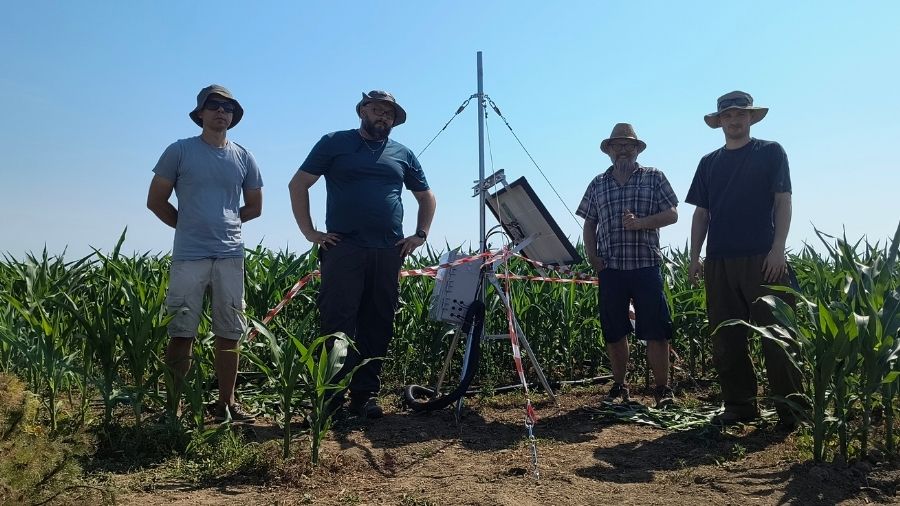
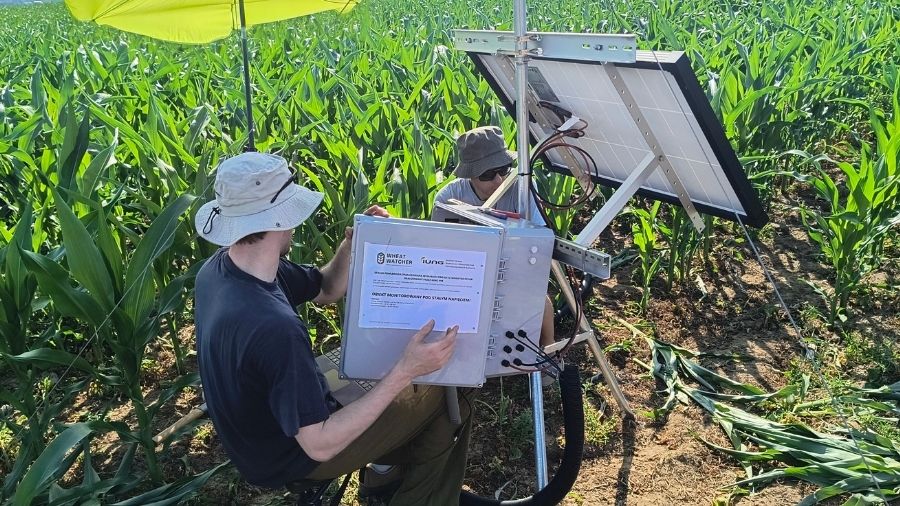
Stationary sensors installed at WHEATWATCHER Pilot Site in Poland

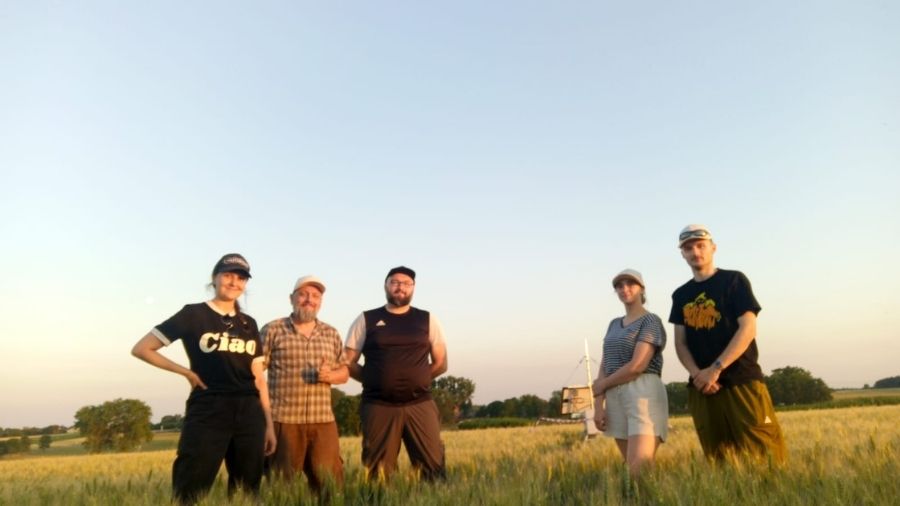
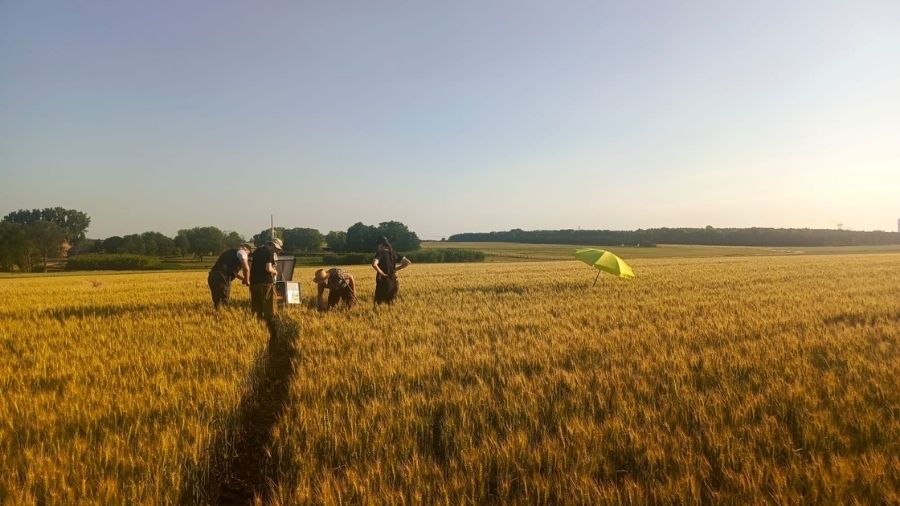
As part of WHEATWATCHER’s pilot site activities, project partner IUNG-PIB, The Institute of Soil Science and Plant Cultivation, has completed field installations in Poland together with the team from FHNW, the University of Applied Sciences and Arts Northwestern Switzerland.

The work focused on the installation of monitoring stations designed to collect continuous data on key soil parameters, supporting WHEATWATCHER’s wider goal of developing an integrated system for soil and crop health monitoring.

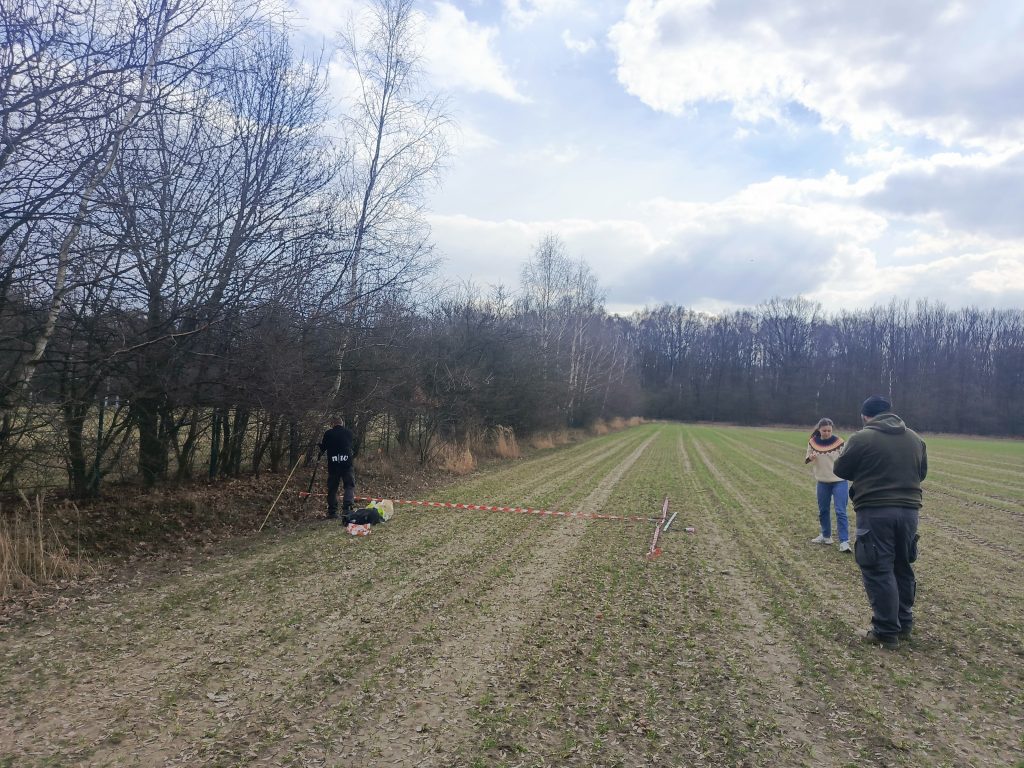
Fieldwork to collect continuous data on key soil parameters, supporting across Polish pilot sites

The fieldwork was carried out by IUNG-PIB in collaboration with FHNW, which contributes expertise in sensors, data analytics and IoT technology to the project.

Together, the teams installed stations to monitor important soil parameters, including:

  • Soil pH
  • Electrical conductivity
  • Soil moisture

These parameters are essential for understanding soil conditions, detecting potential stressors and supporting more informed decisions in wheat production.

Installation locations

The monitoring stations were installed at three locations in Poland:

  • One reference station at the “Kępa” Agricultural Research Station in Osiny
  • Two stations at the pilot site in Siemianowice Śląskie, located on potentially contaminated soils

This setup allows WHEATWATCHER to monitor soil conditions in both a reference location and areas where soil contamination may present specific challenges for crop production and soil health.

Continuous data for soil monitoring

The newly installed sensors are an important part of the project’s research infrastructure.

By enabling production and soil health.

Continuous data for soil a continuous flow of data, the stations will support more accurate tracking of changes occurring in the soil environment. This is particularly important for identifying shifts in soil conditions and understanding how potential stressors may affect wheat crops over time.

The collected data will contribute to the European soil monitoring platform and support WHEATWATCHER’s work on connecting field observations with advanced analytics and decision-support tools.

Supporting faster response to soil and crop stressors

Monitoring soil pH, electrical conductivity and moisture can provide valuable insights into soil status and crop growing conditions.

Soil pH influences nutrient availability and plant development. Electrical conductivity can help indicate changes related to salts or other dissolved substances in the soil. Soil moisture is a key factor for crop growth, stress detection and water-related field management decisions.

By continuously monitoring these parameters, WHEATWATCHER partners can better understand soil dynamics at the pilot sites and support faster responses to potential stressors affecting wheat crops.

A step towards integrated decision support

The installation of the new sensor stations in Poland represents another step towards building a modern, integrated monitoring system for agriculture.

By combining field-based sensors, data analytics and IoT technologies, WHEATWATCHER aims to transform soil and crop data into practical information that can support farmers in their decision-making.

This work also strengthens the project’s broader approach: connecting different monitoring technologies, pilot site data and scientific expertise to support healthier soils, safer crops and more sustainable wheat production systems.
The fieldwork in Poland highlights the strong collaboration between WHEATWATCHER partners and the importance of real-world pilot site activities in developing digital tools for the future of agriculture.

Stationary Sensors Installed at the Belgian Pilot Site

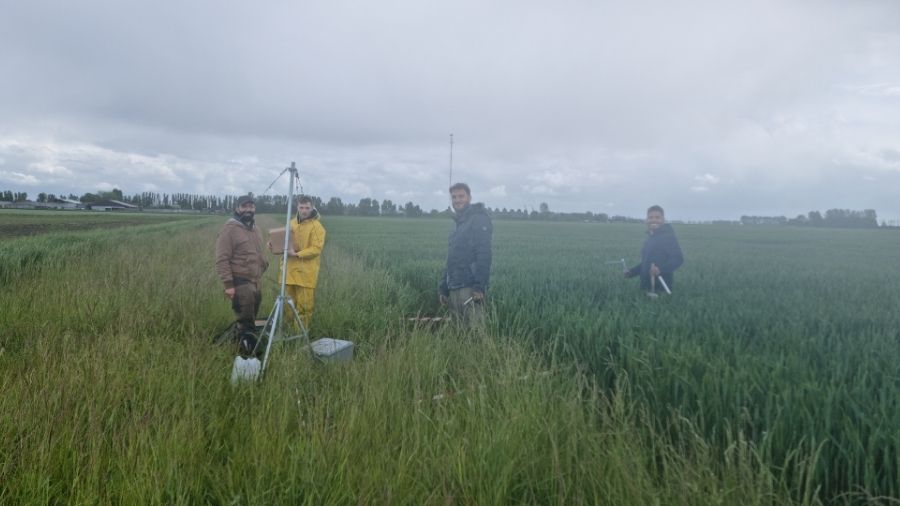
WHEATWATCHER partners University of Applied Sciences and Arts Northwestern Switzerland and Ghent University have completed the installation of stationary sensor stations at the project’s Belgian pilot site near Veurne, Belgium.

The installation marks an important step in the project’s work to collect continuous, field-based data on soil conditions and support the development of data-driven monitoring tools for soil and crop health.

Three autonomous monitoring stations deployed

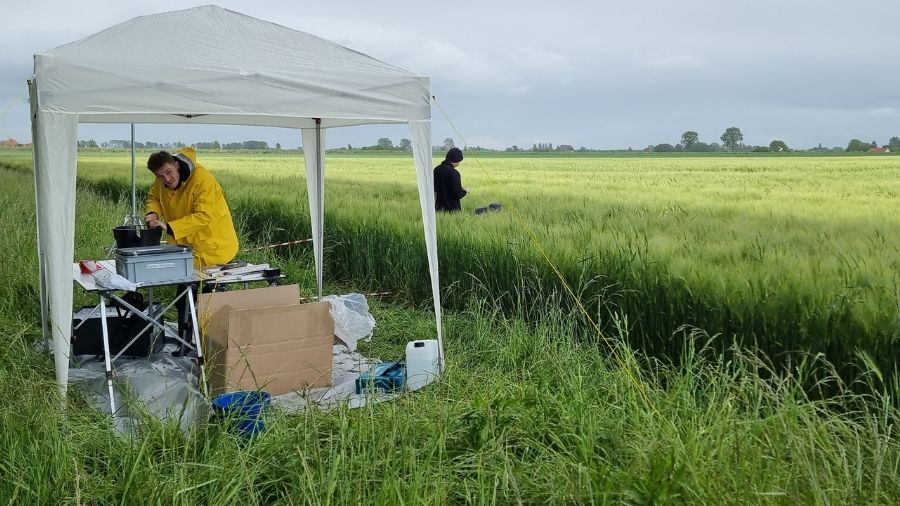
During May and June 2026, three autonomous, solar-powered datalogger stations were installed across two agricultural fields in the Veurne area.

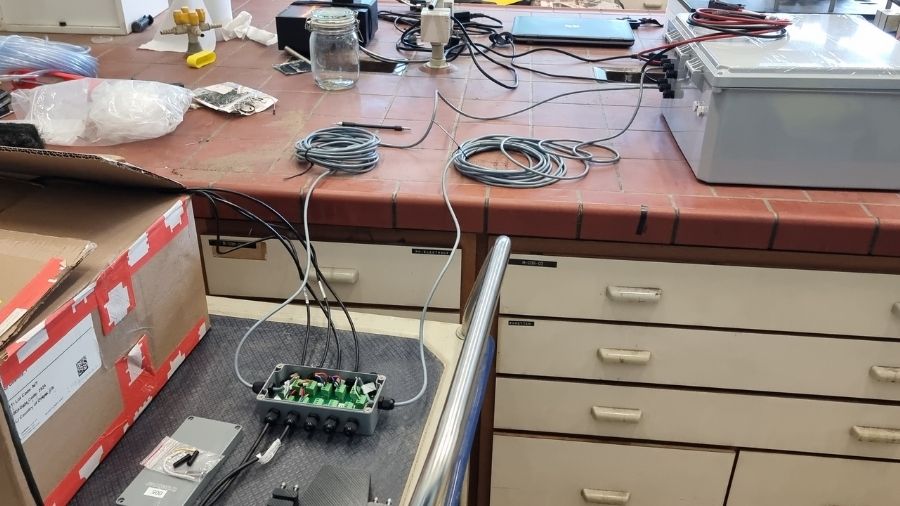
Each station is equipped with six soil sensors:

  • 2 TEROS 22 sensors for soil moisture and temperature
  • 2 HydraProbe sensors for soil moisture, temperature and electrical conductivity
  • 2 NiuBol pH sensors for soil pH and temperature

The stations are powered by solar panels and LiFePO4 batteries, allowing them to operate autonomously in the field. Data are transmitted continuously through the GSM network.

The three monitoring stations were installed across two WHEATWATCHER pilot fields:

  • Fabrieke Veurne 1 (004), located in WW-BE-Fabrieke
  • Fabrieke Veurne 2 (005), located in WW-BE-Fabrieke
  • LDR Veurne 3 (006), located in WW-BE-Langs-de-Route

This setup allows the project to collect soil data from different locations within the Belgian pilot area and monitor variations in field conditions over time.

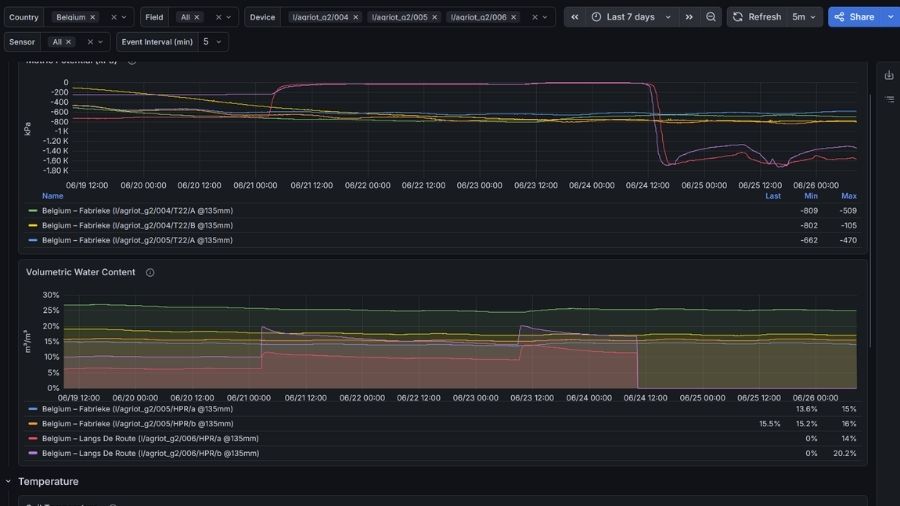
The stationary monitoring stations provide measurements every five minutes at a depth of 13.5 cm.

The collected parameters include:

  • Soil moisture
  • Soil temperature
  • Soil pH
  • Electrical conductivity

These measurements are essential for understanding how soil conditions change over time and how they may influence crop development, soil health and field management decisions.

From installation to reliable data transmission

Following the initial deployment, data transmission was temporarily affected by limited GSM connectivity at the site.
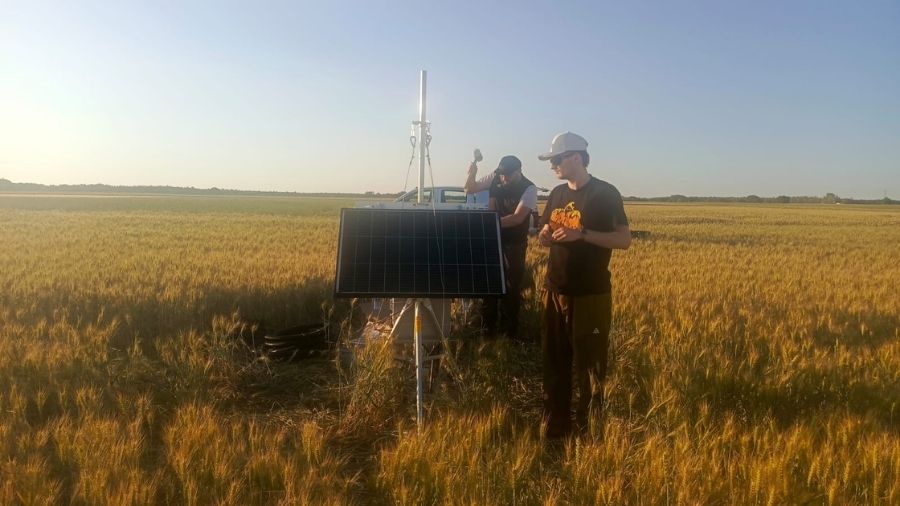
The issue was resolved in June by improving the antenna configuration. All three stations are now operating reliably and transmitting data continuously.

This ensures that the Belgian pilot site can provide a steady flow of soil data for further analysis and modelling activities within the project.

The data collected from the stationary sensor stations will be used by the project’s modelling teams.

By providing continuous information from the field, the stations contribute to WHEATWATCHER’s wider goal of integrating data from stationary, proximal and remote sensing platforms into a common data pipeline.

This supports the development of tools that can help transform soil and crop measurements into practical insights for more sustainable wheat production.

Building the foundation for data-driven agriculture

The installation of stationary sensors at the Belgian pilot site strengthens WHEATWATCHER’s capacity to monitor soil conditions in real time and connect field measurements with advanced analytics.

Through this work, the project moves one step closer to building an integrated digital monitoring system for healthier soils, improved crop management and smarter agricultural decision-making.

WHEATWATCHER second technical milestone

WHEATWATCHER Reaches Its Second Technical Milestone

Following the successful development of its stationary, proximal and remote sensing platforms, WHEATWATCHER has reached its second technical milestone:

Milestone 2 (MS2): Integration of the data acquisition system

This achievement marks an important transition for the project. While the first technical milestone focused on developing the individual sensing technologies, MS2 brings these different systems together within a common framework for collecting, managing and processing data.

Led by Hahn-Schickard, with contributions from the teams involved in the project’s sensor-platform activities, this integration creates the technological foundation needed to transform measurements from different sources into consistent and usable information.

From individual sensing platforms to an integrated system

WHEATWATCHER combines several complementary monitoring approaches to capture soil, crop and environmental conditions at different spatial and temporal scales.

These include stationary sensing systems that continuously collect information directly from the field, mobile proximal platforms that map variability across soil and crops, and remote sensing technologies that provide a wider view through satellite and aerial observations.

Each platform produces different types of data. For these measurements to contribute to a complete understanding of field conditions, they must be collected, structured and managed in a coordinated way.

The completion of MS2 establishes this connection between the project’s sensing technologies.

Key achievements of Milestone 2

The integration of the data acquisition system includes:

  • Integration of stationary, proximal and remote sensing platforms
  • Harmonisation of data streams generated by different sensors
  • Coordination of data collected across the WHEATWATCHER pilot sites
  • Establishment of a common framework for data collection and storage
  • Preparation of the system for large-scale field validation
  • Creation of the technical basis for advanced analytics and decision-support applications

This common framework will help ensure that data from different platforms and locations can be organised, compared and processed more effectively.

Why data integration matters

Advanced sensors can generate large volumes of information about soil properties, crop development, environmental conditions and potential stressors. However, the value of these measurements depends on the project’s ability to connect and interpret them.

An integrated data acquisition system makes it possible to bring together measurements collected at different scales and through different technologies.

For example, continuous observations from stationary sensors can be combined with mobile field measurements and broader remote sensing data. This integrated approach can provide a more complete picture of soil and crop conditions than any individual technology could deliver on its own.

By harmonising these data streams, WHEATWATCHER is preparing the ground for reliable analysis, automated mapping and the development of practical recommendations for end users.

Turning diverse measurements into actionable insights

The completion of MS2 represents a key step towards transforming environmental and agricultural data into information that can support real-world decisions.

The integrated system will contribute to WHEATWATCHER’s work in areas such as:

  • Soil health monitoring
  • Detection of nutrient imbalances and environmental stressors
  • Assessment of crop health and development
  • Site-specific soil and crop management
  • More efficient use of agricultural inputs
  • Support for food safety and traceability
  • Data-driven decision-making in wheat production

Connecting multiple sensing technologies within one data ecosystem also supports the project’s wider objective of developing scalable and interoperable monitoring solutions.

Building on the first technical milestone

WHEATWATCHER’s first technical milestone marked the successful development of its complementary sensing platforms.

The second milestone builds directly on that achievement by connecting these technologies through a shared data acquisition framework.

This progression reflects the project’s integrated approach: first developing the tools required to observe soil and crop conditions, and then ensuring that the information they produce can work together.

The result is a stronger foundation for moving from data collection to meaningful analysis and practical agricultural applications.

Next steps

With the data acquisition system now integrated, WHEATWATCHER is moving towards the next stages of development and validation.

Upcoming activities will include:

  • Testing and validating the integrated system under real field conditions
  • Assessing the quality and consistency of data from different platforms
  • Applying advanced data analytics and machine learning methods
  • Integrating predictive models and automated mapping tools
  • Connecting the processed information with the project’s Decision Support System

These steps will help translate the project’s growing datasets into accessible and actionable insights for farmers, researchers and other stakeholders.

By reaching its second technical milestone, WHEATWATCHER moves closer to its goal of creating a comprehensive digital monitoring system that supports healthier soils, more resilient crops and smarter, more sustainable wheat production.

WHEATWATCHER Poland pilot sites

Field activities advance at pilot site in Poland

Introduction

Significant progress has been made in the implementation of the WHEATWATCHER, as field activities at the Polish pilot sites move forward. The IUNG-PIB team has successfully completed an intensive phase of on-site work, laying the foundation for the deployment of advanced soil monitoring technologies.

Over the past few days, the team from IUNG-PIB carried out crucial field visits across two pilot locations in Poland: the pilot site in Silesia and the reference site at RZD Kępa in Osiny.

These visits focused on identifying and selecting the most suitable locations for installing monitoring equipment. Each site was carefully evaluated based on soil conditions, accessibility, and operational feasibility to ensure optimal system performance.

Collaborative effort with FHNW

The activities were carried out in close collaboration with FHNW, a key partner contributing expertise in sensors, data analytics, and IoT technologies.

This collaboration ensures that the deployed systems are not only scientifically robust but also technologically advanced and aligned with real-world agricultural needs.

In addition to the technical setup, the teams addressed key logistical aspects such as transport, scheduling, and fieldwork organisation. These preparations are critical to ensuring that the installation of soil sensing systems proceeds efficiently and without delays.

The field activities were carried out by a dedicated team from IUNG-PIB, including professor Grzegorz Siebielec, Head of Soil Science and Environmental Analyses Department, Dr. Sylwia Pindral and João Augusto Coblinski. Their expertise and on-site work are instrumental in advancing the project’s goals.

The successful completion of this phase marks an important milestone for the WHEATWATCHER project. With pilot sites now prepared and system configurations defined, the project is moving closer to delivering innovative tools that will support farmers and improve soil and crop monitoring across Europe.

Skip to content