Tag: DENIM

CZU Begins Laboratory Analysis for WHEATWATCHER

CZU Begins Laboratory Analysis for WHEATWATCHER

As part of WHEATWATCHER’s commitment to improving soil health and crop safety across Europe, our project has now entered a key scientific phase: laboratory analysis of soil samples from our German pilot site in Demmin.
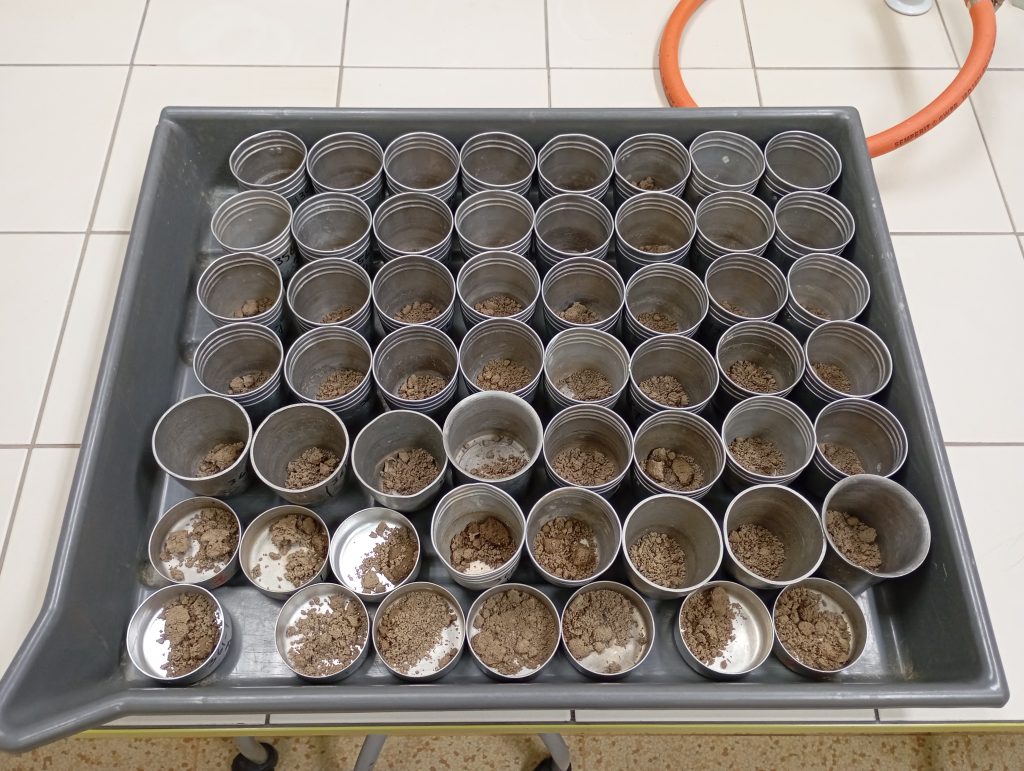
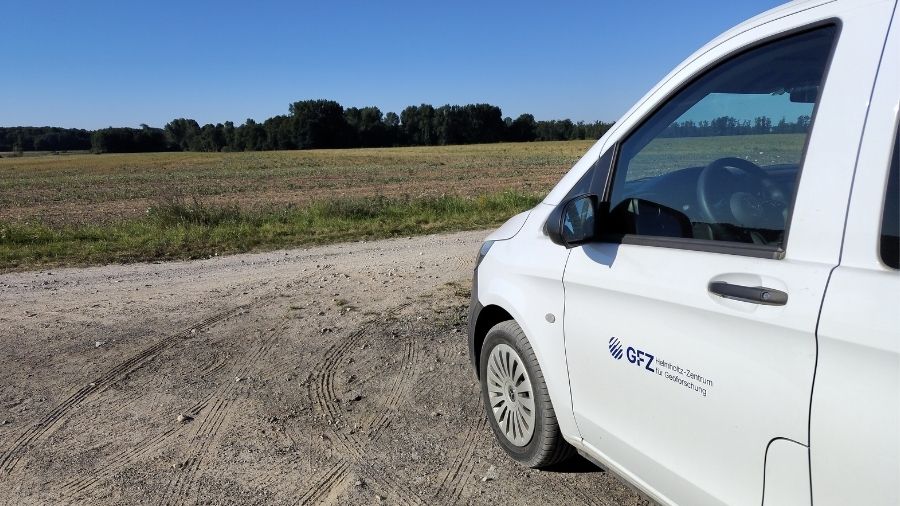
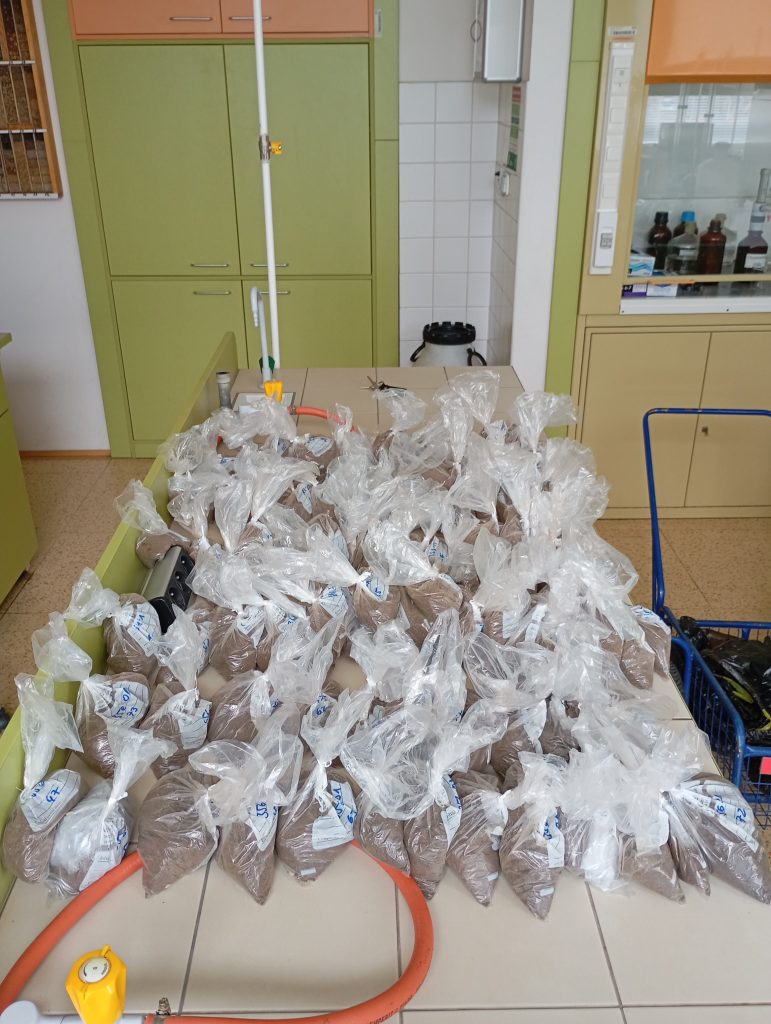
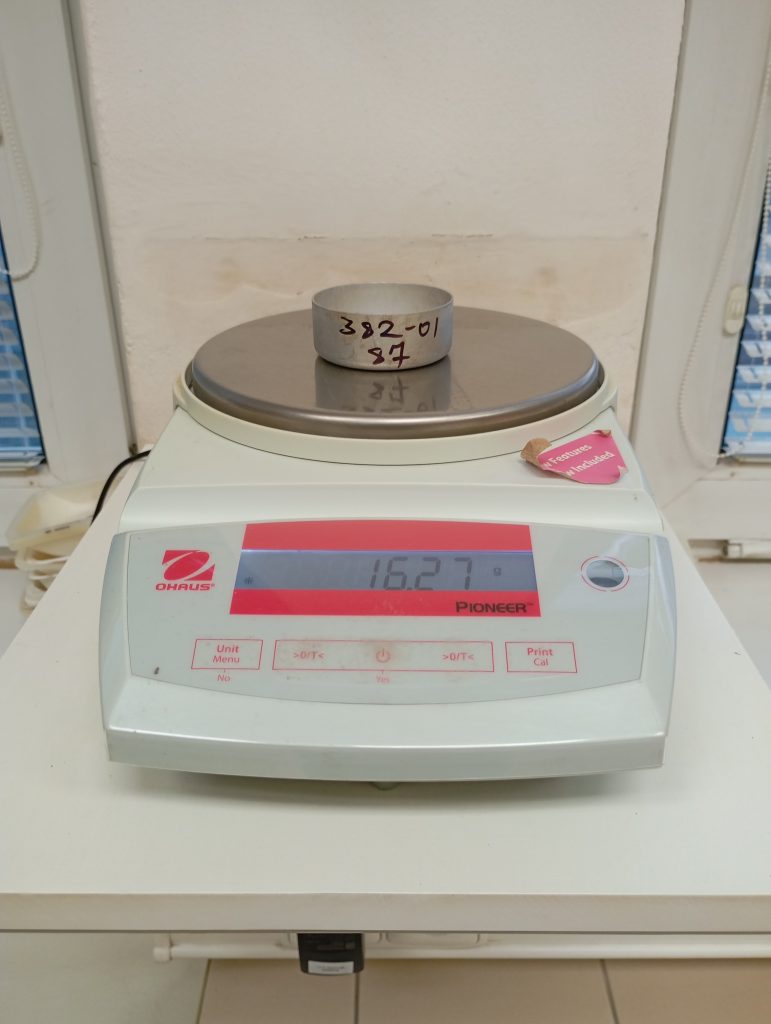
Earlier this year, the team at GFZ Helmholtz Centre for Geosciences conducted an extensive soil sampling campaign in fields around Demmin. These samples, now in the hands of our colleagues at the Czech University of Life Sciences Prague (CZU), are undergoing detailed laboratory testing as part of Task 3.2: Proximal sensing of contaminated soil.
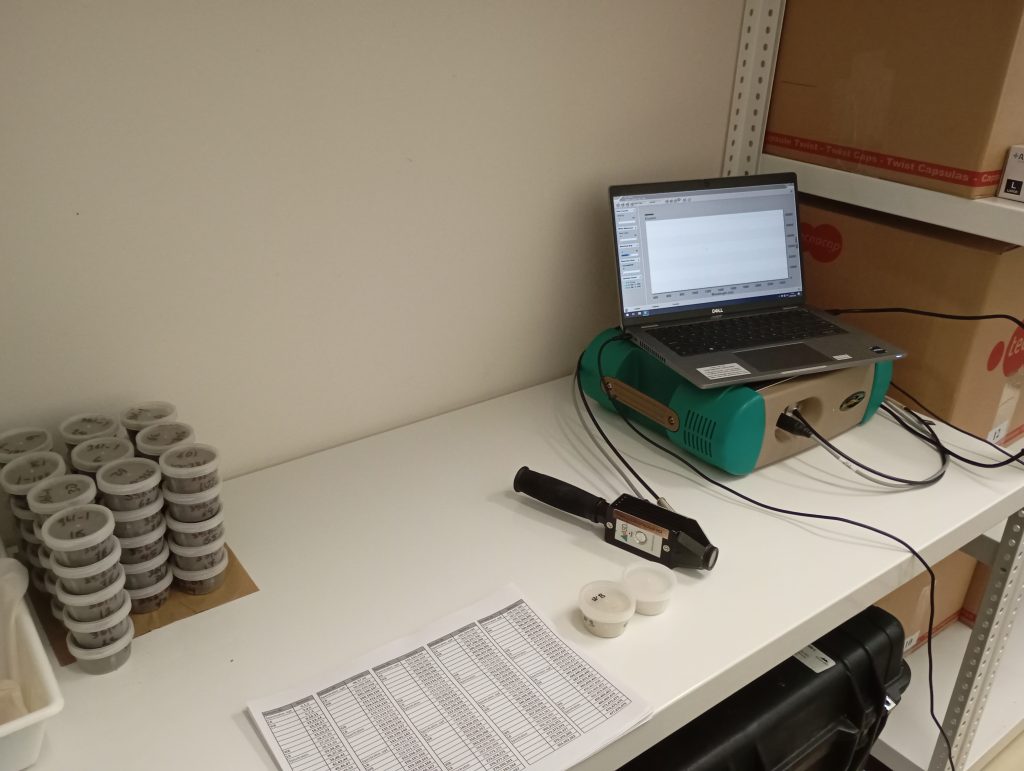
The aim? 

To build a robust soil spectral library that supports real-time contamination detection, which is a crucial step for future precision agriculture.

Under the guidance of Dr. Asa Gholizadeh and the CZU team, the samples are being examined for contaminants such as:

  • TPH (Total Petroleum Hydrocarbons),
  • Cadmium (Cd),
  • Salinity, and
  • Sodium Chloride (NaCl).

Advanced laboratory instruments, including GC-MS (for hydrocarbons), ICP-MS (for heavy metals), and EC sensors (for salinity), are being used to analyze the samples. These results will feed into the creation of a spectral library using vis-NIR, MIR, and XRF sensing, helping the project model contaminant levels with high precision.

By combining field-collected samples with laboratory-grade analysis, WHEATWATCHER is closing the loop between remote sensing, real-world testing, and actionable data. These insights will feed directly into our decision support system, ensuring farmers can manage their soils more wisely and sustainably.
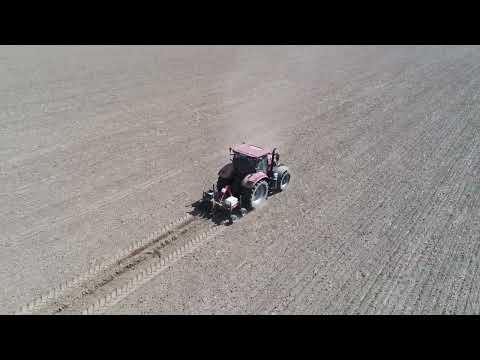
Mobile sensing in action: Mapping soil health across the fields of Demmin

Mobile sensing in action: Mapping soil health across the fields of Demmin

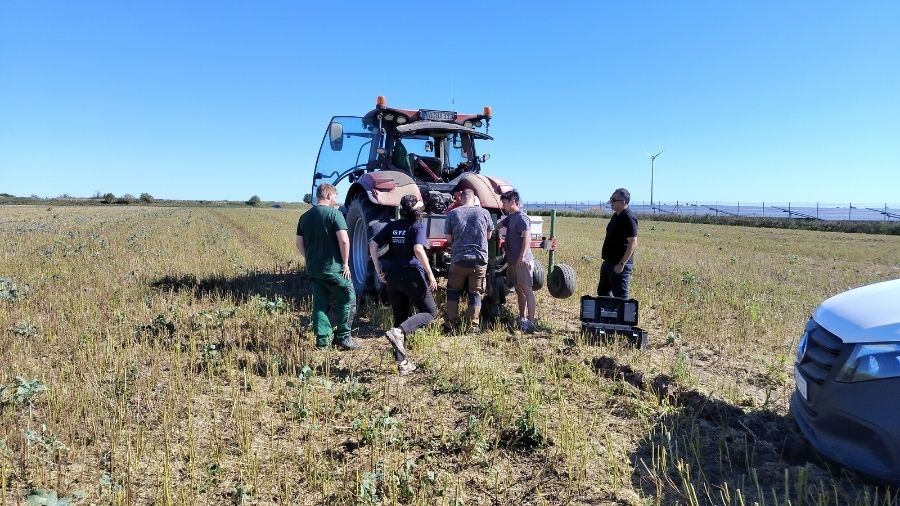
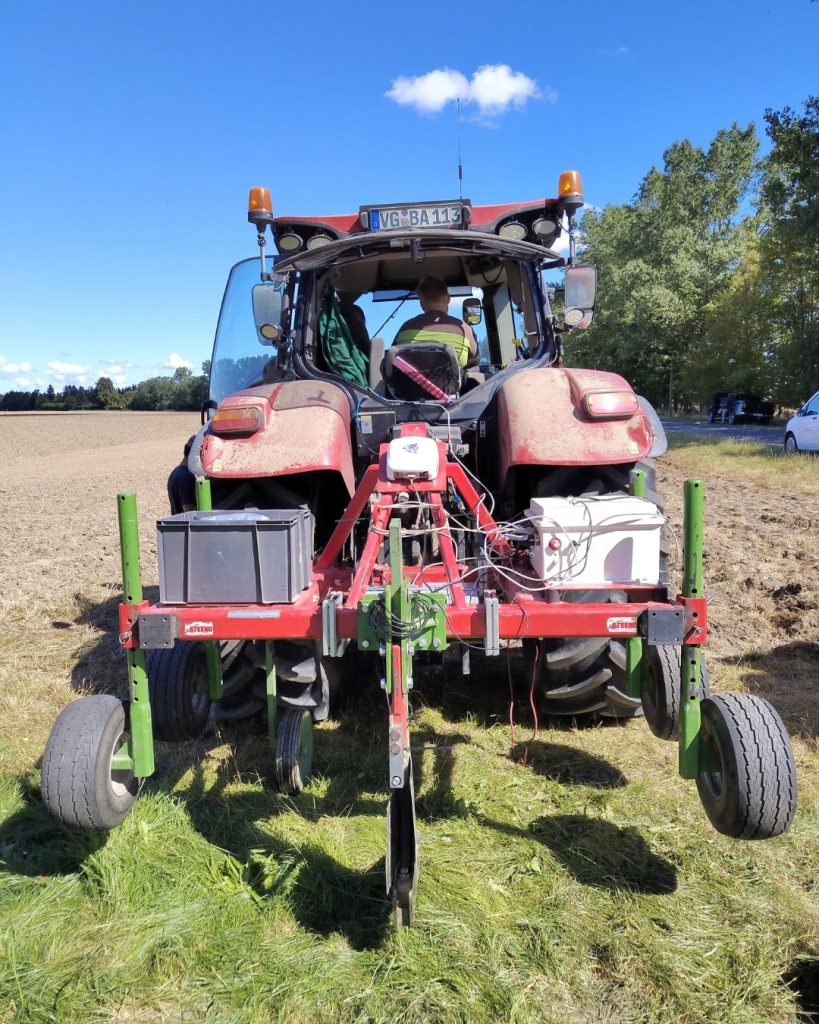
Earlier this summer, as part of the WHEATWATCHER project, our teams deployed one of the project’s key innovations: the mobile sensing platform developed by Ghent University. 

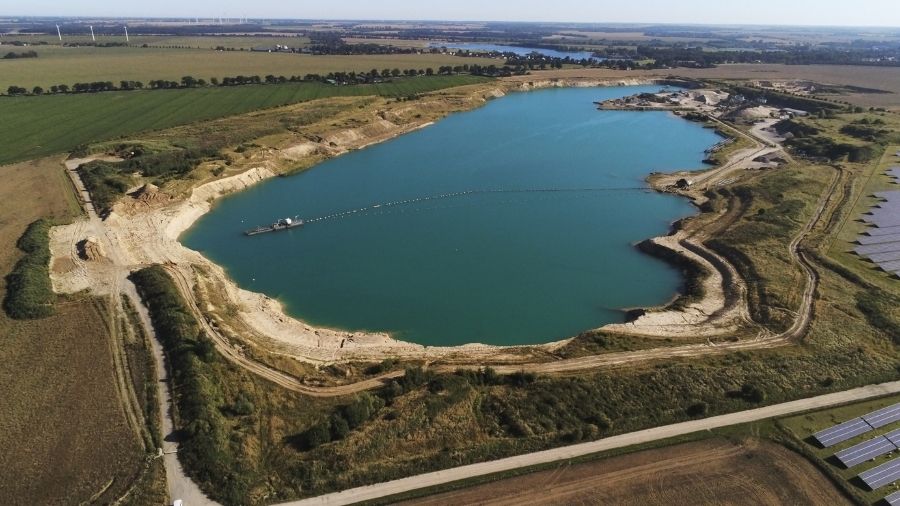
The location? Our German pilot site in Demmin, a region known for its extensive agricultural landscape and ideal conditions for large-scale field testing.

Over several days, our project’s scientific coordinator dr. Antonis Morellos and  dr. Yongjing Wang from the University of Ghent and the GFZ team, dr. Mehdi Saberioon  and Thomas Piernicke, collaborated closely to carry out a high-resolution soil sensing campaign. Mounted on a specially equipped vehicle, the mobile platform combined visible–near infrared (vis–NIR) spectroscopy and a gamma-ray sensor to scan and map key soil properties — in real time, while moving across the field.

This method allows us to detect changes in soil texture, nutrient availability, and potential contamination levels with remarkable spatial precision. In addition to the sensing runs, we collected bulk density measurements and soil samples at regular intervals. These data points will now be used to calibrate and validate the sensor outputs, ensuring the accuracy and scientific value of the generated maps.

The outcome? A robust, multi-layered dataset that not only enhances our understanding of soil variability but also demonstrates the power of real-time data collection to support smarter, more sustainable agricultural practices.

This campaign exemplifies how cutting-edge technology, when combined with traditional soil science and cross-border collaboration, can help farmers, researchers, and policymakers make better-informed decisions. As climate change and soil degradation continue to threaten food security, projects like WHEATWATCHER are working to develop practical tools that bridge the gap between research and real-world farming.

Stay tuned for more updates as we process the data and move one step closer to making precision soil monitoring the new standard in European agriculture.

Mobile sensing in action: Mapping soil health across the fields of Demmin
Skip to content