CZU Begins Laboratory Analysis for WHEATWATCHER
As part of WHEATWATCHER’s commitment to improving soil health and crop safety across Europe, our project has now entered a key scientific phase: laboratory analysis of soil samples from our German pilot site in Demmin.
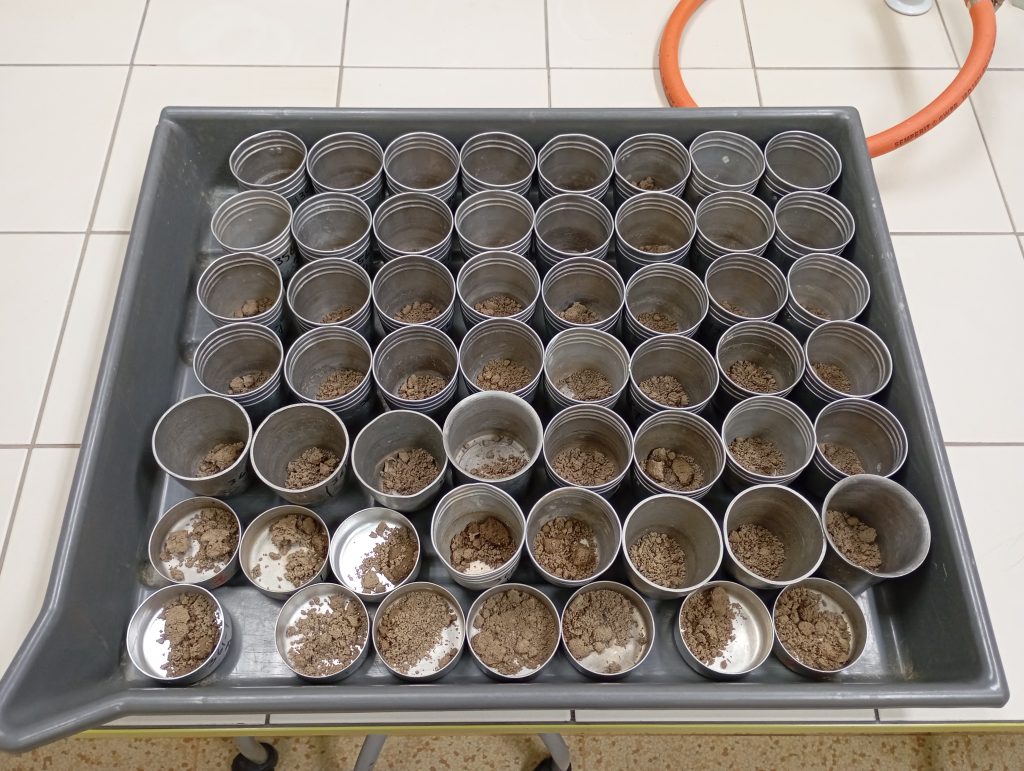
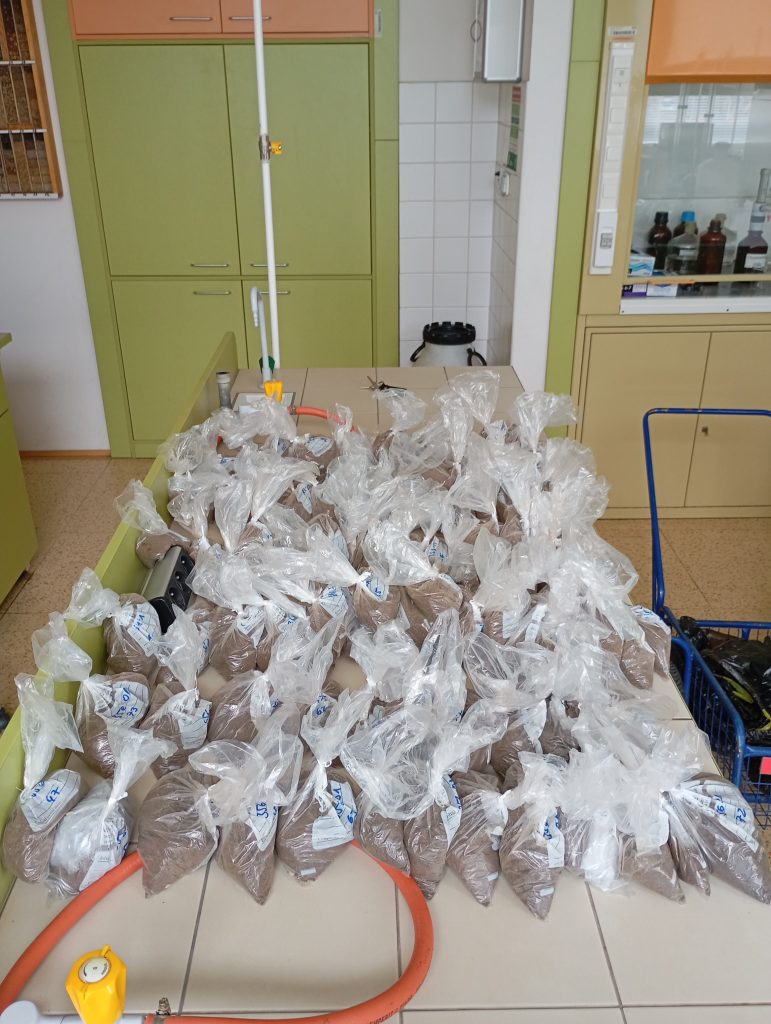
Earlier this year, the team at GFZ Helmholtz Centre for Geosciences conducted an extensive soil sampling campaign in fields around Demmin. These samples, now in the hands of our colleagues at the Czech University of Life Sciences Prague (CZU), are undergoing detailed laboratory testing as part of Task 3.2: Proximal sensing of contaminated soil.
The aim?
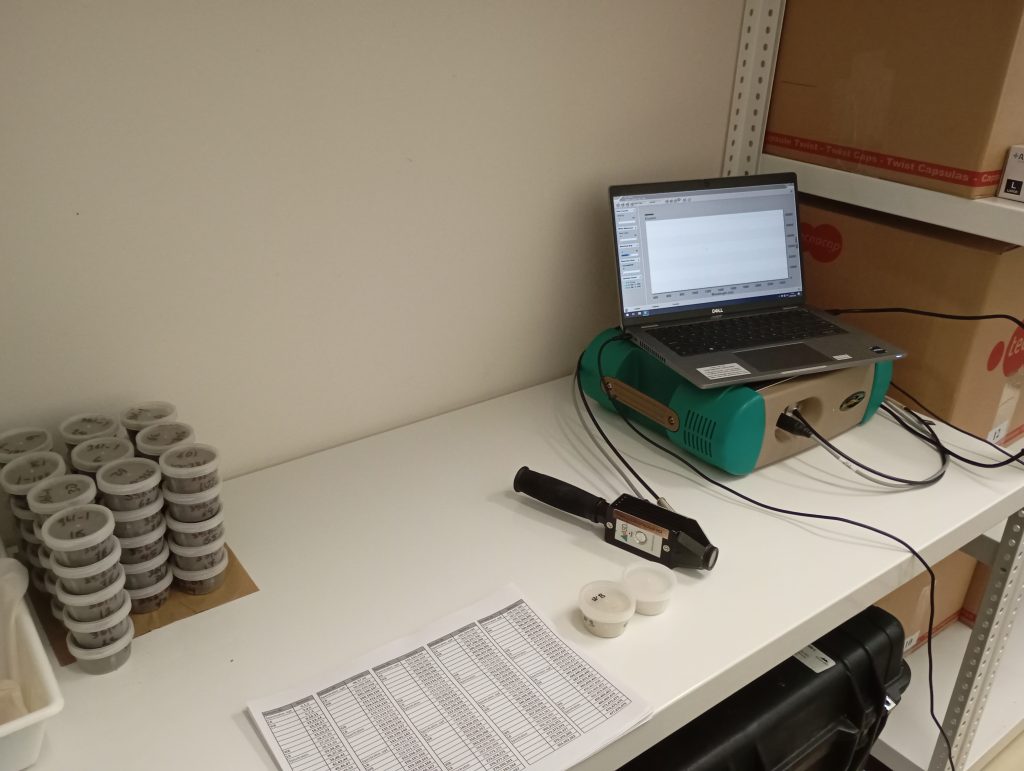
To build a robust soil spectral library that supports real-time contamination detection, which is a crucial step for future precision agriculture.
Under the guidance of Dr. Asa Gholizadeh and the CZU team, the samples are being examined for contaminants such as:
- TPH (Total Petroleum Hydrocarbons),
- Cadmium (Cd),
- Salinity, and
- Sodium Chloride (NaCl).
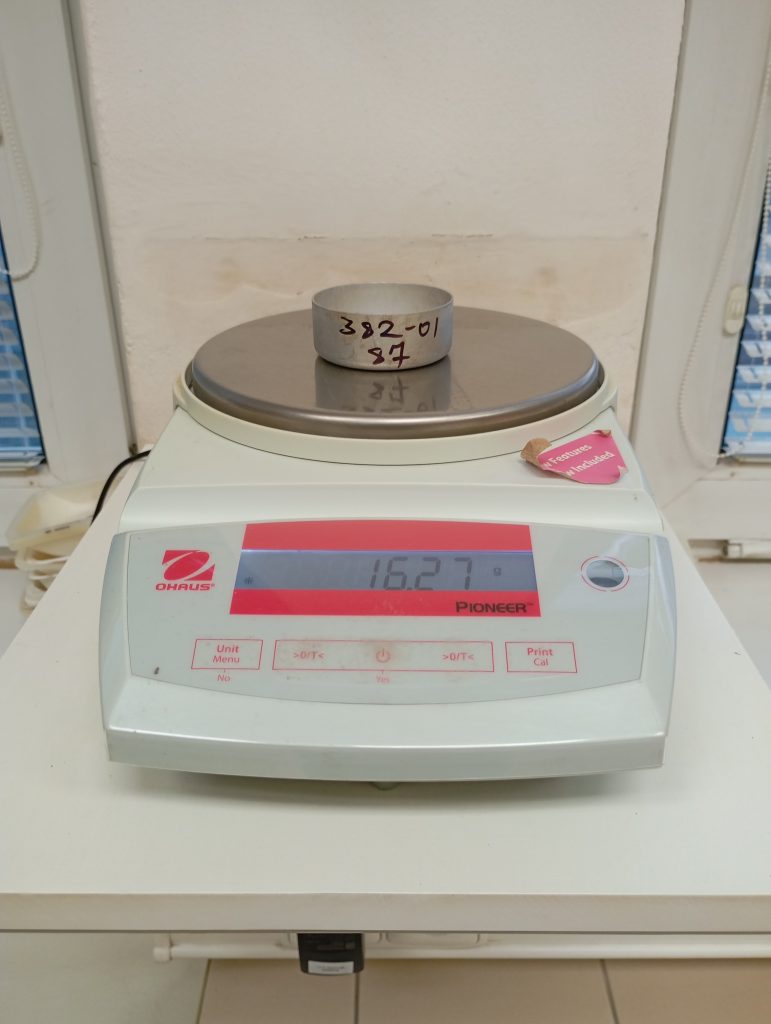
Advanced laboratory instruments, including GC-MS (for hydrocarbons), ICP-MS (for heavy metals), and EC sensors (for salinity), are being used to analyze the samples. These results will feed into the creation of a spectral library using vis-NIR, MIR, and XRF sensing, helping the project model contaminant levels with high precision.
By combining field-collected samples with laboratory-grade analysis, WHEATWATCHER is closing the loop between remote sensing, real-world testing, and actionable data. These insights will feed directly into our decision support system, ensuring farmers can manage their soils more wisely and sustainably.