Mobile sensing in action: Mapping soil health across the fields of Demmin
Earlier this summer, as part of the WHEATWATCHER project, our teams deployed one of the project’s key innovations: the mobile sensing platform developed by Ghent University.
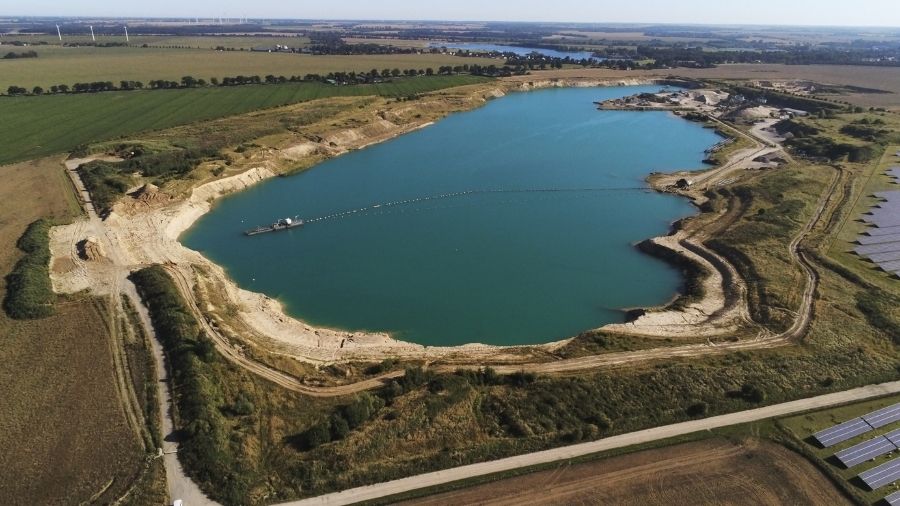
The location? Our German pilot site in Demmin, a region known for its extensive agricultural landscape and ideal conditions for large-scale field testing.
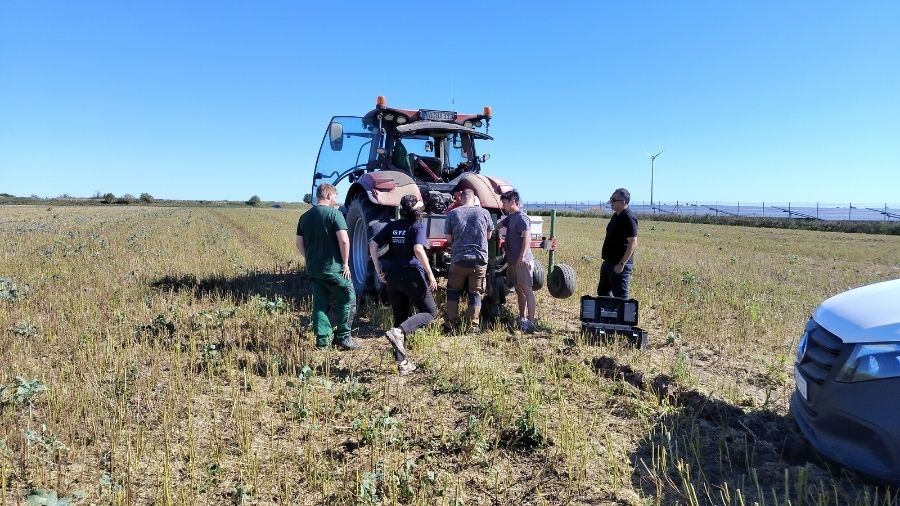
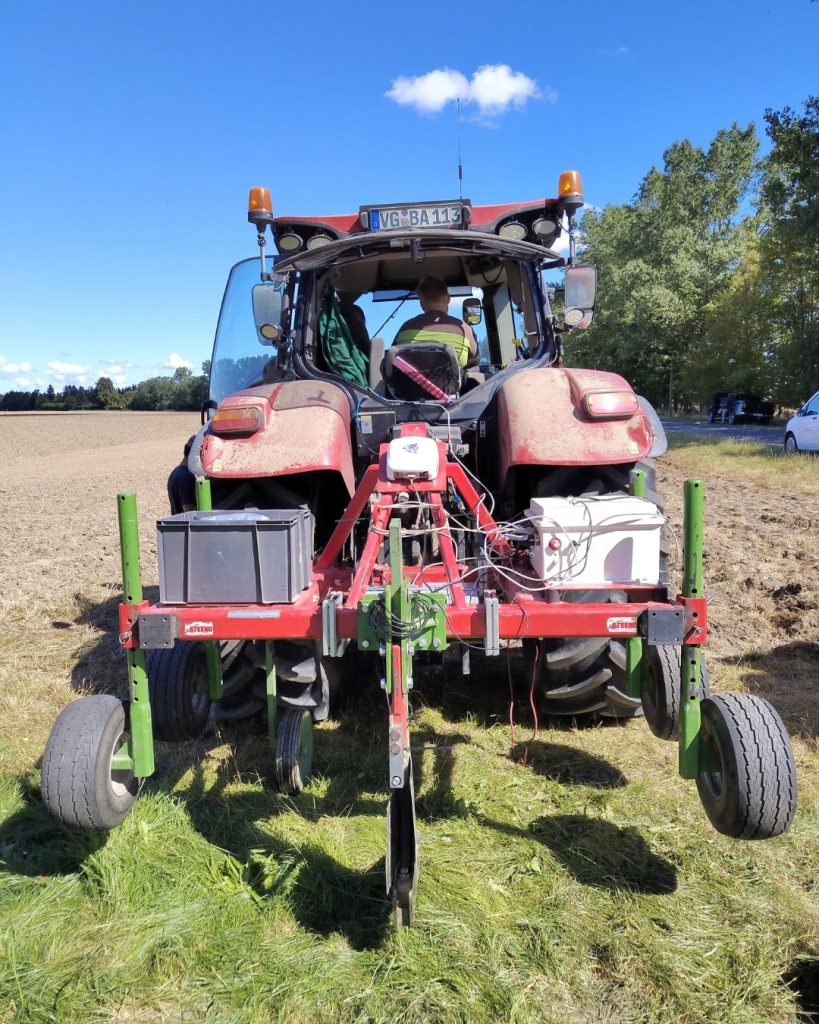
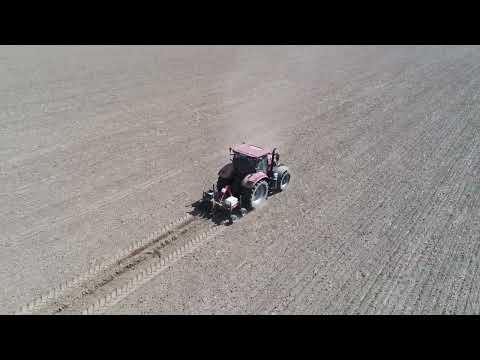
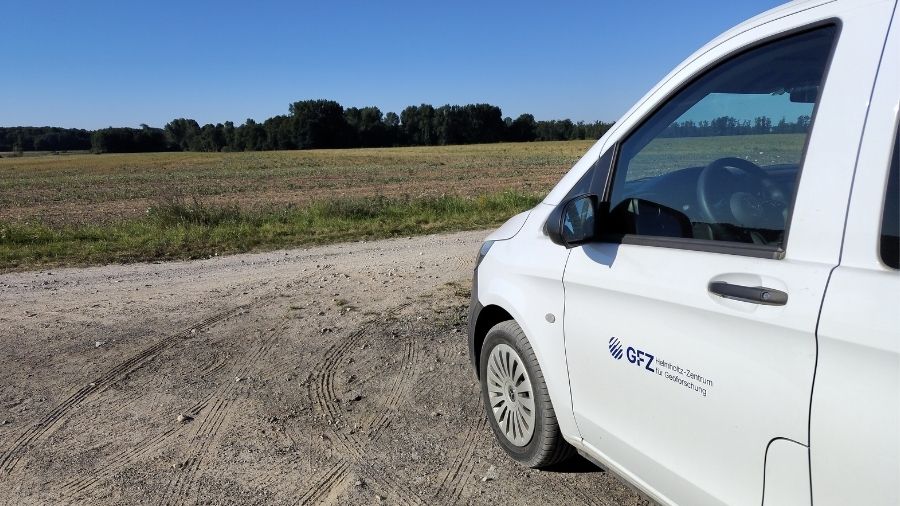
Over several days, our project’s scientific coordinator dr. Antonis Morellos and dr. Yongjing Wang from the University of Ghent and the GFZ team, dr. Mehdi Saberioon and Thomas Piernicke, collaborated closely to carry out a high-resolution soil sensing campaign. Mounted on a specially equipped vehicle, the mobile platform combined visible–near infrared (vis–NIR) spectroscopy and a gamma-ray sensor to scan and map key soil properties — in real time, while moving across the field.
This method allows us to detect changes in soil texture, nutrient availability, and potential contamination levels with remarkable spatial precision. In addition to the sensing runs, we collected bulk density measurements and soil samples at regular intervals. These data points will now be used to calibrate and validate the sensor outputs, ensuring the accuracy and scientific value of the generated maps.
The outcome? A robust, multi-layered dataset that not only enhances our understanding of soil variability but also demonstrates the power of real-time data collection to support smarter, more sustainable agricultural practices.
This campaign exemplifies how cutting-edge technology, when combined with traditional soil science and cross-border collaboration, can help farmers, researchers, and policymakers make better-informed decisions. As climate change and soil degradation continue to threaten food security, projects like WHEATWATCHER are working to develop practical tools that bridge the gap between research and real-world farming.
Stay tuned for more updates as we process the data and move one step closer to making precision soil monitoring the new standard in European agriculture.