Tag: germany

WHEATWATCHER stationary sensor installations

Robotic-Based Sensing and Sampling

The WHEATWATCHER project continues to advance its field monitoring activities with new stationary sensor installations in Germany and Lithuania, strengthening the collection and accessibility of environmental and soil data across Europe.

Following the recent WHEATWATCHER Consortium Meeting in Rostock, project partners carried out further sensor deployment activities, while a remotely coordinated installation in Lithuania marked another step in supporting the implementation of monitoring technologies across different locations.

Led by the expertise of the University of Applied Sciences and Arts Northwestern Switzerland (FHNW), these activities contribute to WHEATWATCHER’s objective of combining continuous field measurements with accessible digital data infrastructure.
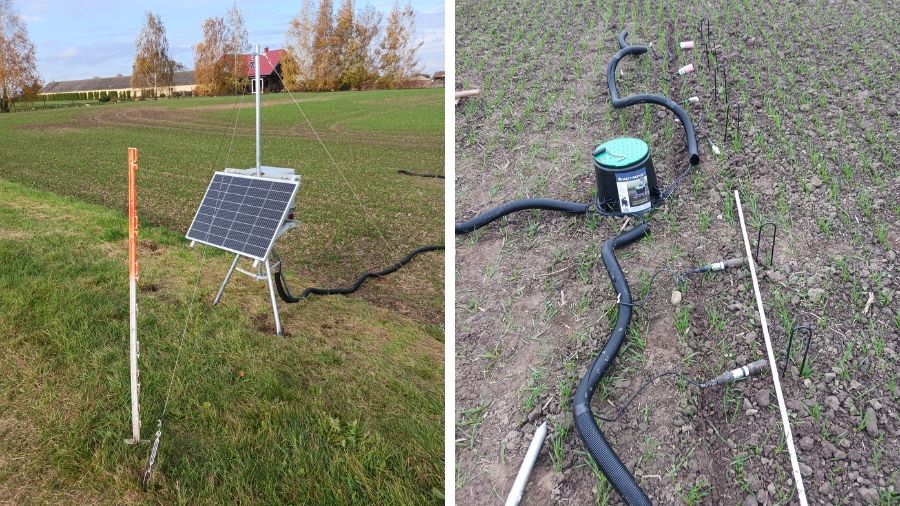
Installing stationary sensors in Germany

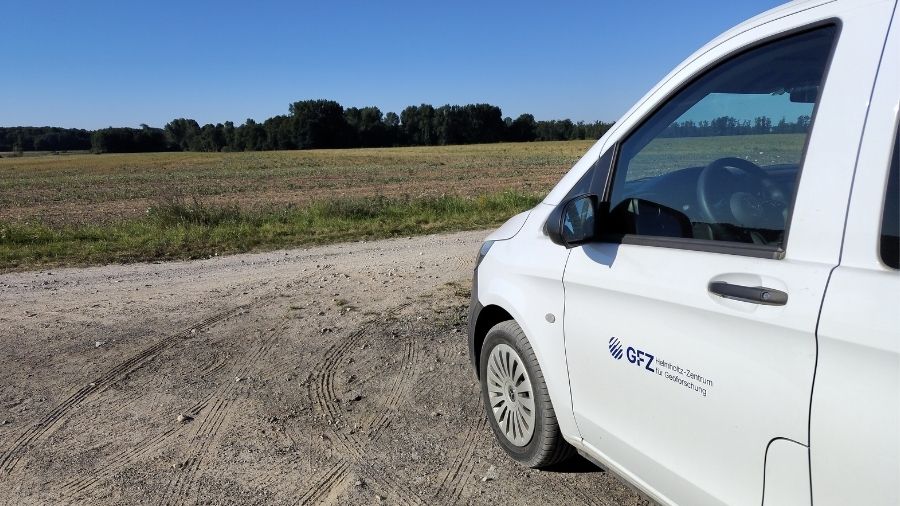
Following the WHEATWATCHER consortium meeting and field trip to the Demmin pilot area on 7 October 2026, Fabricio Parrillo (FHNW), Thomas Piernicke and Mehdi Saberioon (GFZ) carried out the installation of stationary sensor systems in Germany.

The activity built on the consortium’s discussions in Rostock, where partners reviewed progress in sensing technologies, field measurements, data integration and the development of digital monitoring tools.

Stationary sensor systems play an important role in the project’s monitoring approach. Unlike mobile sensing platforms, which collect measurements during specific field operations, stationary systems are designed to continuously monitor environmental and soil conditions over time.

Within WHEATWATCHER, these technologies support the measurement of parameters such as soil moisture, temperature and electrical conductivity, alongside atmospheric conditions.

Continuous observations help researchers examine how soil and environmental conditions change over time, providing valuable information for interpreting field measurements and supporting further analysis.

A remotely coordinated installation in Lithuania

The project’s sensor deployment activities also progressed in Lithuania.

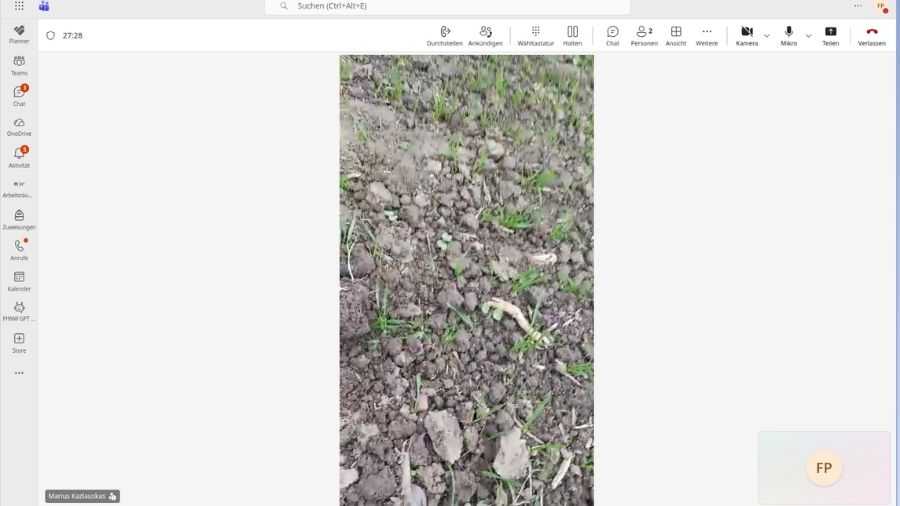
On 20 October 2026, Marius conducted the first remotely coordinated station installation through Microsoft Teams.

This activity demonstrated an alternative approach to installing monitoring equipment, allowing technical coordination and support to take place remotely rather than requiring all specialists to be physically present at the installation site.

Remotely supported installations can provide practical advantages for research projects operating across multiple European locations, particularly when coordinating technical expertise between partners.

The experience also contributes to WHEATWATCHER’s broader effort to develop monitoring solutions that can be implemented and supported in different field environments.
Connecting field measurements through the WHEATWATCHER Portal

An important aspect of these installations is not only the collection of measurements, but also how the resulting data can be accessed and used.

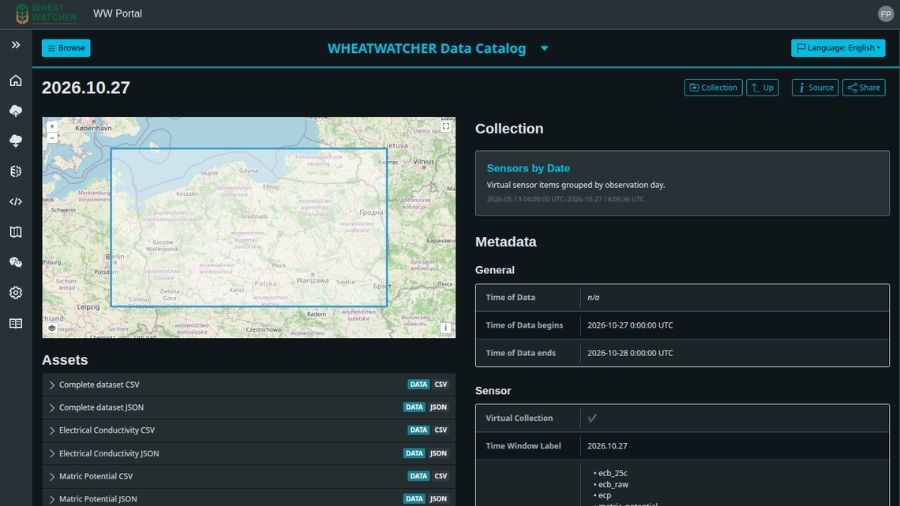
According to the FHNW team, data from the monitoring systems are made available through the WHEATWATCHER Portal, providing project partners with access to information collected through the project’s monitoring infrastructure.

The platform supports researchers and modellers in exploring available datasets and incorporating relevant measurements into their scientific work.

A key component of this approach is the use of SpatioTemporal Asset Catalogs (STAC), a standard for organising and describing data associated with specific locations and times.

Through the STAC Browser, project partners can explore available datasets, while the STAC API enables programmatic access for integration into modelling and data processing workflows.

This approach helps make monitoring information easier to discover and use across different research activities.

By connecting field measurements with digital data management tools, WHEATWATCHER supports the transition from individual sensor observations towards a more integrated approach to agricultural monitoring.
From continuous monitoring to better agricultural knowledge

The stationary sensor installations are part of WHEATWATCHER’s wider strategy to combine different sources of information, including field measurements, laboratory analyses, proximal sensing and remote sensing data.

Through this integrated approach, the project aims to improve understanding of soil properties, environmental conditions and factors influencing wheat development.

The information gathered from stationary sensors can contribute to modelling and mapping activities and support the continued development of WHEATWATCHER’s digital Decision Support System (DSS).

By making data available to researchers and project partners through a shared infrastructure, the project is working towards more consistent and informed assessments of agricultural conditions.

CZU Begins Laboratory Analysis for WHEATWATCHER

CZU Begins Laboratory Analysis for WHEATWATCHER

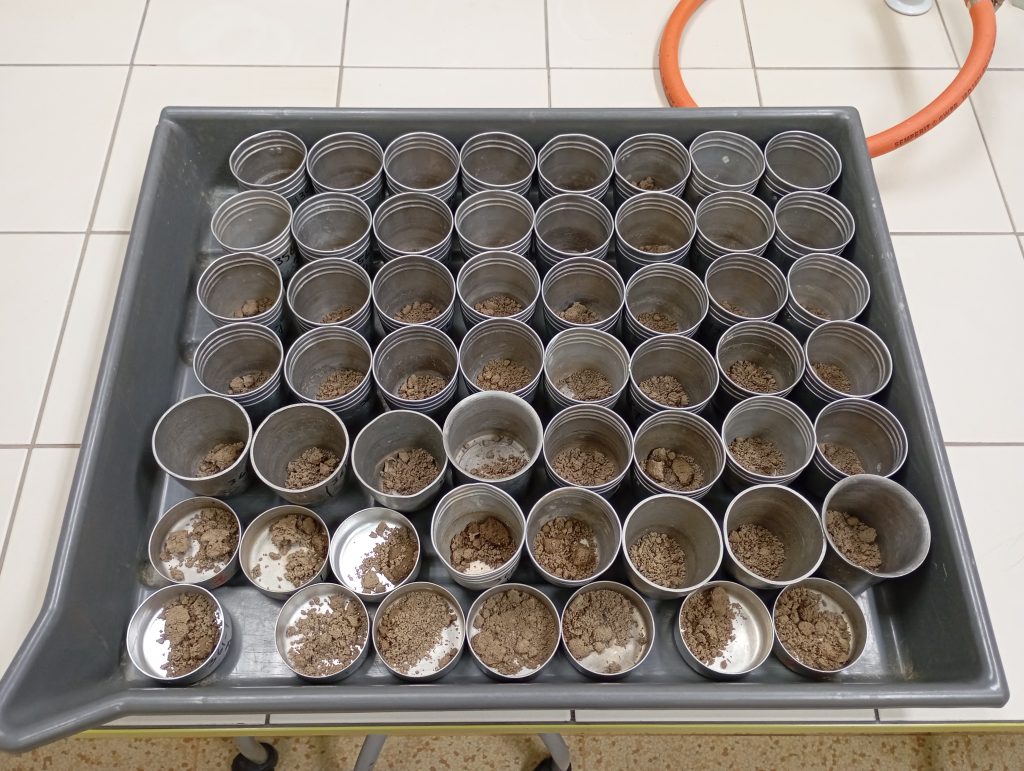
As part of WHEATWATCHER’s commitment to improving soil health and crop safety across Europe, our project has now entered a key scientific phase: laboratory analysis of soil samples from our German pilot site in Demmin.

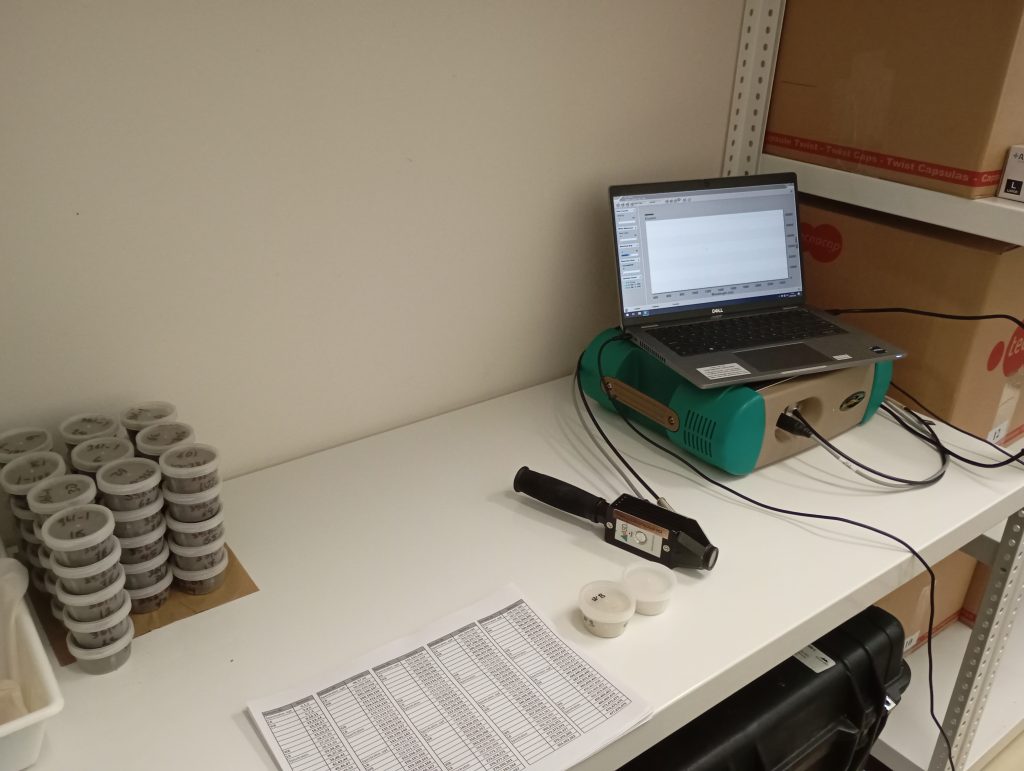
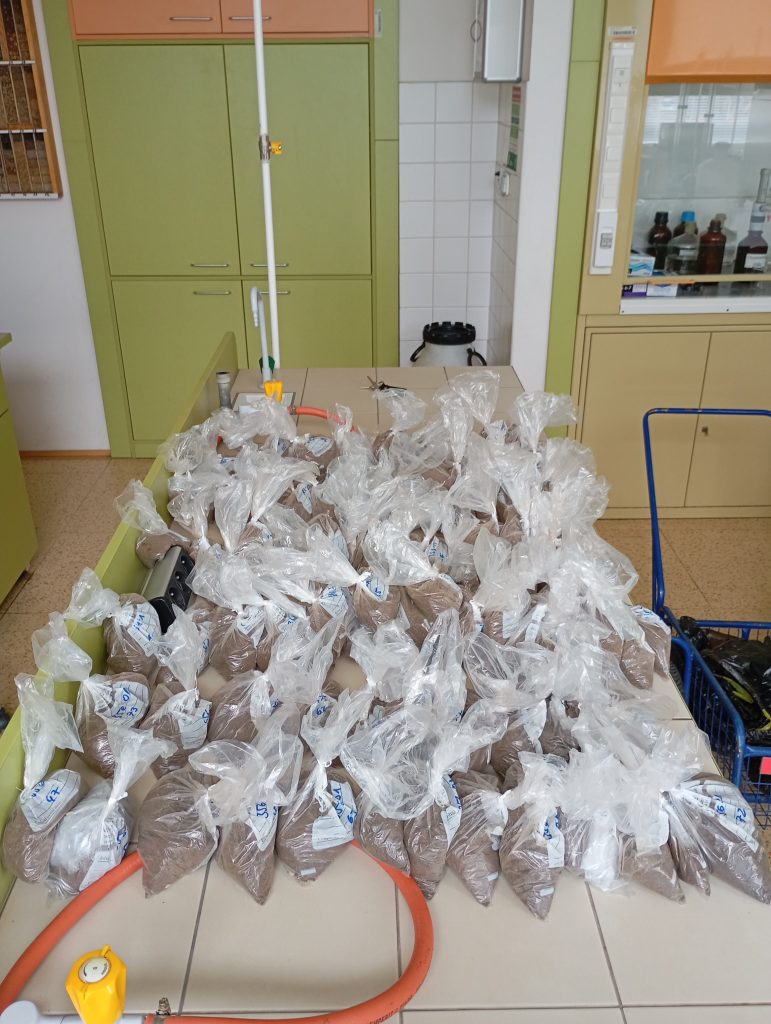
Earlier this year, the team at GFZ Helmholtz Centre for Geosciences conducted an extensive soil sampling campaign in fields around Demmin. These samples, now in the hands of our colleagues at the Czech University of Life Sciences Prague (CZU), are undergoing detailed laboratory testing as part of Task 3.2: Proximal sensing of contaminated soil.

The aim? 

To build a robust soil spectral library that supports real-time contamination detection, which is a crucial step for future precision agriculture.

Under the guidance of Dr. Asa Gholizadeh and the CZU team, the samples are being examined for contaminants such as:

  • TPH (Total Petroleum Hydrocarbons),
  • Cadmium (Cd),
  • Salinity, and
  • Sodium Chloride (NaCl).

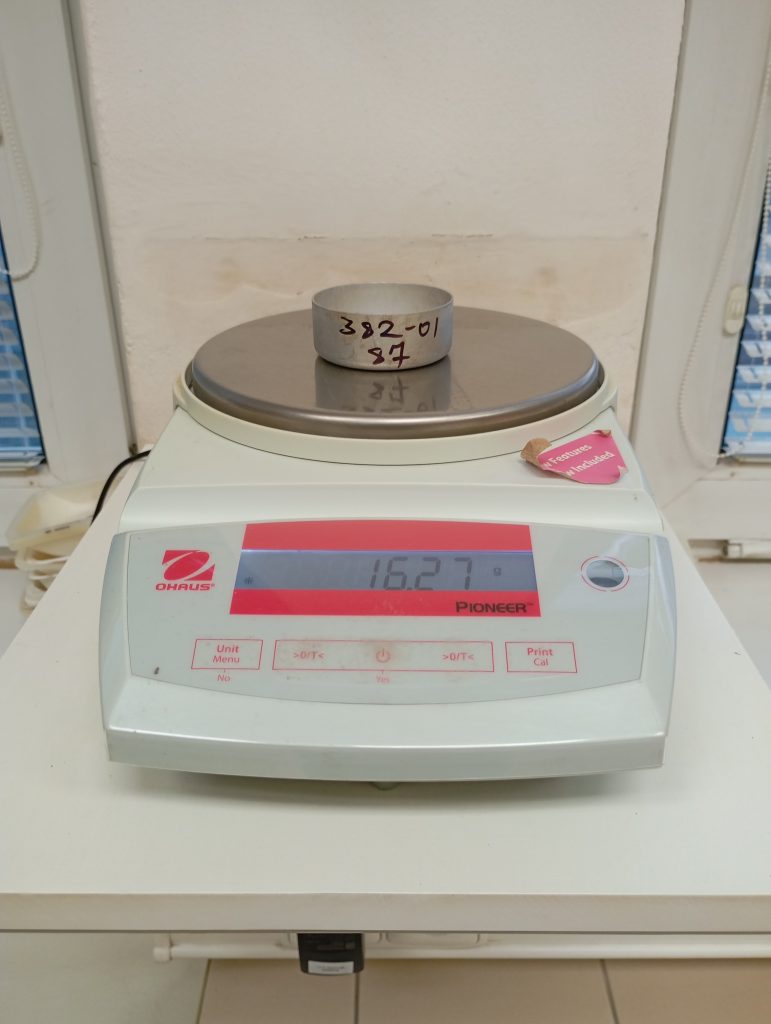
Advanced laboratory instruments, including GC-MS (for hydrocarbons), ICP-MS (for heavy metals), and EC sensors (for salinity), are being used to analyze the samples. These results will feed into the creation of a spectral library using vis-NIR, MIR, and XRF sensing, helping the project model contaminant levels with high precision.

By combining field-collected samples with laboratory-grade analysis, WHEATWATCHER is closing the loop between remote sensing, real-world testing, and actionable data. These insights will feed directly into our decision support system, ensuring farmers can manage their soils more wisely and sustainably.

Mobile sensing in action: Mapping soil health across the fields of Demmin

Mobile sensing in action: Mapping soil health across the fields of Demmin

Earlier this summer, as part of the WHEATWATCHER project, our teams deployed one of the project’s key innovations: the mobile sensing platform developed by Ghent University. 

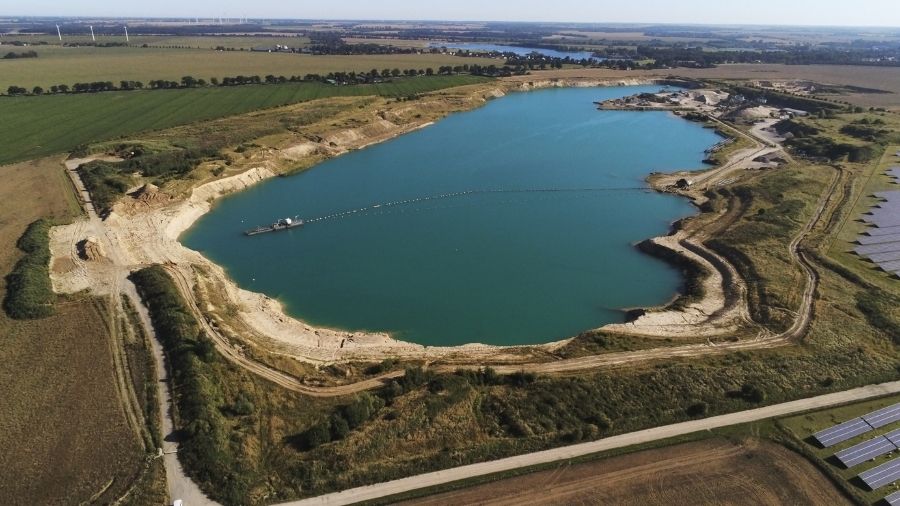
The location? Our German pilot site in Demmin, a region known for its extensive agricultural landscape and ideal conditions for large-scale field testing.

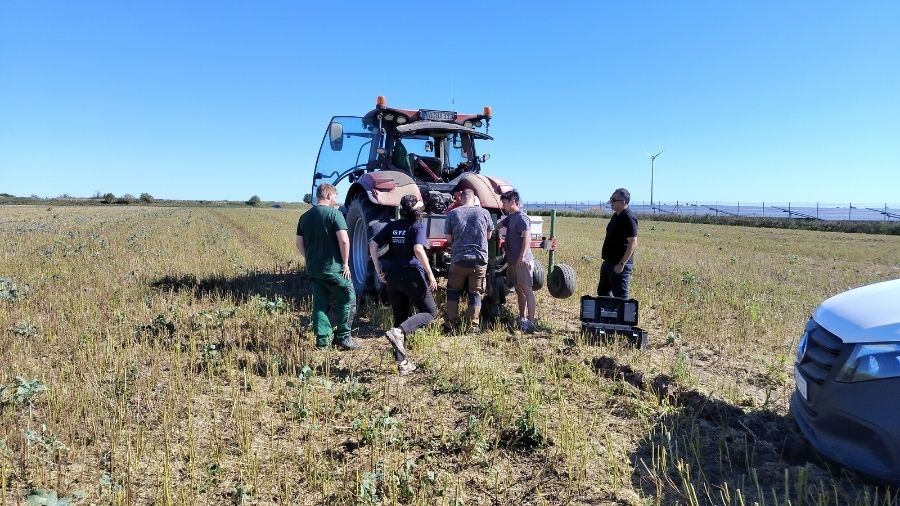
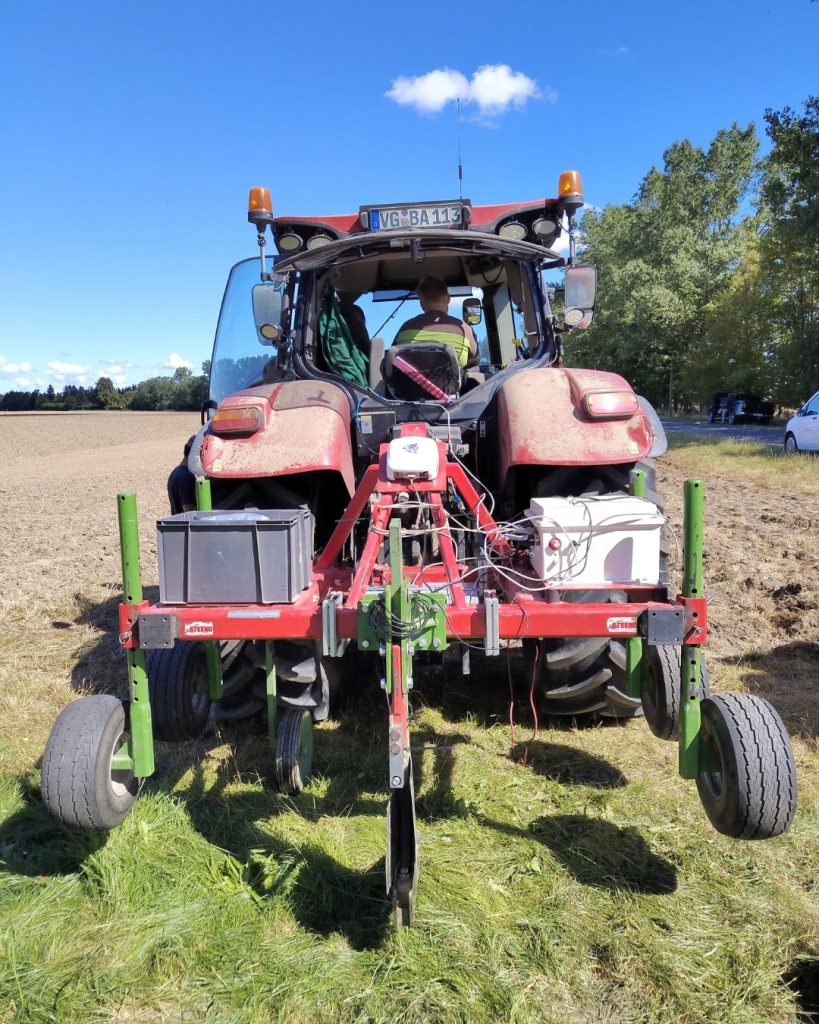
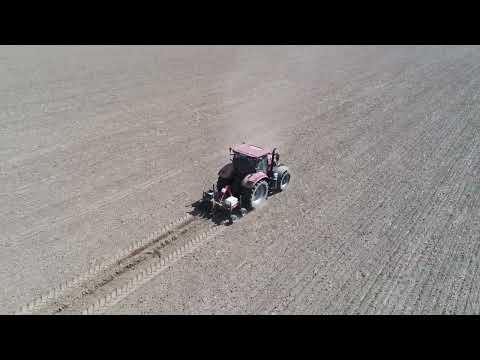
Over several days, our project’s scientific coordinator dr. Antonis Morellos and  dr. Yongjing Wang from the University of Ghent and the GFZ team, dr. Mehdi Saberioon  and Thomas Piernicke, collaborated closely to carry out a high-resolution soil sensing campaign. Mounted on a specially equipped vehicle, the mobile platform combined visible–near infrared (vis–NIR) spectroscopy and a gamma-ray sensor to scan and map key soil properties — in real time, while moving across the field.

This method allows us to detect changes in soil texture, nutrient availability, and potential contamination levels with remarkable spatial precision. In addition to the sensing runs, we collected bulk density measurements and soil samples at regular intervals. These data points will now be used to calibrate and validate the sensor outputs, ensuring the accuracy and scientific value of the generated maps.

The outcome? A robust, multi-layered dataset that not only enhances our understanding of soil variability but also demonstrates the power of real-time data collection to support smarter, more sustainable agricultural practices.

This campaign exemplifies how cutting-edge technology, when combined with traditional soil science and cross-border collaboration, can help farmers, researchers, and policymakers make better-informed decisions. As climate change and soil degradation continue to threaten food security, projects like WHEATWATCHER are working to develop practical tools that bridge the gap between research and real-world farming.

Stay tuned for more updates as we process the data and move one step closer to making precision soil monitoring the new standard in European agriculture.

Mobile sensing in action: Mapping soil health across the fields of Demmin
Precision for tomorrow: How FHNW’s sensor technology powers WHEATWATCHER

Precision for tomorrow: How FHNW’s sensor technology powers WHEATWATCHER

Wheat is Europe’s most widely cultivated cereal crop known for its adaptability to different climates and soils. But today, soils across Europe are under increasing stress from over-fertilization, chemical inputs, and environmental change. That’s where WHEATWATCHER steps in.

A research mission rooted in innovation

WHEATWATCHER is a Horizon Europe-funded project with a bold objective to understand how soil contaminants, both chemical and biological, affect wheat growth from seed to flour. Through an integrated monitoring approach, the project tracks everything from soil health to grain quality. The goal? To detect and prevent contamination early, ensuring safe food production and sustainable farming practices.

To achieve this, WHEATWATCHER  has established four pilot sites in Germany, Belgium, Poland, and Greece. At each site, advanced digital soil monitoring systems are being deployed to gather real-time data on soil conditions and environmental stressors.

Leading sensor work: The role of FHNW

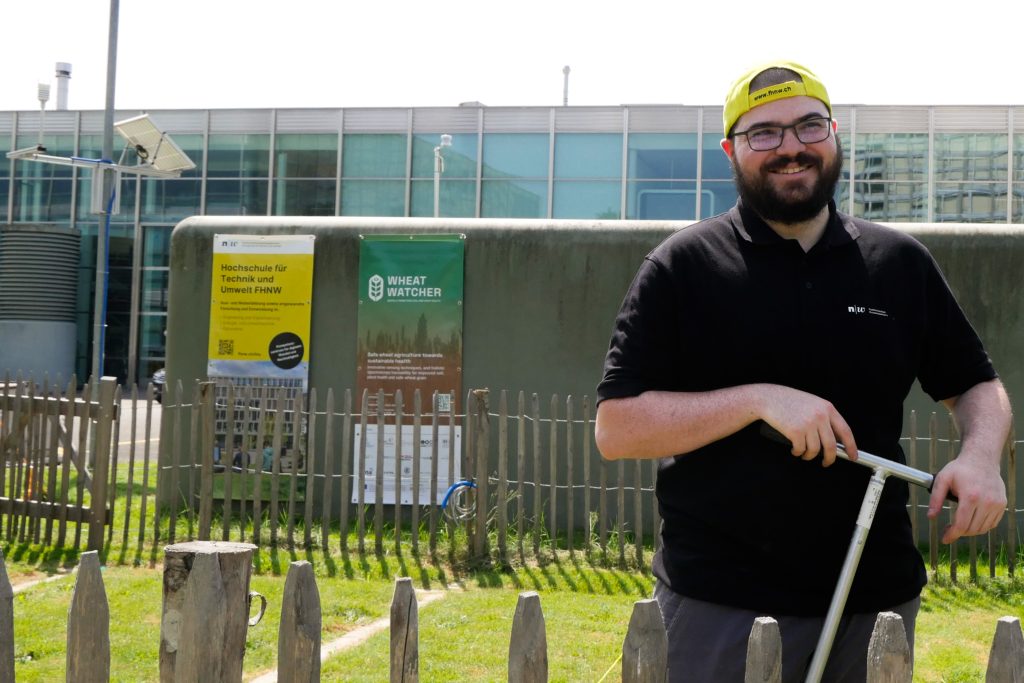
As a key partner in the WHEATWATCHER project, the University of Applied Sciences and Arts Northwestern Switzerland (FHNW), and more specifically its Institute for Sensor Technology and Electronics, plays a central role in designing and implementing the project’s sensor-based monitoring systems.

FHNW is responsible for all stationary data acquisition from sensors installed in both soil and air. In parallel, the team is developing the cloud-based infrastructure that enables real-time data transmission and processing across the pilot sites. With expertise in embedded systems and IoT, FHNW ensures that sensor data is not only collected but seamlessly integrated into the project’s digital decision support tools.

Over the past five years, the FHNW team has built a precision sensor system specifically tailored to agricultural applications. These sensor networks are installed directly into the soil and the surrounding environment to measure:

  • Soil parameters: moisture, temperature, pH, salinity, and nutrients such as nitrogen, phosphorus, and potassium.
  • Atmospheric conditions: air temperature, humidity, wind speed, rainfall, and solar radiation.

Unlike broader area analyses, the FHNW system performs high-frequency, site-specific measurements, offering precise long-term monitoring of changes in the soil, such as moisture loss or nutrient fluctuations. This complements other technologies used within WHEATWATCHER that cover larger-scale monitoring.

A living laboratory in Switzerland

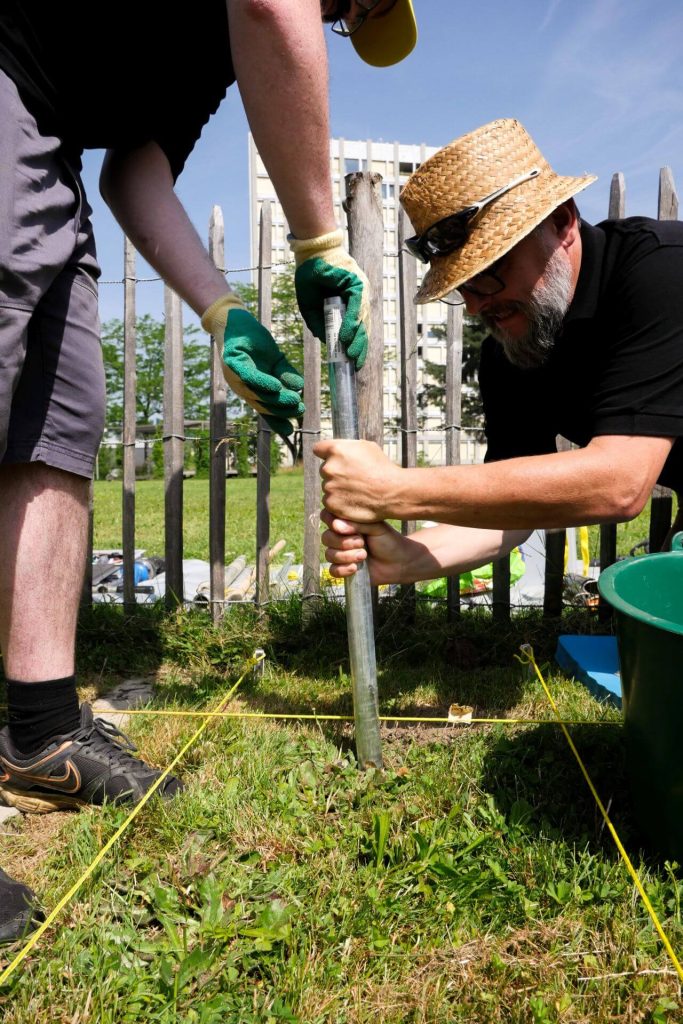
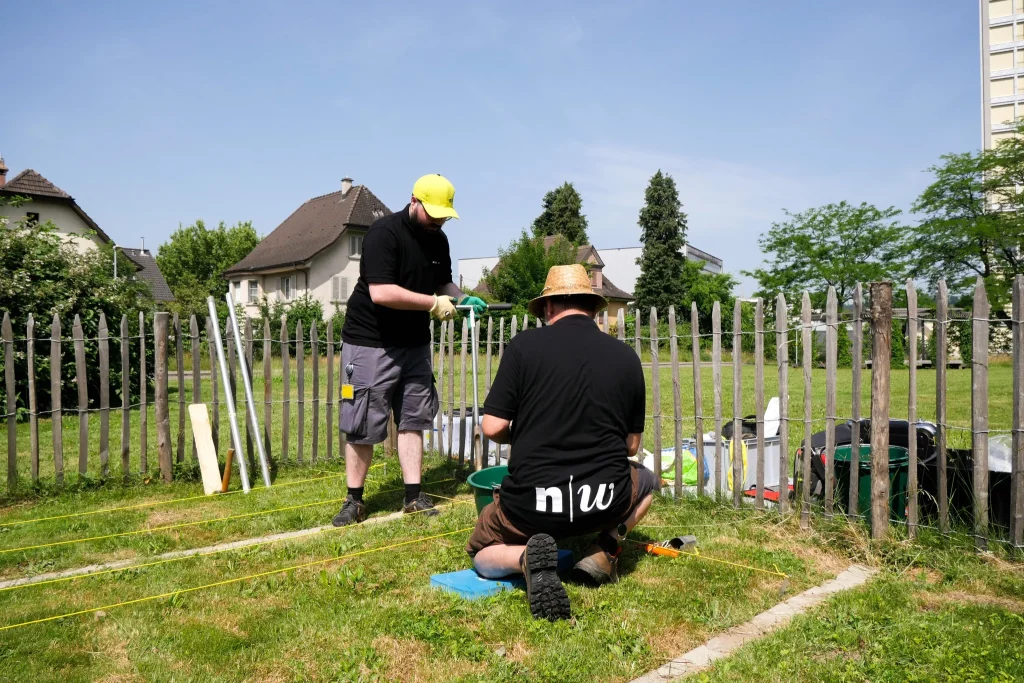
To fine-tune the system, the FHNW team is using its Innovation Garden in Windisch, Switzerland, as a live testing ground. This outdoor lab allows researchers to experiment with various sensor types and calibration methods before rolling them out to the pilot sites.

Simultaneously, the team is developing a sophisticated cloud-based Data Warehouse that collects all field measurements wirelessly. These datasets will support predictive analytics and contribute to real-time decision-making tools within the project.

By autumn 2026, all stations are expected to be fully operational across the pilot countries, helping translate raw data into meaningful insights for farmers, millers, and policymakers alike.

FHNW sensor technology for more sustainable agriculture

In collaboration with institutions like FiBL (Frick), Agroscope (Wädenswil), and the Ebenrain Centre for Agriculture, Nature and Nutrition (Sissach), FHNW is also contributing to optimized irrigation in cherry orchards and sustainable soil management in organic farming.

These initiatives underscore FHNW’s commitment to creating scalable, real-world solutions that bridge cutting-edge science with practical agriculture.

Skip to content