Mapping soil health in Poland: Mobile Sensing in Action at the IUNG Pilot site
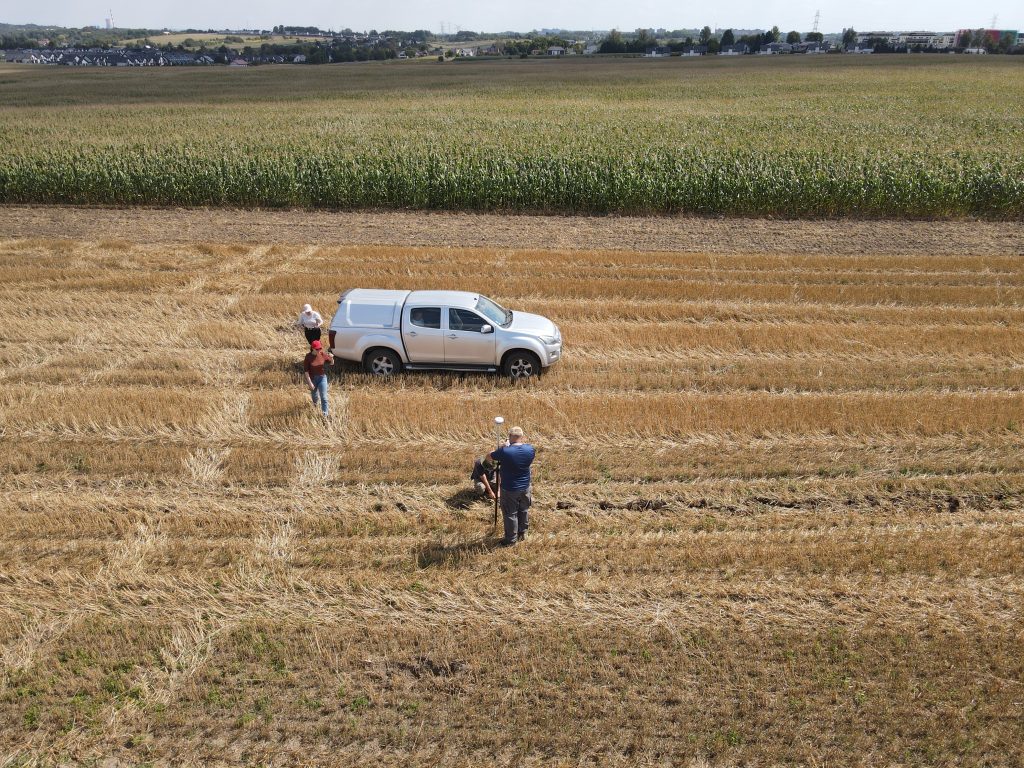
As part of WHEATWATCHER’s mission to revolutionize soil health monitoring across Europe, our Polish pilot site in Silesia, coordinated by the Institute of Soil Science and Plant Cultivation – State Research Institute (IUNG), recently hosted a full-scale mobile sensing campaign.
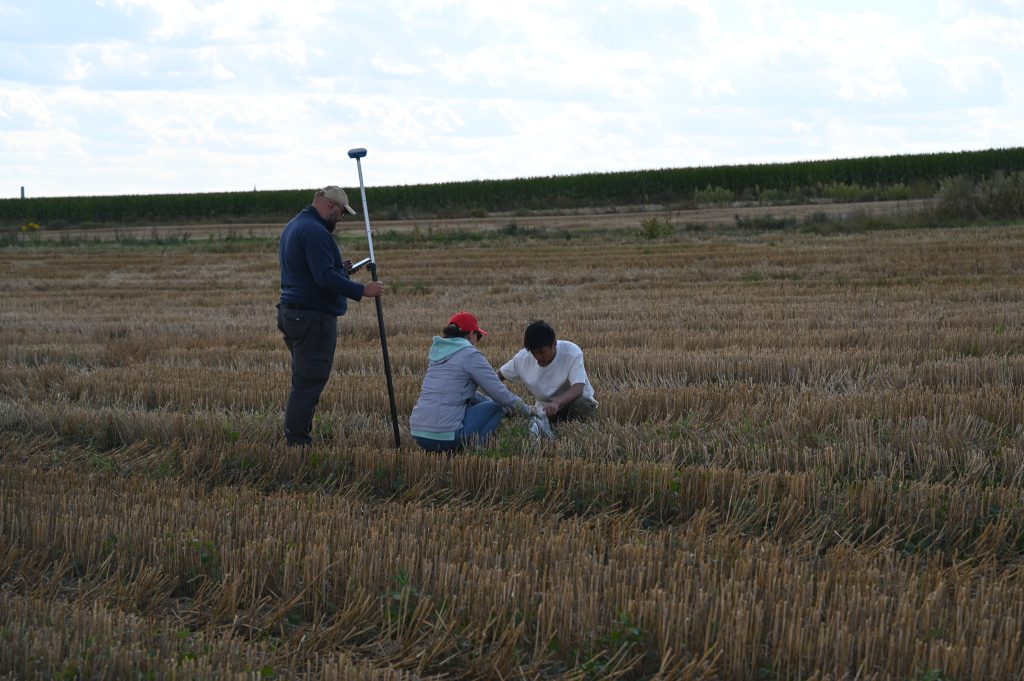
This pilot focuses on monitoring soil contaminants, particularly heavy metals, as well as salinity and nutrient imbalances, which pose serious risks to both environmental quality and food safety. To address these challenges, the team is deploying advanced sensing technologies to generate high-resolution spatial data that can inform smarter, more targeted agricultural practices.
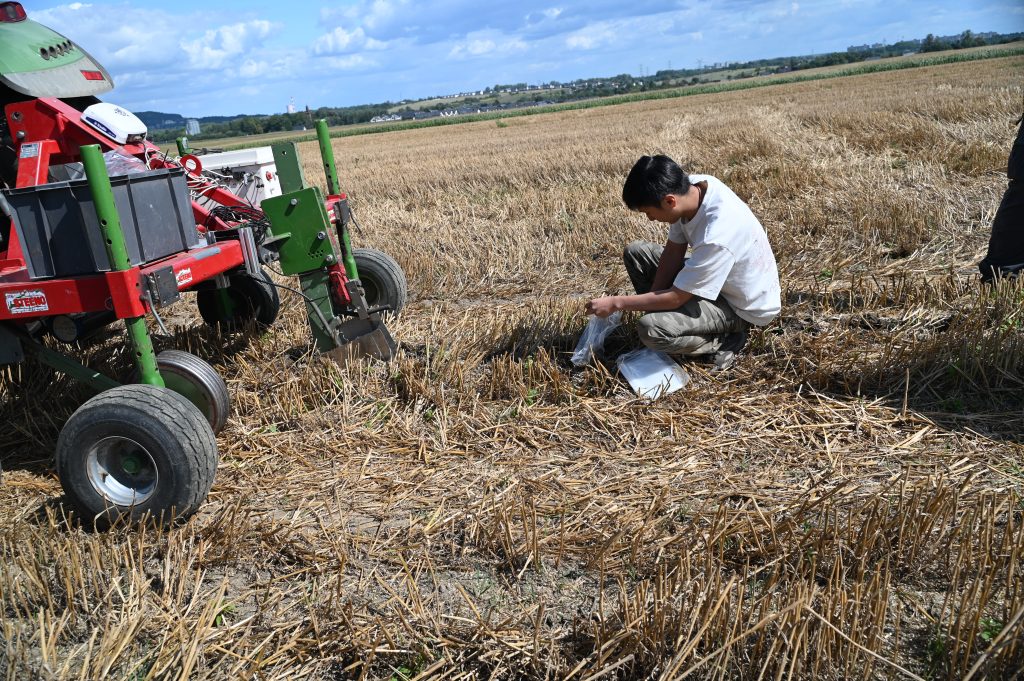
Earlier this summer, researchers from Ghent University, in collaboration with IUNG, brought the mobile sensing platform to the field. The platform—equipped with visible-near infrared (vis-NIR) spectroscopy and gamma-ray sensors—was driven across several fields, continuously collecting data on soil properties such as organic matter, moisture, and contamination levels.
The data collected will play a crucial role in supporting two key objectives:
- Mapping soil variability, especially in relation to heavy metal presence and salinity,
- Feeding into predictive models and decision-support tools, which can recommend tailored soil management actions for farmers.
Alongside the mobile sensing, bulk density measurements and soil samples were taken to assist in calibrating and validating the sensor data. These samples will also contribute to the creation of a soil spectral library under Task 3.2, led by CZU, which aims to build reference datasets for contaminated soil analysis.
This campaign once again demonstrates the power of cross-border collaboration and interdisciplinary research. By bringing together cutting-edge tools and local expertise, WHEATWATCHER is helping create practical, scalable solutions that protect soil health and food quality—starting right from the ground up in Silesia.
Learn more about our pilot sites: wheatwatcher.eu/pilot-sites