Tag: food traceability

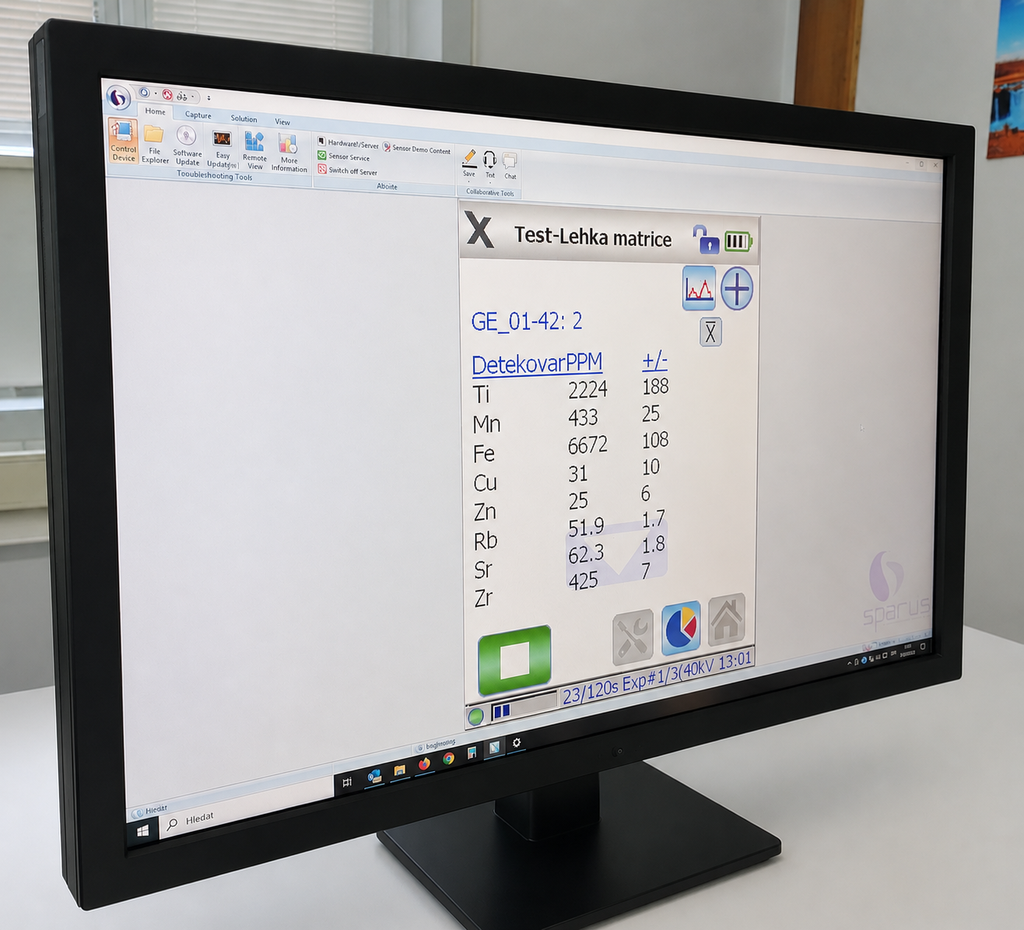
CZU laboratory analysis of soil samples for WHEATWATCHER.

From Lab to Data: CZU Measures Soil Properties for WHEATWATCHER

Czech University of Life Sciences Prague, CZU, partner of the WHEATWATCHER project, is carrying out laboratory analyses of soil samples as part of the project’s Task 3.2 activities.

This work supports WHEATWATCHER’s efforts to better understand soil conditions and develop reliable approaches for soil monitoring, assessment and data-driven agriculture.

Measuring soil properties in the laboratory

As part of the laboratory activities, CZU is analysing collected soil samples to determine important chemical and physical properties.

These analyses provide essential information for characterising soil samples collected within the project and help create a stronger scientific basis for soil health monitoring.

XRF spectroscopy under Task 3.2

One of the methods used by CZU is X-ray fluorescence spectroscopy, also known as XRF.

XRF provides rapid elemental measurements, helping researchers identify and quantify elements present in soil samples. These measurements contribute to the characterisation of the collected samples and support a better understanding of soil composition.

By using XRF in the laboratory, the CZU team can generate valuable data that complement field measurements and other analytical activities within WHEATWATCHER.
From laboratory analysis to soil monitoring

Laboratory measurements play an important role in connecting field observations with reliable scientific data.

The information generated through XRF spectroscopy and other laboratory analyses can support the development, calibration and validation of soil monitoring approaches. This is especially important for a project such as WHEATWATCHER, where data from different sources are combined to improve understanding of soil and crop conditions.

Supporting WHEATWATCHER’s data-driven approach

WHEATWATCHER aims to advance soil and crop health monitoring through sensing technologies, laboratory analysis, data analytics and decision-support tools.

CZU’s laboratory work under Task 3.2 contributes directly to this approach by transforming soil samples into measurable data.

These activities help build the datasets needed to support reliable soil assessment, improve monitoring methods and strengthen the project’s wider work on sustainable wheat production.

Through this work, WHEATWATCHER continues to connect fieldwork, laboratory science and digital tools to support smarter, more informed agricultural decision-making.

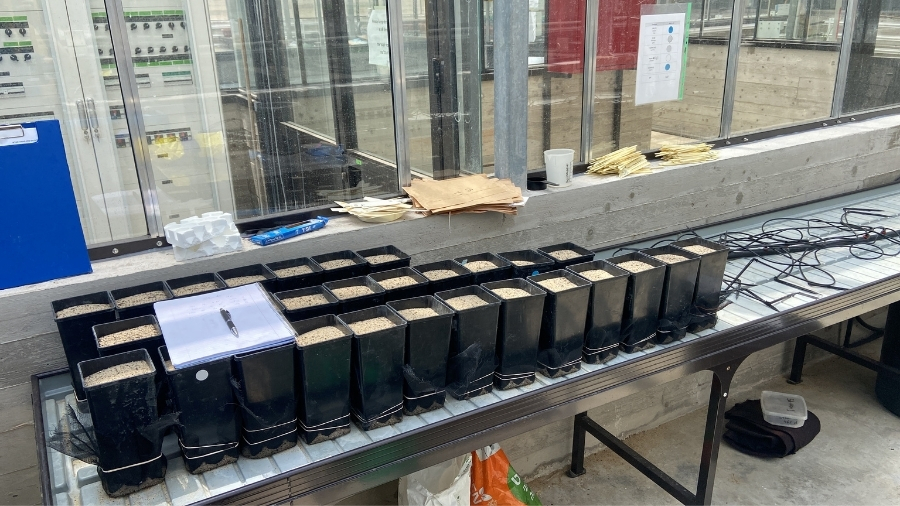
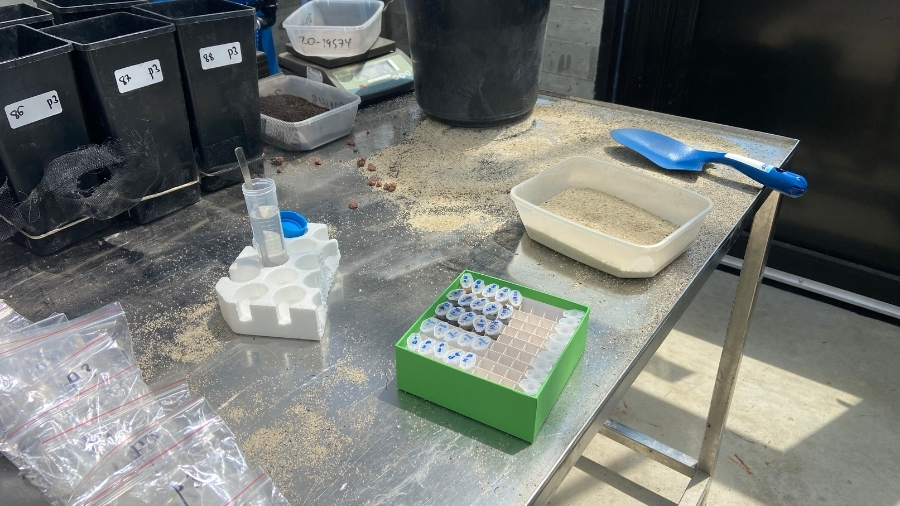
Setting up the WHEATWATCHER glasshouse experiment at Tel Aviv University.

Setting up Glasshouse Experiment

WHEATWATCHER partner Tel Aviv University has started setting up a new glasshouse experiment for the project, building on previous controlled studies designed to better understand how different soil stressors affect wheat growth, soil health and crop development.

The new experiment is being prepared by the Tel Aviv University team, with Dr. Simon Futerman sharing updates from the first stages of the setup. The experiment has now officially started with the seeding of the plant material in pots, marking the beginning of a new phase of controlled observation and data collection.

Preparing the experimental pots

The glasshouse experiment was set up using a similar method to the previous year’s work.

Each pot was filled with an exact amount of sand. Compost was then weighed, added to the sand and mixed carefully before the mixture was poured into the pots.

For the microplastic treatments, plastics were added to the sand and compost mixture according to the experimental design before being placed into the pots.

This controlled preparation process is important because it ensures that the different treatments can be compared more accurately throughout the experiment.

Testing different soil stressors

The new glasshouse experiment includes several treatment types designed to help researchers study how wheat responds to different soil conditions and stressors.

The experimental setup includes:

  • Four TPH treatments
  • Three microplastic treatments
  • One salinity treatment
  • One control treatment

TPH, or Total Petroleum Hydrocarbons, is used to study the effect of petroleum-related contamination. Microplastic treatments help investigate the impact of plastic particles in the soil environment, while the salinity treatment focuses on salt-related stress.

The control treatment provides a baseline for comparison, helping researchers understand how wheat develops under standard conditions compared to the different stress treatments.

Preparing the salinity treatment

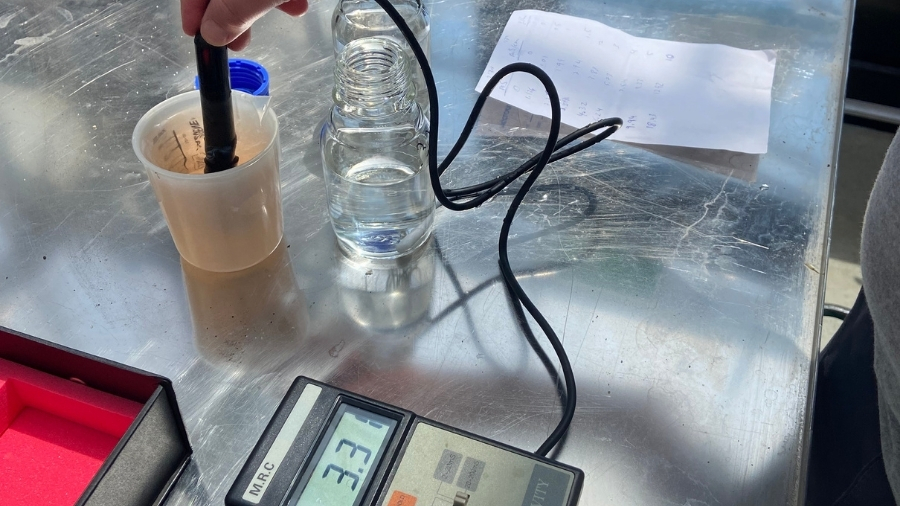
During the setup, the team also prepared barrels for watering the pots included in the salinity treatment.

An electrical conductivity meter was used throughout the process to reach the exact EC levels required for the experiment. This step helps ensure that the salinity treatment is applied in a controlled and consistent way.

Accurate preparation of the salinity treatment is essential for studying how salt stress may affect wheat growth, soil conditions and plant development.

Microbiome sampling during the setup

Microbiome sampling was also carried out during the preparation of the experiment.

This sampling aims to trace the different microbiome sources present in the experimental setup. Samples were collected from several materials and sources, including:

  • Soil
  • Compost
  • Soil mixed with compost
  • Microplastic
  • TPH
  • Irrigation water
  • Salinity treatment irrigation water
  • Seeds

By collecting microbiome samples at the setup stage, the team can better understand the biological background of the experiment and how different materials may influence microbial communities over time.

Why the glasshouse experiment matters

Controlled glasshouse experiments are an important part of WHEATWATCHER’s research approach.

They allow researchers to study specific soil and crop stressors under monitored conditions, helping create reference data that can later support sensor development, model validation and field interpretation.

In real agricultural environments, several factors can affect soil and crop conditions at the same time. A glasshouse setup makes it possible to observe selected stressors more clearly and understand their potential effects on wheat growth and soil health.

Supporting WHEATWATCHER’s wider monitoring approach

The new glasshouse experiment contributes to WHEATWATCHER’s wider goal of connecting soil, plant and environmental data into useful information for agriculture.

By studying TPH, microplastics, salinity and control conditions in a controlled setting, the project can generate valuable data that supports the development of monitoring tools, predictive models and decision-support approaches.

As the experiment progresses, the Tel Aviv University team will continue documenting the process and collecting visual material. These updates will help communicate the scientific work behind WHEATWATCHER and show how controlled experiments contribute to smarter, more sustainable wheat production systems.

Through this work, WHEATWATCHER continues to build the scientific foundation for better soil health assessment, earlier detection of stress factors and more informed agricultural decision-making.
WHEATWATCHER at ESA2026

WHEATWATCHER at the European Society for Agronomy in Tartu, Estonia

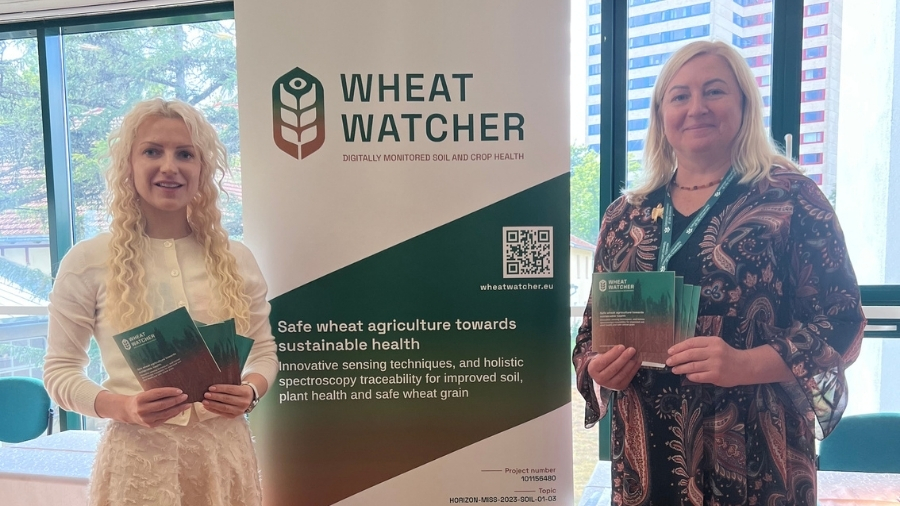
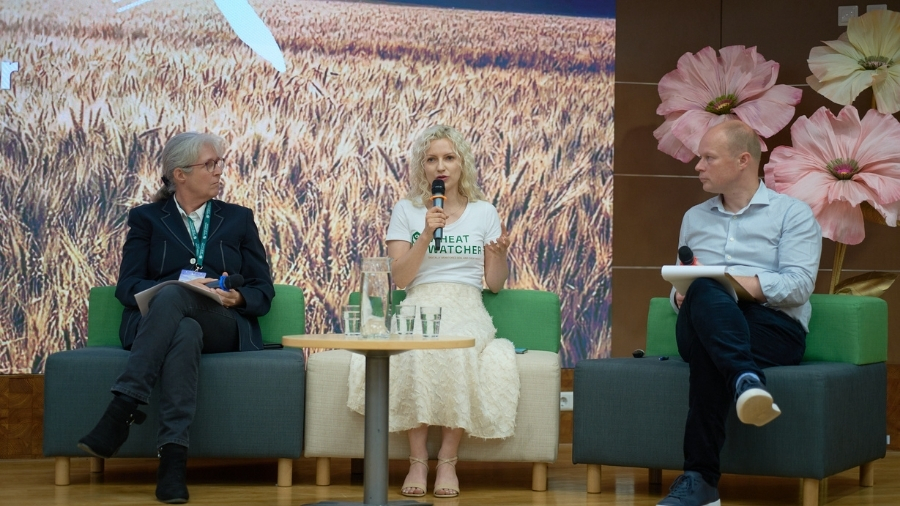
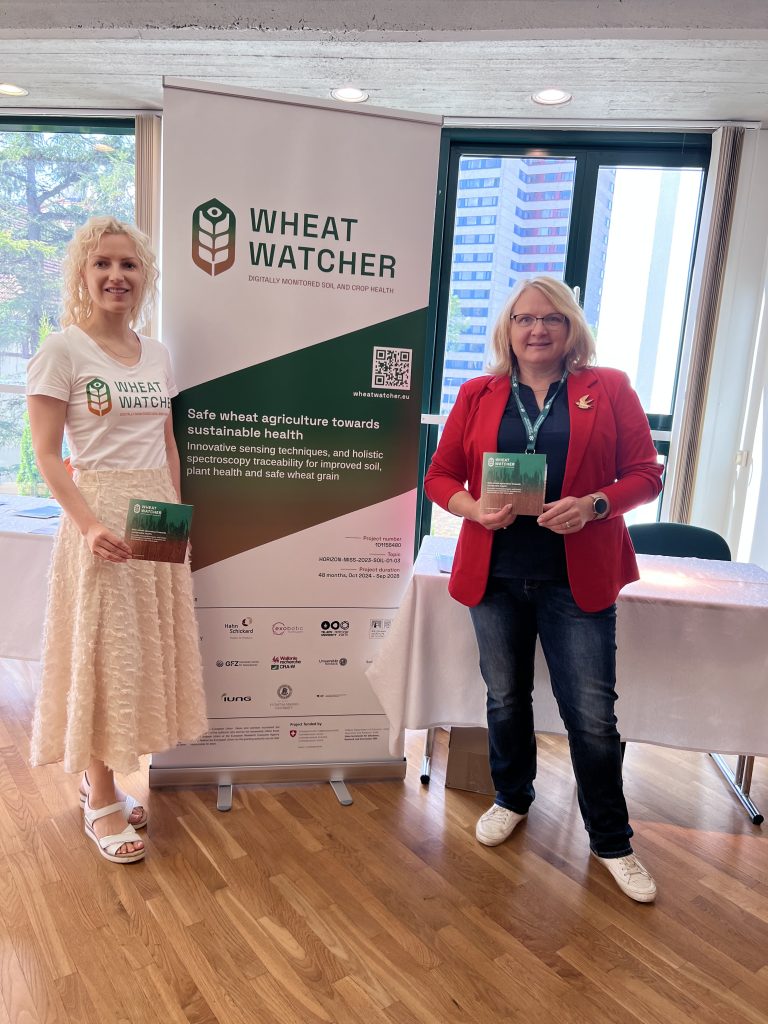
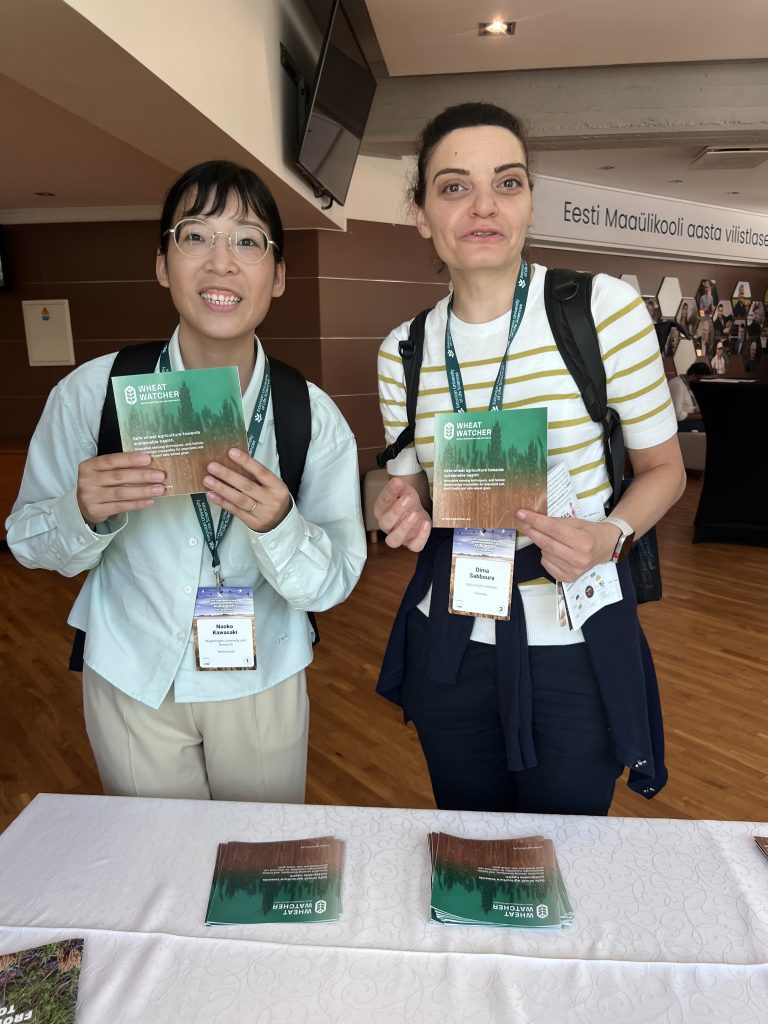
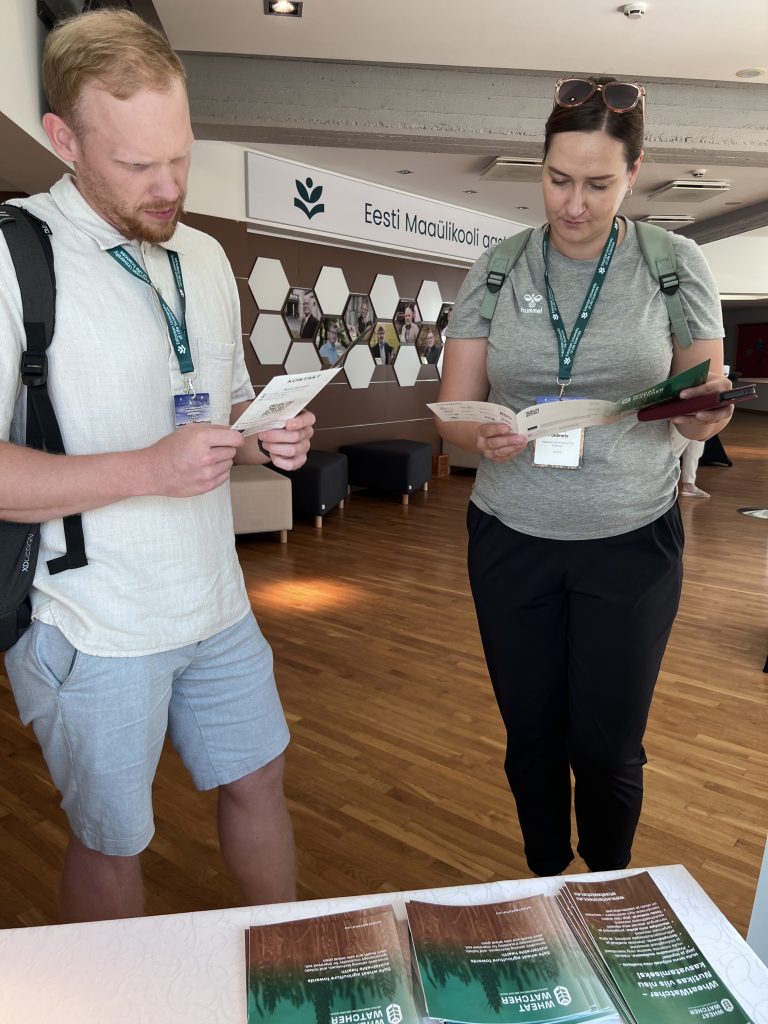
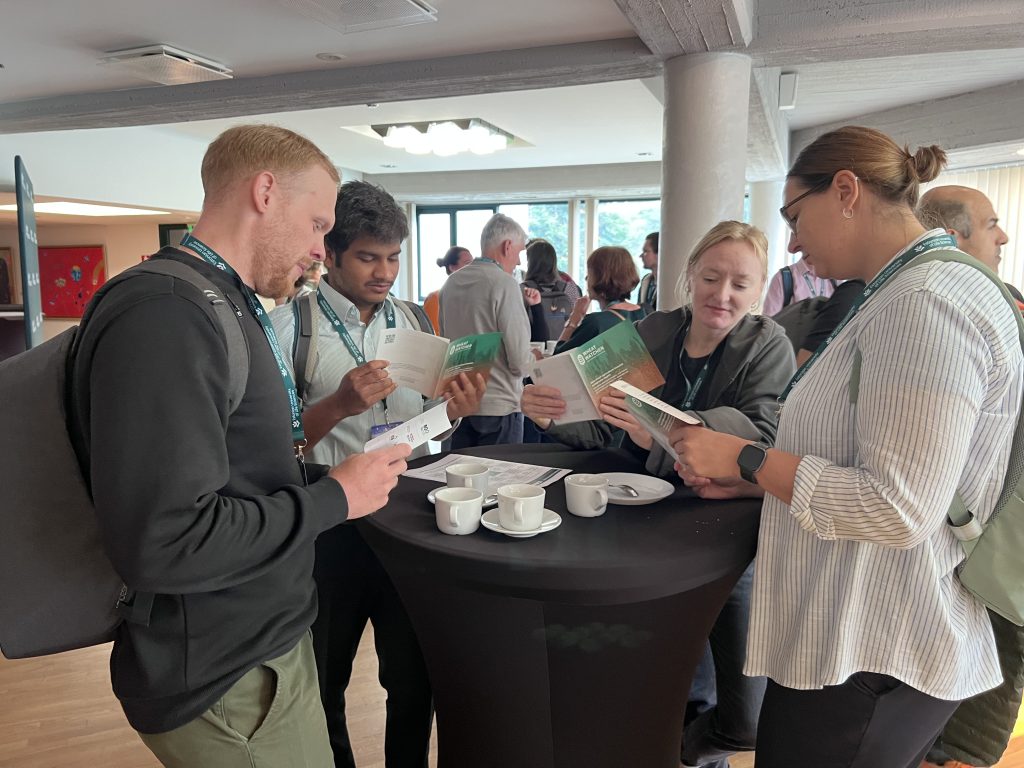
WHEATWATCHER partners participated in the 19th Congress of the European Society for Agronomy, ESA2026, held in Tartu, Estonia, from 24 to 28 August 2026.

The project was represented by Roosi Soosaar from NGO Soil Innovation Cluster and Zita Kriaučiūnienė from Vytautas Magnus University Agriculture Academy, both partners of the WHEATWATCHER consortium.

ESA2026 brought together agronomists, researchers, practitioners and policymakers to discuss the future of European crop production, with a focus on sustainable agriculture, resilient farming systems and the role of innovation in addressing current agronomic challenges.

Connecting WHEATWATCHER with the agronomy community

Participation in ESA2026 offered an important opportunity to connect WHEATWATCHER with the wider European agronomy community.

The congress discussions highlighted several topics closely linked to the project’s work, including Decision Support Systems, reliable field data, soil and crop sensing platforms, pesticide reduction, food traceability and the connection between soil health, plant health and grain quality.

These themes are central to WHEATWATCHER’s mission to develop advanced monitoring tools and data-driven approaches for more sustainable wheat production.

From field data to practical recommendations

A key message emerging from ESA2026 was the growing importance of Decision Support Systems that can connect soil, crop and economic data.

Within WHEATWATCHER, data from stationary sensing, mobile soil scanning, mobile crop scanning and remote sensing platforms are brought together to support soil and crop health monitoring, food traceability and more informed farm-level decisions.

By transforming raw sensing data into actionable insights, the project aims to support farmers, researchers and policymakers with practical tools for soil and crop management.

Reliable sensing platforms for real field conditions

Another important topic discussed at the congress was the reliability of field data.

For data-driven agriculture to work in practice, sensing platforms must be built, calibrated and validated under real soil and crop conditions. WHEATWATCHER addresses this challenge by developing and testing complementary monitoring technologies, including autonomous stationary platforms, mobile soil systems and robotic crop sensing tools.

This work helps ensure that the data used in predictive models and decision-support applications can be trusted and applied in real agricultural environments.

WHEATWATCHER at ESA2026

Soil health, food safety and traceability

WHEATWATCHER also contributes to the discussion on how soil conditions can influence plant health and food safety.

The project investigates the links between soil chemistry, soil biology, crop performance and grain quality. As part of this work, WHEATWATCHER has identified 33 food quality and safety indicators for wheat across seven categories and gathered stakeholder feedback from 318 respondents in nine countries.

This work supports a soil-to-grain perspective, helping explore how improved traceability can contribute to cleaner wheat production and more transparent agricultural value chains.

Supporting sustainable wheat production in Europe

The participation of Roosi Soosaar and Zita Kriaučiūnienė at ESA2026 strengthened WHEATWATCHER’s visibility within an important European forum for agronomy and crop science.

By engaging with the latest scientific discussions on crop production, soil health and agricultural innovation, WHEATWATCHER continues to connect its research activities with the needs of farmers, researchers, policymakers and value-chain actors.

The project’s presence at ESA2026 reflects its wider commitment to advancing soil and crop monitoring, supporting data-driven decision-making and contributing to more sustainable and resilient wheat production systems across Europe.

Building on previous technical milestones

Skip to content