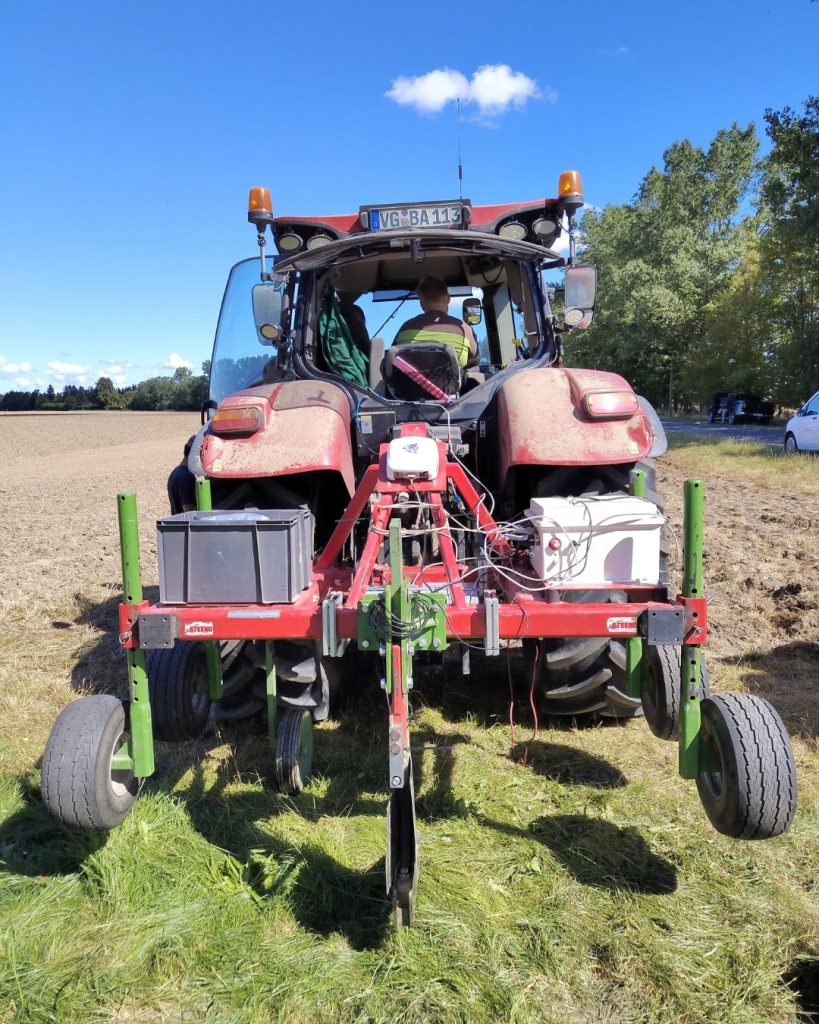
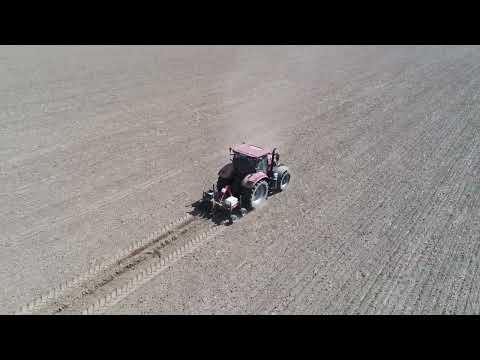
Stationary Sensors Installed at the Belgian Pilot Site
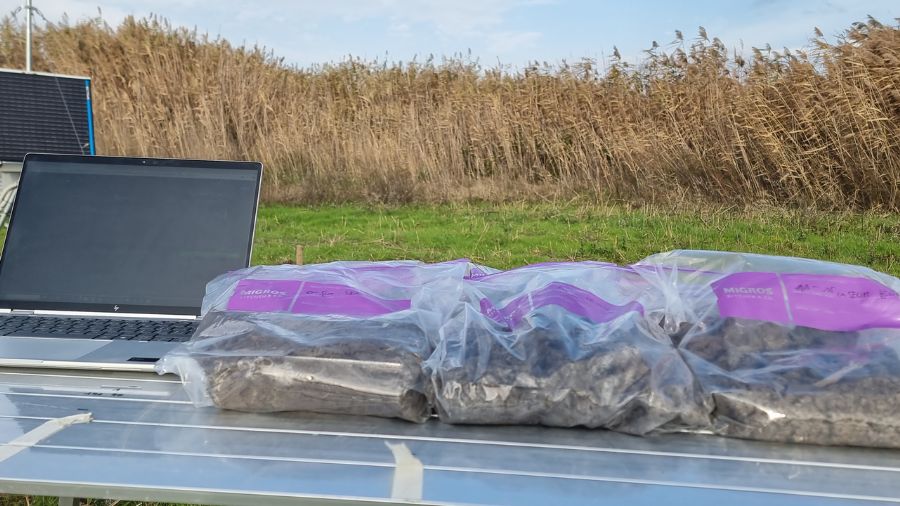
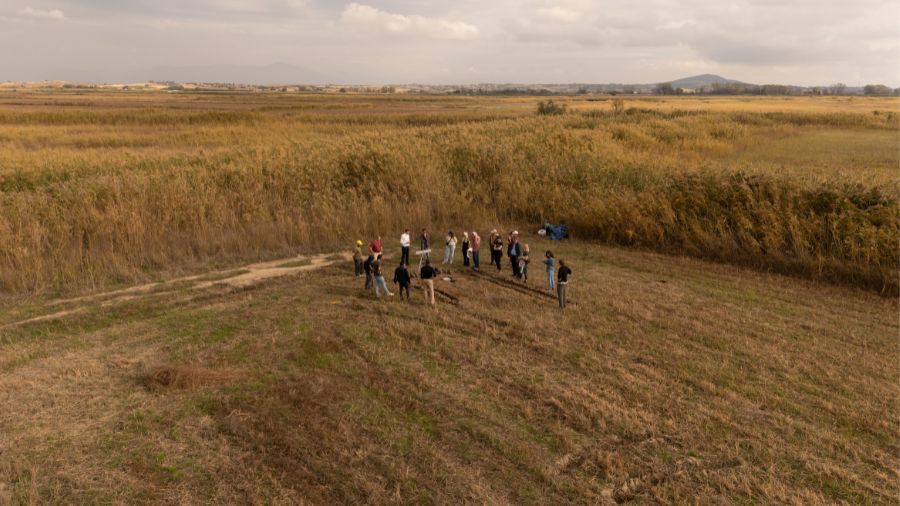
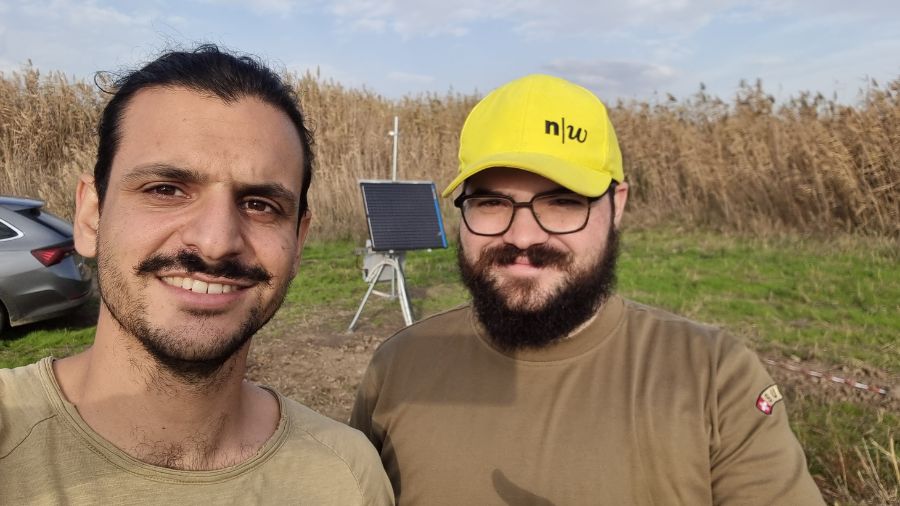
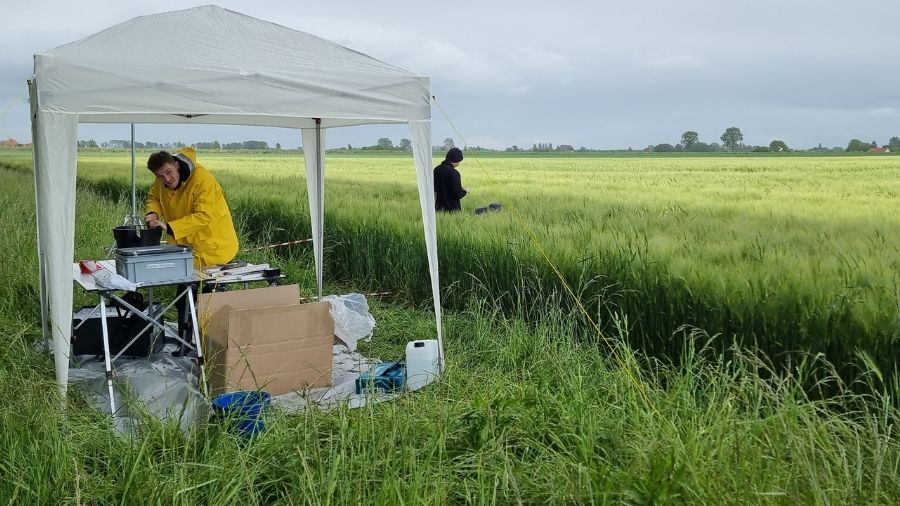
WHEATWATCHER partners University of Applied Sciences and Arts Northwestern Switzerland and Ghent University have completed the installation of stationary sensor stations at the project’s Belgian pilot site near Veurne, Belgium.
The installation marks an important step in the project’s work to collect continuous, field-based data on soil conditions and support the development of data-driven monitoring tools for soil and crop health.
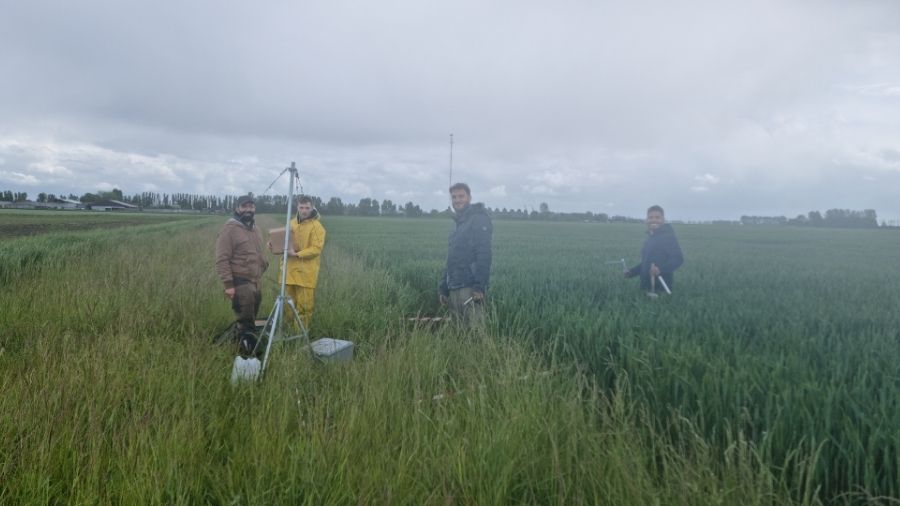
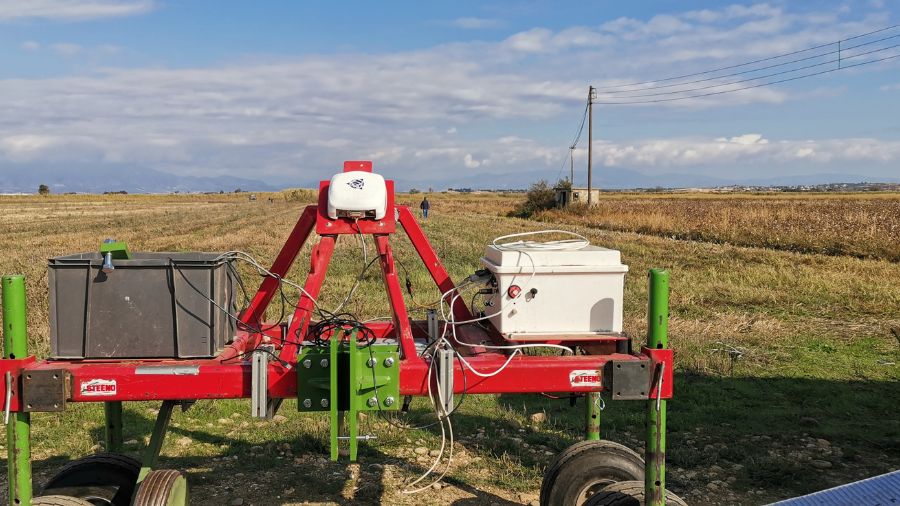
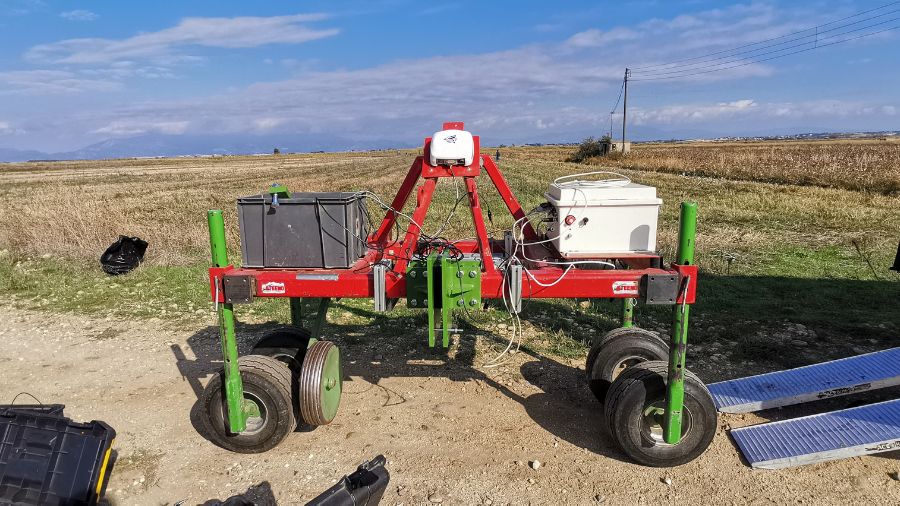
Three autonomous monitoring stations deployed
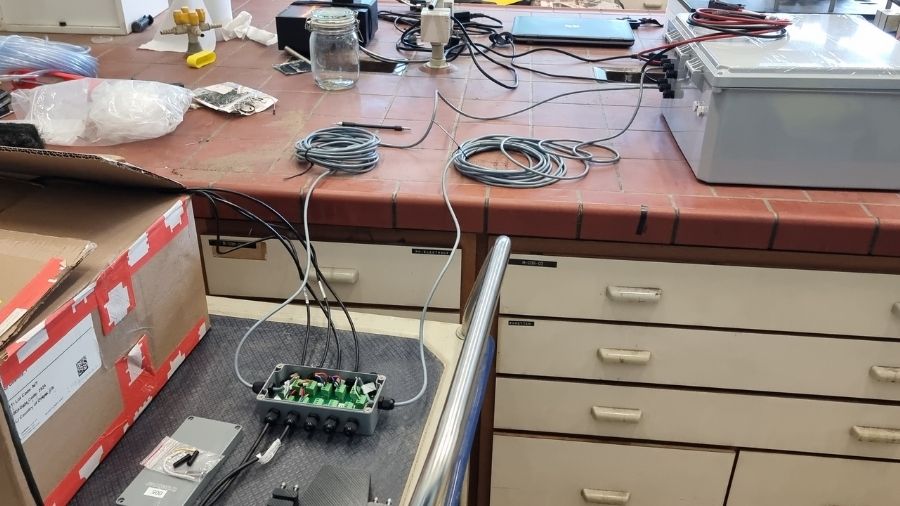
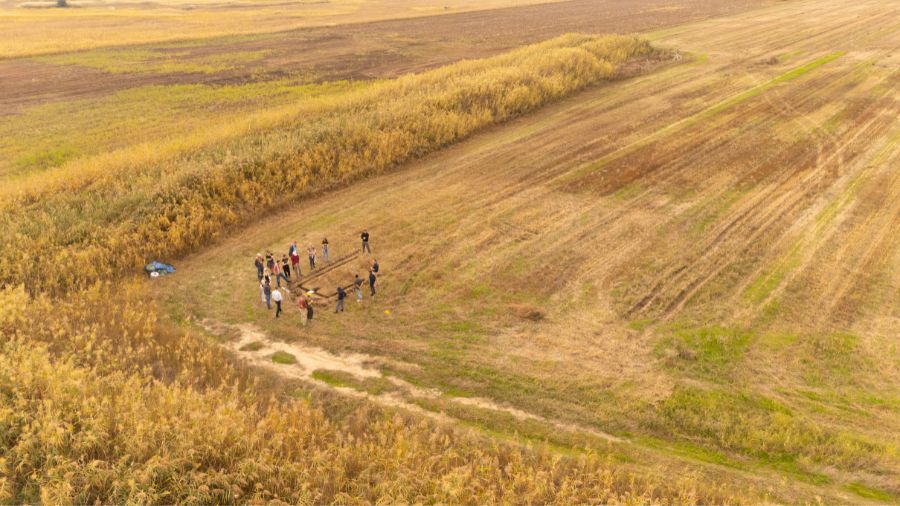
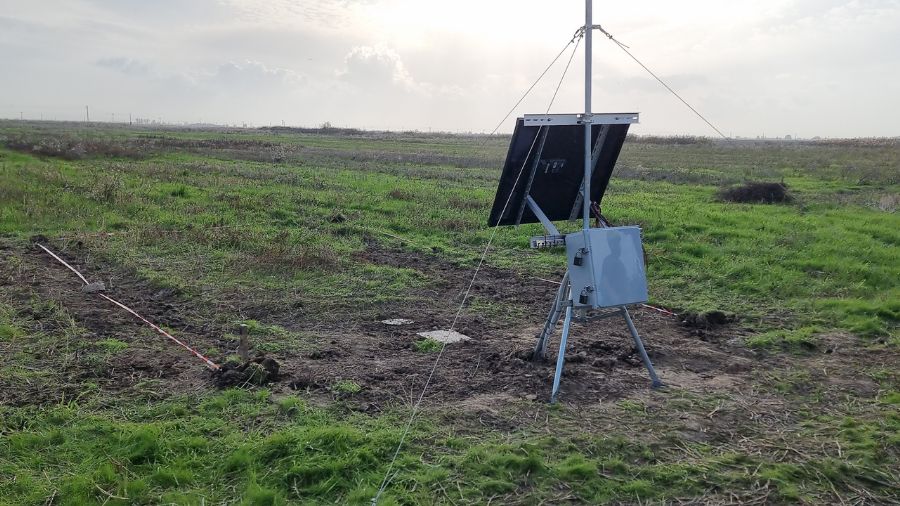
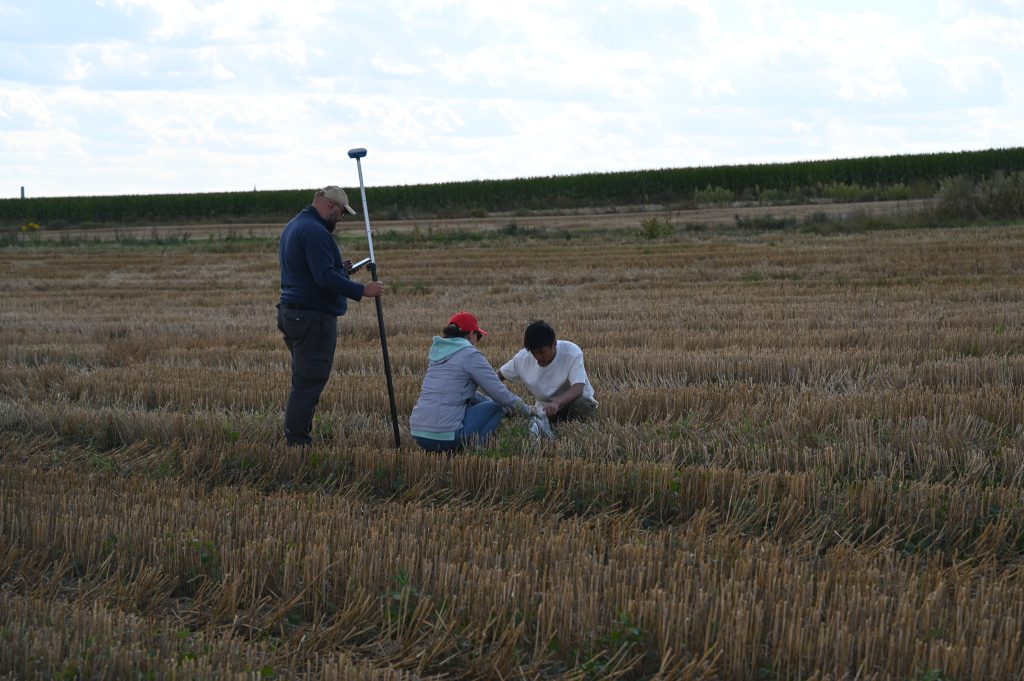
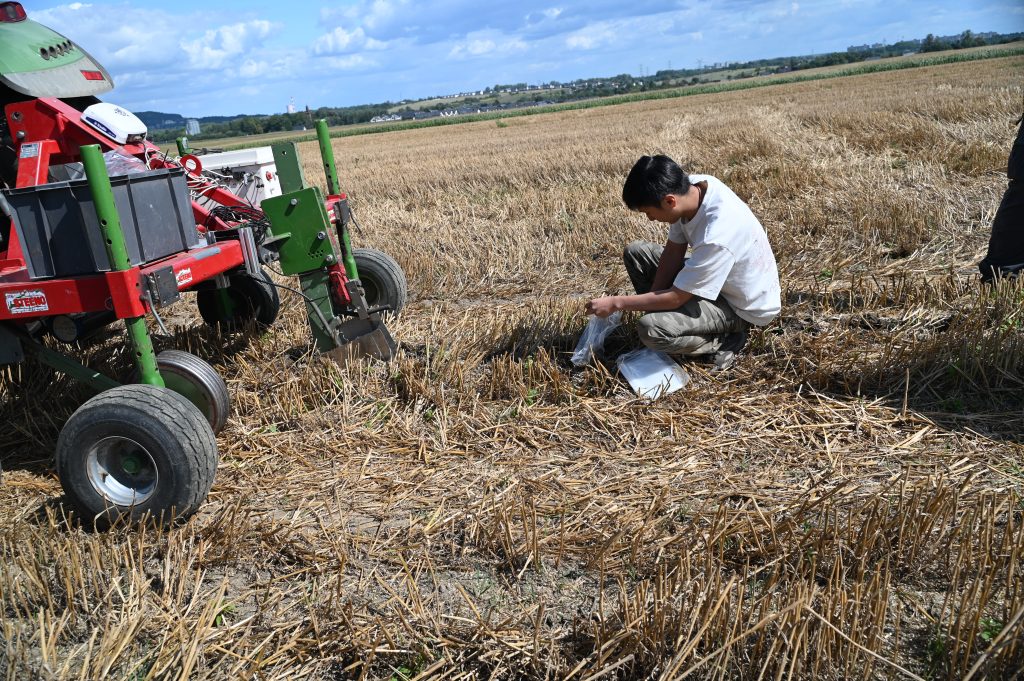
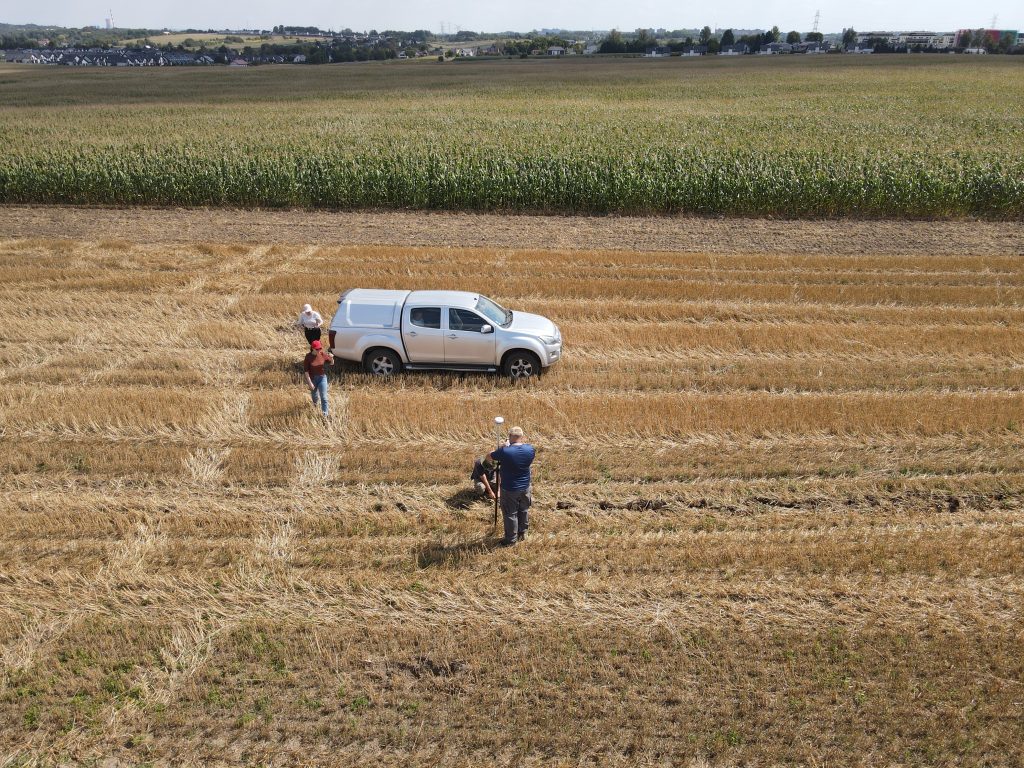
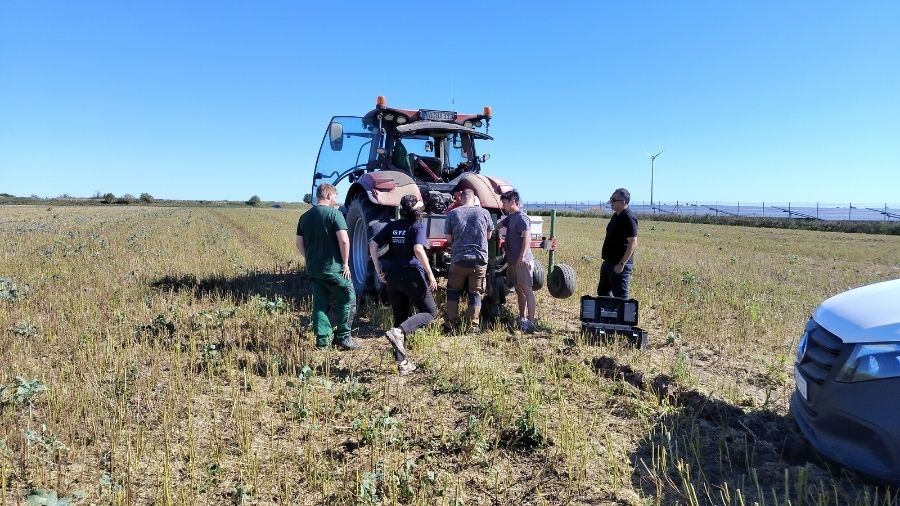
During May and June 2026, three autonomous, solar-powered datalogger stations were installed across two agricultural fields in the Veurne area.
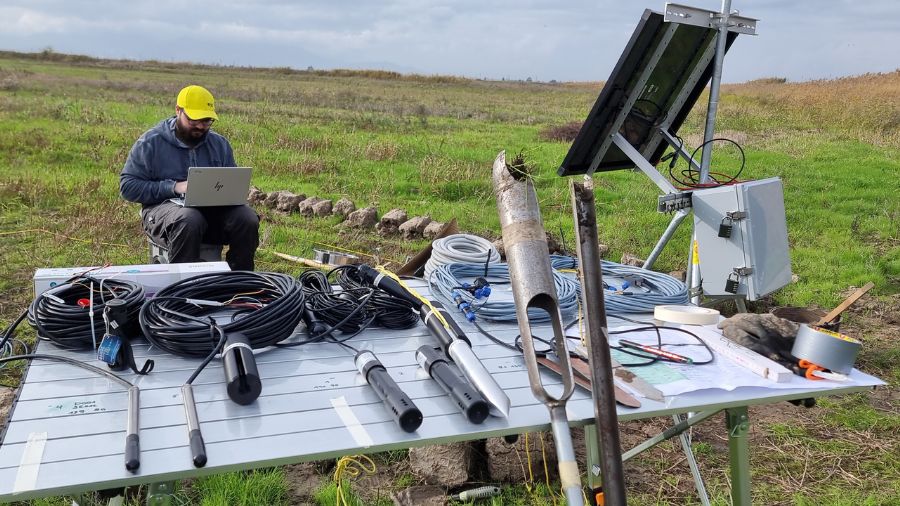
Each station is equipped with six soil sensors:
- 2 TEROS 22 sensors for soil moisture and temperature
- 2 HydraProbe sensors for soil moisture, temperature and electrical conductivity
- 2 NiuBol pH sensors for soil pH and temperature
The stations are powered by solar panels and LiFePO4 batteries, allowing them to operate autonomously in the field. Data are transmitted continuously through the GSM network.
The three monitoring stations were installed across two WHEATWATCHER pilot fields:
- Fabrieke Veurne 1 (004), located in WW-BE-Fabrieke
- Fabrieke Veurne 2 (005), located in WW-BE-Fabrieke
- LDR Veurne 3 (006), located in WW-BE-Langs-de-Route
This setup allows the project to collect soil data from different locations within the Belgian pilot area and monitor variations in field conditions over time.
The stationary monitoring stations provide measurements every five minutes at a depth of 13.5 cm.
The collected parameters include:
- Soil moisture
- Soil temperature
- Soil pH
- Electrical conductivity
These measurements are essential for understanding how soil conditions change over time and how they may influence crop development, soil health and field management decisions.
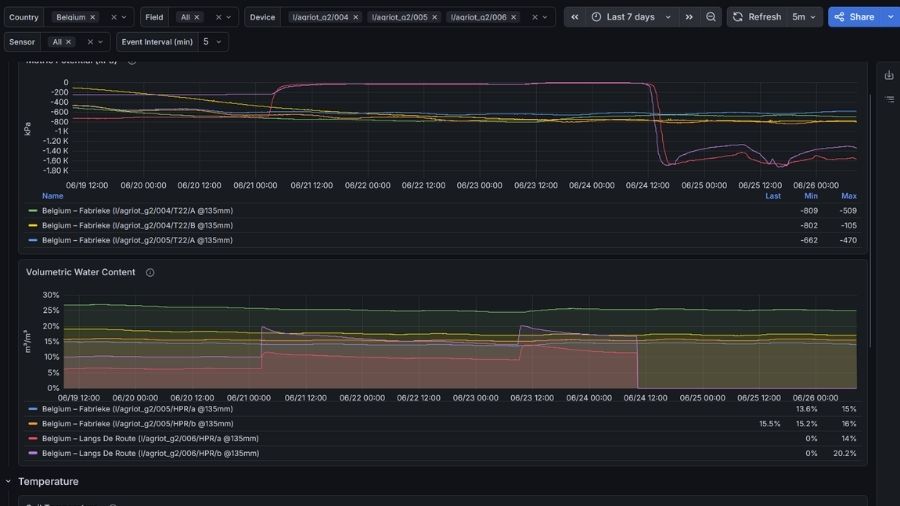
From installation to reliable data transmission
Following the initial deployment, data transmission was temporarily affected by limited GSM connectivity at the site.
The issue was resolved in June by improving the antenna configuration. All three stations are now operating reliably and transmitting data continuously.
This ensures that the Belgian pilot site can provide a steady flow of soil data for further analysis and modelling activities within the project.
The data collected from the stationary sensor stations will be used by the project’s modelling teams.
By providing continuous information from the field, the stations contribute to WHEATWATCHER’s wider goal of integrating data from stationary, proximal and remote sensing platforms into a common data pipeline.
This supports the development of tools that can help transform soil and crop measurements into practical insights for more sustainable wheat production.
Building the foundation for data-driven agriculture
The installation of stationary sensors at the Belgian pilot site strengthens WHEATWATCHER’s capacity to monitor soil conditions in real time and connect field measurements with advanced analytics.
Through this work, the project moves one step closer to building an integrated digital monitoring system for healthier soils, improved crop management and smarter agricultural decision-making.