Tag: SOIL

stationary platform greece

Stationary sensors go live in greek pilot site

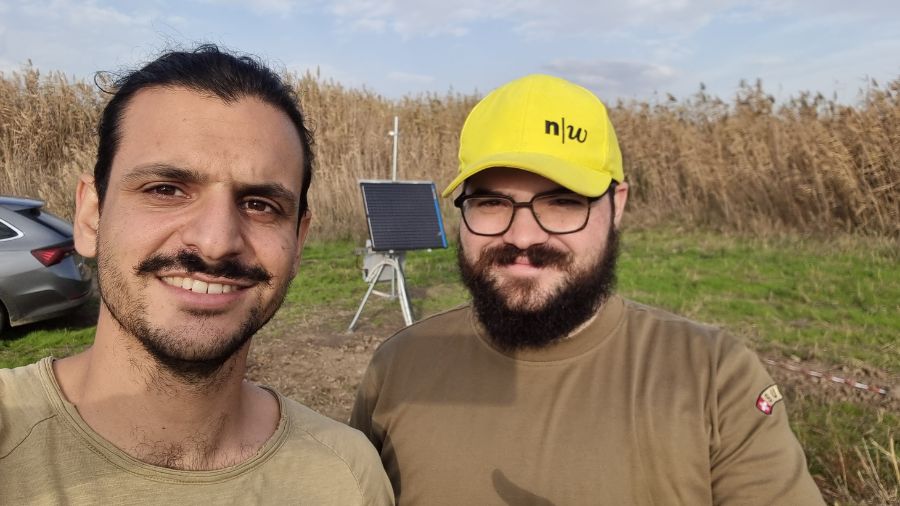
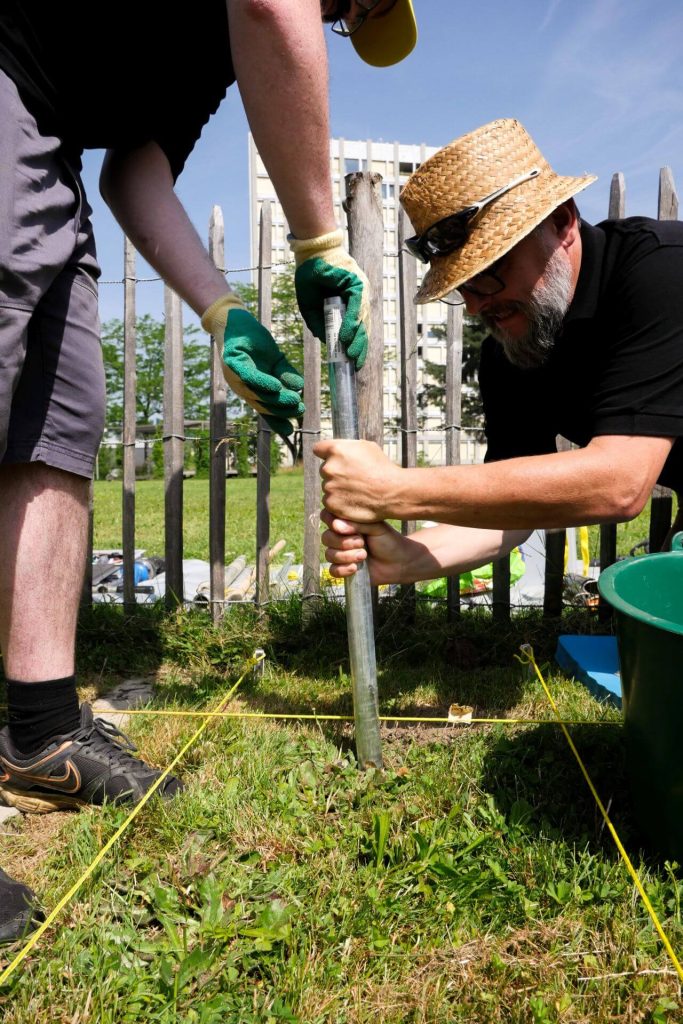
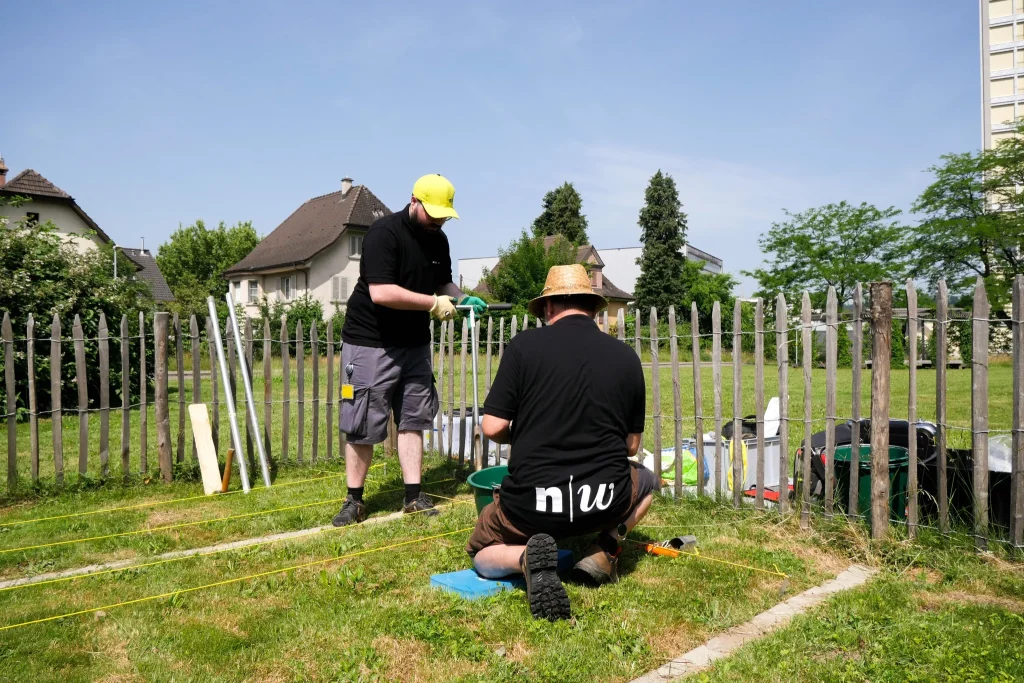
As part of WHEATWATCHER’s mission to build smarter, data-driven soil monitoring systems, our Greek pilot site in the Nestos region, has just entered a new phase. Earlier this month, our colleagues from the University of Applied Sciences and Arts Northwestern Switzerland (FHNW) successfully installed a set of stationary sensors, bringing real-time environmental monitoring to the heart of the field.
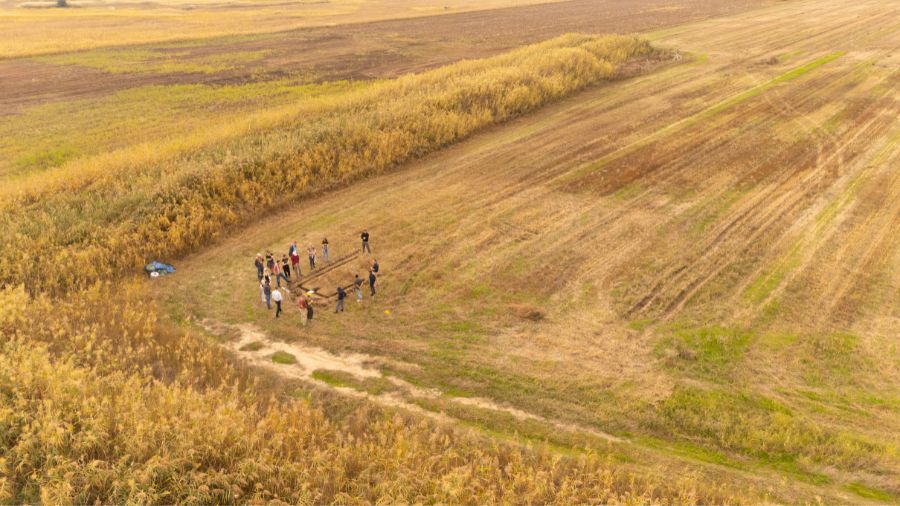
Unlike mobile platforms that scan the landscape or drones that capture snapshots from above, stationary sensors work quietly and continuously, gathering high-resolution data on key soil and atmospheric conditions. These include:

  • Soil moisture – helping us understand water availability and irrigation needs
  • Electrical conductivity – providing insight into salinity levels and nutrient mobility
  • Soil temperature – a critical factor influencing root growth and microbial activity
  • Air temperature and humidity – offering broader context for plant stress responses
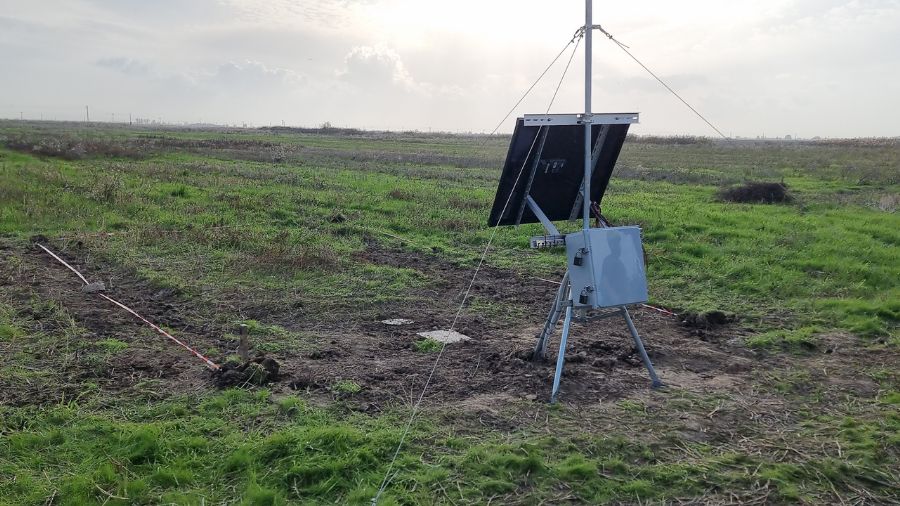
These measurements feed directly into WHEATWATCHER’s cloud-based Decision Support System (DSS), where they will be integrated with satellite imagery, mobile sensing data, and AI-powered models. The goal is to transform raw sensor inputs into actionable insights, giving farmers a powerful new tool to monitor field conditions and make precise, sustainable choices.
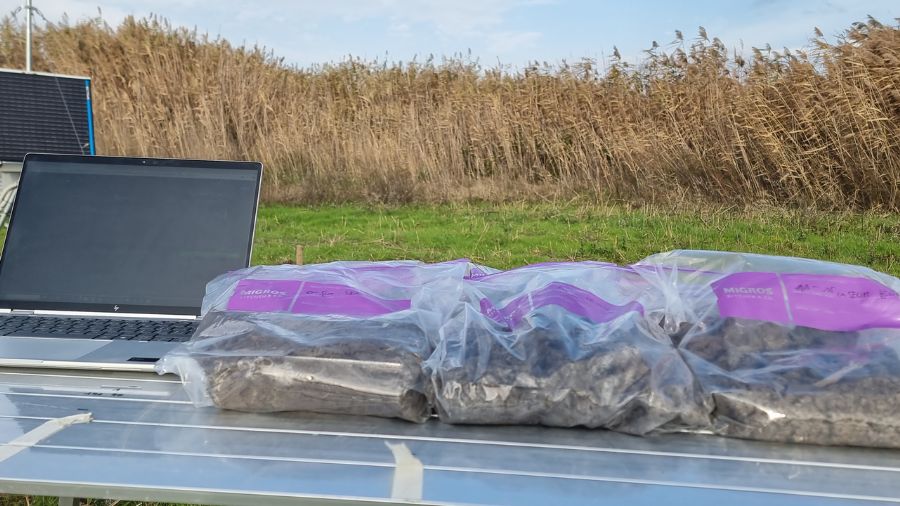
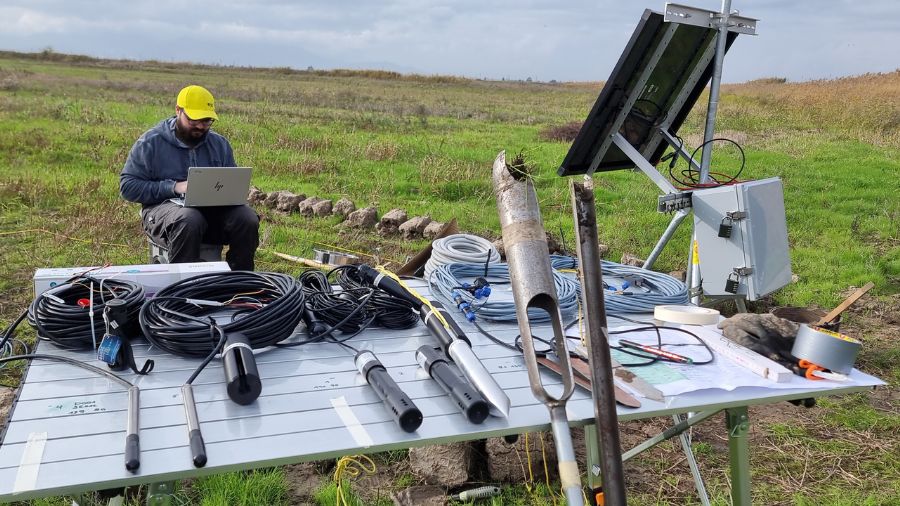
What makes this effort unique is not just the technology, but the cross-border collaboration that makes it possible. The installation was coordinated by the FHNW team (Fabricio Parrillo, Luca Colombi, Gerd Simons) in close partnership with enateam (Zafeiro Vaxevanidou, Giannis Kimountris, Aris Ketipis), the local pilot site lead in Greece. Together, they are ensuring that WHEATWATCHER’s innovations are adapted to real-world farming contexts, from central Switzerland to rural Thrace.

Stay tuned as the growing season unfolds and the sensors begin to tell us their story. What’s beneath the surface may be invisible but with WHEATWATCHER, it’s no longer unknown.
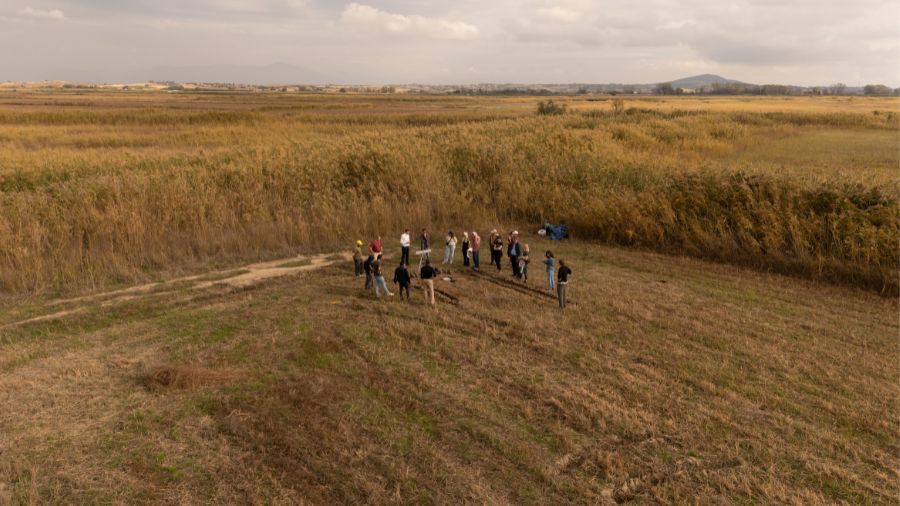
greek pilot site sampling

From Nestos pilot site to data insights: WHEATWATCHER hits the ground in Greece

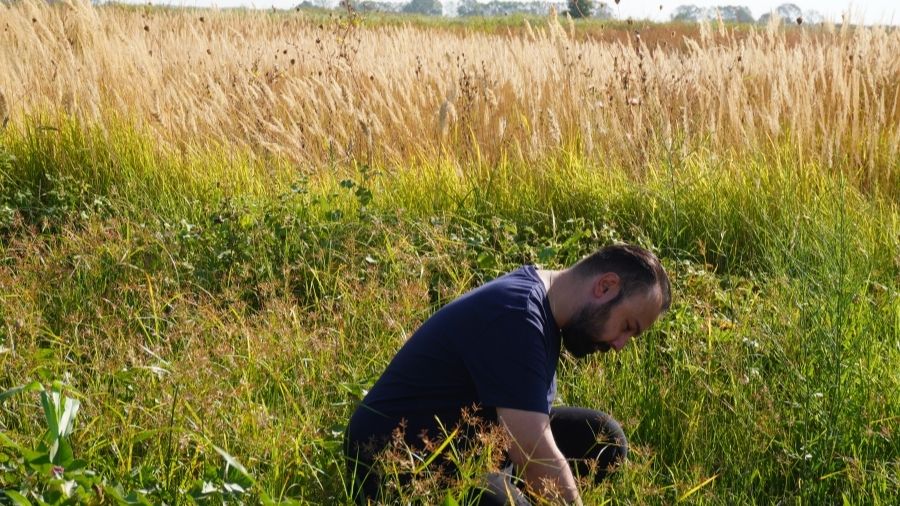
Last month, the WHEATWATCHER project carried out a major field campaign at its Greek pilot site, located in the heart of Eastern Macedonia and Thrace, near Nestos river. This campaign marks a crucial step in our mission to build next-generation tools for smart soil monitoring and sustainable wheat production across Europe.

Led by ena Development Consultants, the pilot site hosted an intensive sampling and mobile sensing campaign coordinated in collaboration with Ghent University and our scientific coordinator Antonis Morellos.

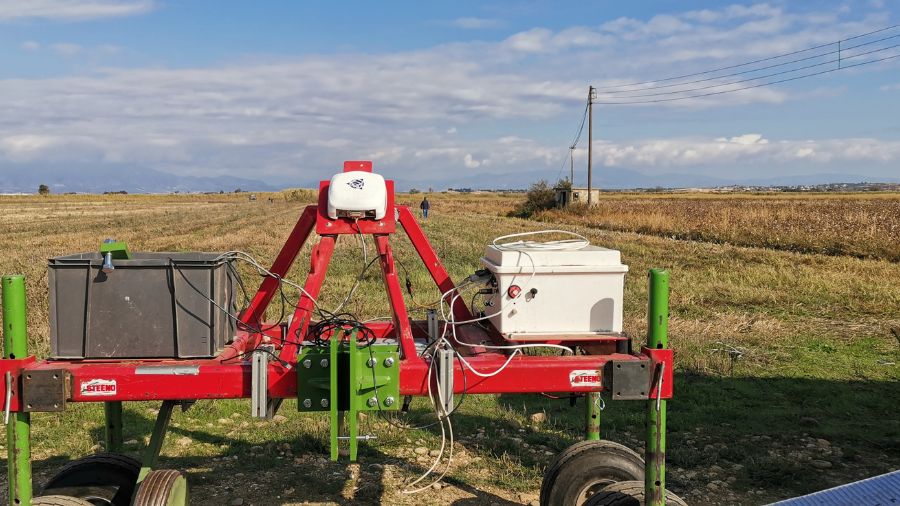
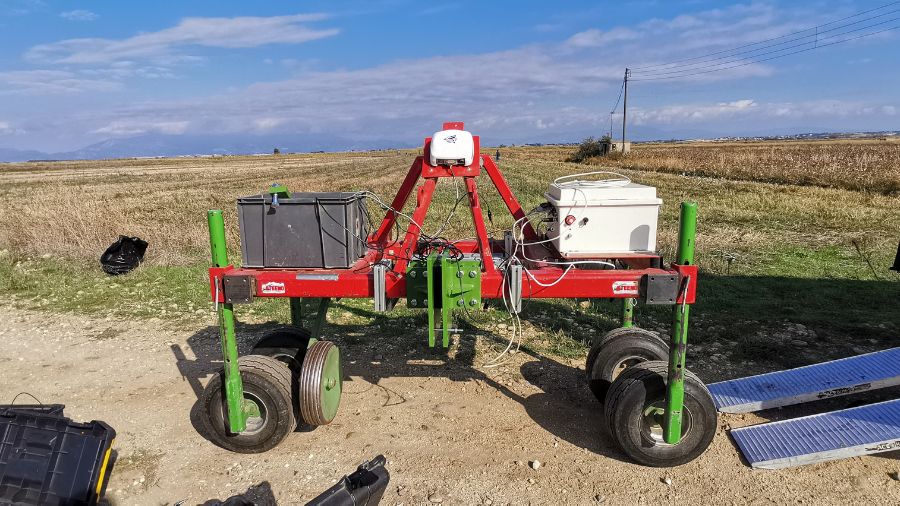
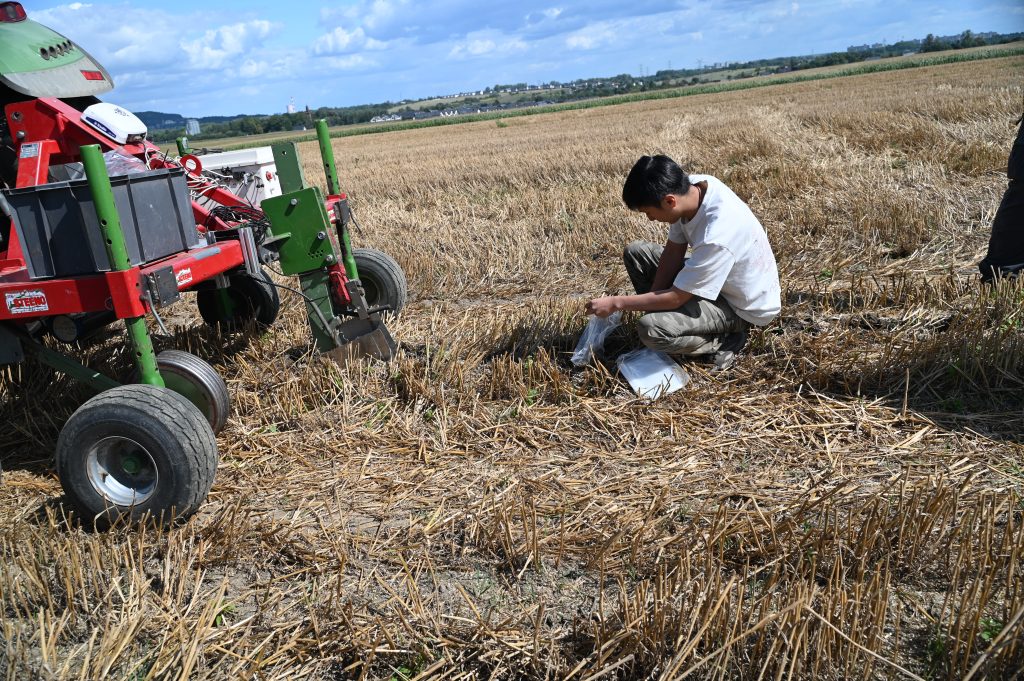
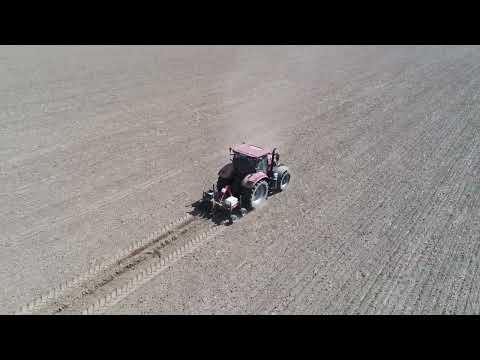
The highlight of the campaign was the deployment of the mobile sensing platform developed by Ghent University — a vehicle-mounted system equipped with visible and near-infrared (vis–NIR) spectroscopy and gamma-ray sensors. As the platform moved through the fields, it continuously mapped key soil properties such as nutrient availability, moisture levels, and potential contamination indicators.

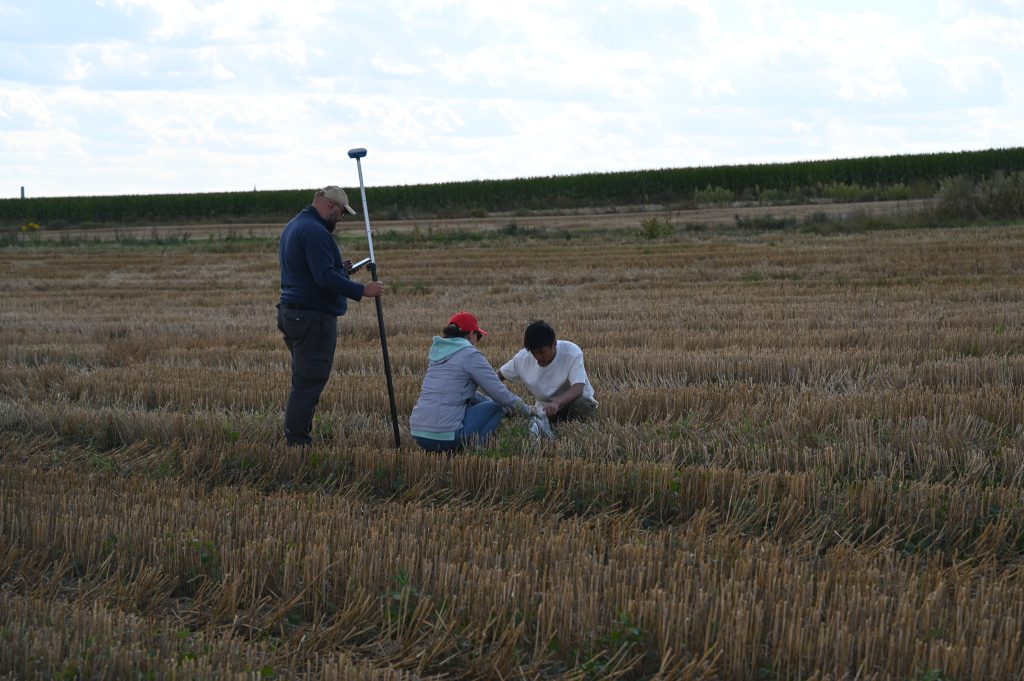
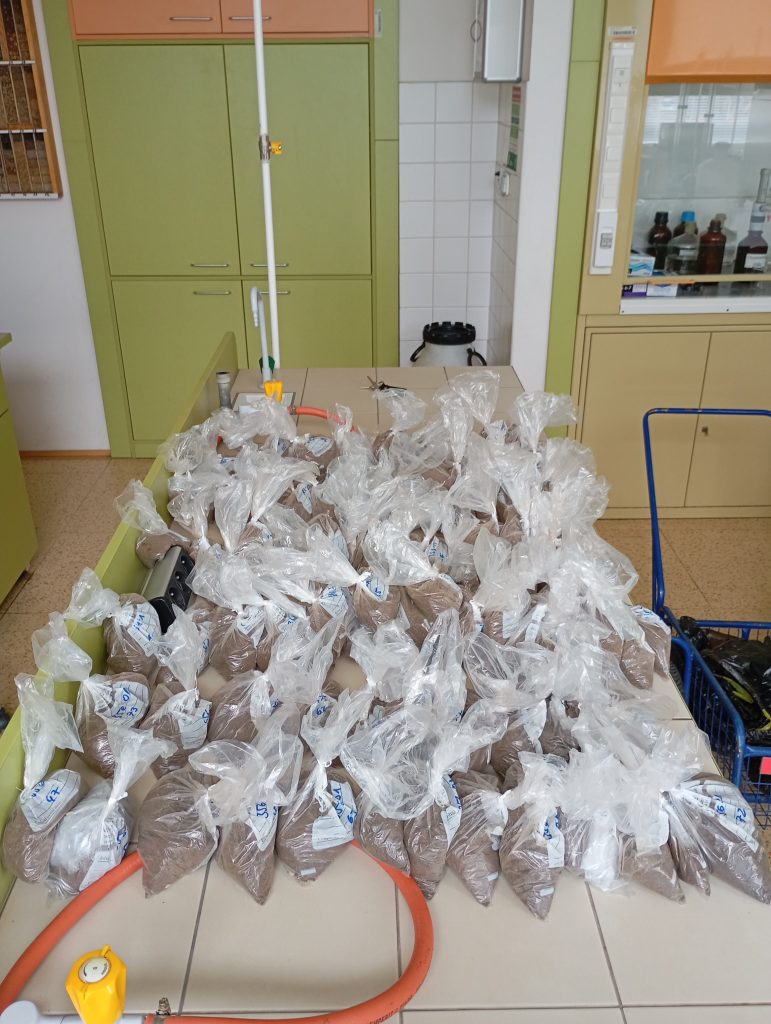
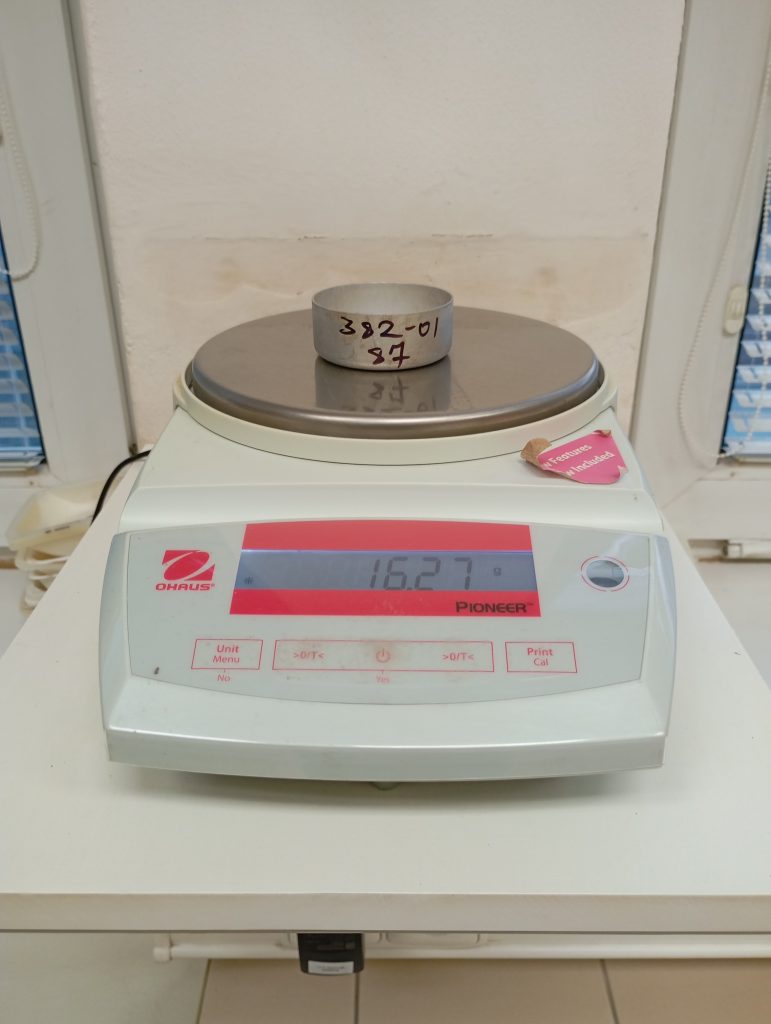
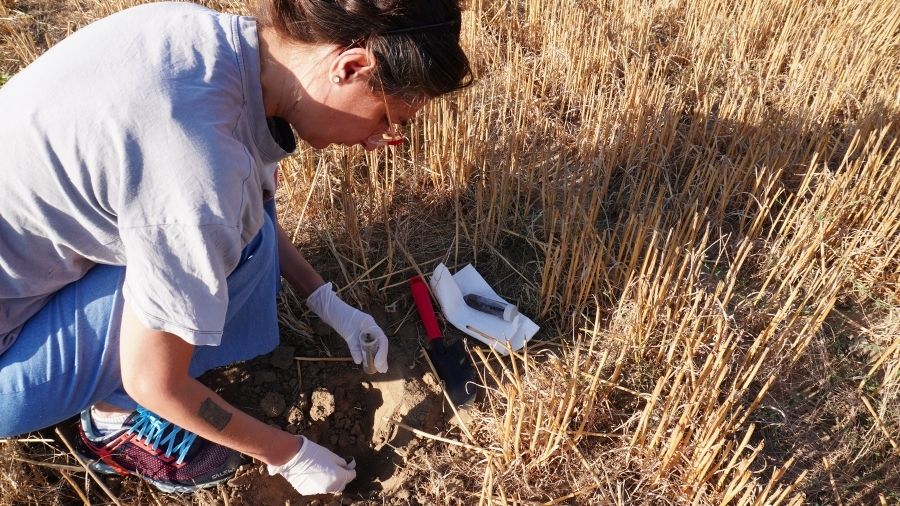
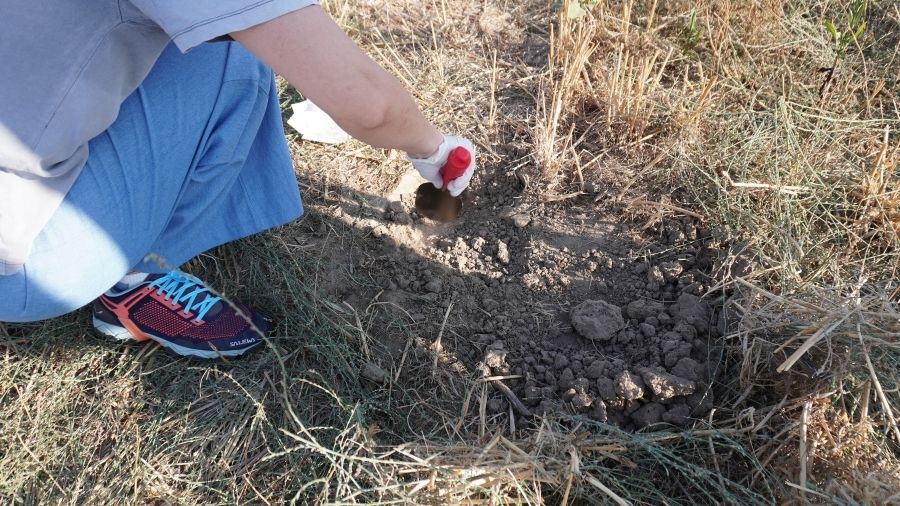
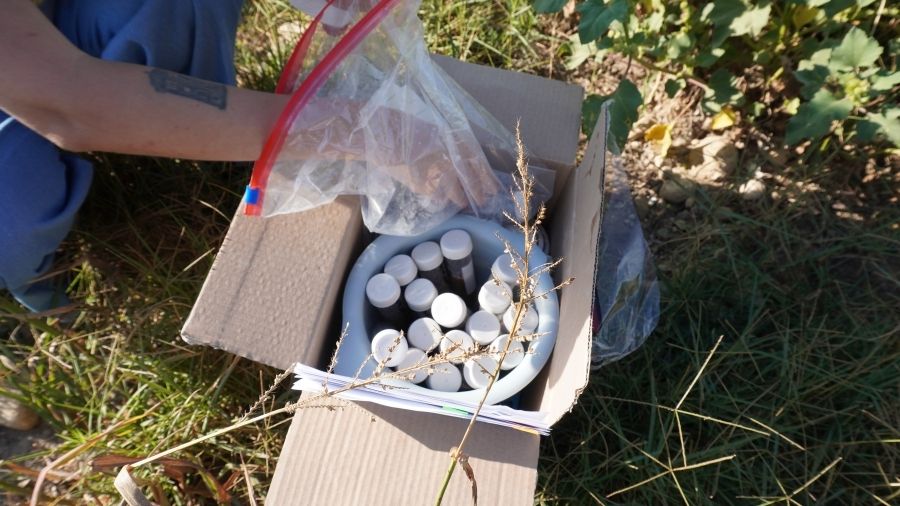
To complement this real-time scanning, the team also collected soil samples manually from across the field. These samples will be sent to Czech University of Life Sciences (CZU), where they will support the development of a spectral soil library, a foundational element of WHEATWATCHER’s precision soil assessment toolkit.

This hands-on campaign showcases how traditional agricultural expertise, when paired with cutting-edge sensing and data science, can deliver real-time, actionable insights to support farmers, researchers, and policymakers. The data collected in Nestos will feed into advanced models for nutrient management, soil contamination detection, and crop productivity forecasting.

This isn’t just about data, it’s about building resilience, promoting food safety, and enabling smarter land stewardship from the ground up.

Mapping soil health in Poland: Mobile Sensing in Action at the IUNG Pilot site

Mapping soil health in Poland: Mobile Sensing in Action at the IUNG Pilot site

As part of WHEATWATCHER’s mission to revolutionize soil health monitoring across Europe, our Polish pilot site in Silesia, coordinated by the Institute of Soil Science and Plant Cultivation – State Research Institute (IUNG), recently hosted a full-scale mobile sensing campaign.

This pilot focuses on monitoring soil contaminants, particularly heavy metals, as well as salinity and nutrient imbalances, which pose serious risks to both environmental quality and food safety. To address these challenges, the team is deploying advanced sensing technologies to generate high-resolution spatial data that can inform smarter, more targeted agricultural practices.

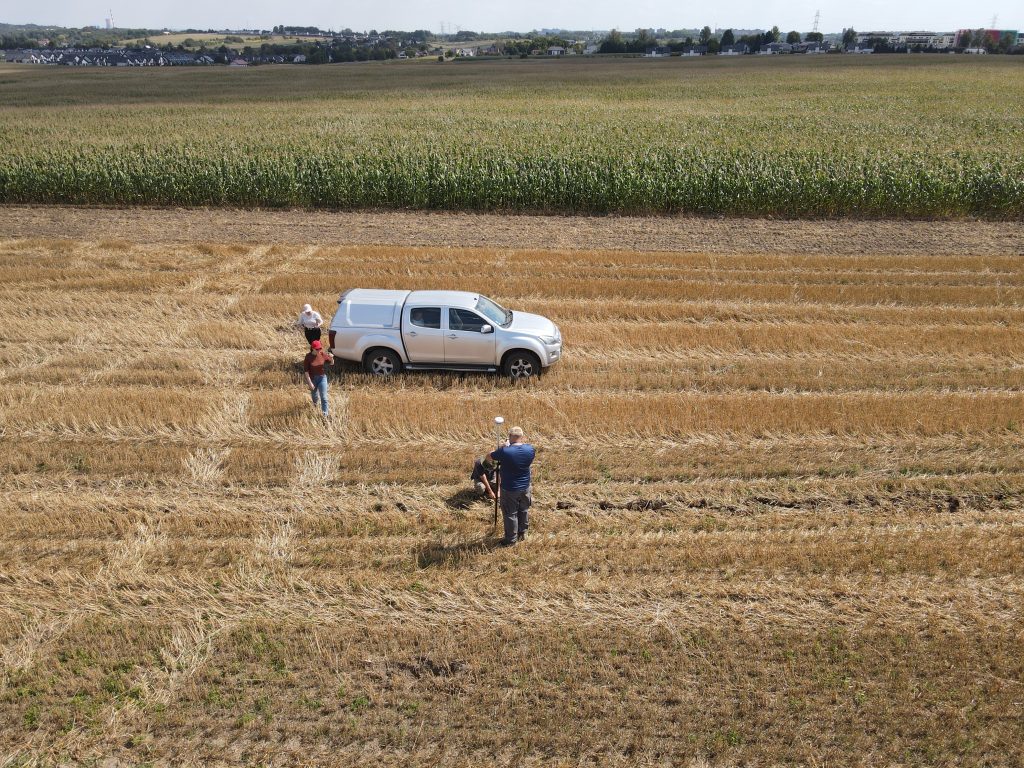
Earlier this summer, researchers from Ghent University, in collaboration with IUNG, brought the mobile sensing platform to the field. The platform—equipped with visible-near infrared (vis-NIR) spectroscopy and gamma-ray sensors—was driven across several fields, continuously collecting data on soil properties such as organic matter, moisture, and contamination levels.

The data collected will play a crucial role in supporting two key objectives:

  • Mapping soil variability, especially in relation to heavy metal presence and salinity,
  • Feeding into predictive models and decision-support tools, which can recommend tailored soil management actions for farmers.

Alongside the mobile sensing, bulk density measurements and soil samples were taken to assist in calibrating and validating the sensor data. These samples will also contribute to the creation of a soil spectral library under Task 3.2, led by CZU, which aims to build reference datasets for contaminated soil analysis.

This campaign once again demonstrates the power of cross-border collaboration and interdisciplinary research. By bringing together cutting-edge tools and local expertise, WHEATWATCHER is helping create practical, scalable solutions that protect soil health and food quality—starting right from the ground up in Silesia.

Learn more about our pilot sites: wheatwatcher.eu/pilot-sites

CZU Begins Laboratory Analysis for WHEATWATCHER

CZU Begins Laboratory Analysis for WHEATWATCHER

As part of WHEATWATCHER’s commitment to improving soil health and crop safety across Europe, our project has now entered a key scientific phase: laboratory analysis of soil samples from our German pilot site in Demmin.

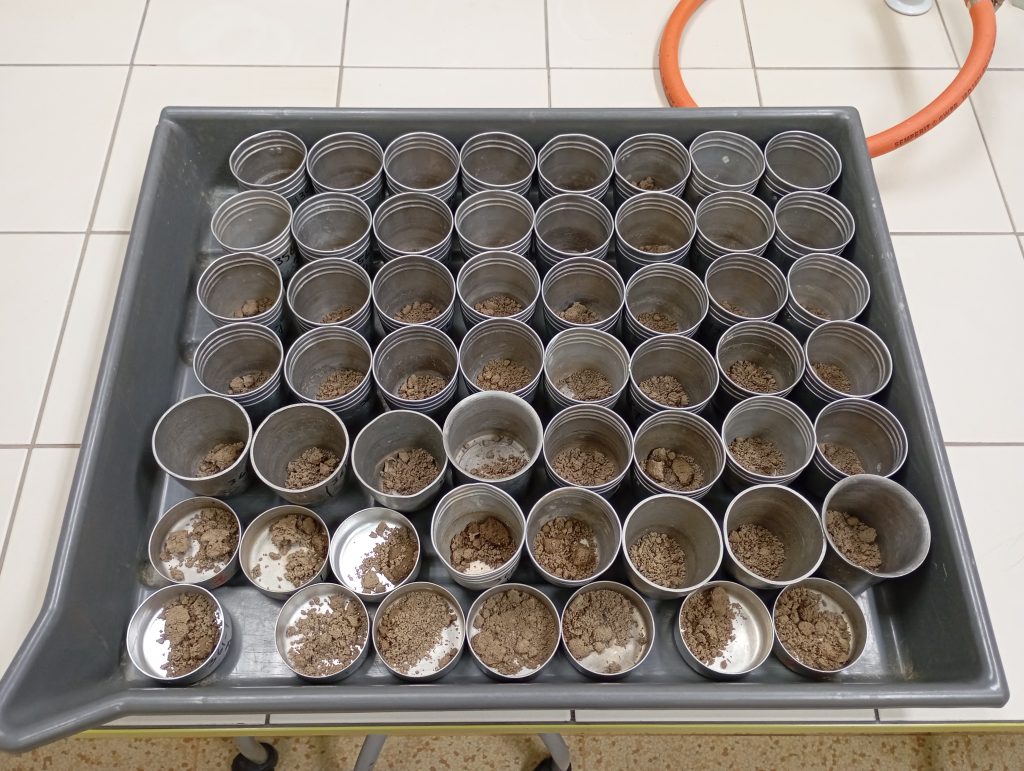
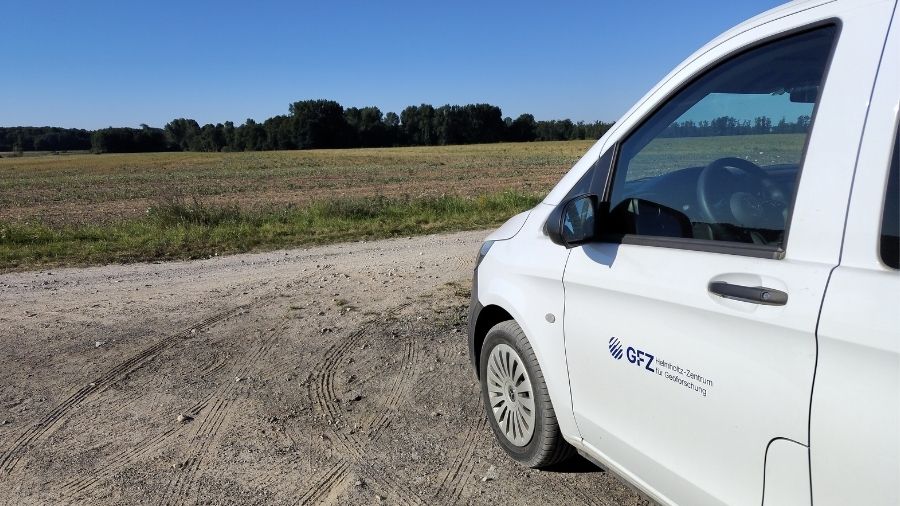
Earlier this year, the team at GFZ Helmholtz Centre for Geosciences conducted an extensive soil sampling campaign in fields around Demmin. These samples, now in the hands of our colleagues at the Czech University of Life Sciences Prague (CZU), are undergoing detailed laboratory testing as part of Task 3.2: Proximal sensing of contaminated soil.

The aim? 

To build a robust soil spectral library that supports real-time contamination detection, which is a crucial step for future precision agriculture.

Under the guidance of Dr. Asa Gholizadeh and the CZU team, the samples are being examined for contaminants such as:

  • TPH (Total Petroleum Hydrocarbons),
  • Cadmium (Cd),
  • Salinity, and
  • Sodium Chloride (NaCl).

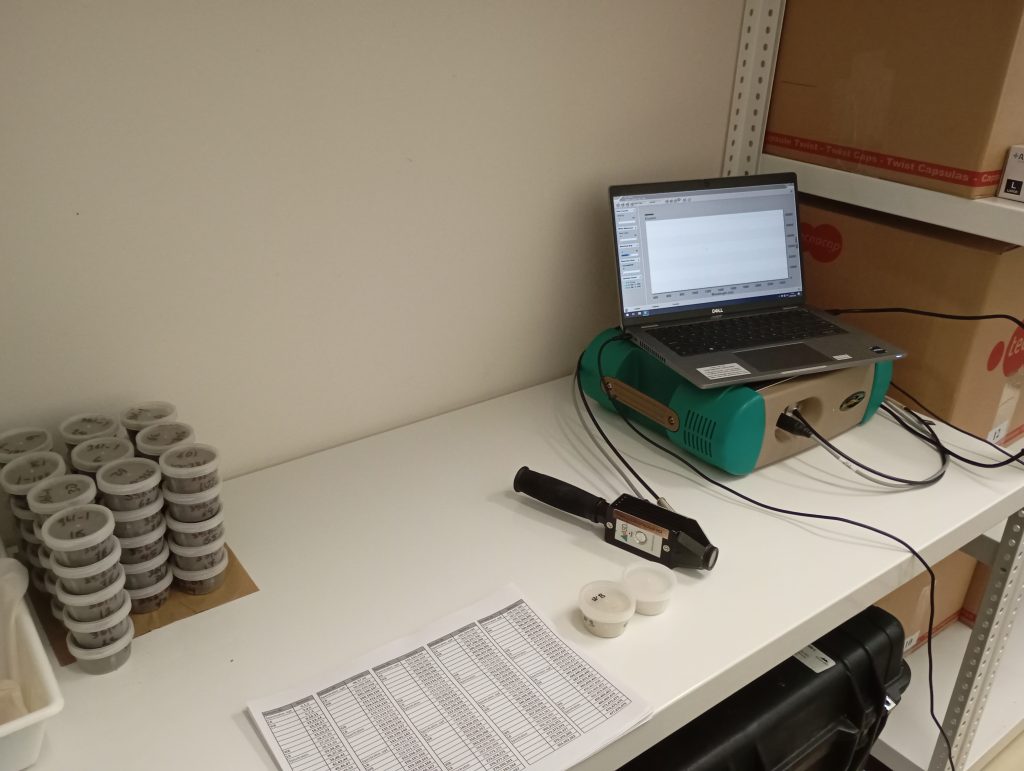
Advanced laboratory instruments, including GC-MS (for hydrocarbons), ICP-MS (for heavy metals), and EC sensors (for salinity), are being used to analyze the samples. These results will feed into the creation of a spectral library using vis-NIR, MIR, and XRF sensing, helping the project model contaminant levels with high precision.

By combining field-collected samples with laboratory-grade analysis, WHEATWATCHER is closing the loop between remote sensing, real-world testing, and actionable data. These insights will feed directly into our decision support system, ensuring farmers can manage their soils more wisely and sustainably.

Soil sampling begins in Greece

Soil sampling begins in Greece

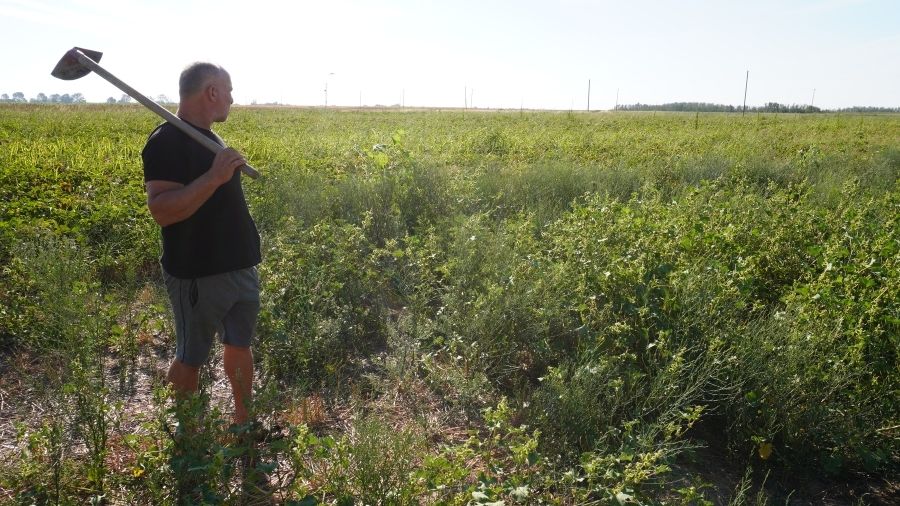
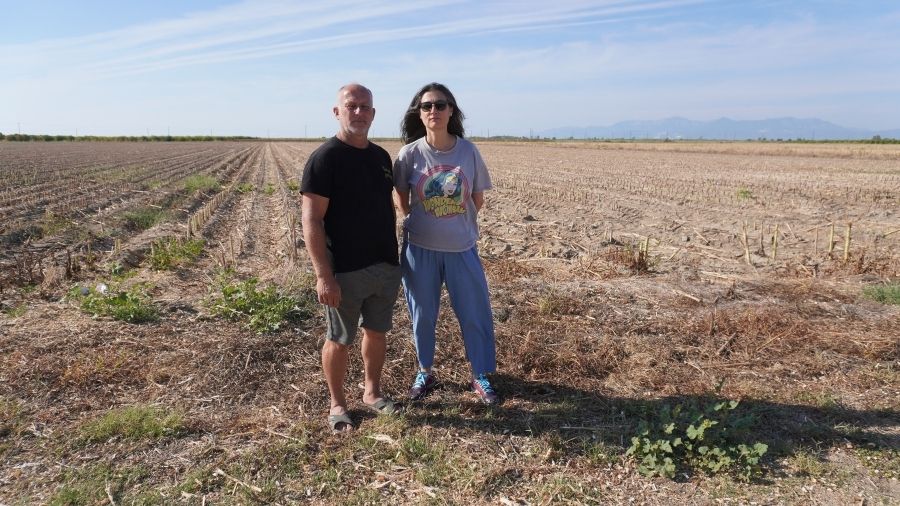
As part of WHEATWATCHER’s commitment to advancing sustainable agriculture across Europe, soil sampling has officially begun at our Greek pilot site in the Nestos river catchment, Eastern Macedonia and Thrace. This marks a major milestone in our mission to develop precision tools for healthier soils, optimized nutrient management, and safer food production.

The pilot site is coordinated by ena Development Consultants and located near Maggana, a region well-known for its agricultural output. It is part of a conventional mixed cotton and wheat field managed by a local farmer. The field has been selected due to its high soil salinity, making it an ideal testbed for digital solutions.

In Greece, WHEATWATCHER is focusing on monitoring salinity stress, a critical problem for crop performance and long-term soil health.

The ena team, in collaboration with project partners, is currently carrying out:

  • Soil sampling across multiple grid points to capture spatial variability
  • Collection of soil samples for microbiome and chemical analysis

These efforts support the broader goal of validating WHEATWATCHER’s stationary, mobile, and remote sensing technologies under real-world field conditions.

As the wheat grows, the Greek pilot will continue to contribute valuable insights into how digital tools can support climate-smart farming across Europe.

Stay tuned as the season unfolds and WHEATWATCHER’s innovations take root in the fields of Thrace.

Mobile sensing in action: Mapping soil health across the fields of Demmin

Mobile sensing in action: Mapping soil health across the fields of Demmin

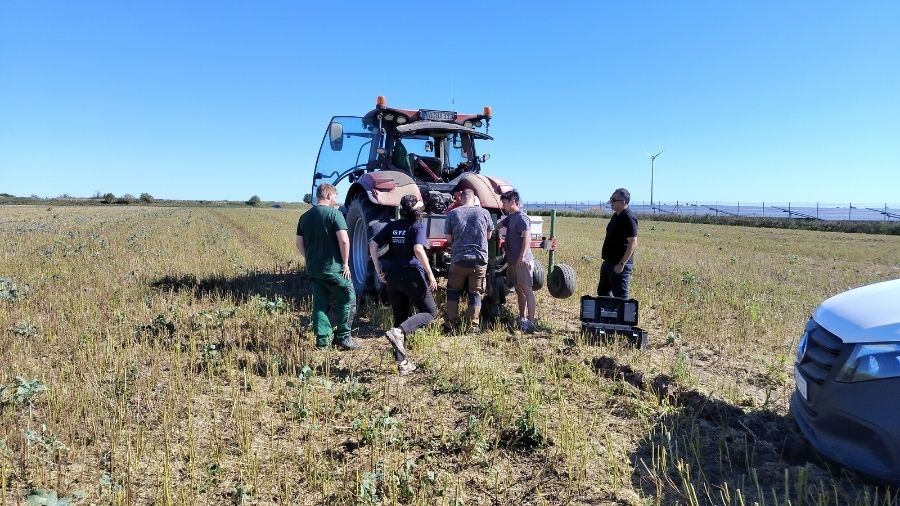
Earlier this summer, as part of the WHEATWATCHER project, our teams deployed one of the project’s key innovations: the mobile sensing platform developed by Ghent University. 

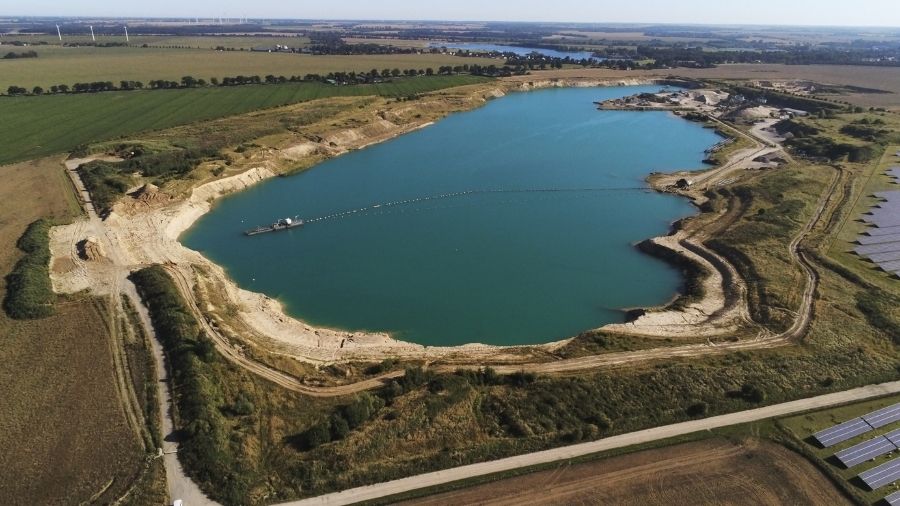
The location? Our German pilot site in Demmin, a region known for its extensive agricultural landscape and ideal conditions for large-scale field testing.

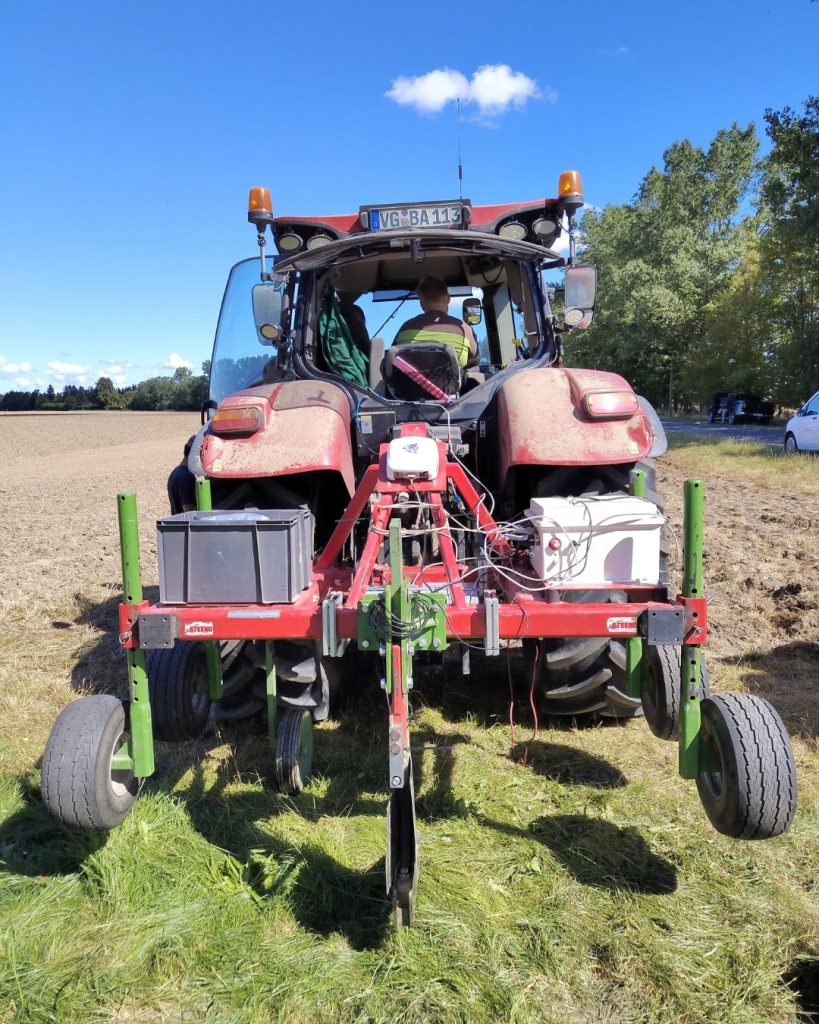
Over several days, our project’s scientific coordinator dr. Antonis Morellos and  dr. Yongjing Wang from the University of Ghent and the GFZ team, dr. Mehdi Saberioon  and Thomas Piernicke, collaborated closely to carry out a high-resolution soil sensing campaign. Mounted on a specially equipped vehicle, the mobile platform combined visible–near infrared (vis–NIR) spectroscopy and a gamma-ray sensor to scan and map key soil properties — in real time, while moving across the field.

This method allows us to detect changes in soil texture, nutrient availability, and potential contamination levels with remarkable spatial precision. In addition to the sensing runs, we collected bulk density measurements and soil samples at regular intervals. These data points will now be used to calibrate and validate the sensor outputs, ensuring the accuracy and scientific value of the generated maps.

The outcome? A robust, multi-layered dataset that not only enhances our understanding of soil variability but also demonstrates the power of real-time data collection to support smarter, more sustainable agricultural practices.

This campaign exemplifies how cutting-edge technology, when combined with traditional soil science and cross-border collaboration, can help farmers, researchers, and policymakers make better-informed decisions. As climate change and soil degradation continue to threaten food security, projects like WHEATWATCHER are working to develop practical tools that bridge the gap between research and real-world farming.

Stay tuned for more updates as we process the data and move one step closer to making precision soil monitoring the new standard in European agriculture.

Mobile sensing in action: Mapping soil health across the fields of Demmin
WHEATWATCHER & E-SPFdigit Joint Webinar - Webinar #1

WHEATWATCHER & E-SPFdigit Joint Webinar – Webinar #1

On July 15, 2025, the Horizon Europe Mission Soil sister projects, WHEATWATCHER and E-SPFdigit, came together for their first joint webinar!

With the theme “Digital innovations for soil and crop health,” the session attracted a diverse audience of researchers, agronomists, technology providers, and policymakers across Europe and beyond. The event offered a deep dive into how both projects are leveraging cutting-edge technologies to transform soil monitoring and promote sustainable agriculture.

Keynote Highlights

  • Prof. Abdul Mouazen, WHEATWATCHER Coordinator, presented how AI-powered sensing platforms and integrated data systems will help track contaminants and improve soil health across pilot sites in Europe.
  • Dr. Ria Pechlivani, Coordinator of E-SPFdigit, introduced their approach to real-time diagnostics of stress biomarkers in crops and soil through multi-sensing technologies.

The webinar not only presented the visions, tools, and goals of each project, but also emphasized collaboration across the Mission Soil community, setting the tone for future knowledge exchange and joint action.

Engaging Q&A: Turning questions into dialogue

The Q&A session that followed the presentations of the 2 coordinators, sparked meaningful discussion around the challenges and opportunities of digital innovation in agriculture. One of the central concerns raised was data ownership — specifically, who has access to the soil data collected from farmers’ fields. Prof. Mouazen emphasized the need for clear governance models that respect farmers’ rights while enabling scientific progress and policy development.

On the technical side, crop modeling emerged as a point of strong interest. Prof. Mouazen explained that crop modeling in WHEATWATCHER serves both to predict yields and estimate water demand, enabling informed decisions around input use and soil health management. He also noted that the choice of crop model was based on its compatibility with field-collected sensor data and its robustness under diverse environmental stressors.

The audience also raised critical questions about scaling up these innovations beyond pilot sites to broader EU-level soil monitoring frameworks. Both speakers recognized this challenge and pointed to the importance of aligning with policy efforts like LUCAS and collaborating with other initiatives, which share similar goals but approach them from different angles.

Finally, the discussion turned to dissemination strategies. Dr. Pechlivani underlined the importance of identifying the right stakeholders to engage — including regional actors, innovative farmers, agri-tech companies, and extension services — who can champion adoption on the ground. With limited project lifespans, both speakers emphasized that involving key economic actors early on is essential to delivering tangible impact in the field.

 Missed it or want to watch it again?
The full recording of the webinar is now available on YouTube.

This was just the beginning! The joint webinar series will continue with more sessions to follow — exploring data platforms, pilot site progress, policy connections, and more.

Precision for tomorrow: How FHNW’s sensor technology powers WHEATWATCHER

Precision for tomorrow: How FHNW’s sensor technology powers WHEATWATCHER

Wheat is Europe’s most widely cultivated cereal crop known for its adaptability to different climates and soils. But today, soils across Europe are under increasing stress from over-fertilization, chemical inputs, and environmental change. That’s where WHEATWATCHER steps in.

A research mission rooted in innovation

WHEATWATCHER is a Horizon Europe-funded project with a bold objective to understand how soil contaminants, both chemical and biological, affect wheat growth from seed to flour. Through an integrated monitoring approach, the project tracks everything from soil health to grain quality. The goal? To detect and prevent contamination early, ensuring safe food production and sustainable farming practices.

To achieve this, WHEATWATCHER  has established four pilot sites in Germany, Belgium, Poland, and Greece. At each site, advanced digital soil monitoring systems are being deployed to gather real-time data on soil conditions and environmental stressors.

Leading sensor work: The role of FHNW

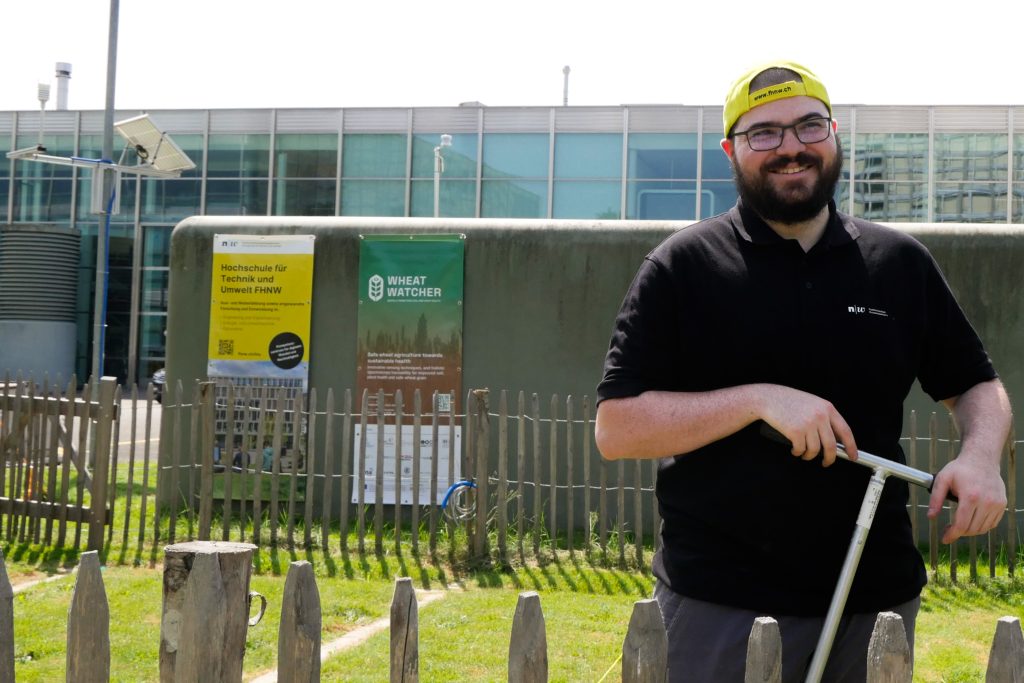
As a key partner in the WHEATWATCHER project, the University of Applied Sciences and Arts Northwestern Switzerland (FHNW), and more specifically its Institute for Sensor Technology and Electronics, plays a central role in designing and implementing the project’s sensor-based monitoring systems.

FHNW is responsible for all stationary data acquisition from sensors installed in both soil and air. In parallel, the team is developing the cloud-based infrastructure that enables real-time data transmission and processing across the pilot sites. With expertise in embedded systems and IoT, FHNW ensures that sensor data is not only collected but seamlessly integrated into the project’s digital decision support tools.

Over the past five years, the FHNW team has built a precision sensor system specifically tailored to agricultural applications. These sensor networks are installed directly into the soil and the surrounding environment to measure:

  • Soil parameters: moisture, temperature, pH, salinity, and nutrients such as nitrogen, phosphorus, and potassium.
  • Atmospheric conditions: air temperature, humidity, wind speed, rainfall, and solar radiation.

Unlike broader area analyses, the FHNW system performs high-frequency, site-specific measurements, offering precise long-term monitoring of changes in the soil, such as moisture loss or nutrient fluctuations. This complements other technologies used within WHEATWATCHER that cover larger-scale monitoring.

A living laboratory in Switzerland

To fine-tune the system, the FHNW team is using its Innovation Garden in Windisch, Switzerland, as a live testing ground. This outdoor lab allows researchers to experiment with various sensor types and calibration methods before rolling them out to the pilot sites.

Simultaneously, the team is developing a sophisticated cloud-based Data Warehouse that collects all field measurements wirelessly. These datasets will support predictive analytics and contribute to real-time decision-making tools within the project.

By autumn 2026, all stations are expected to be fully operational across the pilot countries, helping translate raw data into meaningful insights for farmers, millers, and policymakers alike.

FHNW sensor technology for more sustainable agriculture

In collaboration with institutions like FiBL (Frick), Agroscope (Wädenswil), and the Ebenrain Centre for Agriculture, Nature and Nutrition (Sissach), FHNW is also contributing to optimized irrigation in cherry orchards and sustainable soil management in organic farming.

These initiatives underscore FHNW’s commitment to creating scalable, real-world solutions that bridge cutting-edge science with practical agriculture.

EUROPEAN MISSION SOIL WEEK

European Mission Soil Week: Event Report 2024

From November 12-13, 2024, leading experts, policymakers, researchers, and stakeholders gathered for the Mission Soil Week 2024, a landmark event dedicated to addressing soil health challenges and advancing sustainable land management across Europe. The event provided a platform for discussions on innovative policies, cutting-edge research, and collaborative initiatives aimed at protecting and restoring soil ecosystems.

Key Highlights from Mission Soil Week 2024:

– Insights from Soil Experts – Renowned scientists and policymakers presented the latest findings on soil degradation, biodiversity, and climate resilience, underlining the urgent need for action.

– Policy and Innovation Dialogues – Sessions focused on strengthening policies that promote soil health, with an emphasis on sustainable farming practices, carbon sequestration, and regenerative agriculture.

– Best Practices and Case Studies – Attendees explored real-world applications of sustainable soil management techniques, learning from successful case studies across different European regions.

–Collaboration for Soil Sustainability – The event reinforced the importance of cross-sector collaboration, bringing together public institutions, private enterprises, and research organizations to drive impactful solutions for soil restoration.

Why It Matters

Soil health is fundamental to food security, climate resilience, and biodiversity. Mission Soil Week 2024 reinforced the EU’s commitment to reversing soil degradation and promoting sustainable land use through policy initiatives and research-driven solutions. The discussions held during the event are expected to shape future strategies and funding opportunities that will support farmers, land managers, and policymakers in implementing best practices.

Read the Full Report

For a detailed analysis of the discussions, insights, and outcomes of Mission Soil Week 2024, access the full Post-Event Report.

Skip to content