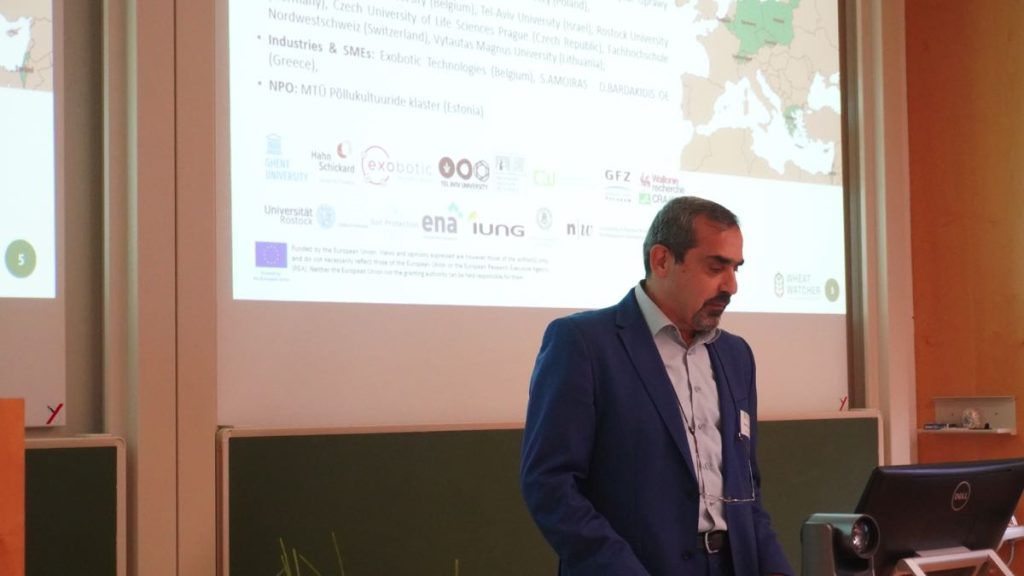
mission soil week

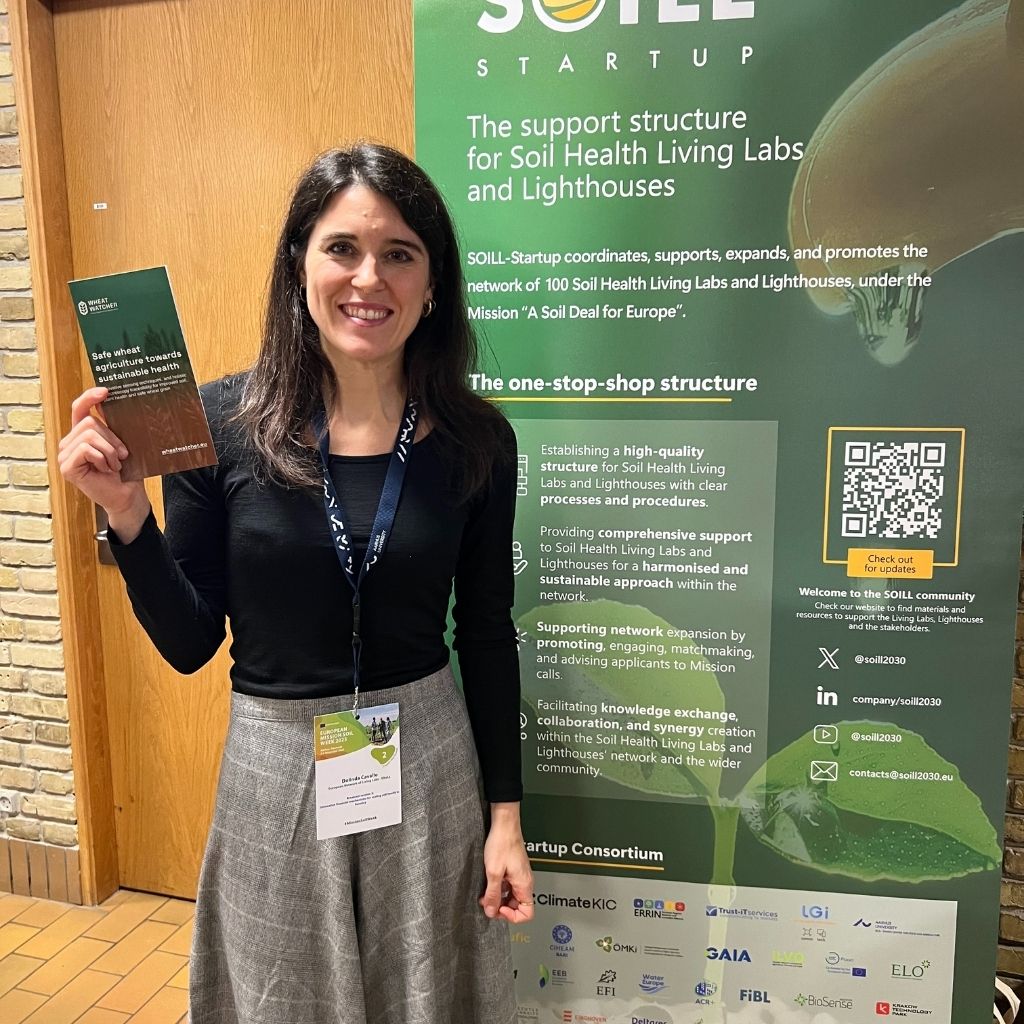
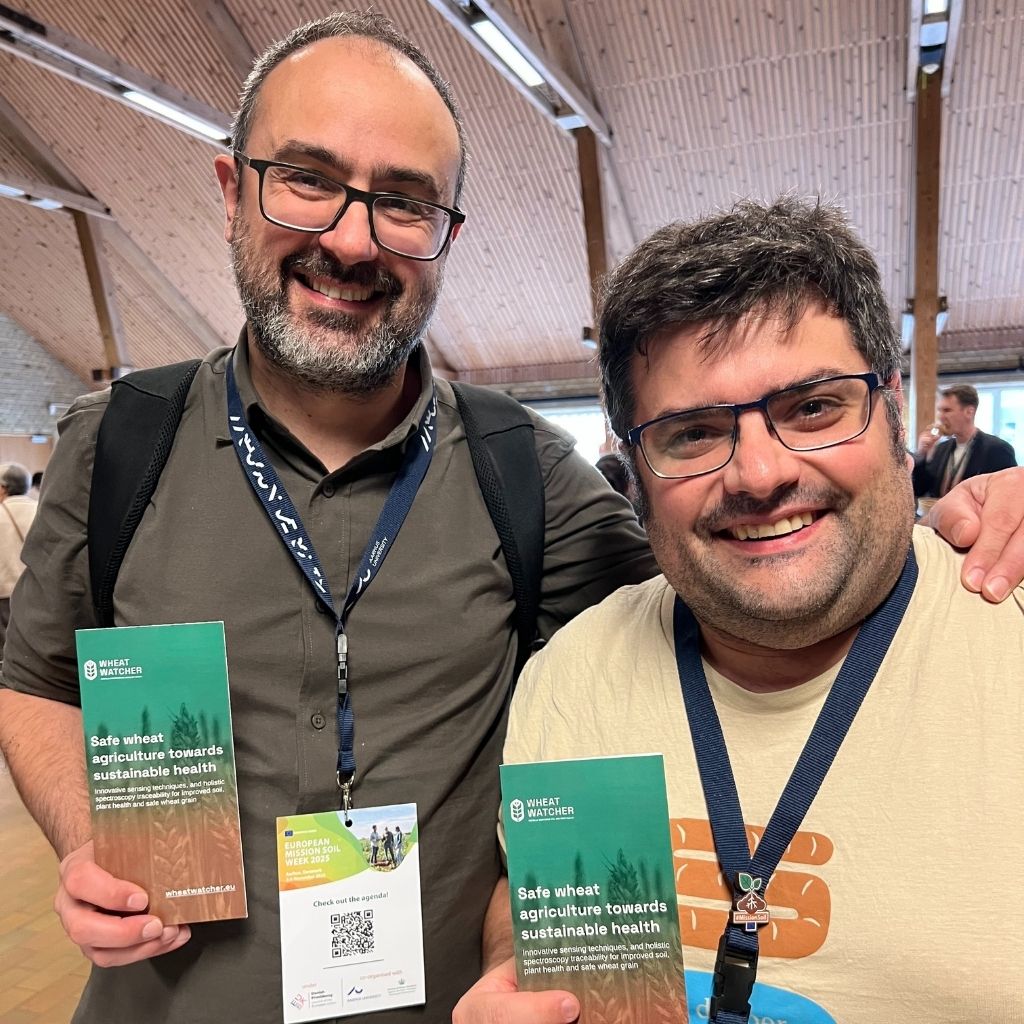
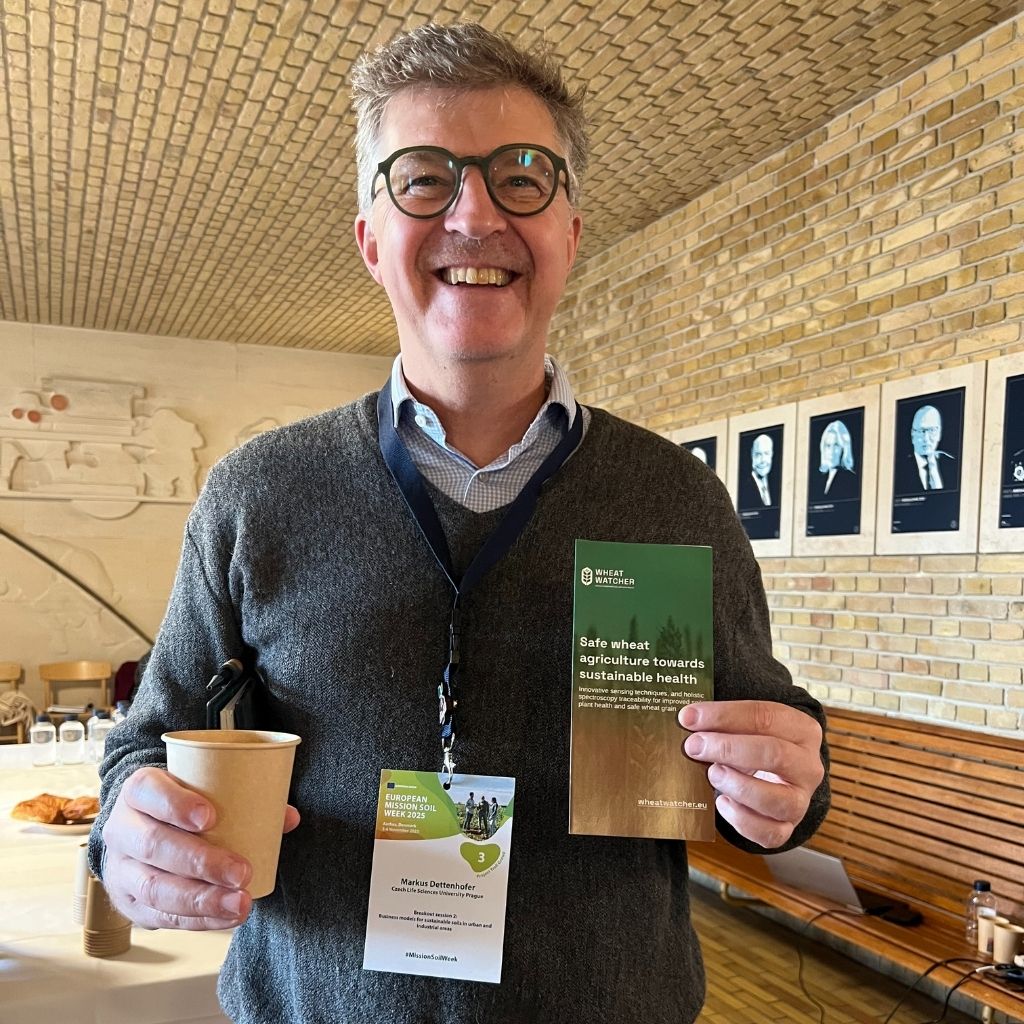
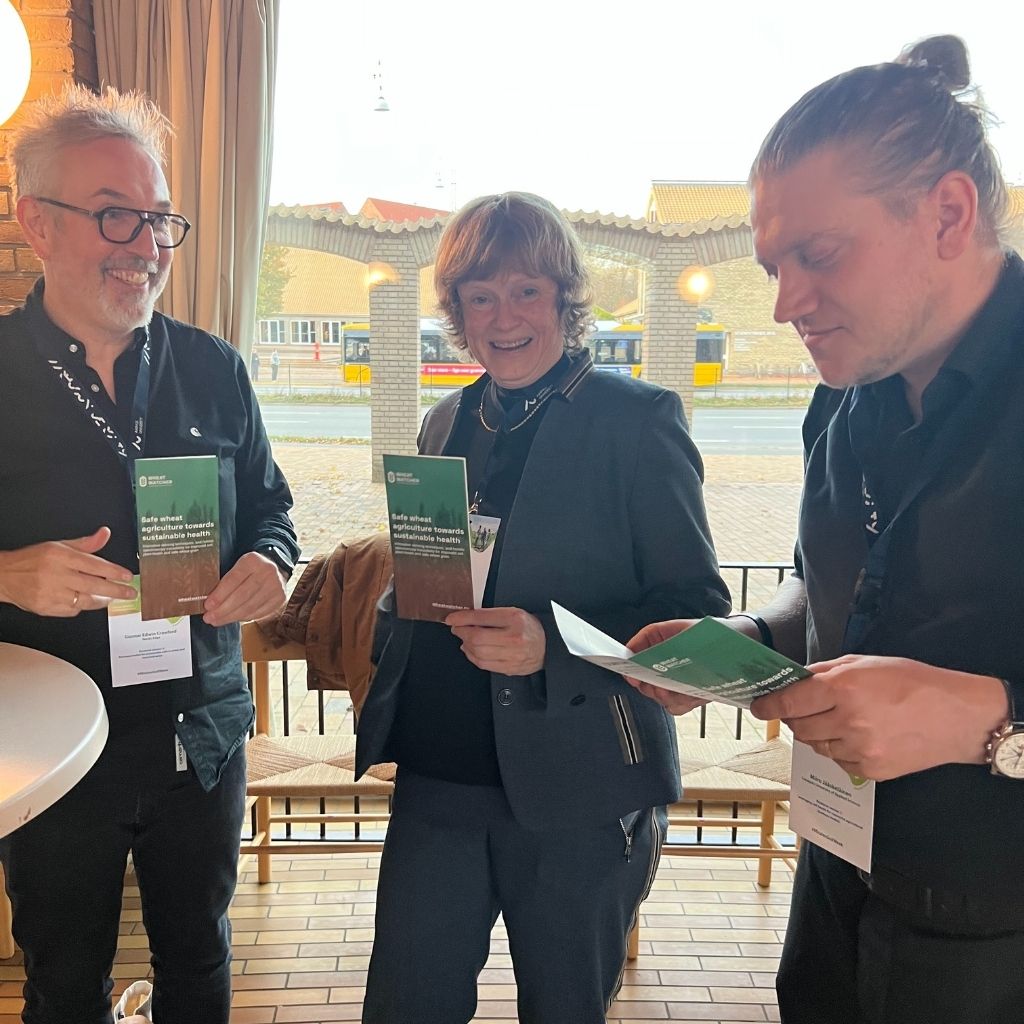
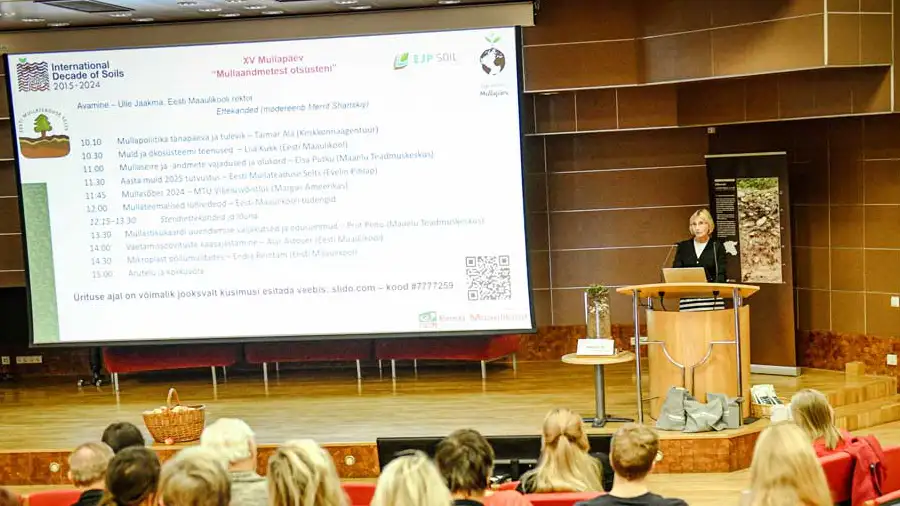
WHEATWATCHER at the European Mission Soil Week 2025

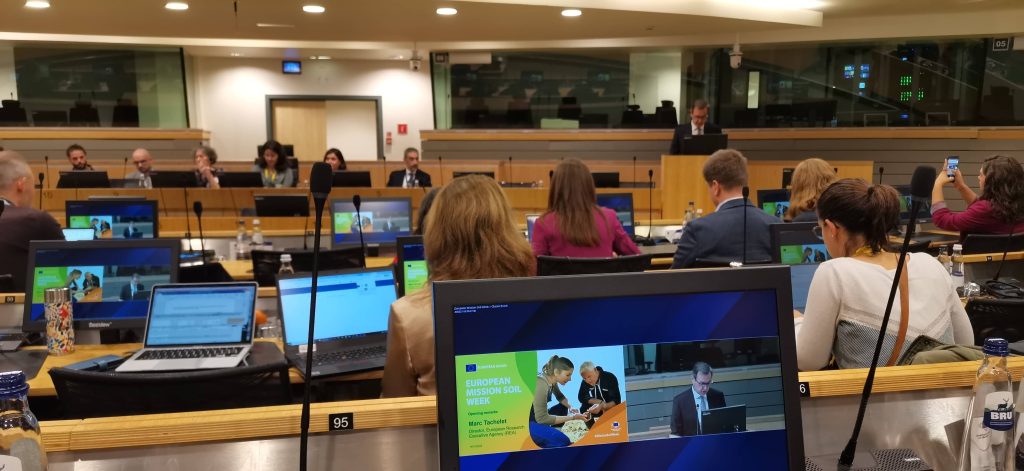
The European Mission Soil Week is the annual flagship event promoting the Horizon Europe Mission “A Soil Deal for Europe”, raising awareness on soil health and mobilising action to protect and restore Europe’s soils.

The 2025 edition took place on 5–6 November 2025 at Aarhus University and was organised by the Danish Ministry of Green Transition, Aarhus University, and the European Commission’s DG Agriculture and Rural Development, under the auspices of the Danish Presidency of the Council of the EU.

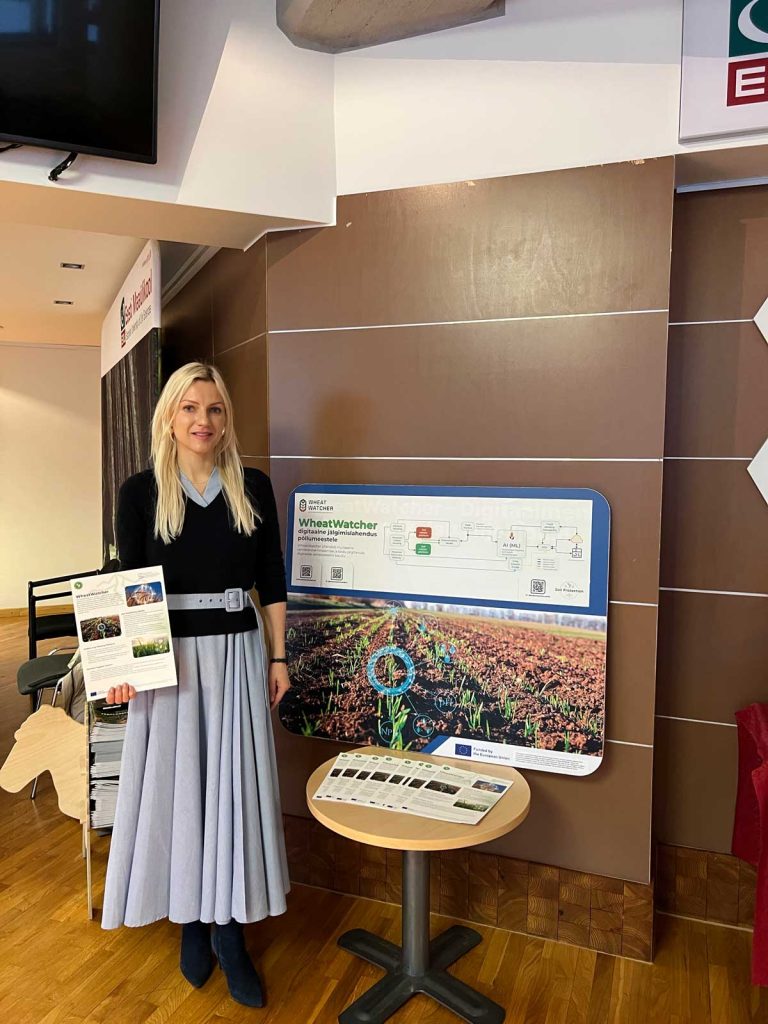
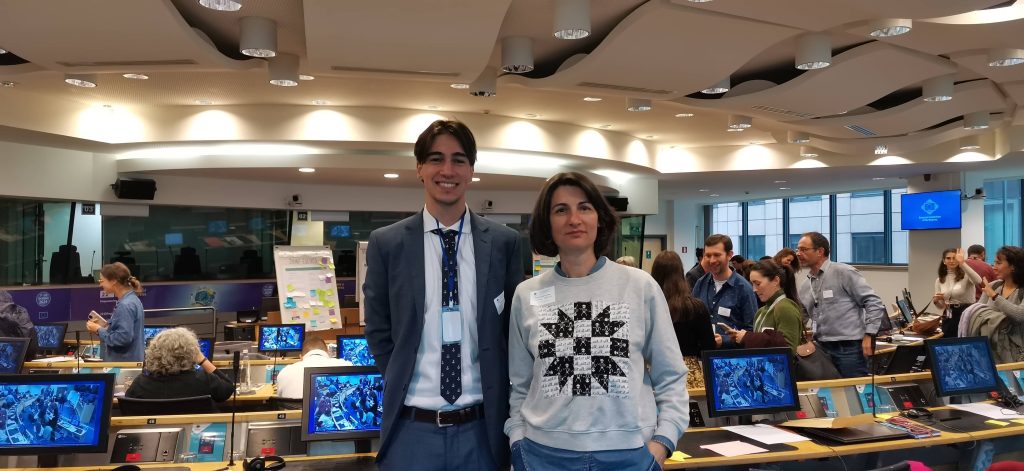
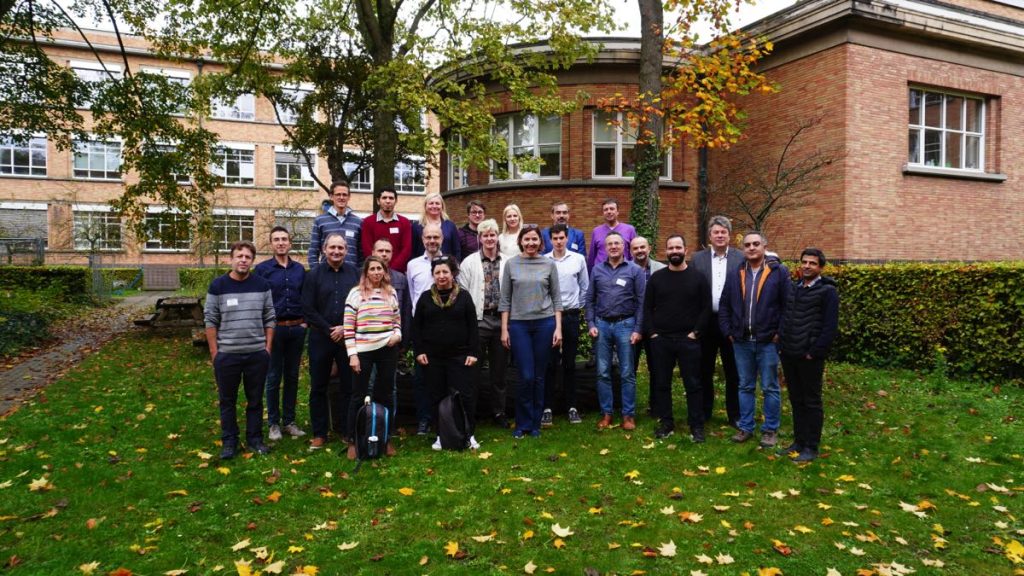
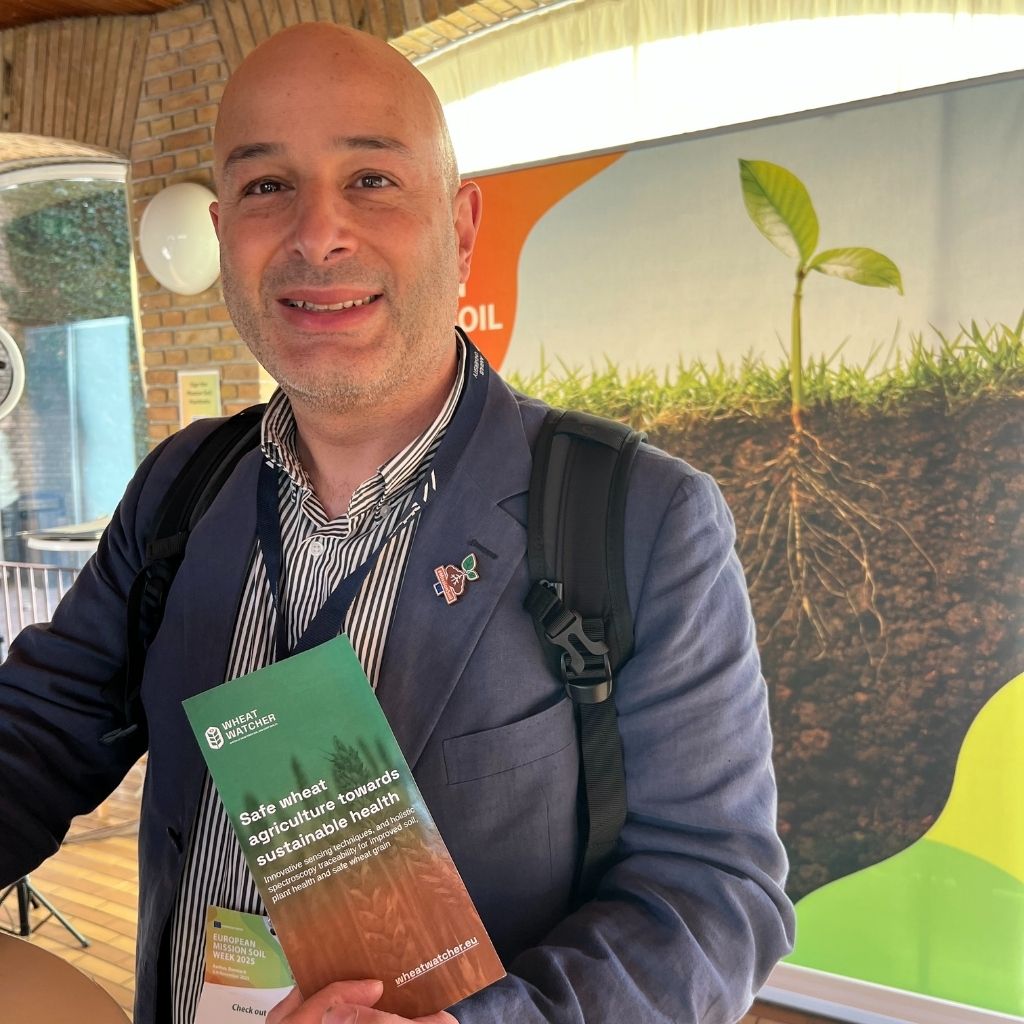
Representing WHEATWATCHER, Roosi Soosaar (Soil Protection) and prof. Grzegorz Siebielec (IUNG), communicated how the project is transforming soil and crop monitoring into practical, data-driven tools for land managers and farmers.

Key takeaways shaping the soil-health agenda

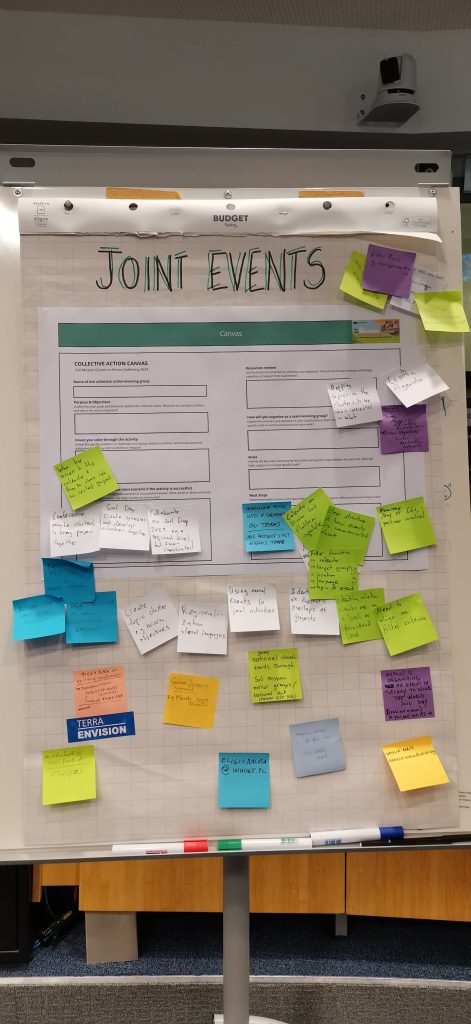
Discussions at EMSW 2025 underscored that:

  • People and places matter: landscape restoration succeeds when it puts communities at the centre.
  • Economics are decisive: single erosion events can wipe out years of returns, making sustainable land management a financial imperative.
  • Scaling innovation needs viable models: impact requires scaling up, scaling deep, and stabilising business models for soil health from the outset.
  • Monitoring enables preparedness: with the forthcoming EU Soil Monitoring Law, continuous, high-quality data is essential to trigger timely interventions.
  • Integrated data frameworks empower both policy and practice, turning measurements into decisions at farm and regional scales.

Looking ahead

WHEATWATCHER aligns with the EMSW 2025 agenda by bridging research and deployment, and by demonstrating investment-ready digital tools that support sustainable, resilient, and economically viable soil management. As Europe accelerates action on soil health, WHEATWATCHER will continue to advance evidence-based solutions that serve farmers, supply chains, and society.

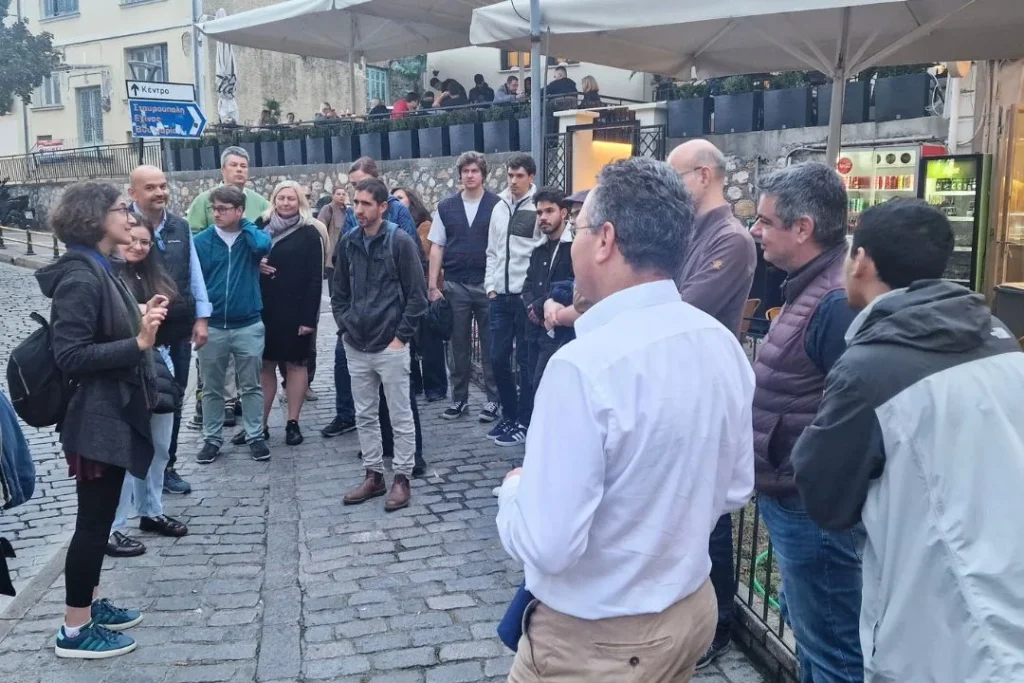
ga meeting xanthi

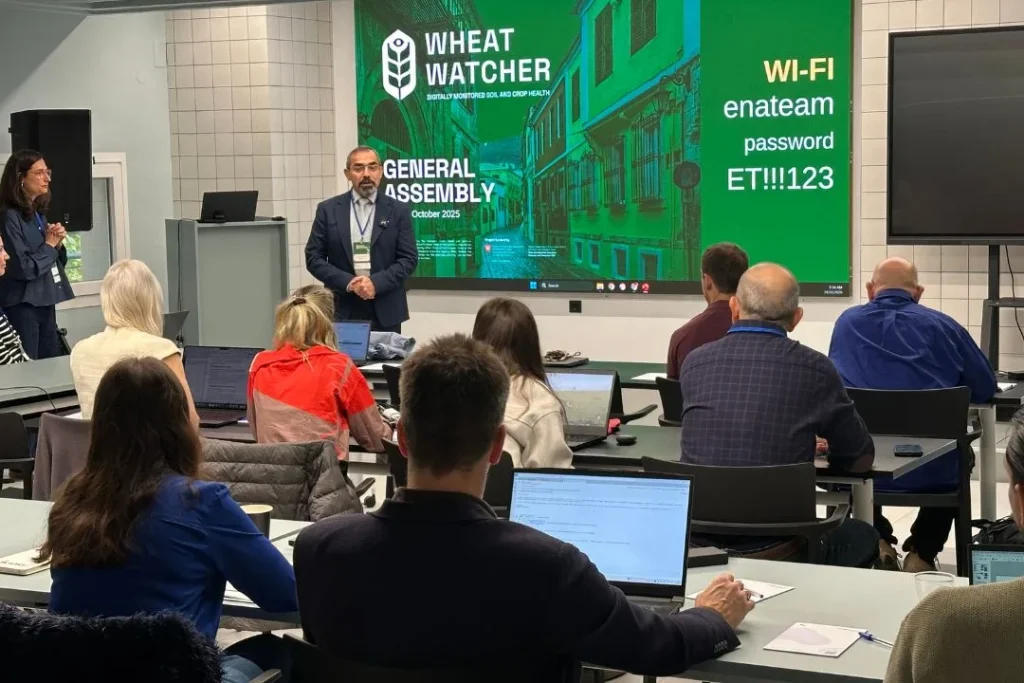
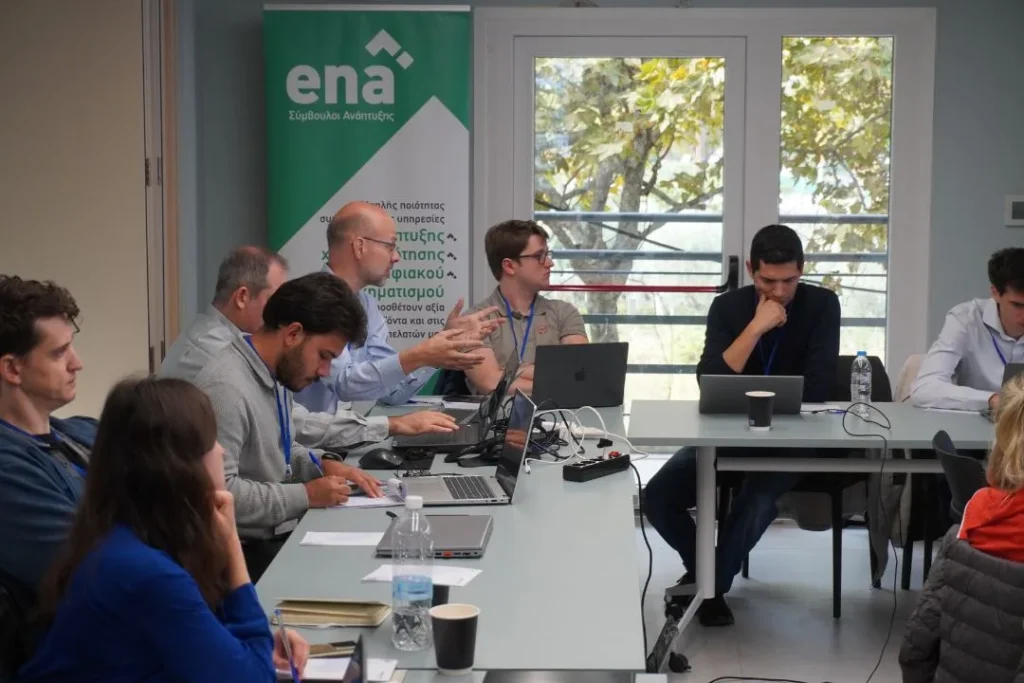
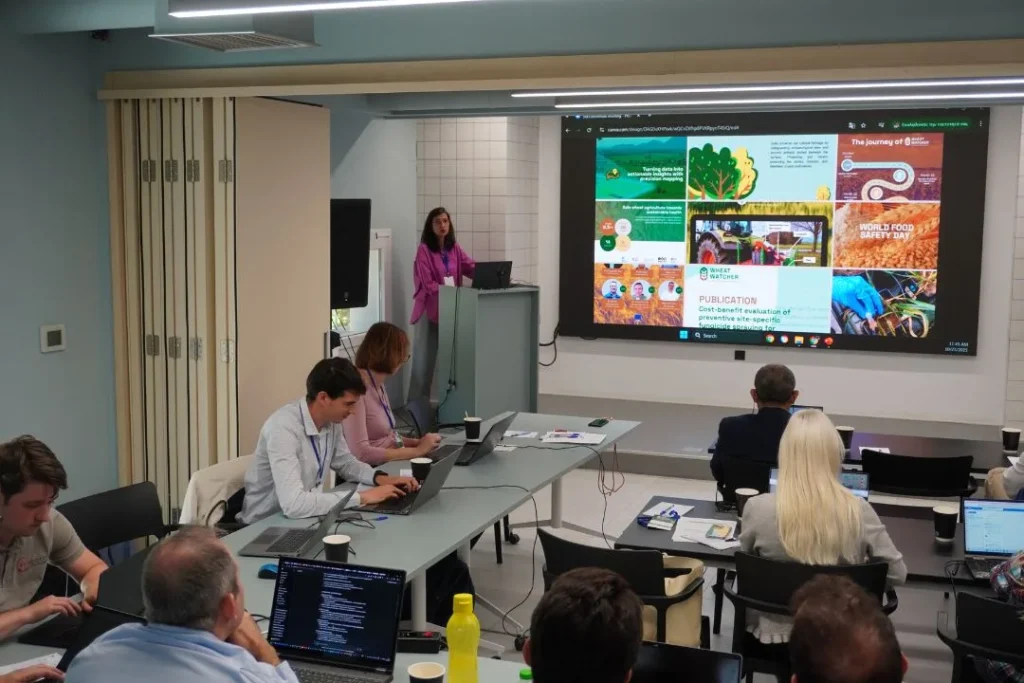
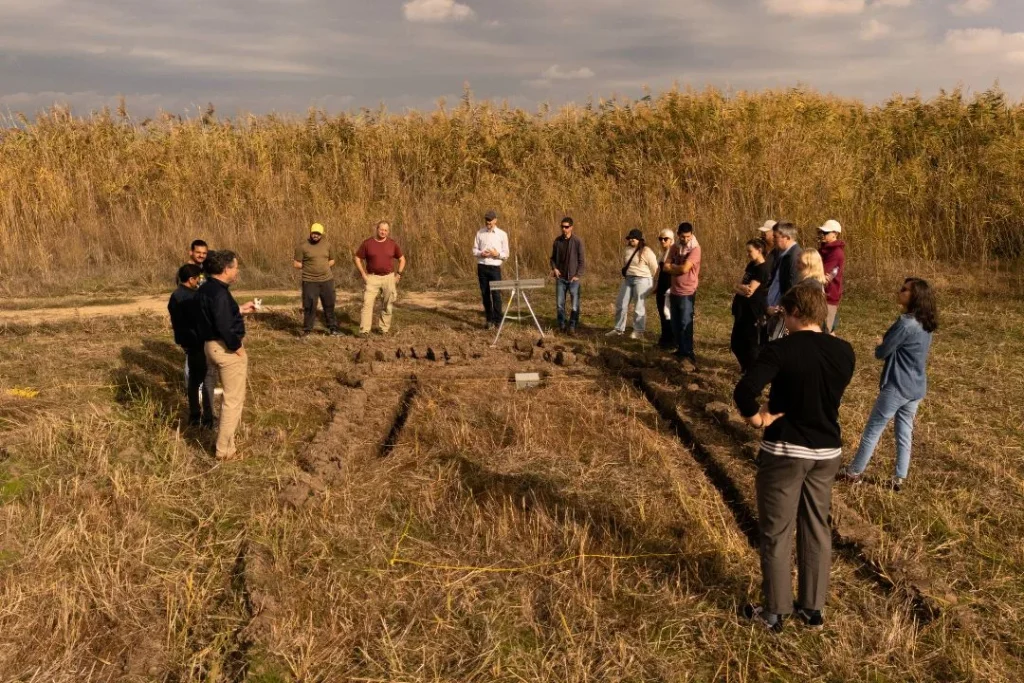
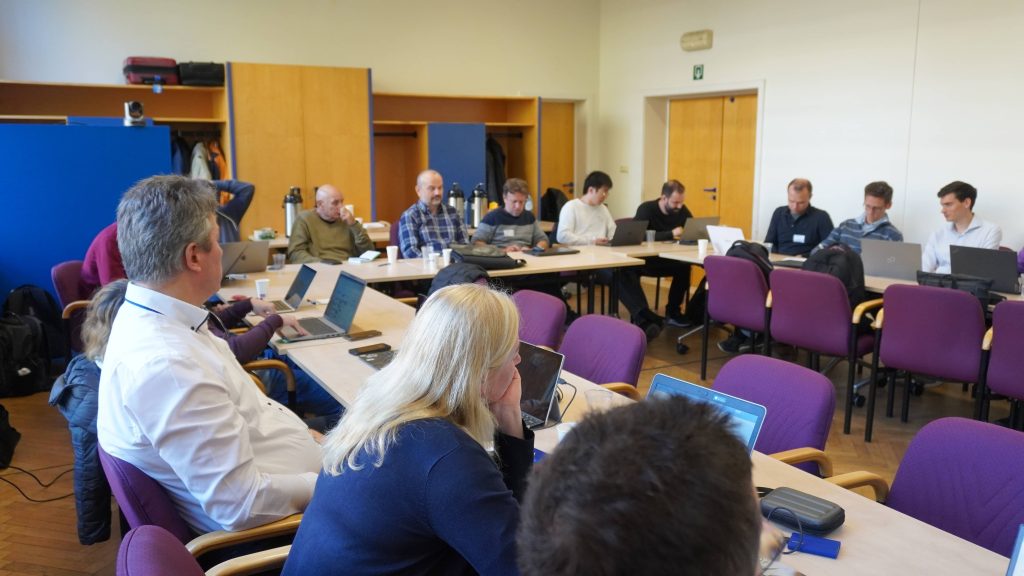
WHEATWATCHER general assembly in Xanthi, Greece

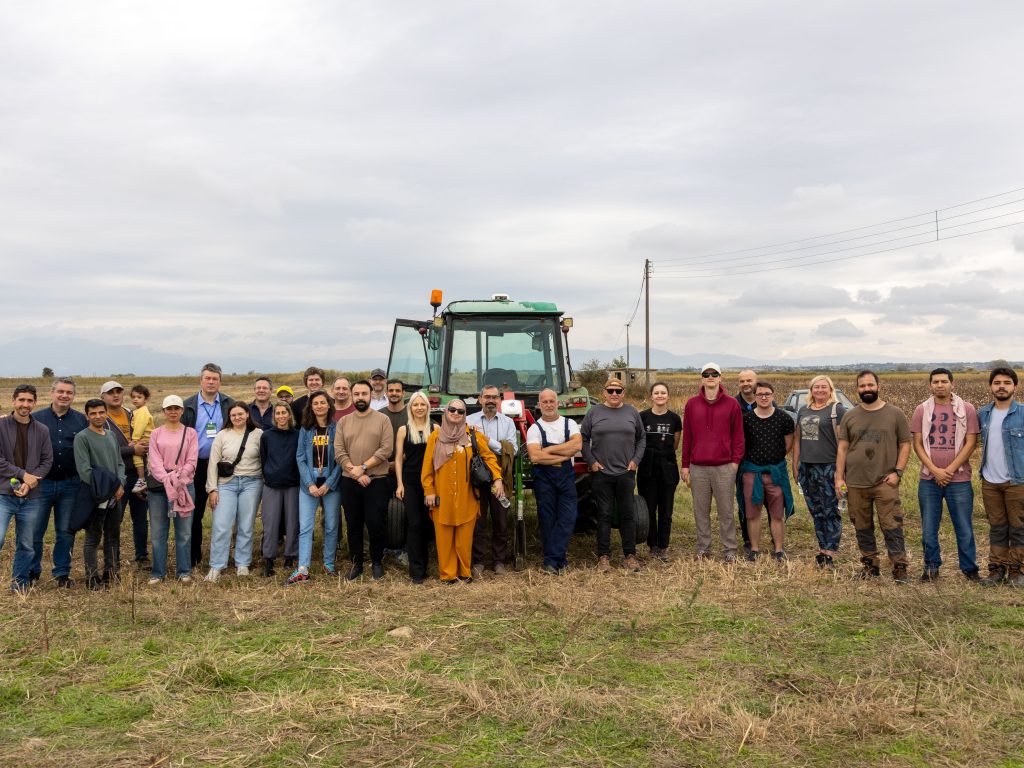
From 22–24 October 2025, the WHEATWATCHER consortium met in Xanthi, Greece, bringing together 14 partners from nine countries. Hosted by ena Development Consultants, our partner leading WP8, the gathering marked a key milestone in the project’s journey to improve soil and crop health across Europe.

Day 1 – Technical progress & innovation

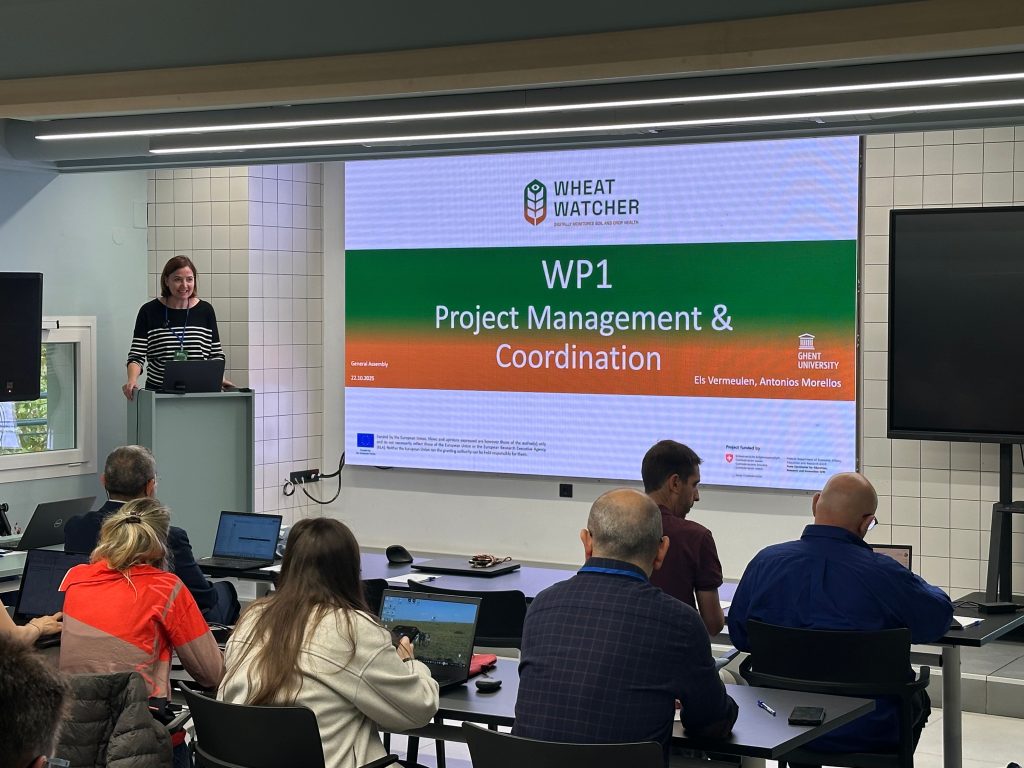
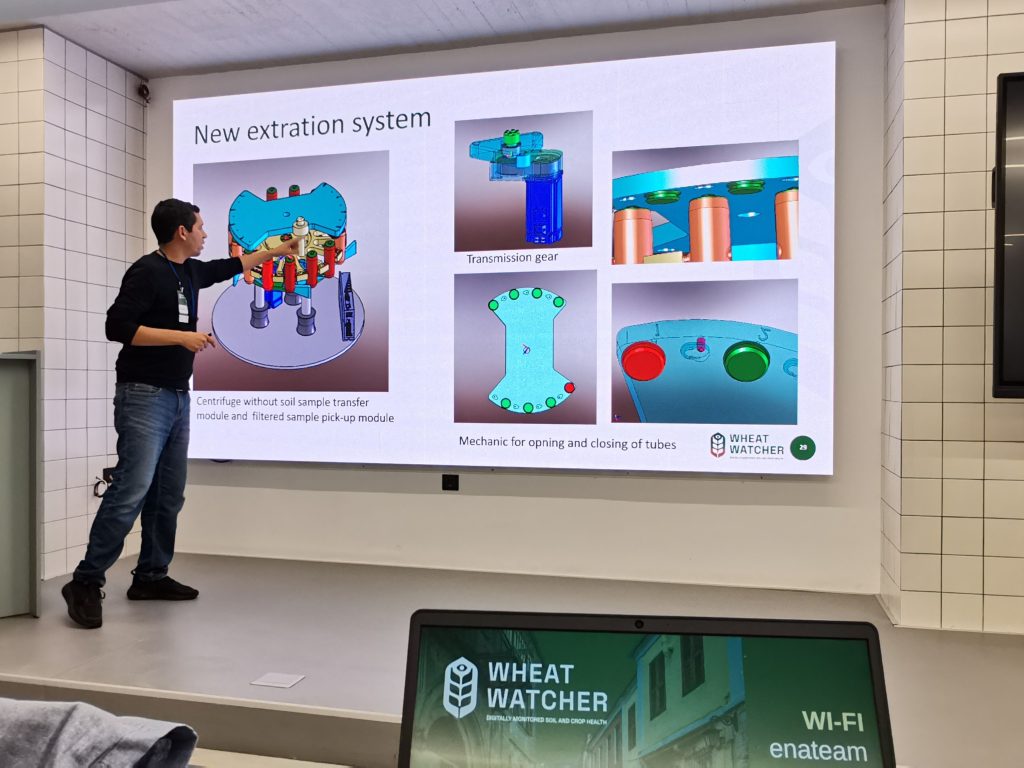
The first day was dedicated to the technical backbone of the project. Work Packages WP1 through WP5 presented research results, pilot-site data, and technology updates encompassing soil monitoring platforms, data integration, microbiome analysis, hyperspectral tools, and modelling frameworks. This intensive session underlined the scientific depth and cross-disciplinary collaboration at the heart of WHEATWATCHER.

Day 2 – Traceability, stakeholder engagement & synergies

The second day was dedicated to three key Work Packages: WP6 (Demonstration), WP7 (Food Traceability), and WP8 (Dissemination & Exploitation).

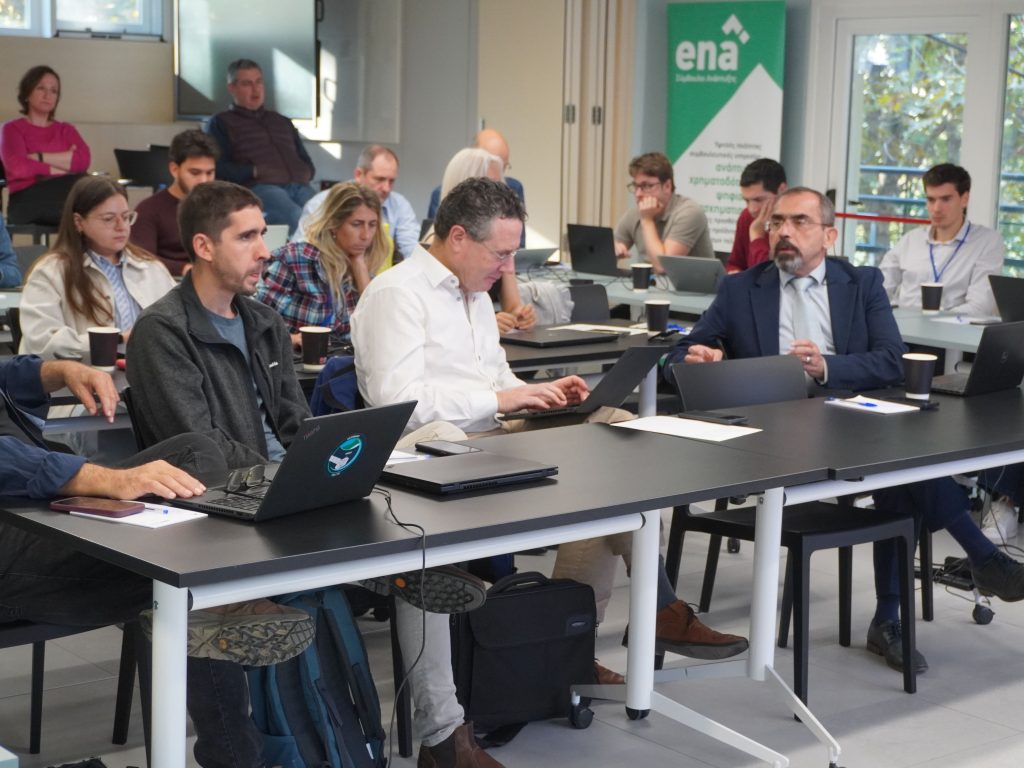
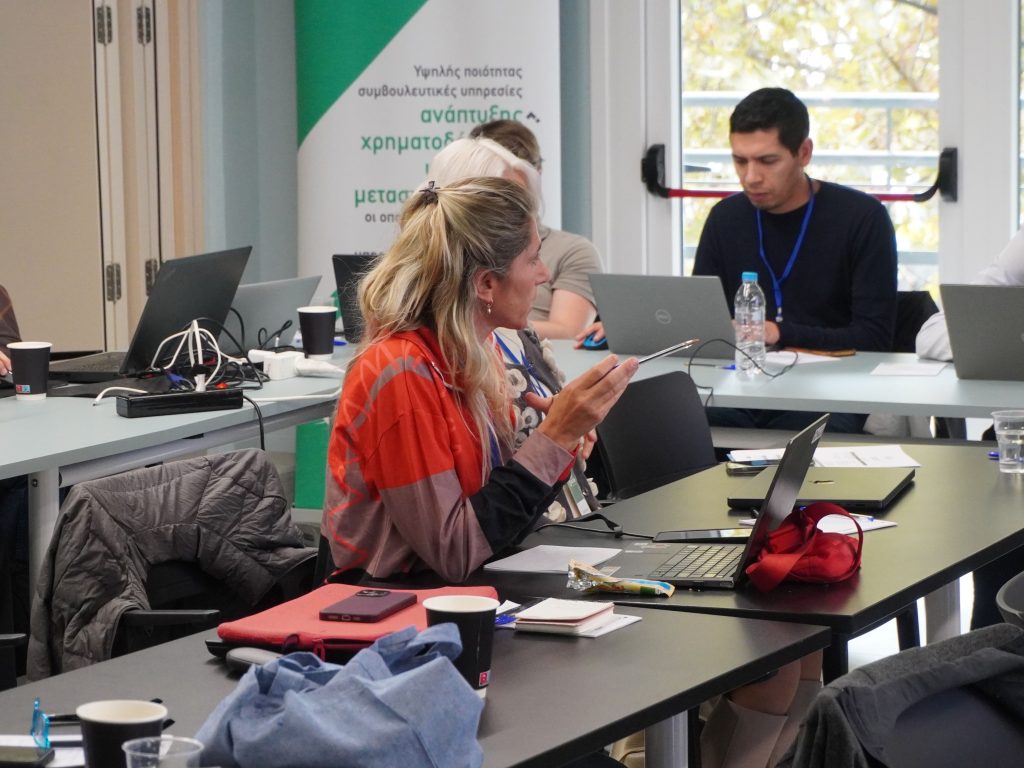
Discussions centered on the current status of field campaigns across pilot sites, the development of food quality and safety indicators, and insights from the stakeholder survey shaping WHEATWATCHER’s traceability framework. WP8 presented the project’s first-year communication and dissemination performance, with a special emphasis in collaboration and synergy with other Mission Soil projects.

The day also featured online presentations from sister Mission Soil projects — E-SPFdigit (project coordinator dr. Ria Pechlivani) and InBestSoil (project manager Mr. Javier González de Rivera Outomuro), highlighting opportunities for synergy and shared innovation across the Mission Soil community.

Day 3 – From discussion to experience

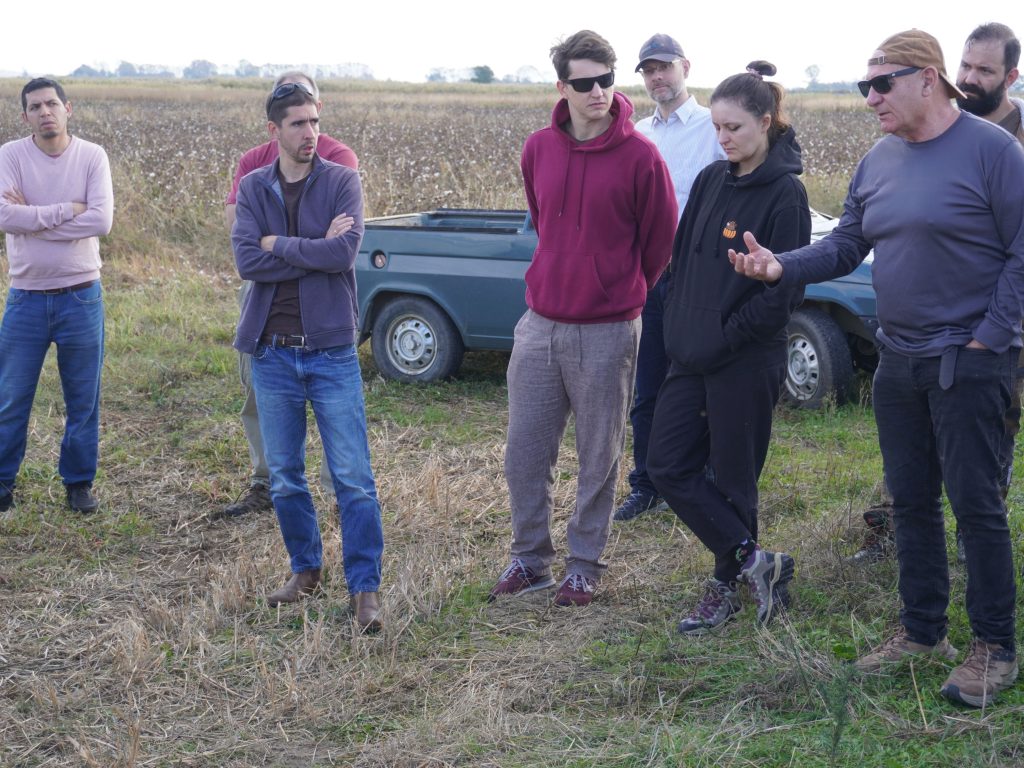
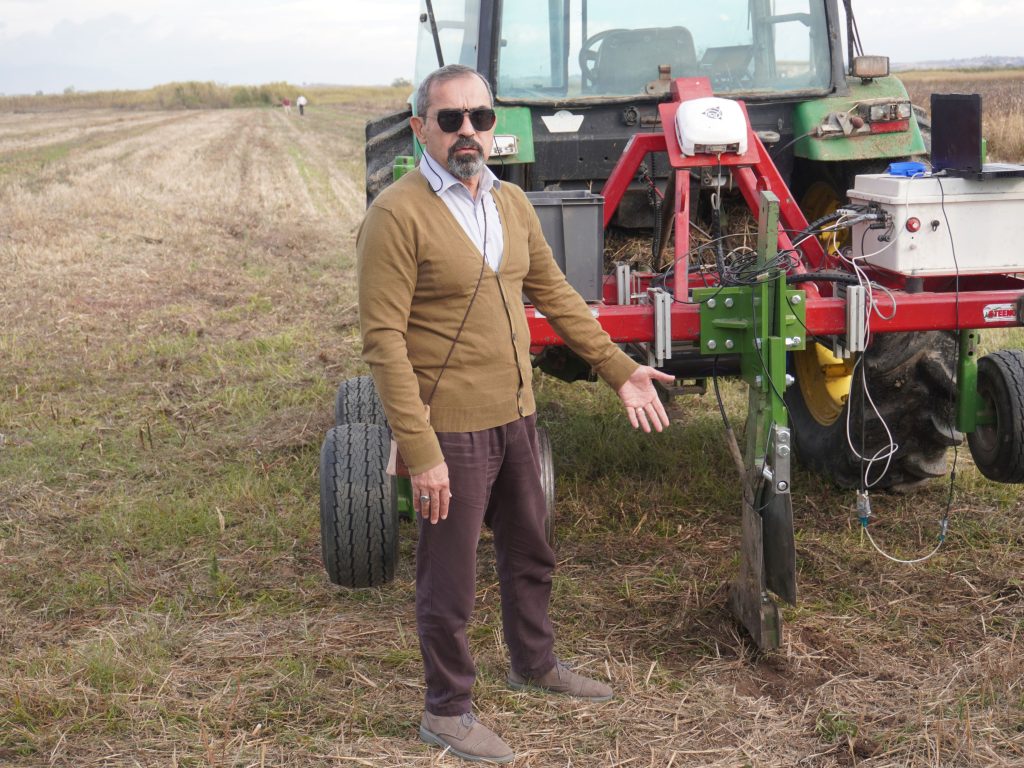
The final day brought partners into the field at the Greek pilot site near Nestos river area, where they observed soil monitoring technologies in action and explored real-world challenges such as salinity and nutrient management in Mediterranean agriculture.

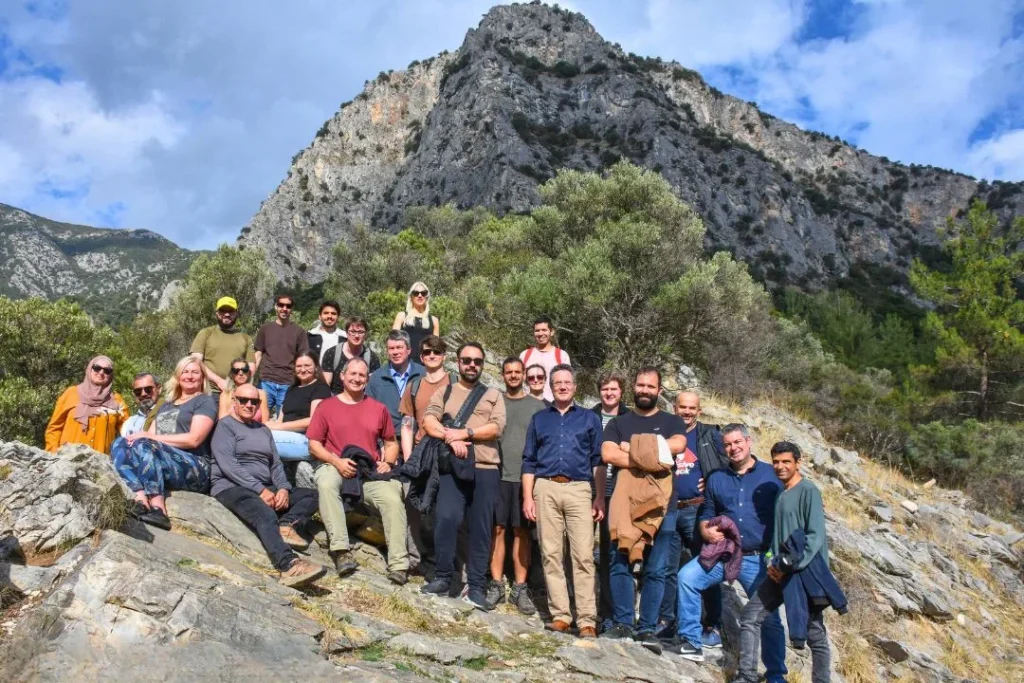
The day concluded in a more relaxed atmosphere, with rafting and hiking through the scenic Nestos Gorge, offering participants a memorable experience that blended teamwork, nature, and the spirit of collaboration that defines WHEATWATCHER.

What’s Next?

Thanks to the confirmed success of the GA meeting, the WHEATWATCHER roadmap moves full speed ahead. Over the coming months we will:

  • Finalise installation and calibration of monitoring systems across pilot sites for operational rollout
  • Advance data-warehouse and cloud-based decision-support tools for real-time monitoring
  • Strengthen stakeholder engagement and prepare for large-scale demonstration campaigns
  • Leverage new synergies with Mission Soil initiatives and industry-partners to maximise impact and uptake

The Xanthi meeting reaffirmed that the WHEATWATCHER journey is not just about cutting-edge science, it is about connecting research to real agricultural practice. 

Thank you to all partners, researchers, farmers and stakeholders who joined us in Greece and contributed to a productive and inspiring General Assembly.

Until next time!

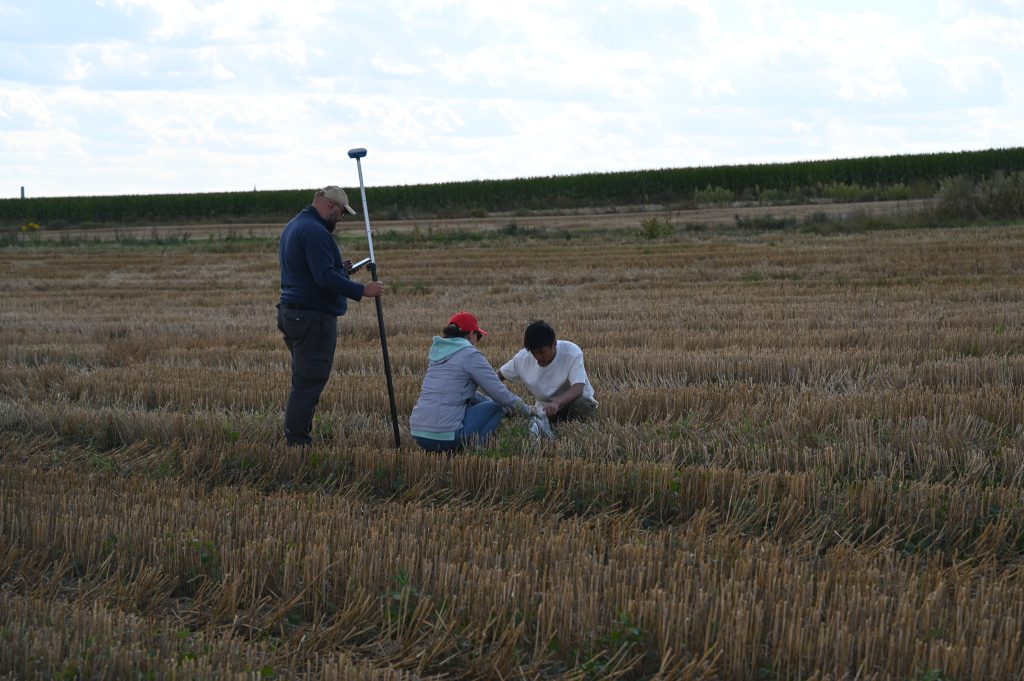
Mapping soil health in Poland: Mobile Sensing in Action at the IUNG Pilot site

Mapping soil health in Poland: Mobile Sensing in Action at the IUNG Pilot site

As part of WHEATWATCHER’s mission to revolutionize soil health monitoring across Europe, our Polish pilot site in Silesia, coordinated by the Institute of Soil Science and Plant Cultivation – State Research Institute (IUNG), recently hosted a full-scale mobile sensing campaign.

This pilot focuses on monitoring soil contaminants, particularly heavy metals, as well as salinity and nutrient imbalances, which pose serious risks to both environmental quality and food safety. To address these challenges, the team is deploying advanced sensing technologies to generate high-resolution spatial data that can inform smarter, more targeted agricultural practices.

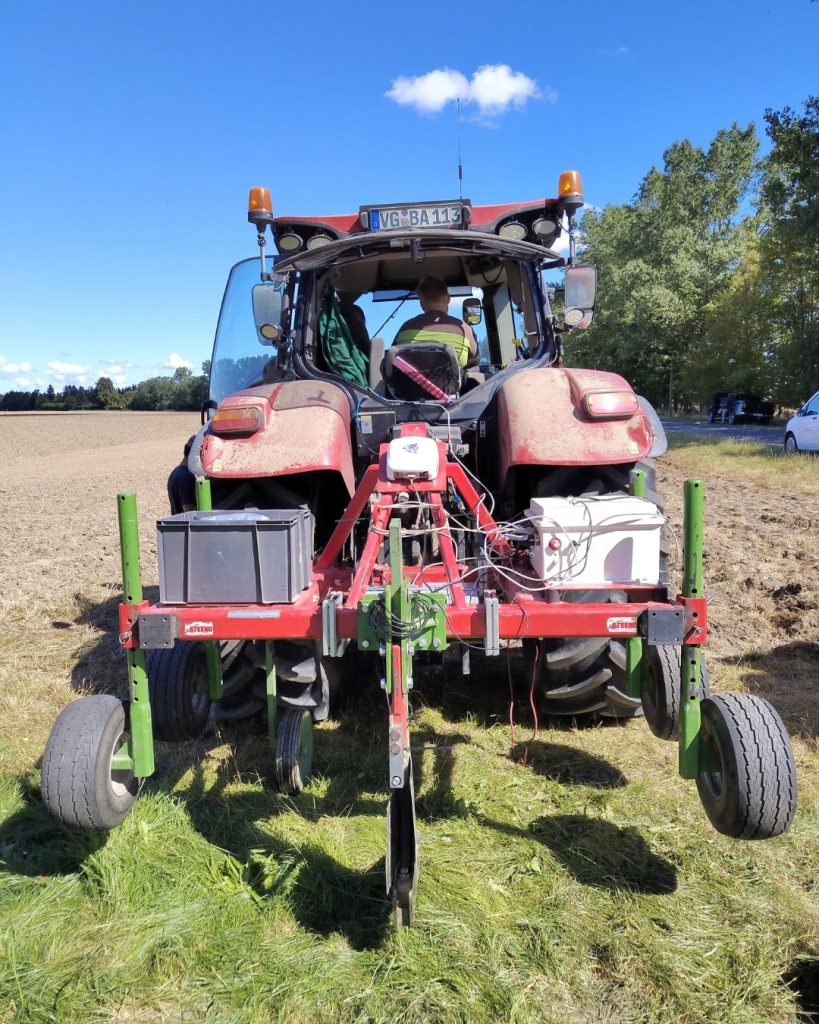
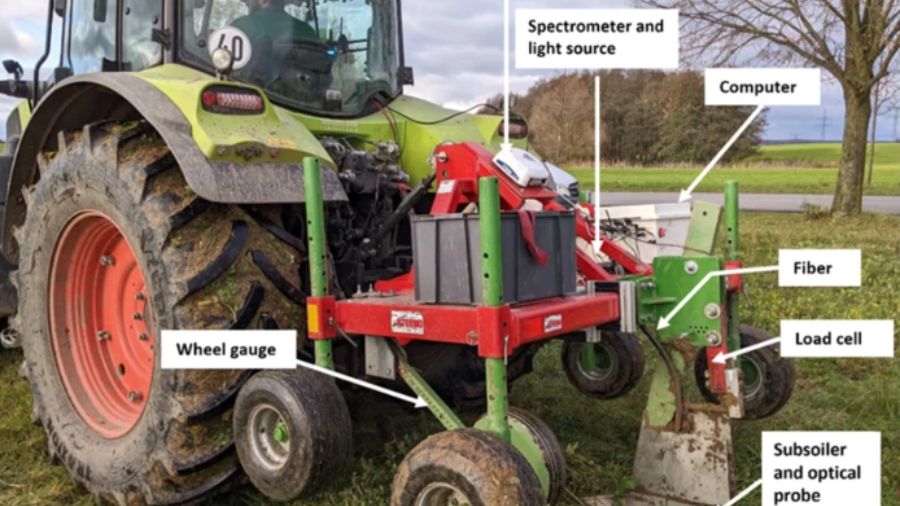
Earlier this summer, researchers from Ghent University, in collaboration with IUNG, brought the mobile sensing platform to the field. The platform—equipped with visible-near infrared (vis-NIR) spectroscopy and gamma-ray sensors—was driven across several fields, continuously collecting data on soil properties such as organic matter, moisture, and contamination levels.

The data collected will play a crucial role in supporting two key objectives:

  • Mapping soil variability, especially in relation to heavy metal presence and salinity,
  • Feeding into predictive models and decision-support tools, which can recommend tailored soil management actions for farmers.

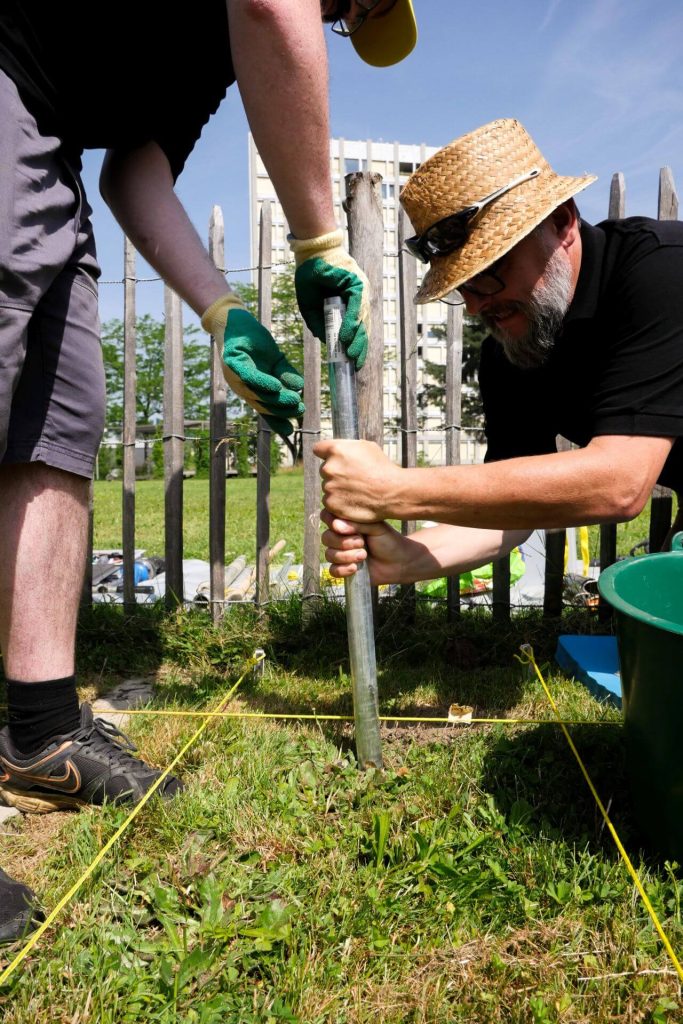
Alongside the mobile sensing, bulk density measurements and soil samples were taken to assist in calibrating and validating the sensor data. These samples will also contribute to the creation of a soil spectral library under Task 3.2, led by CZU, which aims to build reference datasets for contaminated soil analysis.

This campaign once again demonstrates the power of cross-border collaboration and interdisciplinary research. By bringing together cutting-edge tools and local expertise, WHEATWATCHER is helping create practical, scalable solutions that protect soil health and food quality—starting right from the ground up in Silesia.

Learn more about our pilot sites: wheatwatcher.eu/pilot-sites

CZU Begins Laboratory Analysis for WHEATWATCHER

CZU Begins Laboratory Analysis for WHEATWATCHER

As part of WHEATWATCHER’s commitment to improving soil health and crop safety across Europe, our project has now entered a key scientific phase: laboratory analysis of soil samples from our German pilot site in Demmin.

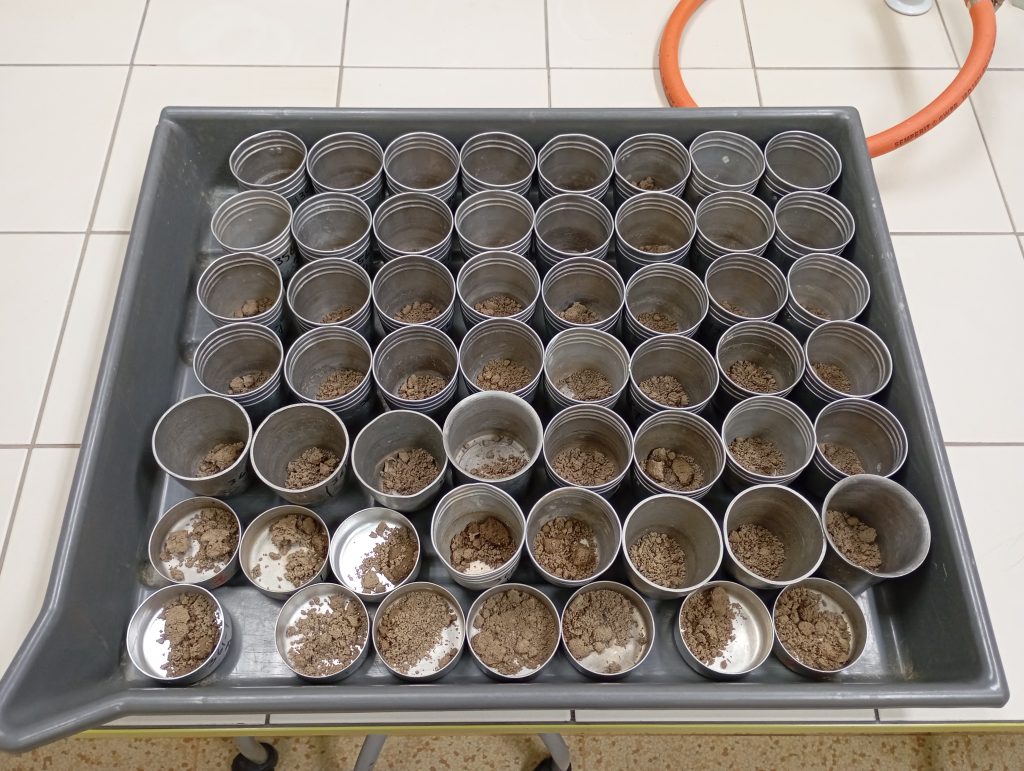
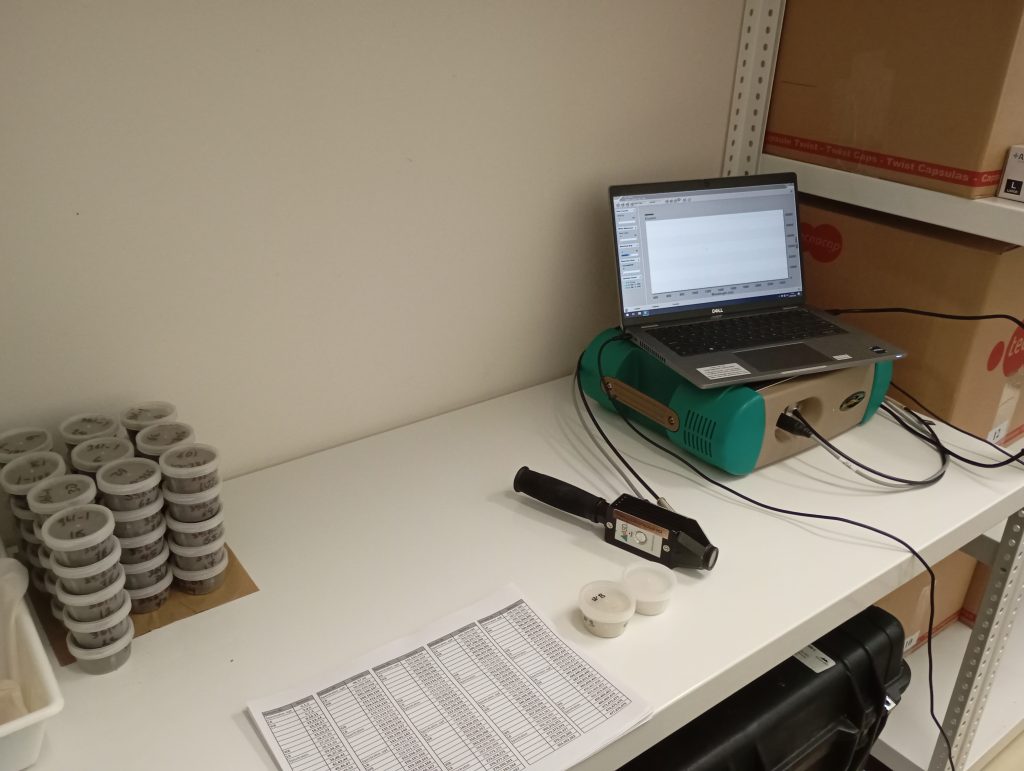
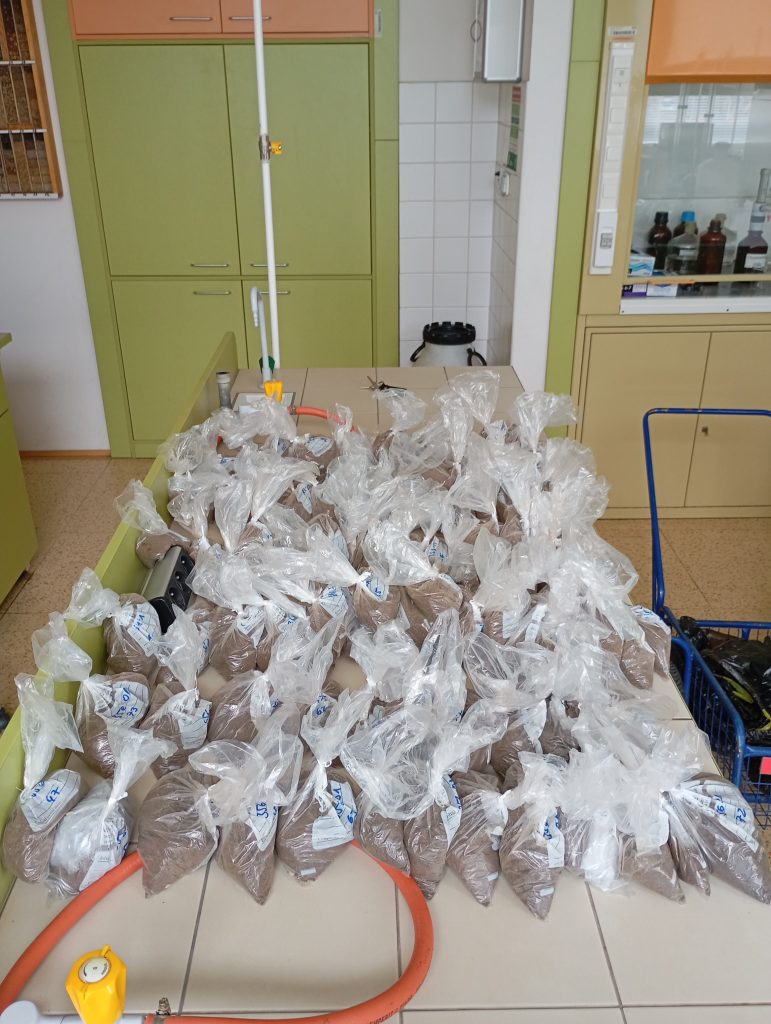
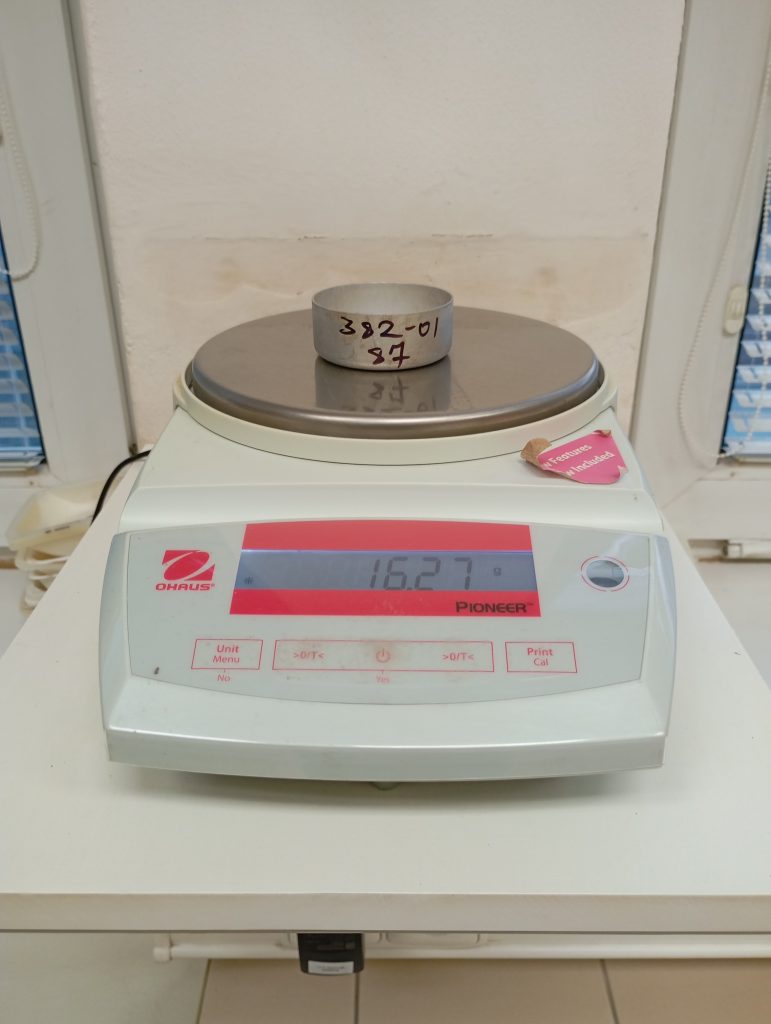
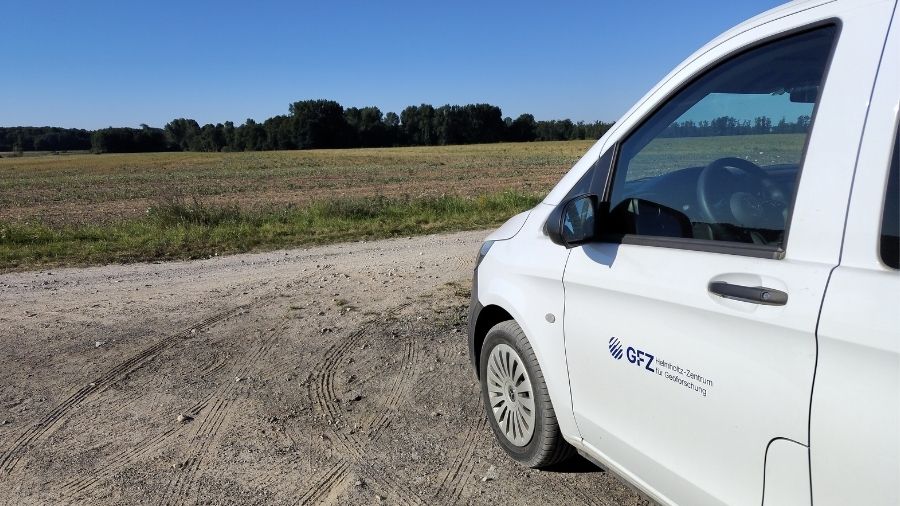
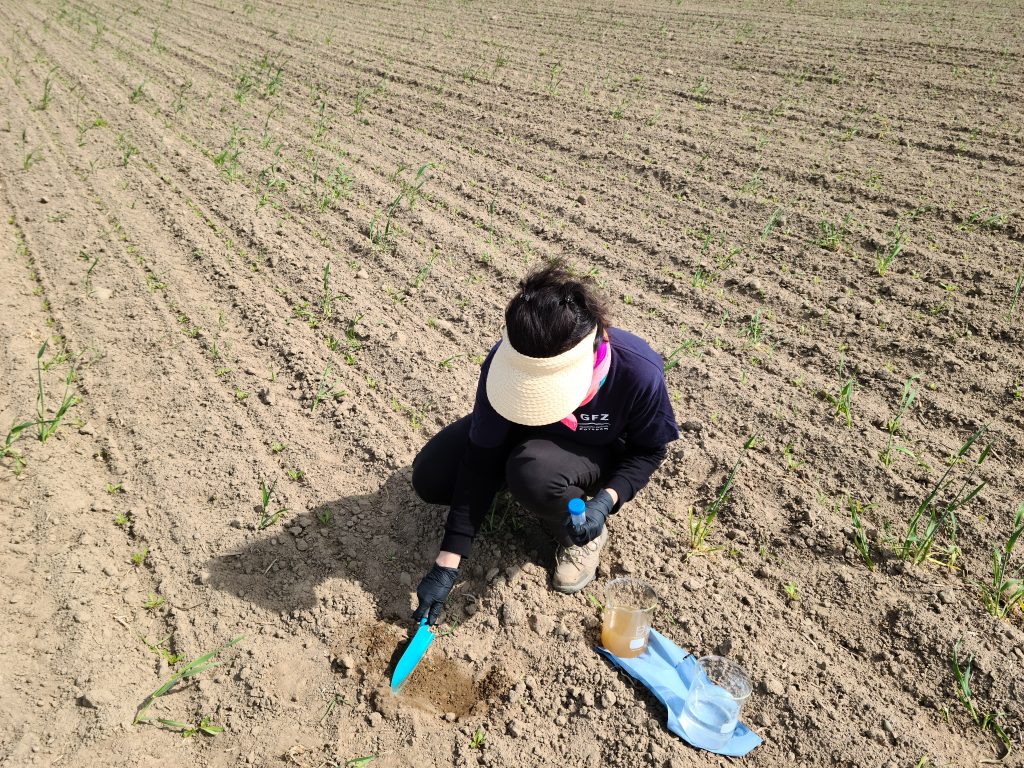
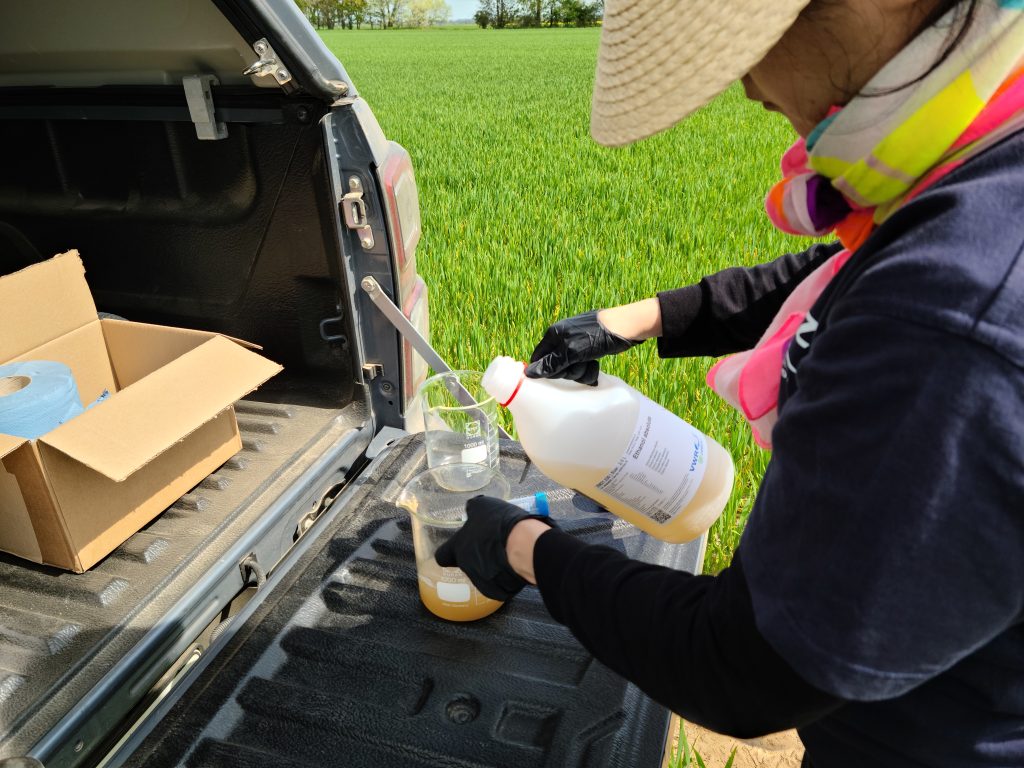
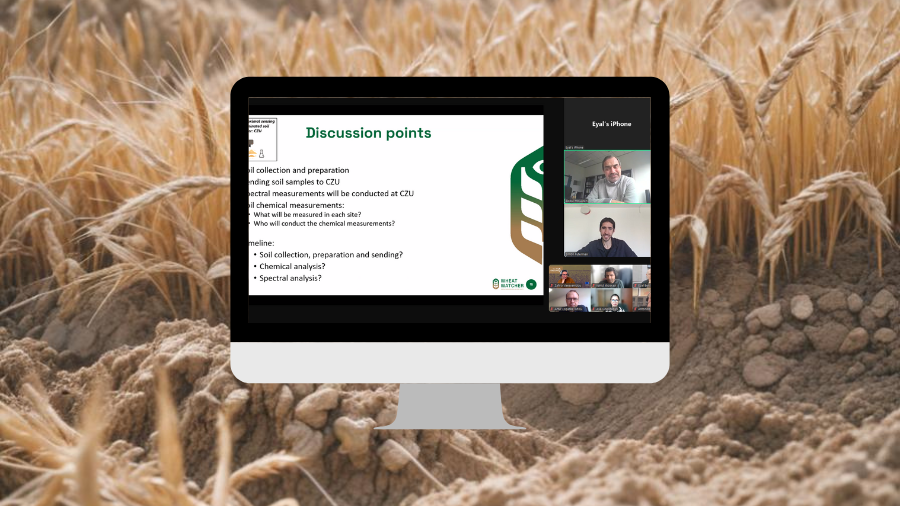
Earlier this year, the team at GFZ Helmholtz Centre for Geosciences conducted an extensive soil sampling campaign in fields around Demmin. These samples, now in the hands of our colleagues at the Czech University of Life Sciences Prague (CZU), are undergoing detailed laboratory testing as part of Task 3.2: Proximal sensing of contaminated soil.

The aim? 

To build a robust soil spectral library that supports real-time contamination detection, which is a crucial step for future precision agriculture.

Under the guidance of Dr. Asa Gholizadeh and the CZU team, the samples are being examined for contaminants such as:

  • TPH (Total Petroleum Hydrocarbons),
  • Cadmium (Cd),
  • Salinity, and
  • Sodium Chloride (NaCl).

Advanced laboratory instruments, including GC-MS (for hydrocarbons), ICP-MS (for heavy metals), and EC sensors (for salinity), are being used to analyze the samples. These results will feed into the creation of a spectral library using vis-NIR, MIR, and XRF sensing, helping the project model contaminant levels with high precision.

By combining field-collected samples with laboratory-grade analysis, WHEATWATCHER is closing the loop between remote sensing, real-world testing, and actionable data. These insights will feed directly into our decision support system, ensuring farmers can manage their soils more wisely and sustainably.

Soil sampling begins in Greece

Soil sampling begins in Greece

As part of WHEATWATCHER’s commitment to advancing sustainable agriculture across Europe, soil sampling has officially begun at our Greek pilot site in the Nestos river catchment, Eastern Macedonia and Thrace. This marks a major milestone in our mission to develop precision tools for healthier soils, optimized nutrient management, and safer food production.

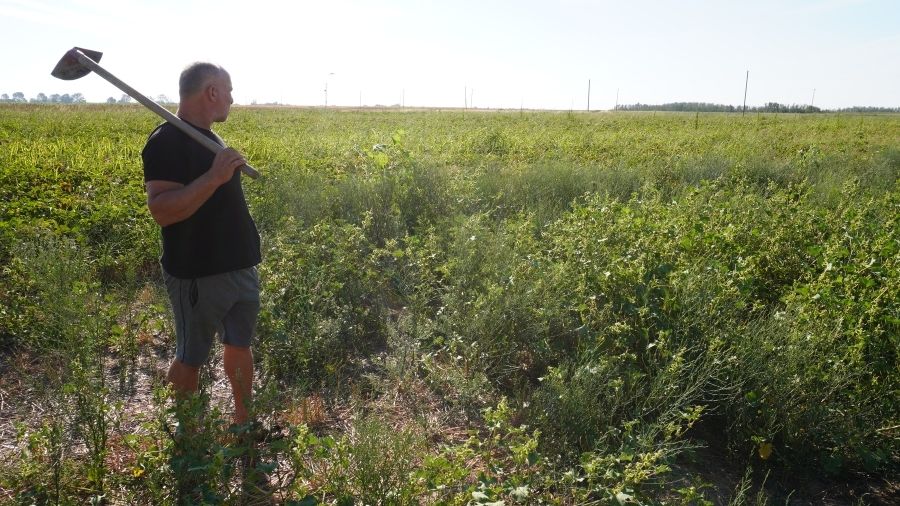
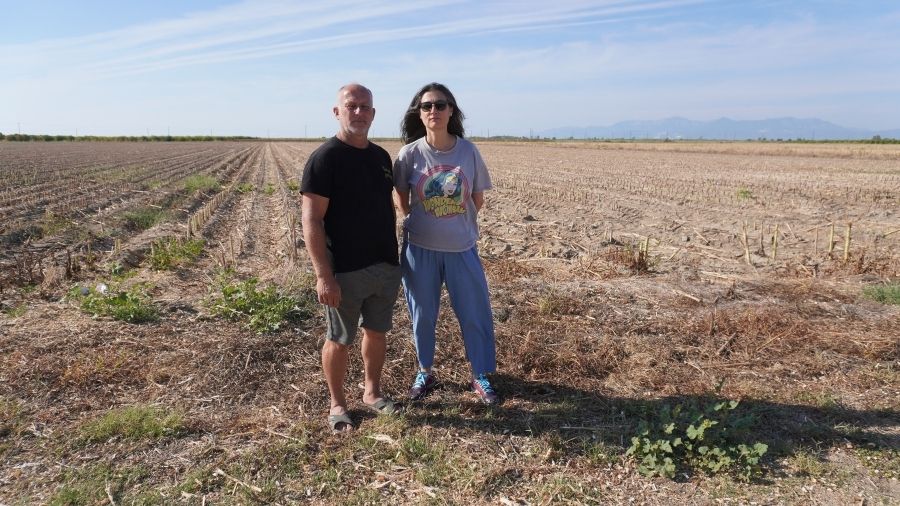
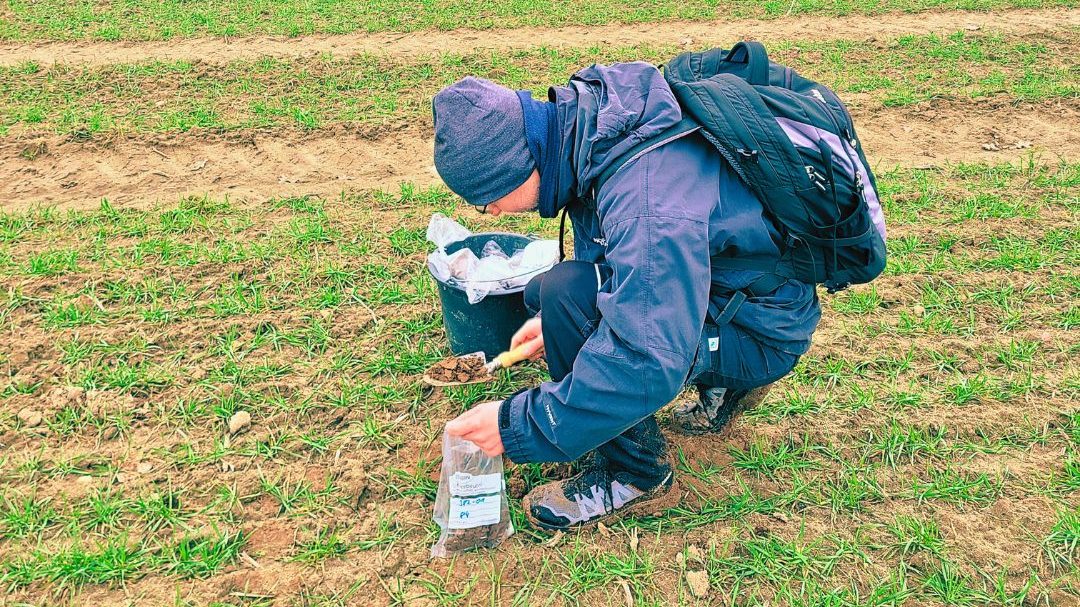
The pilot site is coordinated by ena Development Consultants and located near Maggana, a region well-known for its agricultural output. It is part of a conventional mixed cotton and wheat field managed by a local farmer. The field has been selected due to its high soil salinity, making it an ideal testbed for digital solutions.

In Greece, WHEATWATCHER is focusing on monitoring salinity stress, a critical problem for crop performance and long-term soil health.

The ena team, in collaboration with project partners, is currently carrying out:

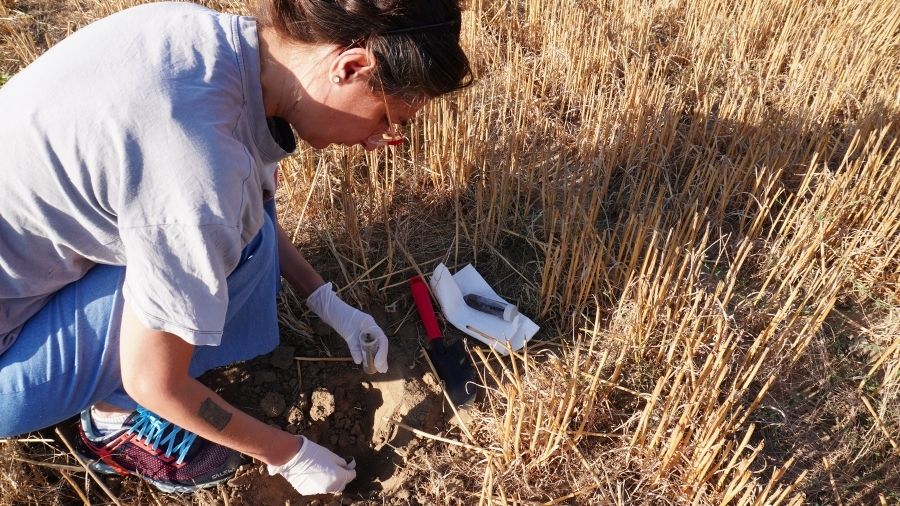
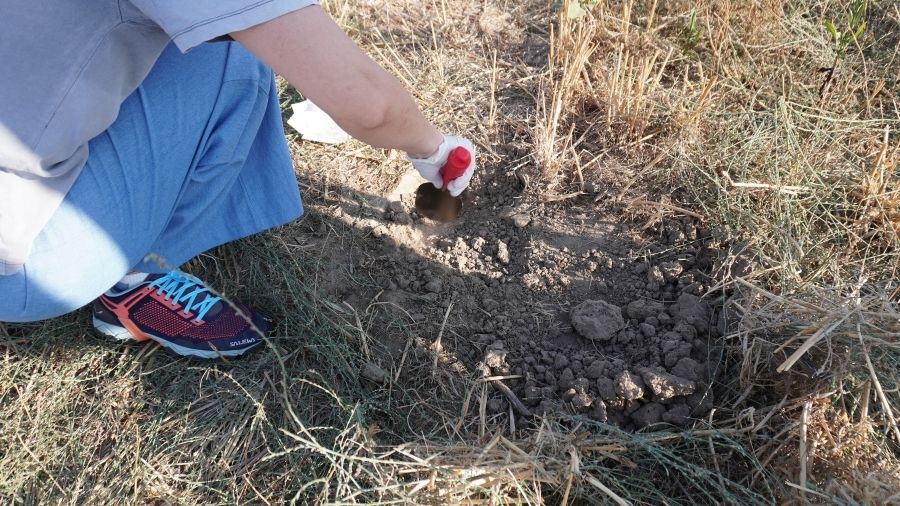
  • Soil sampling across multiple grid points to capture spatial variability
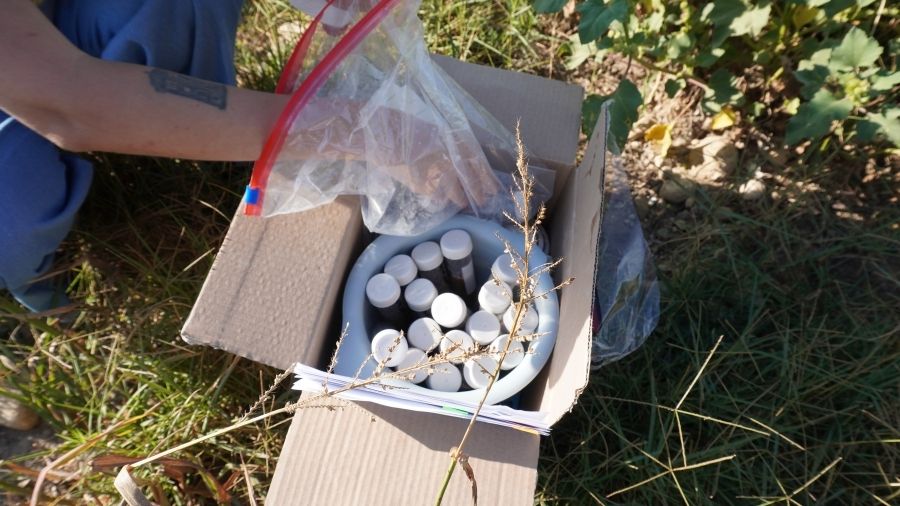
  • Collection of soil samples for microbiome and chemical analysis

These efforts support the broader goal of validating WHEATWATCHER’s stationary, mobile, and remote sensing technologies under real-world field conditions.

As the wheat grows, the Greek pilot will continue to contribute valuable insights into how digital tools can support climate-smart farming across Europe.

Stay tuned as the season unfolds and WHEATWATCHER’s innovations take root in the fields of Thrace.

Mobile sensing in action: Mapping soil health across the fields of Demmin

Mobile sensing in action: Mapping soil health across the fields of Demmin

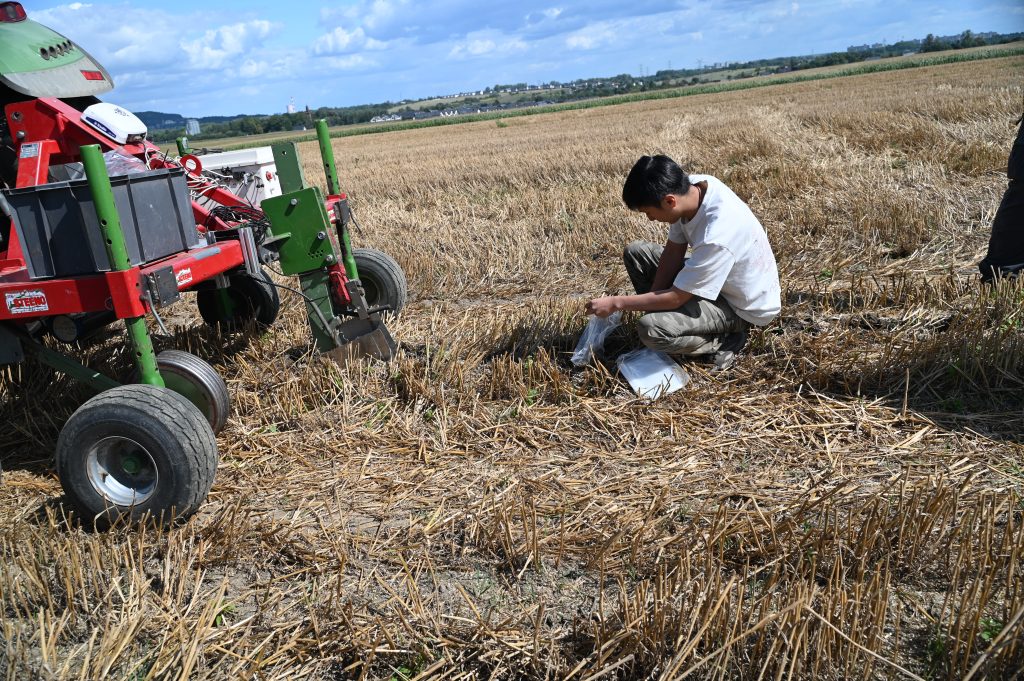
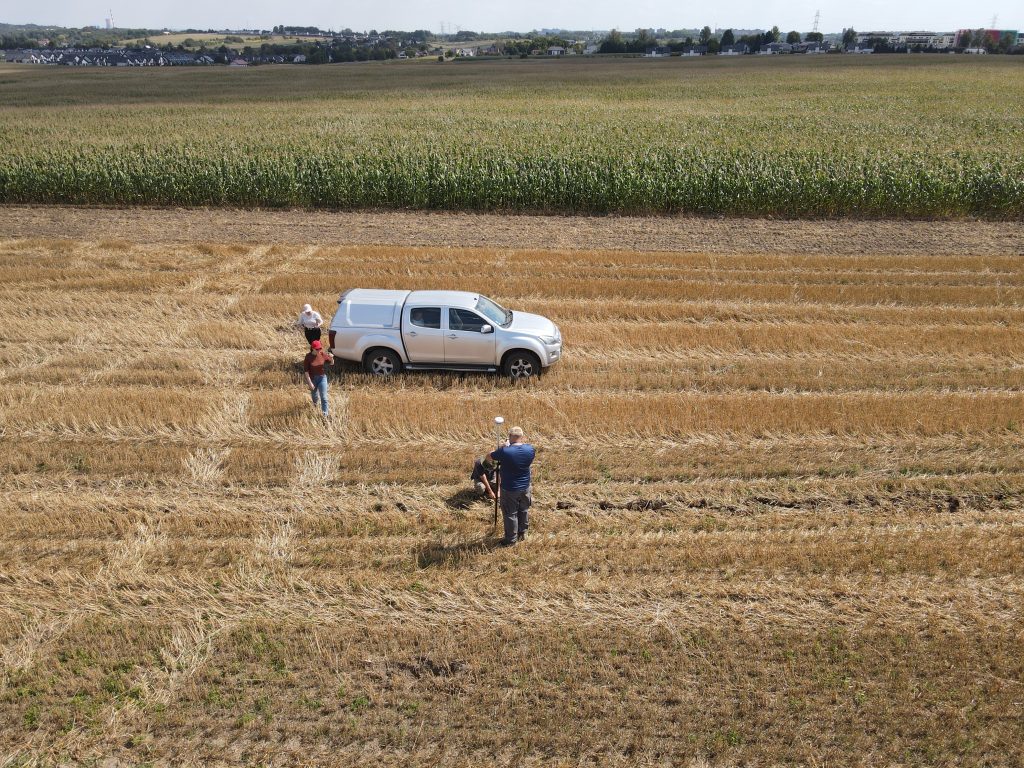
Earlier this summer, as part of the WHEATWATCHER project, our teams deployed one of the project’s key innovations: the mobile sensing platform developed by Ghent University. 

The location? Our German pilot site in Demmin, a region known for its extensive agricultural landscape and ideal conditions for large-scale field testing.

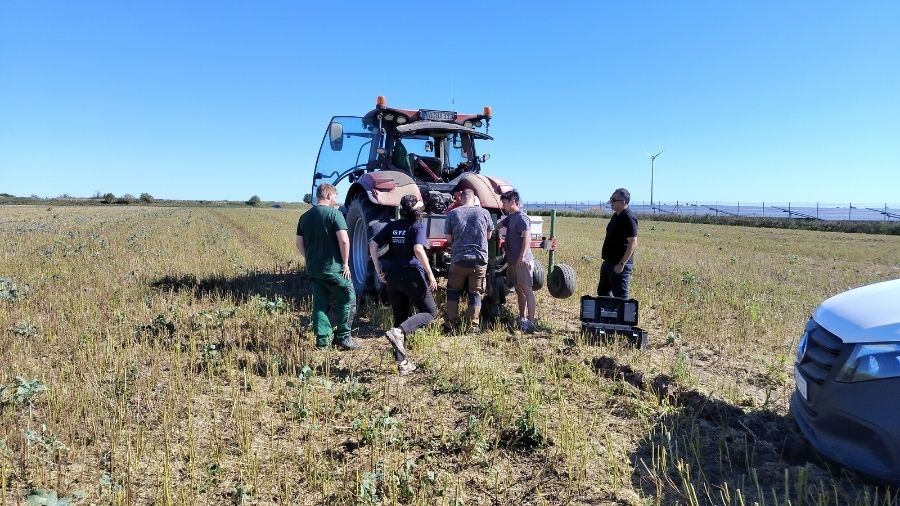
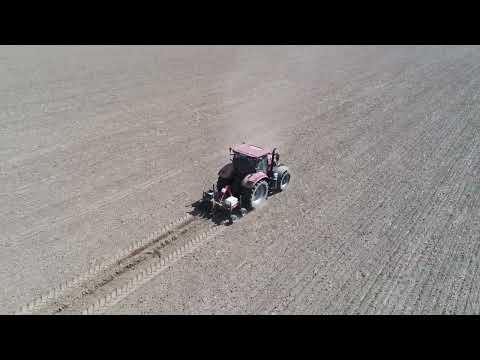
Over several days, our project’s scientific coordinator dr. Antonis Morellos and  dr. Yongjing Wang from the University of Ghent and the GFZ team, dr. Mehdi Saberioon  and Thomas Piernicke, collaborated closely to carry out a high-resolution soil sensing campaign. Mounted on a specially equipped vehicle, the mobile platform combined visible–near infrared (vis–NIR) spectroscopy and a gamma-ray sensor to scan and map key soil properties — in real time, while moving across the field.

This method allows us to detect changes in soil texture, nutrient availability, and potential contamination levels with remarkable spatial precision. In addition to the sensing runs, we collected bulk density measurements and soil samples at regular intervals. These data points will now be used to calibrate and validate the sensor outputs, ensuring the accuracy and scientific value of the generated maps.

The outcome? A robust, multi-layered dataset that not only enhances our understanding of soil variability but also demonstrates the power of real-time data collection to support smarter, more sustainable agricultural practices.

This campaign exemplifies how cutting-edge technology, when combined with traditional soil science and cross-border collaboration, can help farmers, researchers, and policymakers make better-informed decisions. As climate change and soil degradation continue to threaten food security, projects like WHEATWATCHER are working to develop practical tools that bridge the gap between research and real-world farming.

Stay tuned for more updates as we process the data and move one step closer to making precision soil monitoring the new standard in European agriculture.

Mobile sensing in action: Mapping soil health across the fields of Demmin
WHEATWATCHER & E-SPFdigit Joint Webinar - Webinar #1

WHEATWATCHER & E-SPFdigit Joint Webinar – Webinar #1

On July 15, 2025, the Horizon Europe Mission Soil sister projects, WHEATWATCHER and E-SPFdigit, came together for their first joint webinar!

With the theme “Digital innovations for soil and crop health,” the session attracted a diverse audience of researchers, agronomists, technology providers, and policymakers across Europe and beyond. The event offered a deep dive into how both projects are leveraging cutting-edge technologies to transform soil monitoring and promote sustainable agriculture.

Keynote Highlights

  • Prof. Abdul Mouazen, WHEATWATCHER Coordinator, presented how AI-powered sensing platforms and integrated data systems will help track contaminants and improve soil health across pilot sites in Europe.
  • Dr. Ria Pechlivani, Coordinator of E-SPFdigit, introduced their approach to real-time diagnostics of stress biomarkers in crops and soil through multi-sensing technologies.

The webinar not only presented the visions, tools, and goals of each project, but also emphasized collaboration across the Mission Soil community, setting the tone for future knowledge exchange and joint action.

Engaging Q&A: Turning questions into dialogue

The Q&A session that followed the presentations of the 2 coordinators, sparked meaningful discussion around the challenges and opportunities of digital innovation in agriculture. One of the central concerns raised was data ownership — specifically, who has access to the soil data collected from farmers’ fields. Prof. Mouazen emphasized the need for clear governance models that respect farmers’ rights while enabling scientific progress and policy development.

On the technical side, crop modeling emerged as a point of strong interest. Prof. Mouazen explained that crop modeling in WHEATWATCHER serves both to predict yields and estimate water demand, enabling informed decisions around input use and soil health management. He also noted that the choice of crop model was based on its compatibility with field-collected sensor data and its robustness under diverse environmental stressors.

The audience also raised critical questions about scaling up these innovations beyond pilot sites to broader EU-level soil monitoring frameworks. Both speakers recognized this challenge and pointed to the importance of aligning with policy efforts like LUCAS and collaborating with other initiatives, which share similar goals but approach them from different angles.

Finally, the discussion turned to dissemination strategies. Dr. Pechlivani underlined the importance of identifying the right stakeholders to engage — including regional actors, innovative farmers, agri-tech companies, and extension services — who can champion adoption on the ground. With limited project lifespans, both speakers emphasized that involving key economic actors early on is essential to delivering tangible impact in the field.

 Missed it or want to watch it again?
The full recording of the webinar is now available on YouTube.

This was just the beginning! The joint webinar series will continue with more sessions to follow — exploring data platforms, pilot site progress, policy connections, and more.

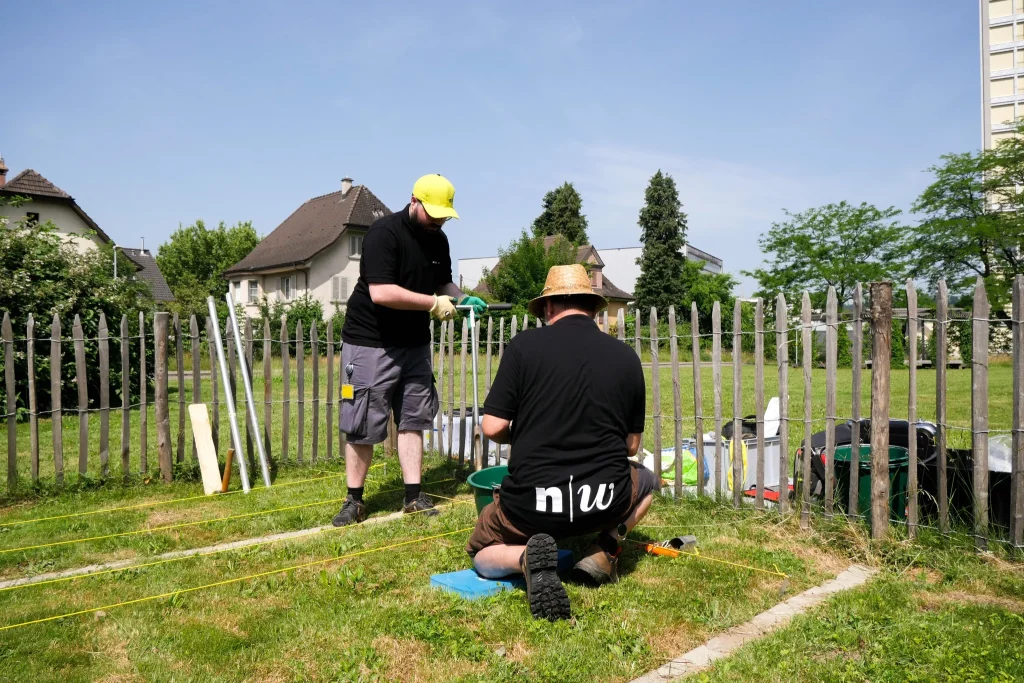
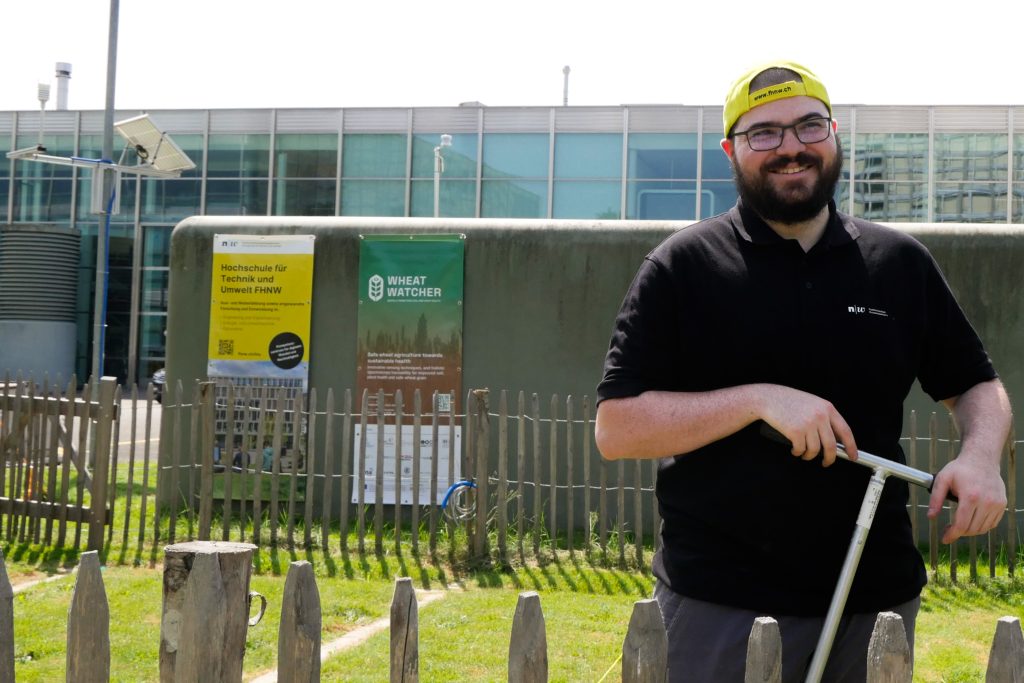
Precision for tomorrow: How FHNW’s sensor technology powers WHEATWATCHER

Precision for tomorrow: How FHNW’s sensor technology powers WHEATWATCHER

Wheat is Europe’s most widely cultivated cereal crop known for its adaptability to different climates and soils. But today, soils across Europe are under increasing stress from over-fertilization, chemical inputs, and environmental change. That’s where WHEATWATCHER steps in.

A research mission rooted in innovation

WHEATWATCHER is a Horizon Europe-funded project with a bold objective to understand how soil contaminants, both chemical and biological, affect wheat growth from seed to flour. Through an integrated monitoring approach, the project tracks everything from soil health to grain quality. The goal? To detect and prevent contamination early, ensuring safe food production and sustainable farming practices.

To achieve this, WHEATWATCHER  has established four pilot sites in Germany, Belgium, Poland, and Greece. At each site, advanced digital soil monitoring systems are being deployed to gather real-time data on soil conditions and environmental stressors.

Leading sensor work: The role of FHNW

As a key partner in the WHEATWATCHER project, the University of Applied Sciences and Arts Northwestern Switzerland (FHNW), and more specifically its Institute for Sensor Technology and Electronics, plays a central role in designing and implementing the project’s sensor-based monitoring systems.

FHNW is responsible for all stationary data acquisition from sensors installed in both soil and air. In parallel, the team is developing the cloud-based infrastructure that enables real-time data transmission and processing across the pilot sites. With expertise in embedded systems and IoT, FHNW ensures that sensor data is not only collected but seamlessly integrated into the project’s digital decision support tools.

Over the past five years, the FHNW team has built a precision sensor system specifically tailored to agricultural applications. These sensor networks are installed directly into the soil and the surrounding environment to measure:

  • Soil parameters: moisture, temperature, pH, salinity, and nutrients such as nitrogen, phosphorus, and potassium.
  • Atmospheric conditions: air temperature, humidity, wind speed, rainfall, and solar radiation.

Unlike broader area analyses, the FHNW system performs high-frequency, site-specific measurements, offering precise long-term monitoring of changes in the soil, such as moisture loss or nutrient fluctuations. This complements other technologies used within WHEATWATCHER that cover larger-scale monitoring.

A living laboratory in Switzerland

To fine-tune the system, the FHNW team is using its Innovation Garden in Windisch, Switzerland, as a live testing ground. This outdoor lab allows researchers to experiment with various sensor types and calibration methods before rolling them out to the pilot sites.

Simultaneously, the team is developing a sophisticated cloud-based Data Warehouse that collects all field measurements wirelessly. These datasets will support predictive analytics and contribute to real-time decision-making tools within the project.

By autumn 2026, all stations are expected to be fully operational across the pilot countries, helping translate raw data into meaningful insights for farmers, millers, and policymakers alike.

FHNW sensor technology for more sustainable agriculture

In collaboration with institutions like FiBL (Frick), Agroscope (Wädenswil), and the Ebenrain Centre for Agriculture, Nature and Nutrition (Sissach), FHNW is also contributing to optimized irrigation in cherry orchards and sustainable soil management in organic farming.

These initiatives underscore FHNW’s commitment to creating scalable, real-world solutions that bridge cutting-edge science with practical agriculture.

WEBINAR #1 E-SPF DIGIT

Upcoming webinar:  Introducing WHEATWATCHER & E-SPFdigit : Digital innovations for soil and crop health

Join us on 15 July 2025 for the launch of the WHEATWATCHER & E-SPFdigit webinar series — an exciting collaboration between two Horizon Europe projects working at the forefront of digital innovation in sustainable agriculture.

This first webinar will present how both projects are developing advanced sensing technologies, AI models, and decision-support systems to monitor, manage and protect soil health and food quality in real-time.

About the projects

WHEATWATCHER focuses on intelligent, real-time monitoring of wheat and soil conditions to enable data-driven decision-making in wheat production.

E-SPFdigit brings to the field novel on-site digital tools and sensors for detecting chemical and biological contaminants in soil and crops, including PFAS, pesticides, and heavy metals.

Together, the projects aim to advance Mission Soil goals by empowering farmers, researchers, and policy makers with cutting-edge tools to enhance resilience, productivity and sustainability in agriculture.

Event details

  • Date: Tuesday, 15 July 2025
  • Time: 11:00–12:00 CET
  • Location: Online (Zoom)

Free registration

Featured speakers

  • Prof. Abdul M. Mouazen, Ghent University, a leading expert in proximal soil sensing and digital farming and coordinator of WHEATWATCHER.
  • Ria Pechlivani, Principal Researcher at CERTH/ITI and coordinator of the E-SPFdigit project, specialising in additive manufacturing, smart systems, sensor technologies, and digital solutions for sustainable agriculture.

The session will be recorded and made available on our project websites and YouTube channels.

Don’t miss this opportunity to learn, engage, and connect with the digital future of soil health!

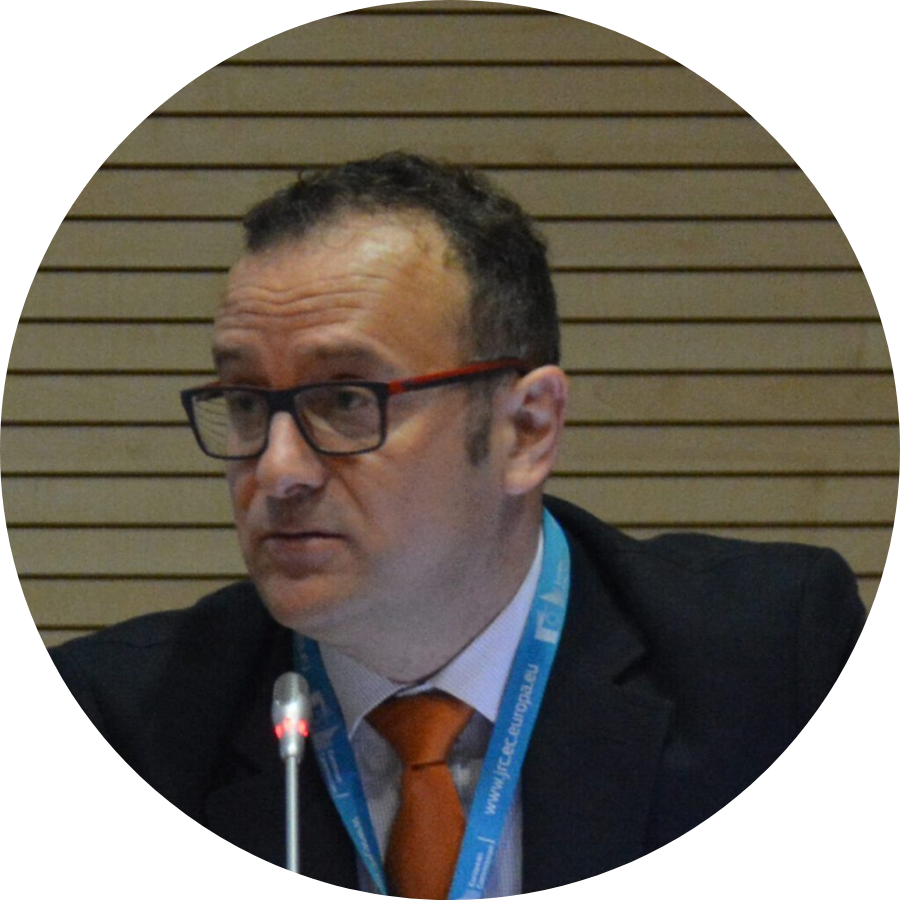
INTERVIEW: Dr. Panos Panagos, Scientific / Research Officer – Project Leader of the EU Soil Observatory

Dr. Panos Panagos, Scientific / Research Officer – Project Leader of the EU Soil Observatory, brings to WHEATWATCHER a wealth of knowledge in soil science, data management, and European policy. In this exclusive interview, he shares his insights on the future of digital soil monitoring, the challenges of translating data into action, and the innovations set to reshape the soil and agriculture landscape over the next decade.

Mr Panagos, the European Soil Data Centre and EU Soil Observatory work has contributed very much to monitoring soil health and relevant policy. How do you see the progress of integrated digital monitoring systems, like those to be developed in WHEATWATCHER, in supporting soil health management and the Soil Mission’s goals?

Dr. Panos Panagos: For me, integrated digital soil monitoring systems should include innovative, advanced technological solutions that collect a vast amount of data in the field, make them available to machine learning tools, and translate them into actionable insights for farmers and landowners. Currently, there are some applications of such digital tools, but we lack a scale-up to massive applications. In practice, we can see tools being applied to specific fields, such as those cultivating maize in Belgium, and for specific practices (e.g., fertilization). We need these tools to be transferable to other regions and applications, and not restricted to certain areas. Additionally, within the Soil Mission, it is foreseen that new, innovative methods and data streams will change the paradigm of soil monitoring from the classical approach (e.g., soil surveys) to new, innovative forms of monitoring, such as precision agriculture, spectral applications, Hyperspectral and Multispectral Remote, and remote sensing applications. I am expecting that Soil Mission projects as WHEATWATCHER will have an impact and will make a change in increasing also the competitiveness of EU Agriculture. The cost barriers for farmers and landowners should be overcome.

The EU Soil Observatory provides both reference data and knowledge at EU-level for all matters relating to soil. What are the biggest challenges in translating complex data into actionable insights for farmers and policy makers?

Dr. Panos Panagos: The EU Soil Observatory is the reference point for data and knowledge on soil-related topics at the European scale. However, data in itself needs to have additional value and be translated into knowledge. Within the Soil Mission, knowledge management from data is one of the priorities. As a first step, we need more scientific insights, such as peer-reviewed research, that can translate data into knowledge. As a second step, we need a dissemination mechanism that can propagate this scientific knowledge into actions and make it accessible to various stakeholders, including farmers, landowners, private companies, and policymakers. The biggest challenge in translating data into actions at the EU scale is the huge variety of pedoclimatic conditions across the EU, which means that one solution does not fit all. Furthermore, the adoption of management practices depends heavily on traditional attitudes among farmers. Effective communication is also crucial in translating knowledge into actions. In all Soil Mission projects, there is a dedicated communication team expected to reach different stakeholders using innovative methods and maximize the outputs. However, we lack a large-scale movement, similar to “Save Soil”, that can have a significant impact and drive real change in the adoption of solutions.

With several hundreds peer-reviewed publications and recognition as a JRC officer and highly cited researcher, what key advances in soil data science or monitoring technologies excite you mostly for the next 5–10 years?

Dr. Panos Panagos: A primary challenge is the integration of soil data with other disciplines, such as climate change, food security, human health, hydrology, and water resilience. As soil is a transversal component that provides numerous ecosystem services, we also need to make soil science a discipline that is better connected to all major global challenges. A key aspect over the next 5-10 years is ensuring open access to data for all scientists. A second challenge is the development of innovative monitoring techniques that go beyond traditional methods and produce a vast amount of data and knowledge at all scales. A third challenge is the successful implementation of Living Labs, which will provide practical solutions on the ground that can be widely adopted at all scales. Finally, I also expect that modeling will advance in understanding and better simulating Soil-Plant-Climate interactions. In addition to these four challenges, I foresee significant advances driven by technological innovations. For example, the application of Machine Learning and Artificial Intelligence (AI) is likely to revolutionize soil monitoring and improve soil health. The Digital Soil Mapping revolutionized traditional mapping methods 20 years ago, and I expect an order of magnitude change from AI compared to Digital Soil Mapping, leading to even more significant breakthroughs in the field.

Stay tuned to WHEATWATCHER for more insights, interviews, and innovations as we work toward healthier soils and a more sustainable agricultural future.

mission soil manifesto

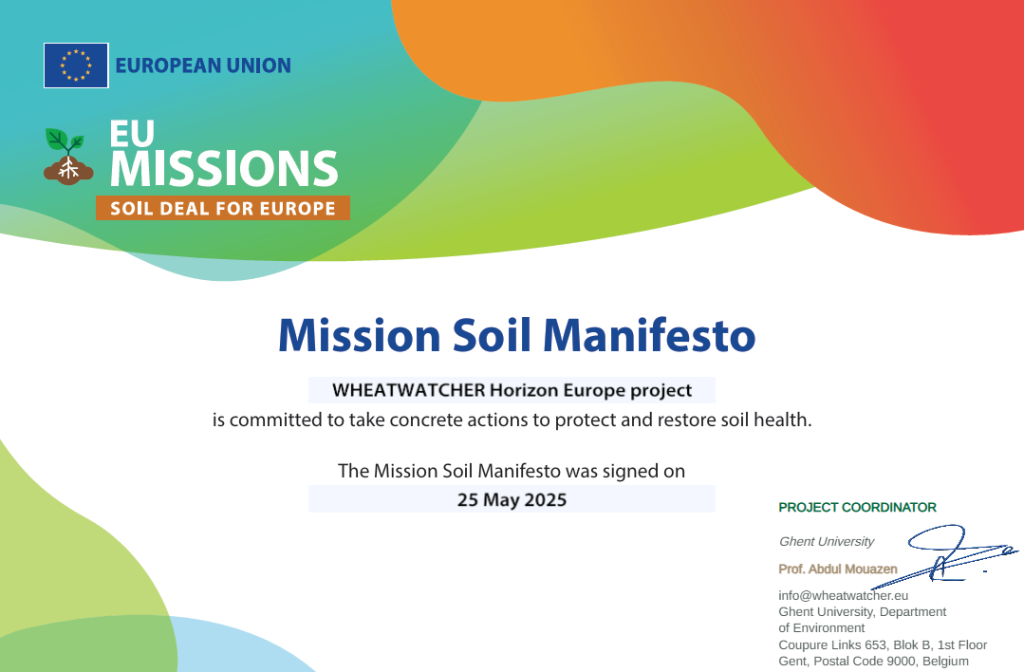
WHEATWATCHER signs the Mission Soil Manifesto

We are proud to announce that WHEATWATCHER has officially signed the Mission Soil Manifesto, becoming part of a growing European movement dedicated to protecting and restoring soil health.

Why it matters
Soils are at the heart of sustainable food systems, environmental resilience, and human wellbeing. Yet, over 60% of soils in the EU are currently in an unhealthy state. Recognizing this, the European Commission launched the Mission ‘A Soil Deal for Europe’ to rally efforts across regions, sectors, and disciplines to safeguard and regenerate our soils.

What does signing the Manifesto mean for WHEATWATCHER?
By signing, WHEATWATCHER:

  • Affirms its commitment to soil health, sustainability, and food safety
  • Joins a dynamic European community working towards shared soil goals
  • Supports the Mission’s 8 objectives, from improving soil biodiversity to enhancing soil literacy
  • Contributes actively to Mission activities through innovative monitoring tools, living labs, stakeholder engagement, and more

Through our cutting-edge research and digital soil monitoring tools, WHEATWATCHER tackles key soil challenges including contamination, nutrient degradation, and erosion. Our mission aligns seamlessly with the Manifesto’s call to action.

Our commitment in action
As part of the Horizon Europe programme, WHEATWATCHER is developing integrated technologies to monitor soil nutrients and chemical and biological stressors, using real-time sensors, machine learning, and automated traceability systems. We are already working with pilot sites in Belgium, Greece, Poland, Germany, and farm-level demonstrators in Estonia and Latvia.

“Signing the Soil Manifesto reinforces our dedication to building smarter, safer and more sustainable agri-food systems across Europe.”
–  Zafeiro Vaxevanidou, WHEATWATCHER Dissemination & Communication Lead

Learn more about the Mission here:

Sampling underway at the Demmin pilot site in Germany

Sampling underway at the Demmin pilot site in Germany

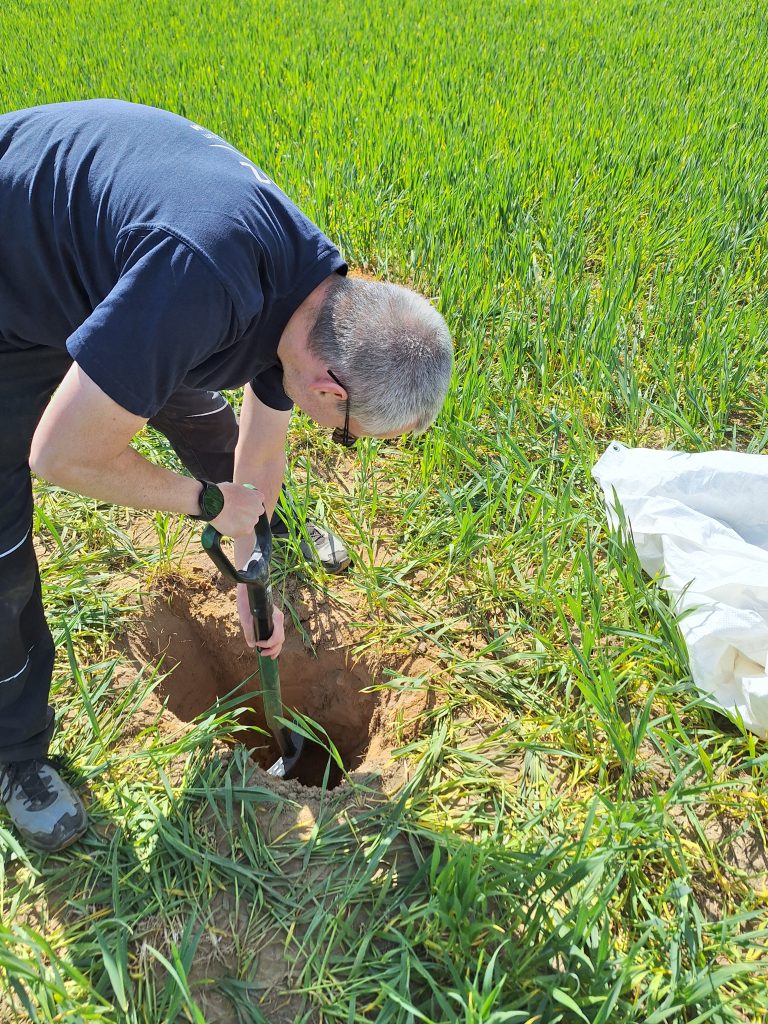
As part of WHEATWATCHER’s mission to enhance soil and crop health across Europe, our pilot site in Demmin, Germany has entered the sampling phase. This critical step supports the development of precision tools for smart soil management and safe food production.

About the Site
The pilot is hosted at a large-scale, conventionally managed farm located in Bentin, Mecklenburg-Vorpommern. The farm spans over 1,700 hectares of arable land and operates 78 fields under cereal-focused crop rotation. Major crops include wheat, barley, rapeseed, beet, potatoes, lupin, and rye—with wheat covering 501 hectares and producing an average yield of 6.5 tonnes per hectare.

What we’re doing
At the Demmin pilot site, WHEATWATCHER is focusing on monitoring soil nutrients and micro-nutrients, with a specific emphasis on nitrogen—a key element for crop performance and environmental impact.

“GFZ Helmholtz Centre for Geosciences” team is deploying:

  • Stationary sensing platforms to monitor soil parameters like moisture, pH, nitrate levels, and temperature
  • Mobile platforms for soil and crop sampling, coupled with advanced sensors
  • Remote sensing tools to capture aerial and satellite-based imagery of field dynamics

The sampling process includes:

  • Collecting soil samples for microbiome analysis
  • Gathering samples for spectral data acquisition to contribute to the development of a spectral library for contaminated soils

What’s next
As the growing season progresses, the Demmin pilot will help validate WHEATWATCHER’s tools in a real-world setting. The insights will shape robust, scalable models for sustainable wheat production across Europe.

Tracking wheat growth under stress: Inside WHEATWATCHER’s glasshouse study

Tracking wheat growth under stress: Inside WHEATWATCHER’s glasshouse study

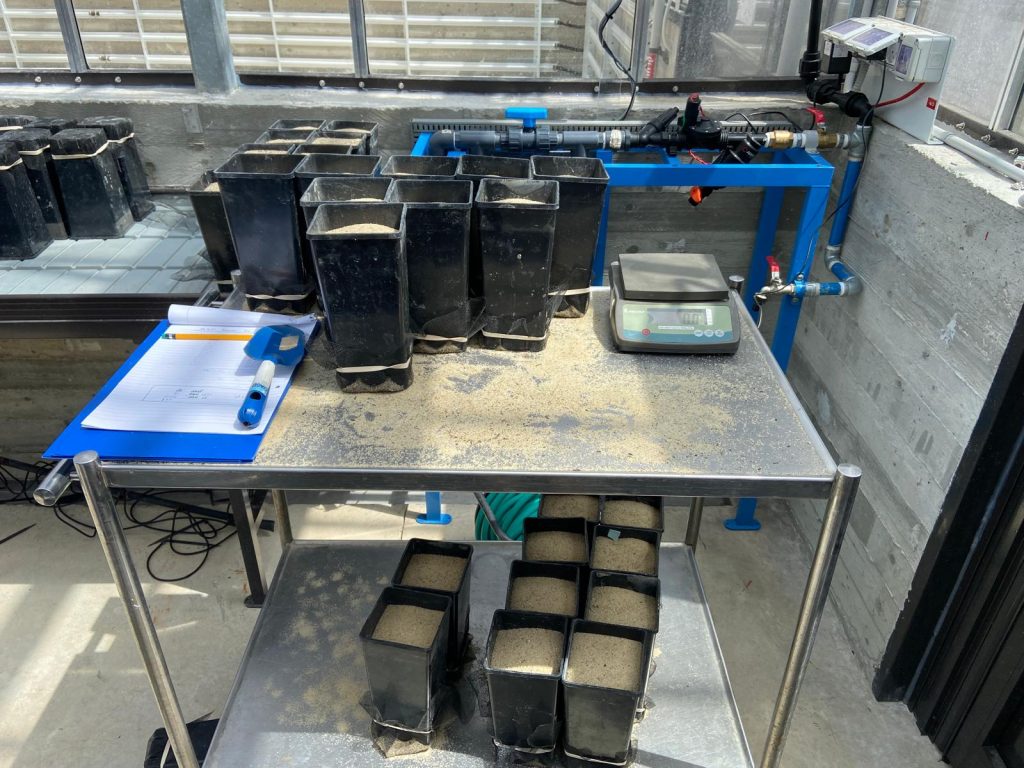
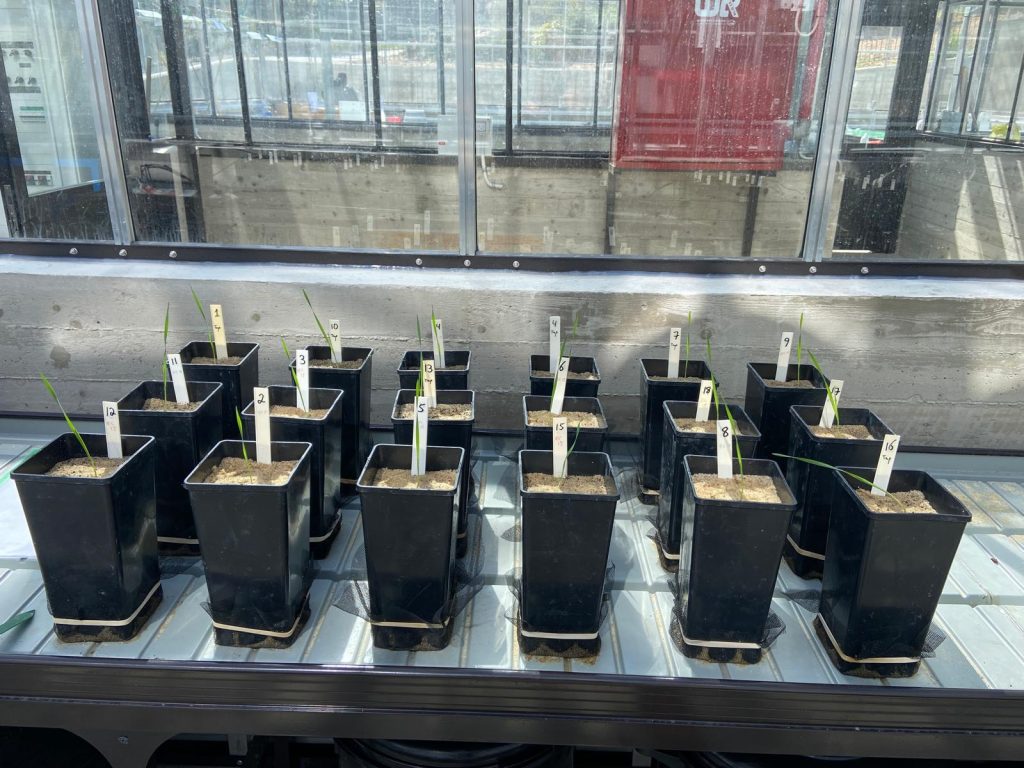
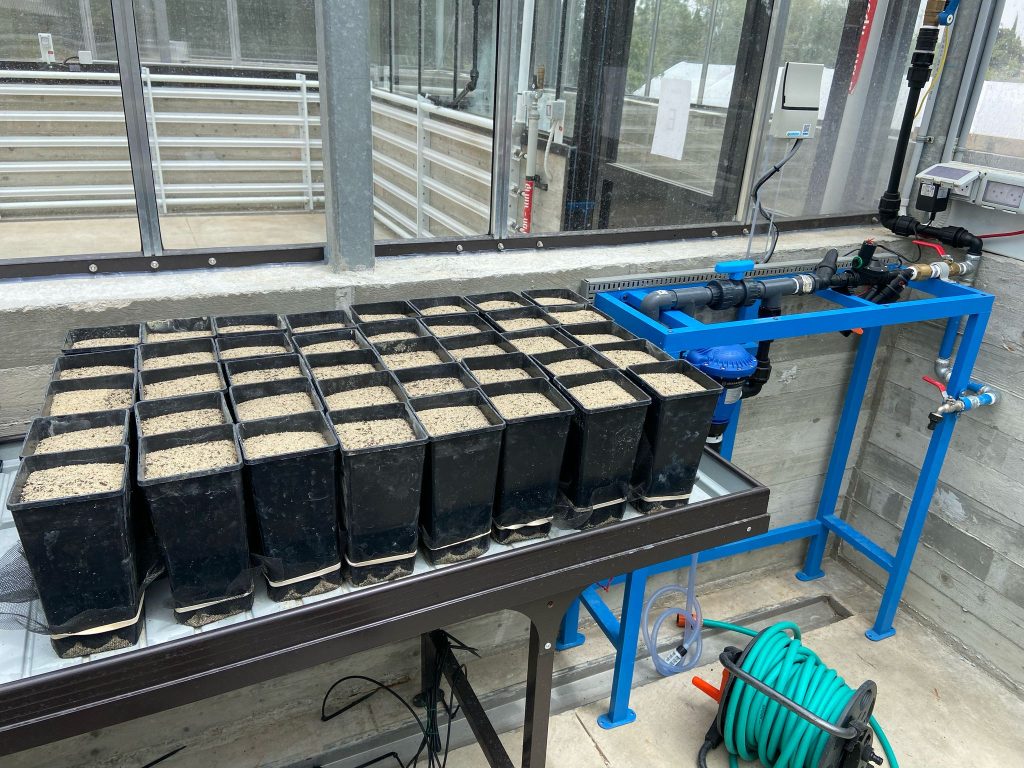
In the heart of Tel Aviv University’s research glasshouse, a key experiment is unfolding as part of Task 3.1 of the WHEATWATCHER project. This controlled case study is designed to monitor wheat growth over multiple growing seasons under carefully defined conditions — focusing specifically on the effects of soil contaminants such as salinity (NaCl), cadmium (Cd), and total petroleum hydrocarbons (TPH).

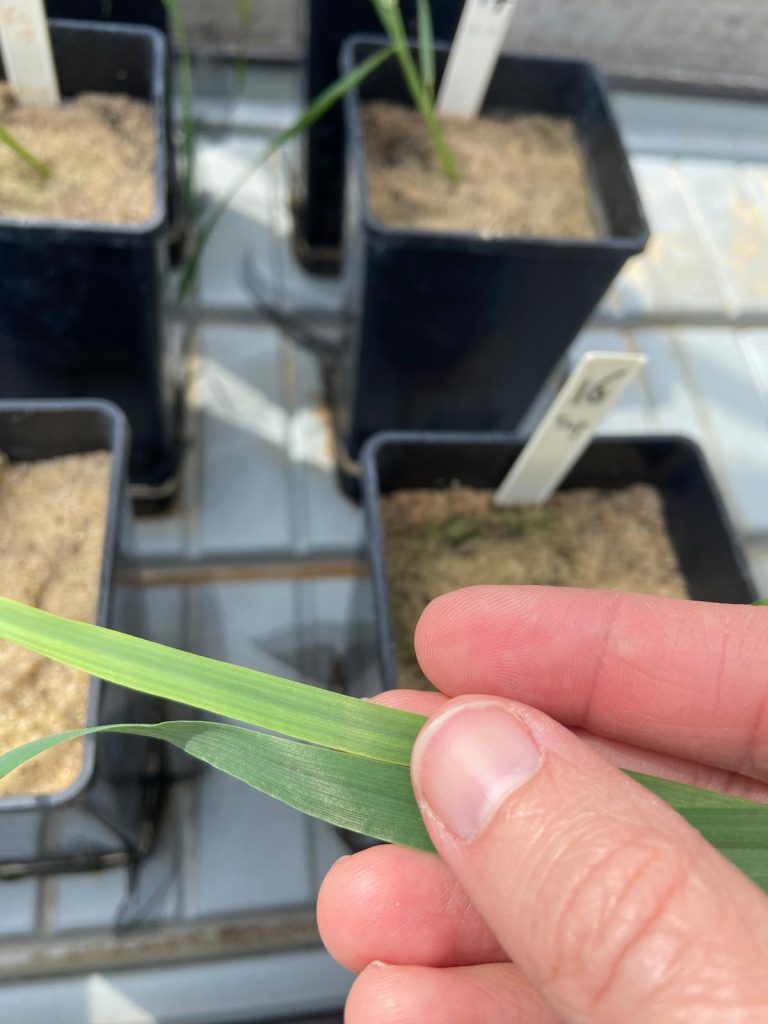
Between February and April 2025, the research team conducted a preliminary experiment to test the impact of three salinity treatments on wheat development. Wheat was cultivated in pots filled with sterilised inert soil, each treated with different salinity levels. The early results were visibly striking: as salinity increased, the wheat showed classic signs of stress — yellowing leaves and reduced growth, confirming the anticipated physiological response.

These findings lay the groundwork for the full-scale experiment, which will apply a randomised block design using soils of three different textures (light, medium, and heavy). Each soil group will be subjected to low and high contamination levels alongside control samples, all under optimal water and nutrient conditions. Data collected from this study will feed into WHEATWATCHER’s broader work on plant response modelling and sensor calibration.

By simulating soil contamination scenarios under controlled conditions, this task helps build the scientific basis for real-world monitoring tools. The outcomes will support the development of robust indicators of plant health and stress, which will be integrated into WHEATWATCHER’s sensor platforms and decision support tools — ultimately contributing to more resilient and sustainable wheat production systems.

WHEATWATCHER at Estonia’s largest agricultural fair

WHEATWATCHER at Estonia’s largest agricultural fair

From 24 to 26 April 2025, the Soil Innovation Cluster proudly represented the WHEATWATCHER project at Maamess, Estonia’s largest agricultural fair, held in Tartu. With over 40,000 visitors and 450 participants from 9 countries—including farmers, agri-businesses, cooperatives, and research institutions—the event was a vibrant hub of innovation and collaboration across the agri-food value chain.

At the WHEATWATCHER booth, visitors learned about the project’s mission to advance soil and crop monitoring and to develop a digital food traceability system that tracks wheat from the field all the way to the consumer. Through engaging conversations and an interactive questionnaire, farmers shared their interest in technologies that can help them monitor contaminants in their soil and adopt traceable, transparent food systems.

The response was clear: there is growing awareness and demand among agricultural stakeholders for smart tools that ensure food safety and quality.

Powered by digital sensors, remote monitoring, and machine learning, WHEATWATCHER is building the tools that make it possible to detect and manage contaminants at every stage of the wheat value chain—from soil to bread, pasta, and beyond.

Events like Maamess are crucial for connecting with those who will ultimately apply our tools in the field. We thank all the curious and passionate attendees who stopped by to share their insights, ideas, and questions.

Learn more about the Maamess fair: https://tartunaitused.ee/event-calendar/maamess

Join CRA-W’s Annual Vibrational Spectroscopy & Chemometrics Training

Are you working in the agri-food, soil or environmental sciences and looking to deepen your understanding of spectroscopy and chemometrics? Don’t miss the opportunity to learn from some of Europe’s most esteemed experts in the field.

From 29 September to 3 October 2025, the Walloon Agricultural Research Center (CRA-W), a partner in the Horizon Europe WHEATWATCHER project, is organizing its renowned XVII Vibrational Spectroscopy and Chemometrics Training Course in Gembloux, Belgium.

Designed for scientists and industry professionals, this course blends theoretical insights and hands-on training, offering a deep dive into:

  • Near-infrared (NIR), mid-infrared (MIR), and Raman spectroscopy
  • Chemometric techniques such as PCA, PLS, SVM, and local modeling approaches
  • Real-life case studies involving plant, feed, and food products
  • Predictive model development using real datasets
  • Specialized software training for spectral data analysis

Participants will also explore advanced spectroscopic instruments—from benchtop to handheld systems—and engage directly with leading academics and professionals in the field. Invited speakers include experts from University College London, KU Leuven, and Mining4Quality.

  • Course Fee: €2,500 (with a 50% discount for students)
  • Location: CRA-W, Gembloux, Belgium
  • Dates: Monday 29 September PM to Friday 3 October AM
  • Includes training material, coffee breaks, lunch, and a social event!

If you are a researcher aiming to integrate chemometrics into your data workflow, this is a not-to-miss event.

🔗 Register here
📧 Contact: f.stevens@cra.wallonie.be
🌐 More info: www.cra.wallonie.be

abdul interview

Interview with our project coordinator, professor Abdul Mouazen

In an exclusive interview with Mrs Zafeiro Vaxevanidou, Communication Manager of ena Development Consultants, Professor Abdul Mouazen, shared valuable insights into the project’s goals, technological breakthroughs, and its broader impact on sustainable agriculture.

What inspired the idea of the WHEATWATCHER project?

Prof. Abdul Mouazen: The project was born out of a growing concern about the overuse of agrochemicals—fertilizers, pesticides, and manure—across Europe. Many farmers believe that more input guarantees higher yield, but this often leads to contamination of soil and crops. These contaminants negatively affect soil health, crop yield, human and animal health, and contribute to greenhouse gas emissions.

WHEATWATCHER aims to address these challenges by developing and implementing an integrated soil monitoring system that assesses soil nutrient status and identifies chemical and biological stressors from field to post-harvest. Our ultimate goal is to provide a decision-making tool for farmers, mill owners, and policymakers to ensure safe and sustainable food production.

What makes WHEATWATCHER’s technological approach innovative compared to traditional soil monitoring methods?

Prof. Abdul Mouazen: Traditional laboratory methods for soil testing are slow, expensive, and environmentally taxing due to chemical use and disposal. They only allow for limited sampling, which doesn’t reflect the spatial variability of contaminants across fields.

WHEATWATCHER introduces a revolutionary approach that combines proximal and remote sensing technologies with machine learning and deep learning algorithms. This combination allows us to collect high-resolution, spatially accurate data. Farmers and stakeholders will be empowered to make precision decisions based on real, comprehensive data.

By knowing exactly where contaminants are—before and after harvest—we can remove them more effectively, prevent their spread, and categorize yields for different uses, such as food, livestock, or even energy production.

What impact do you hope the WHEATWATCHER project will have?

Prof. Abdul Mouazen: The impact of WHEATWATCHER is threefold:

  1. Economic Impact – Farmers will optimize agrochemical use by applying only what is needed and where it is needed, reducing costs and possibly increasing yields.
  2. Environmental Impact – Precision application reduces nutrient leaching, water contamination, and greenhouse gas emissions.
  3. Social Impact – By controlling contaminants like heavy metals in grains, we enhance food safety and public health.

Overall, we aim to deliver monitoring platforms that support sustainable agricultural practices and reduce soil contamination.

If you could describe WHEATWATCHER in three words, what would they be?

Prof. Abdul Mouazen: Monitor. Soil. Wheat.

Watch the series in You Tube:

Stay tuned to WHEATWATCHER for more insights, interviews, and innovations as we work toward healthier soils and a more sustainable agricultural future.

WHEATWATCHER partners meet to drive soil Innovation forward

On April 10, 2025, the WHEATWATCHER consortium came together for its second general assembly, hosted online and coordinated by Ghent University. Representatives from all Work Packages shared updates, discussed inter-WP collaboration, and mapped out the next critical steps as the project advances into its first major testing phase.

The morning sessions focused on management, data management, and progress in the core technical WPs. WP2 presented the latest developments in sensor platform deployment, while WP3 shared promising results from the glasshouse trials, including microbiome analysis and soil spectral libraries. WP4’s update emphasized the construction of the data cube infrastructure and its role in integrating diverse datasets from the project’s sensor and modelling efforts.

In the afternoon session, WP5 demonstrated early progress on the decision support system for soil and crop management, while WP6 detailed the rollout of pilot sites across Europe — including soil scanning campaigns, risk mitigation planning, and stakeholder engagement strategies. WP7 showcased their work on defining food quality and safety indicators, laying the foundation for a full traceability system. WP8 concluded the day with a comprehensive communication and dissemination report, highlighting outreach milestones such as the website launch, newsletter, and ongoing stakeholder mobilization.

The consortium decided to have the next general assembly in Greece, in autumn 2025, and exact dates will be announced shortly.

The meeting reflected WHEATWATCHER’s core strengths: close interdisciplinary collaboration, a commitment to practical applications, and a shared vision of using science and technology to support healthy soils and sustainable food systems.

Building a soil spectral library: Task 3.2

On March 11th, WHEATWATCHER partners gathered online to coordinate the activities of Task 3.2: Proximal Sensing of Contaminated Soil, led by CZU (Czech University of Life Sciences Prague) with key input from Tel Aviv University (TAU). The focus of the meeting was to fine-tune the strategy for developing a soil spectral library—a crucial tool in identifying and modeling the presence of contaminants like petroleum hydrocarbons (TPH), cadmium (Cd), salinity, and sodium chloride using proximal sensing techniques.

The group discussed the preparation of soil samples—both real and artificially contaminated—spanning various textures and geographic conditions. A novel approach was proposed: the creation of synthetic soils by mixing contaminated and non-contaminated samples from nearby fields, enabling a wider range of controlled contamination levels. This will allow the construction of a comprehensive spectral database with at least 100 samples, integrating vis-NIR, MIR, and XRF reflectance data to build predictive models for soil contamination.

Task 3.2 is central to bridging lab work and field deployment. By aligning the spectral signatures from lab-measured samples with satellite data, the project sets the stage for region-scale contaminant detection. The outputs will directly support related activities in WP3 and WP6, including glasshouse experiments and pilot site testing in Greece, Germany, Belgium, and Poland.

With strong collaboration between CZU, TAU, UGent, FHNW, GFZ, and CRA-W, this task is not only advancing soil science but also laying the groundwork for scalable environmental monitoring across Europe.

EUROPEAN MISSION SOIL WEEK

European Mission Soil Week: Event Report 2024

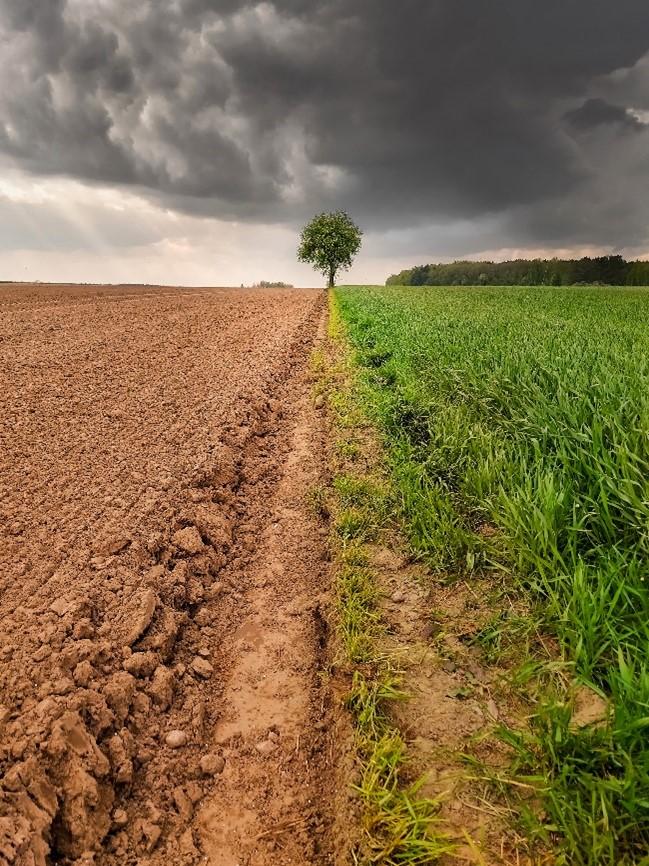
From November 12-13, 2024, leading experts, policymakers, researchers, and stakeholders gathered for the Mission Soil Week 2024, a landmark event dedicated to addressing soil health challenges and advancing sustainable land management across Europe. The event provided a platform for discussions on innovative policies, cutting-edge research, and collaborative initiatives aimed at protecting and restoring soil ecosystems.

Key Highlights from Mission Soil Week 2024:

– Insights from Soil Experts – Renowned scientists and policymakers presented the latest findings on soil degradation, biodiversity, and climate resilience, underlining the urgent need for action.

– Policy and Innovation Dialogues – Sessions focused on strengthening policies that promote soil health, with an emphasis on sustainable farming practices, carbon sequestration, and regenerative agriculture.

– Best Practices and Case Studies – Attendees explored real-world applications of sustainable soil management techniques, learning from successful case studies across different European regions.

–Collaboration for Soil Sustainability – The event reinforced the importance of cross-sector collaboration, bringing together public institutions, private enterprises, and research organizations to drive impactful solutions for soil restoration.

Why It Matters

Soil health is fundamental to food security, climate resilience, and biodiversity. Mission Soil Week 2024 reinforced the EU’s commitment to reversing soil degradation and promoting sustainable land use through policy initiatives and research-driven solutions. The discussions held during the event are expected to shape future strategies and funding opportunities that will support farmers, land managers, and policymakers in implementing best practices.

Read the Full Report

For a detailed analysis of the discussions, insights, and outcomes of Mission Soil Week 2024, access the full Post-Event Report.

EUSO annual report 2024

EUSO annual report 2024

Healthy soils are the foundation of sustainable agriculture, environmental resilience, and food security. The EU Soil Observatory (EUSO) plays a crucial role in providing scientific knowledge and data to safeguard and restore soils across Europe. The recently published EUSO Annual Report 2024 highlights significant advancements in soil monitoring, policy support, and research.

Key Insights from the EUSO Annual Report 2024

  • Supporting EU Soil Policy
    EUSO provided critical support for EU policies such as the Soil Monitoring and Resilience Directive and the Carbon Removal Certification Framework. The observatory also contributed to the Mission Soil Initiative, reinforcing the EU’s ambition for healthy soils by 2050.
  • State of Soils in Europe
    A major highlight of the report is the launch of The State of Soils in Europe, a collaborative effort with the European Environment Agency. This in-depth analysis examines the pressures affecting soil health and the progress of soil restoration efforts.
  • Expanding Soil Monitoring Efforts
    EUSO has enhanced EU-wide soil monitoring through the LUCAS Soil Module, providing the most comprehensive soil data available. The observatory also developed new tools, such as the Soil Degradation Dashboard, to track soil health indicators across the EU.
  • Enhancing the European Soil Data Centre
    The European Soil Data Centre (ESDAC) saw significant growth in 2024, with 15 new datasets added and a 20% increase in data access requests. These efforts strengthen data-driven decision-making for soil management.
  • Advancing Research and Innovation
    EUSO contributed to scientific progress by publishing 47 research papers, 10 technical reports, and 3 science-for-policy reports. These findings are instrumental in shaping soil conservation strategies and future innovations.
  • Engaging Stakeholders and Citizens
    Engagement remains a key priority, with EUSO hosting events like the EUSO Stakeholders Forum and the Young Soil Researchers Forum. These initiatives promote collaboration and raise awareness about soil health across Europe.

EUSO will continue expanding its research and monitoring activities in 2025, with a focus on launching the EU Soil Health Portal, enhancing data integration, and supporting the implementation of new soil policies. The observatory remains committed to delivering high-quality scientific knowledge to drive sustainable soil management in Europe.

Read the full EUSO Annual Report 2024 here:

soil health now event

Soil Health Now Conference 2025, Netherlands

Soil health is fundamental to sustainable agriculture, food security, and climate resilience. As global challenges such as soil degradation and environmental sustainability become more urgent, collaborative efforts to enhance soil monitoring and management are essential.

The Soil Health Now Conference 2025, organized by the AI4SOILHEALTH project, will take place from April 8-10, 2025, at the Wageningen International Conference Center in the Netherlands. This international event will bring together scientists, industry leaders, policymakers, and practitioners to discuss cutting-edge solutions for improving soil health through AI-driven technologies, data monitoring, and sustainable agricultural practices.

What to Expect at Soil Health Now 2025

This three-day conference will serve as a platform for knowledge exchange, networking, and showcasing the latest advancements in soil health research, technology, and policy.

Key Highlights of the Event:

Keynote Sessions – Thought leaders and scientists will present groundbreaking insights into soil health and its role in climate resilience and agricultural productivity.

Scientific Presentations & Workshops – Experts from around the world will share their latest findings, methodologies, and technological advancements aimed at improving soil monitoring, sustainability, and restoration.

Panel Discussions & Policy Dialogues – Policymakers, stakeholders, and researchers will engage in high-level discussions on integrating soil health strategies into national and EU-wide agricultural policies.

Demonstrations & Fieldwork – Hands-on demonstrations of innovative soil health technologies, including AI-driven soil analysis, digital monitoring tools, and regenerative agricultural practices.

For more details and registration: https://2025.ai4soilhealth.eu/

The State of Soils in Europe – Key Insights

Soil faces increasing threats across Europe. A recent report by the Joint Research Centre (JRC) provides a comprehensive analysis of the current state of European soils, highlighting critical challenges such as erosion, contamination, and loss of organic matter. Understanding these issues is essential for developing effective policies and sustainable land management strategies.

Key Findings on Soil Health in Europe
– Soil Erosion: Agricultural activities and deforestation contribute to significant soil loss, impacting fertility and water retention.
– Organic Matter Decline: Many European soils are losing vital organic content, affecting biodiversity and carbon storage.
– Soil Contamination: Industrial activities and improper land use have led to widespread pollution, posing risks to food safety and ecosystems.
– Compaction & Sealing: Increased urbanization is reducing soil permeability, disrupting natural processes.

To combat these challenges, the EU Soil Strategy 2030 and Mission ‘A Soil Deal for Europe’ emphasize monitoring, restoration, and sustainable management practices. Projects like WHEATWATCHER contribute to this mission by integrating advanced soil monitoring technologies, supporting precision agriculture, and improving soil health management across Europe.

Want to learn more?
Read the full JRC report on the state of soils in Europe here.

Winners of the Mission Soil Photo Competition

Soil is more than just dirt—it’s the foundation of life. The Mission Soil Photo Competition set out to capture this reality through the lens of talented photographers across Europe. During European Mission Soil Week in Madrid, the winning entries were revealed, each telling a unique story about the beauty and importance of healthy soils.

The Winning Photographs

“Treasure under our feet” – Dominika Koszowska (Poland)
A breathtaking aerial shot showcasing soil’s rich texture and its role in biodiversity.

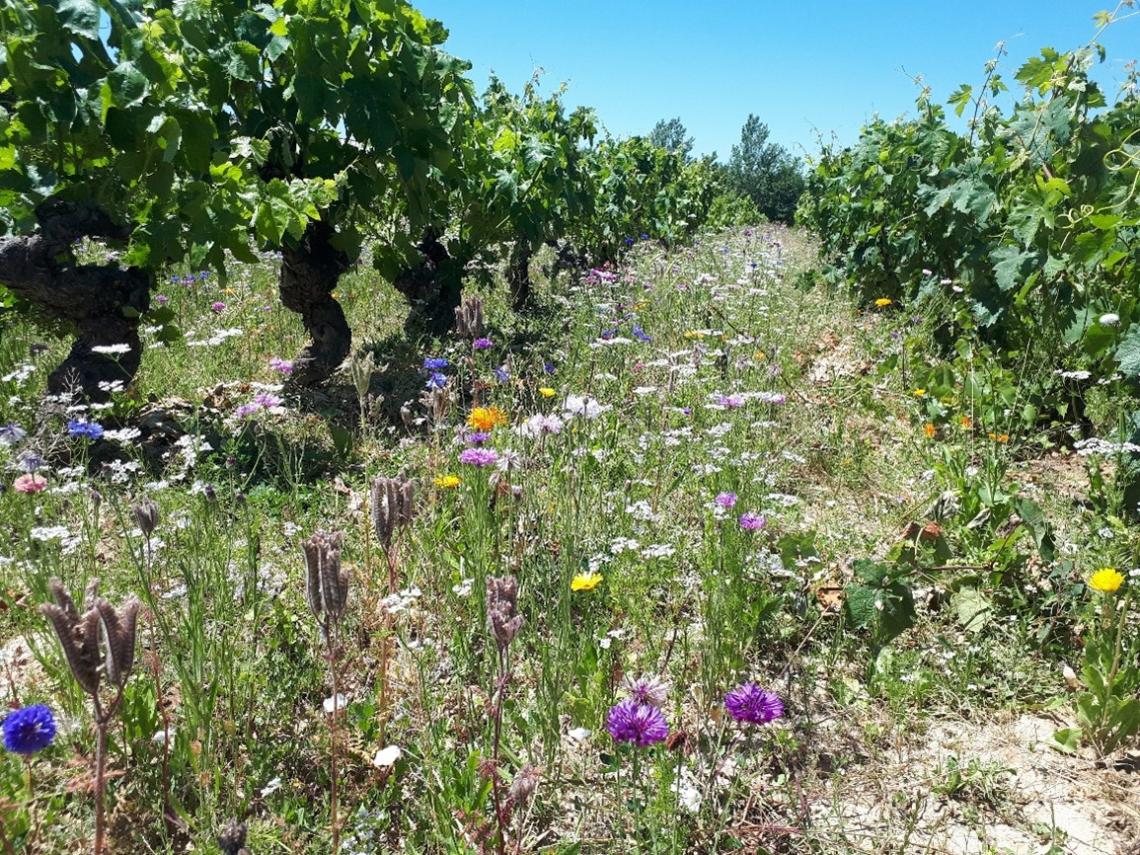
“Flowering vineyard soil” – Sergio Ibáñez Pascual (Spain)
A stunning portrayal of soil’s connection to agriculture, highlighting a vineyard in full bloom.

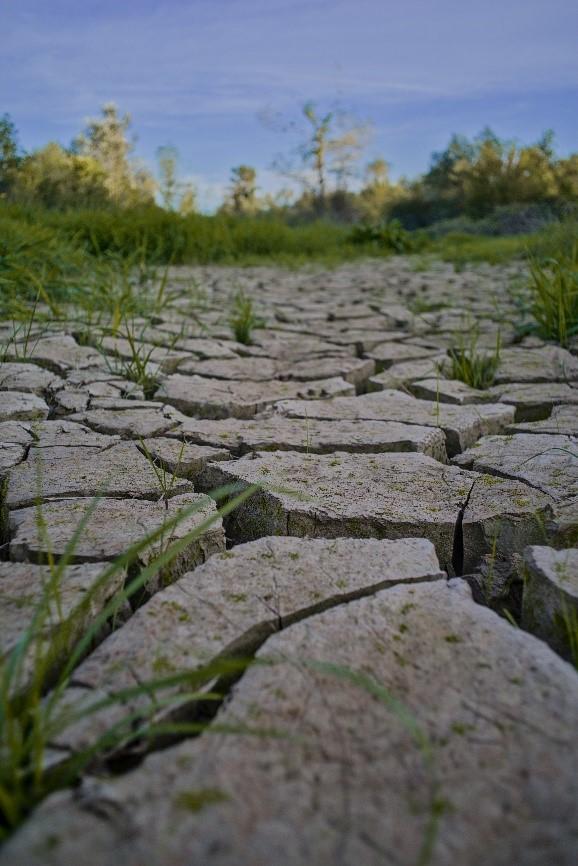
“Desperate for life” – Božidar Grgošić (Croatia)
An image that captures the struggle of plant life in degraded soils, reminding us of the urgent need for soil protection.

Alongside these winners, nine other remarkable photographs received recognition, all contributing to a powerful exhibition during the event.

Why This Competition Matters

The competition aimed to raise awareness about soil’s essential role in food production, climate regulation, and biodiversity. Through visual storytelling, these images bring attention to the need for sustainable soil management and the efforts being made under the EU Mission Soil initiative.

Want to see all the winning photos and learn more? Visit the official announcement here:
Mission Soil Photo Competition Winners

World Soil Day Conference in Tartu, Estonia

On December 5, 2024, the WHEATWATCHER project was proudly represented at the World Soil Day Conference held at the Estonian University of Life Sciences in Tartu. This event brought together over 100 participants, including researchers, policymakers, and industry experts, to celebrate the importance of soil health and sustainability.

Spotlight on WHEATWATCHER
Mrs. Roosi Soosaar from Soil Innovation Cluster, one of WHEATWATCHER’s key partners, delivered a poster presentation showcasing the project’s innovative approach to soil monitoring and sustainable agriculture. Her presentation sparked meaningful discussions about the role of advanced sensing technologies and data-driven solutions in improving soil health across Europe.

Event Highlights
The conference included:

  • Expert Panels: Discussions on soil conservation strategies and innovative technologies.
  • Networking Opportunities: Engagement with like-minded professionals and stakeholders.
  • Collaborative Insights: Emphasis on collective action for soil sustainability.

The conference reinforced the critical role of research collaboration and innovative tools, like those developed by WHEATWATCHER, in tackling soil degradation and promoting sustainable farming practices.

WHEATWATCHER’s participation at the event highlights its commitment to addressing soil health challenges through advanced monitoring systems, microbiome analysis, and machine learning technologies.

The World Soil Day Conference provided a platform to connect, share knowledge, and strengthen partnerships toward a shared mission of protecting our planet’s soils.

European Mission Soil Week Cluster Event

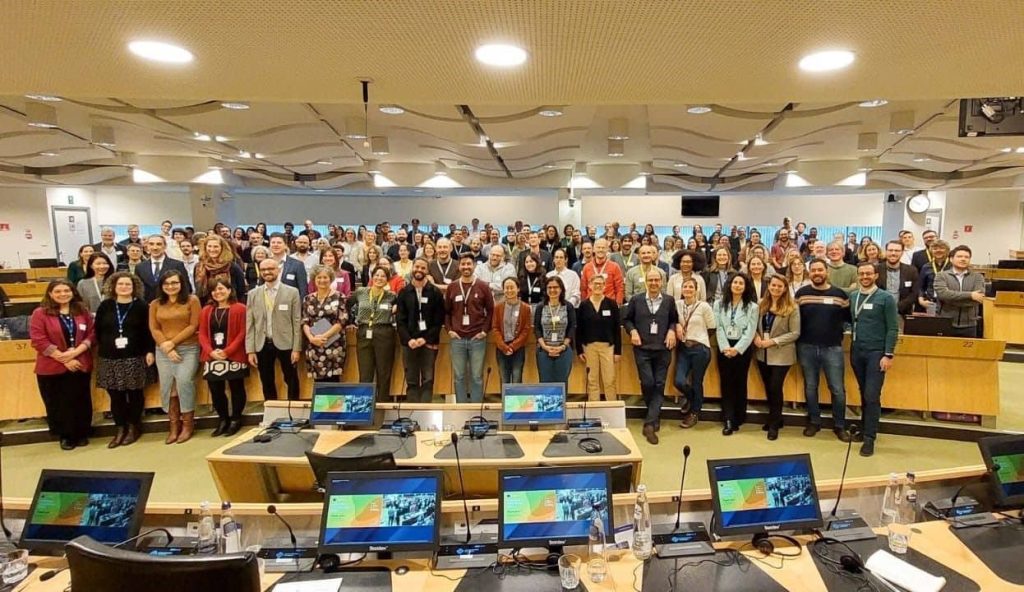
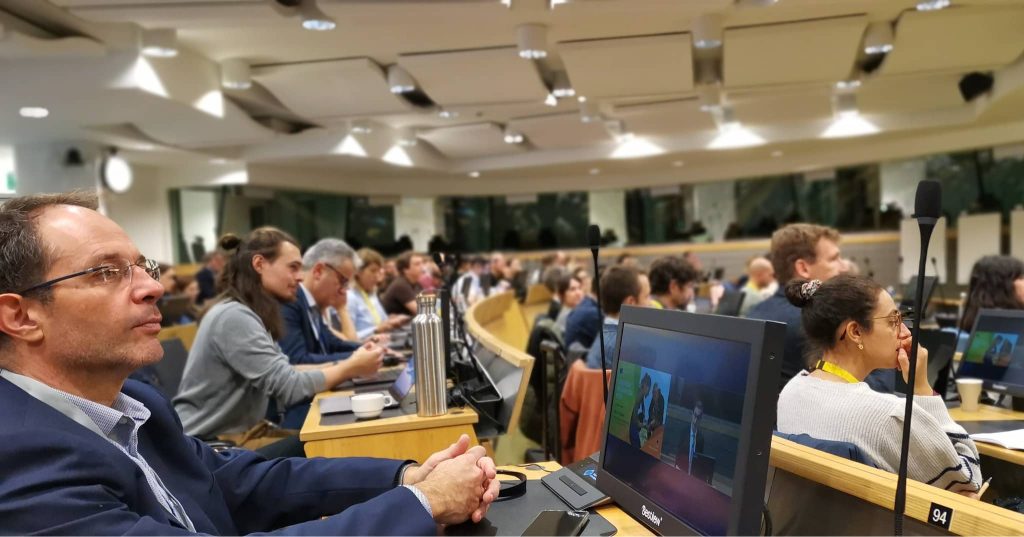
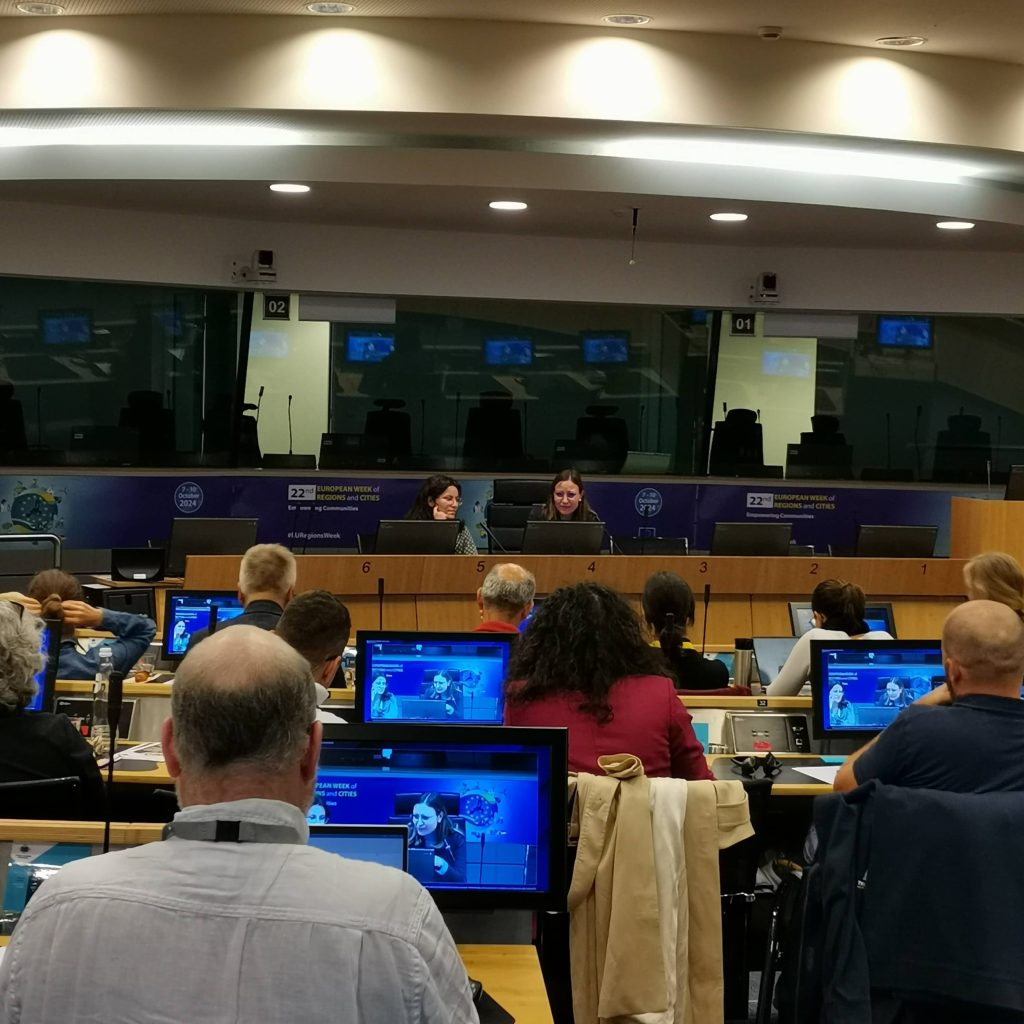
On November 14, 2024, the WHEATWATCHER team had the privilege of participating in the exclusive side event of the European Mission Soil Week, held at the European Committee of the Regions. This gathering brought together projects under the Mission Soil Platform Cluster, fostering collaboration to protect and sustainably manage soils across Europe.

Connecting for Impact
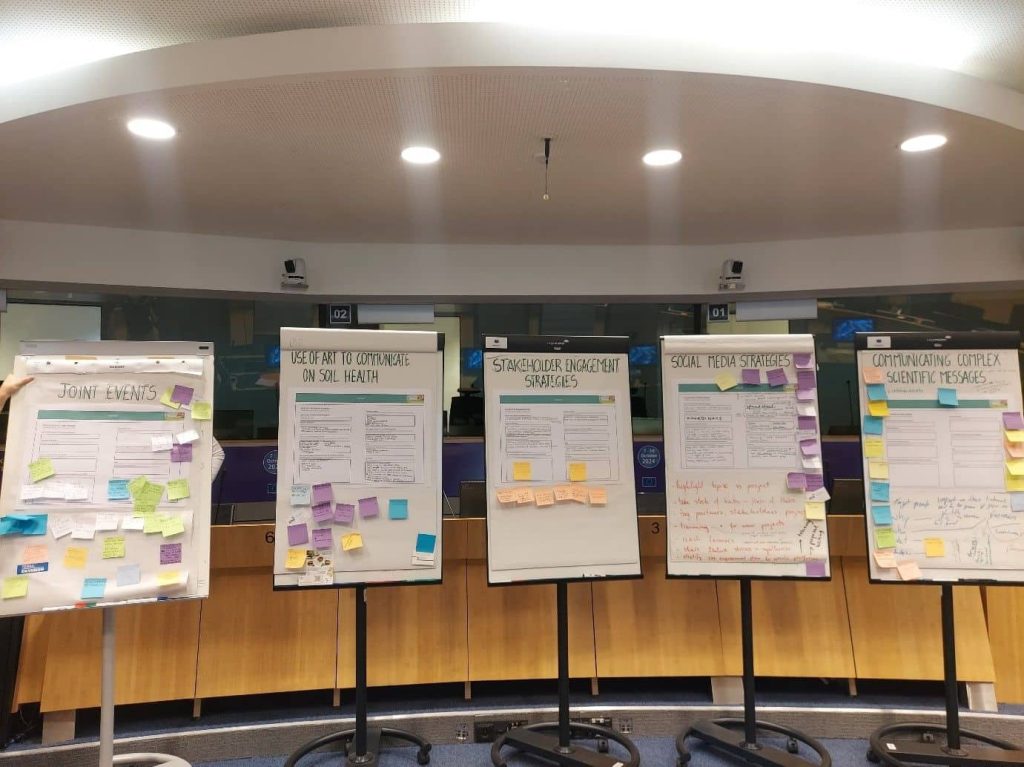
The side event featured focused discussions around three key themes:

  • Data & Knowledge Management: Enhancing data integration for robust soil monitoring.
  • Soil Indicators & Monitoring: Developing tools to assess soil health.
  • Communication & Stakeholder Engagement: Raising soil literacy and driving community collaboration.

As a new member of the Mission Soil Platform Cluster, WHEATWATCHER engaged with researchers and organizations committed to soil health, sharing expertise, and establishing partnerships to strengthen synergies.

Key Insights
The event highlighted the importance of collaboration and innovation in tackling soil-related challenges. Alongside sister projects like E-SPFdigit, WHEATWATCHER explored ways to advance sustainability through cutting-edge soil monitoring systems and enhanced data strategies.

Looking Ahead
Participation in events like these reinforces WHEATWATCHER’s mission to revolutionize agriculture with innovative solutions and collaborative efforts. Together, we are paving the way for healthier, resilient soils and a sustainable agricultural future.
Kick-Off Meeting Successfully Launched

On October 21-22, 2024, the WHEATWATCHER project officially commenced with a successful two-day kick-off meeting hosted by Ghent University. This innovative Horizon Europe initiative aims to revolutionize soil health monitoring, plant health assessment, and food traceability, addressing pressing challenges in agriculture and environmental sustainability.

Setting the Stage for Innovation
The kick-off event brought together experts from 9 countries, representing leading universities, research centers, and industry partners. During the meeting, the consortium:

  • Defined the project’s main objectives, focusing on soil health monitoring and sustainable farming practices.
  • Outlined strategies for deploying cutting-edge technologies, including soil sensors, robotic platforms, and decision support systems.
  • Discussed synergies with other Horizon Europe projects and relevant EU policies to maximize impact.

Key Objectives and Next Steps
WHEATWATCHER aims to implement advanced soil monitoring technologies, develop predictive models, and collaborate with stakeholders to promote sustainable agriculture. Pilot sites in Greece, Poland, Germany, and Belgium will test these technologies, with initial results expected by mid-2025.
Coordinator’s Perspective
Professor Abdul Mouazen of Ghent University highlighted the importance of collaboration and innovation:
“We are excited to embark on this journey with our partners, leveraging cutting-edge technology and collaborative expertise to address the critical challenges facing European agriculture.”

A Collaborative Effort
The WHEATWATCHER consortium includes 14 distinguished organizations, ensuring a diverse and expert-driven approach to achieving its goals.

  • Ghent University
  • Hahn-Schickard
  • Exobotic Technologies
  • Tel Aviv University
  • Weizmann Institute of Science
  • Czech University of Life Sciences Prague
  • GFZ German Research Centre for Geosciences
  • Walloon Agricultural Research Centre
  • University of Rostock
  • NGO Soil Innovation Cluster
  • ena Development Consultants
  • Institute of Soil Science and Plant Cultivation State Research Institute 
  • Vytautas Magnus University
  • University of Applied Sciences and Arts Northwestern Switzerland

What’s Next?
The project will integrate advanced sensor technologies, predictive models, and decision support systems, with initial results expected by mid-2025.

The kick-off meeting has laid a strong foundation for WHEATWATCHER’s ambitious journey, paving the way for sustainable agriculture and enhanced soil health across Europe.

WHEATWATCHER at Innovation Market at Helsinki

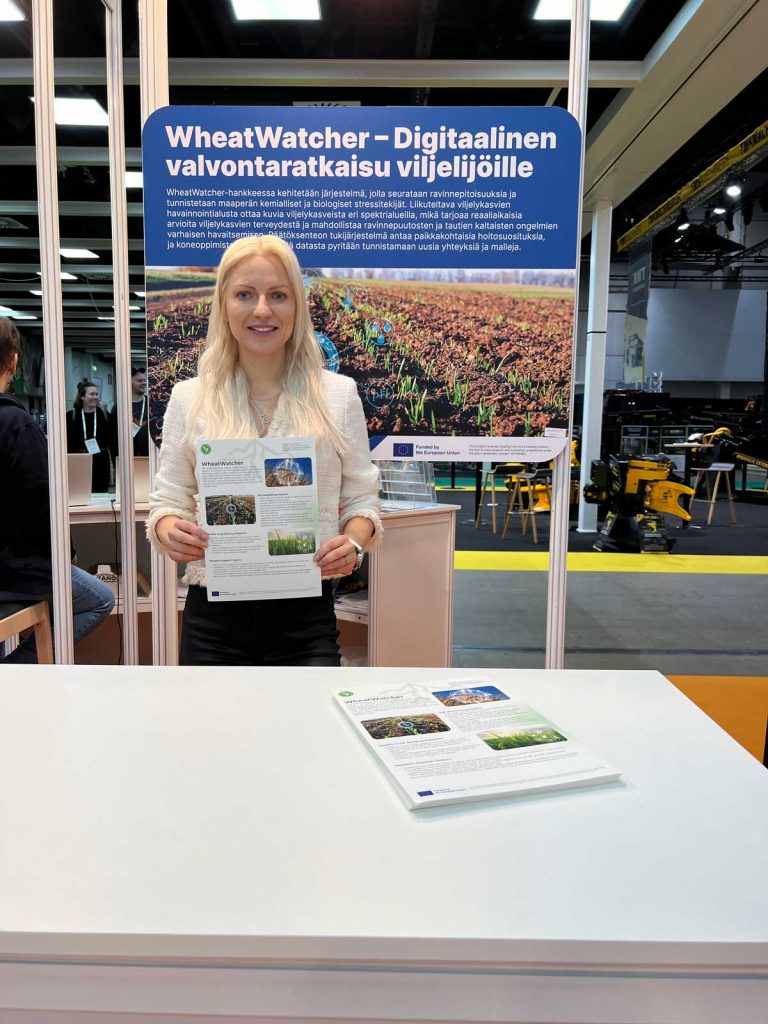
From October 17th to 19th, 2024, WHEATWATCHER proudly participated in the Helsinki Innovation Market, held during the Finnish Agricultural Machinery Trade Fair. Representing the project, Mrs. Roosi Soosaar from Soil Innovation Cluster introduced WHEATWATCHER’s innovative approach to soil health and sustainable agriculture.
A Gathering of Innovators
This vibrant event brought together over 18,000 attendees, including agriculture experts, policymakers, and industry leaders, showcasing groundbreaking technologies and collaborative efforts to advance sustainable farming practices.

WHEATWATCHER’s Role
Mrs. Soosaar shared WHEATWATCHER’s goals and impact through an engaging presentation. She emphasized the project’s focus on:

  • Advanced soil monitoring technologies.
  • Data-driven solutions for improving soil health.
  • Collaborative innovation for sustainable agriculture.
A Platform for Collaboration
The event provided a unique opportunity for WHEATWATCHER to connect with like-minded initiatives and share insights on sustainable practices. Mrs. Soosaar highlighted the importance of combining cutting-edge technologies with collaborative efforts to address global agricultural challenges.

Watch the Interview
You can watch the exclusive interview with Mrs. Roosi Soosaar at the Helsinki Innovation Market here.
Skip to content